
New 2026 XL Specialized Lowboy Trailers For Sale
Shop new 2026 XL Specialized lowboy trailers built for heavy equipment hauling with hydraulic detachable necks, low deck heights, and 55-ton ratings.
Selling a new 2026 xl specialized lowboy trailer? List your new 2026 xl specialized lowboy trailer for sale and reach thousands of commercial buyers.
New 2026 XL Specialized Lowboy Trailers
One of the first details to compare is loaded deck height. Many XL Specialized lowboys in this range are built around a 15-inch loaded deck height with roughly 4.5 inches of ground clearance, while some configurations run closer to 18 inches. That difference matters if your freight regularly pushes overall height limits. Main deck lengths around 26 feet, top decks near 13 feet, and rear decks around 14 feet are common on 53-foot overall trailers, giving enough room for varied equipment footprints without moving into a much more specialized platform. Width is typically 102 inches, and features like 110-inch and 84-inch swing clearance become important when hauling machines with wider tracks, counterweights, or awkward approach angles.
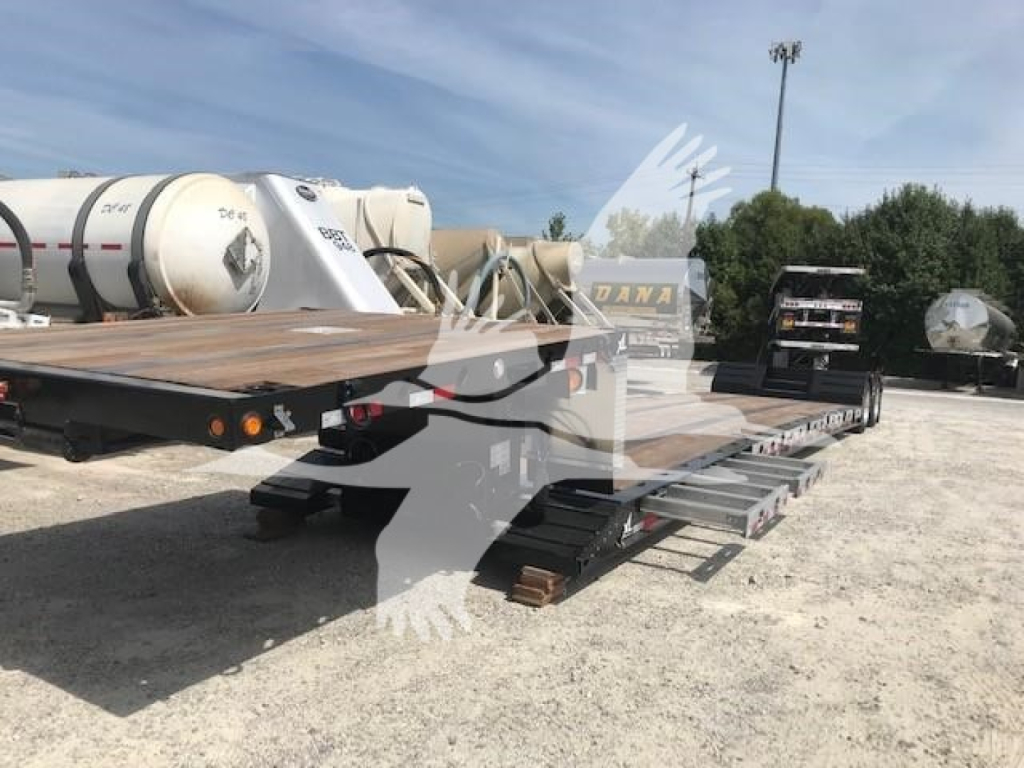
Construction and securement details are where experienced buyers tend to separate one lowboy spec from another. XL Specialized commonly uses Apitong flooring, fabricated steel side rails or perimeter beams, close crossmember spacing, and multiple securement points such as D-rings, chain drops, keyhole chain slots, stake pockets, and outriggers. Open boom troughs, bucket wells with reinforced bottoms, and removable or load-bearing wheel covers can make a noticeable difference in how easily the trailer handles excavators and other irregular loads. Galvanized finishes are also worth attention for fleets running in northern climates, on salted roads, or in applications where corrosion control affects lifecycle cost and resale.
Running gear on these lowboy trailers often includes a tri-axle air ride suspension with Hendrickson components, 54.5-inch axle spacing, a rear air lift axle, mechanical ride height control, and common heavy-haul tire sizes such as 275/70R22.5. Many are flip-axle compatible, which matters if you expect to scale different machines and need more flexibility at the rear. Kingpin settings, five-position ride height at the fifth wheel, non-ground-bearing hydraulic detachable necks, strobes, work lights, and rear receptacles are not small details on a lowboy. They affect loading speed, permit compliance, tractor compatibility, and day-to-day usability. For a buyer comparing listings, the real question is not just rated capacity. It is how the deck height, neck style, securement layout, axle options, and rear configuration match the machinery actually being moved.
Frequently Asked Questions about New 2026 XL Specialized Lowboy Trailers
What is the advantage of a hydraulic detachable gooseneck lowboy trailer?
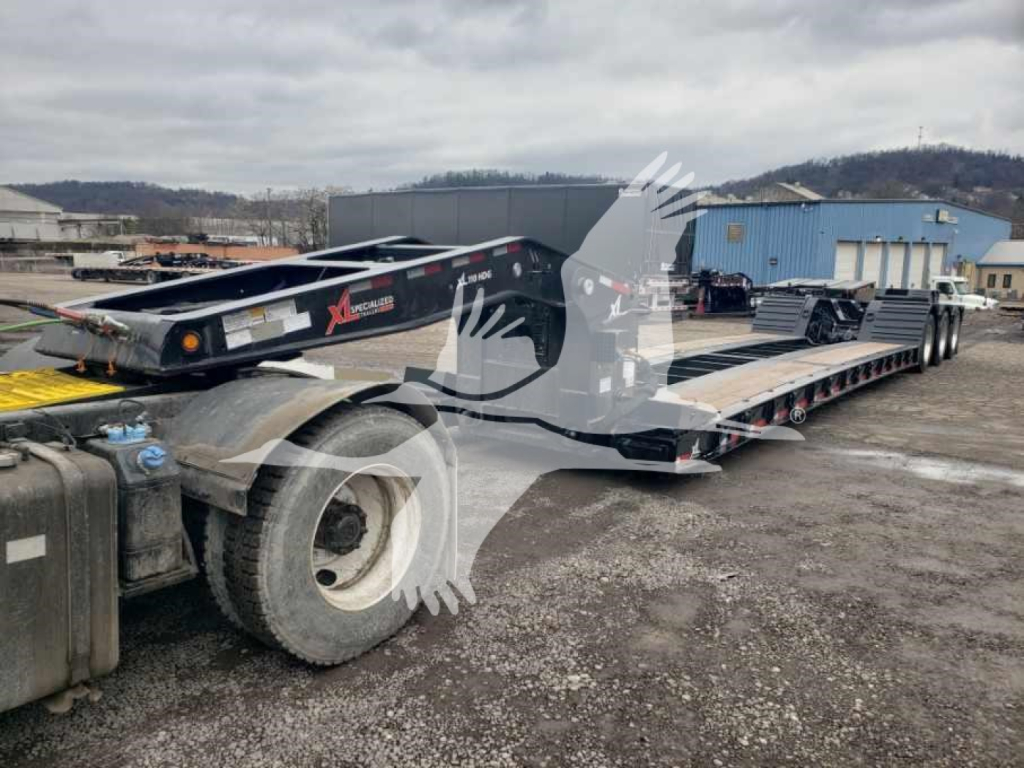
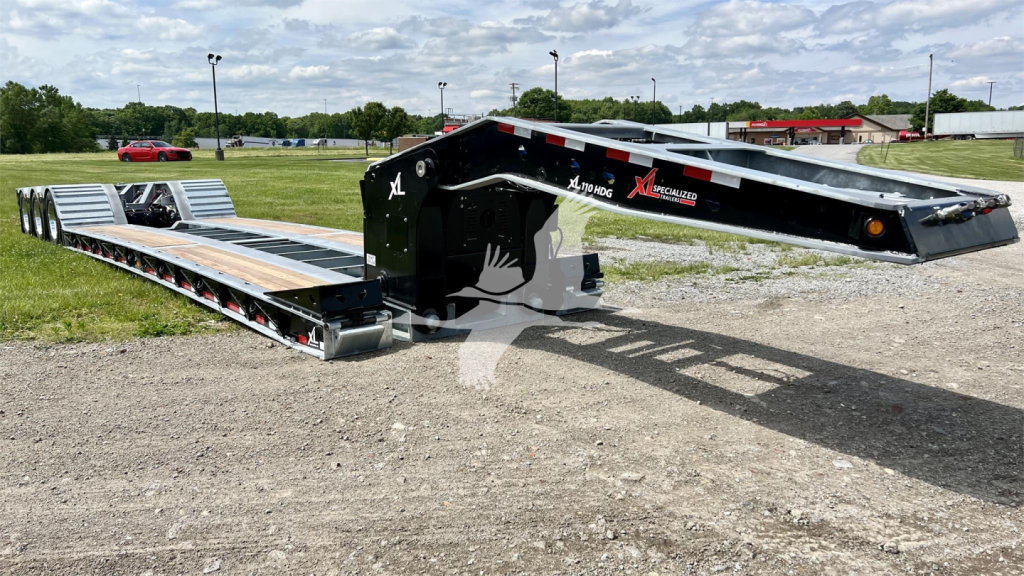
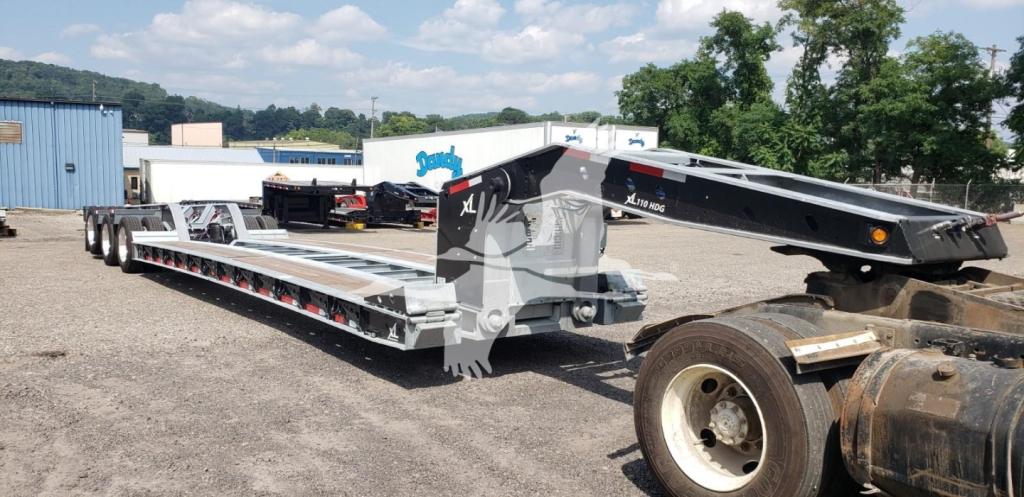
A hydraulic detachable gooseneck lowboy, often called an RGN, allows the front of the trailer to detach so equipment can be driven directly onto the deck from the ground. That improves loading efficiency and reduces the steep approach angle common with fixed-neck trailers. It is especially useful for tracked machines, low-clearance equipment, and freight that is difficult to load over the rear.
What does a 55-ton rating in 12 feet mean on a lowboy trailer?
A 55-ton rating in 12 feet refers to the trailer’s concentrated load capacity over a defined section of the deck, not necessarily the total gross payload in every loading scenario. This matters because heavy equipment often places most of its weight in a short area under tracks, rollers, or axle groups. Buyers should still verify axle group laws, tractor setup, and any flip-axle or jeep requirements for the actual loads they plan to haul.
Why does deck height matter so much on a lowboy?
Deck height directly affects legal loaded height and determines what kinds of tall equipment can be moved without route restrictions or extra permit complexity. A lower loaded deck height can be the difference between hauling a machine legally or needing a more restrictive route. It also affects center of gravity, loading angle, and how forgiving the trailer is with uneven or top-heavy freight.
What features should I look for if I haul excavators and other irregular machines?
For excavators and similarly shaped equipment, buyers usually prioritize a bucket well, open boom trough, strong D-ring and chain-drop layout, and enough swing clearance for counterweights and track frames. Load-bearing wheel covers or open wheel areas can also matter depending on how the machine is positioned. The more flexible the securement and deck layout, the easier it is to handle different machine sizes without wasting deck space.
Is a galvanized lowboy trailer worth considering?
A galvanized lowboy can be a smart choice for fleets operating in corrosive environments, particularly northern states where road salt shortens trailer life. Galvanizing helps resist rust on the structure and can reduce long-term refinishing and repair needs. It may also help preserve resale value, especially on specialized heavy-haul equipment that buyers expect to keep in service for many years.