
New 2026 Trail-Eze Trailers For Sale
Shop new 2026 Trail-Eze trailers for heavy equipment hauling, with lowboy, gooseneck, tag, and tilt options built for demanding fleets.
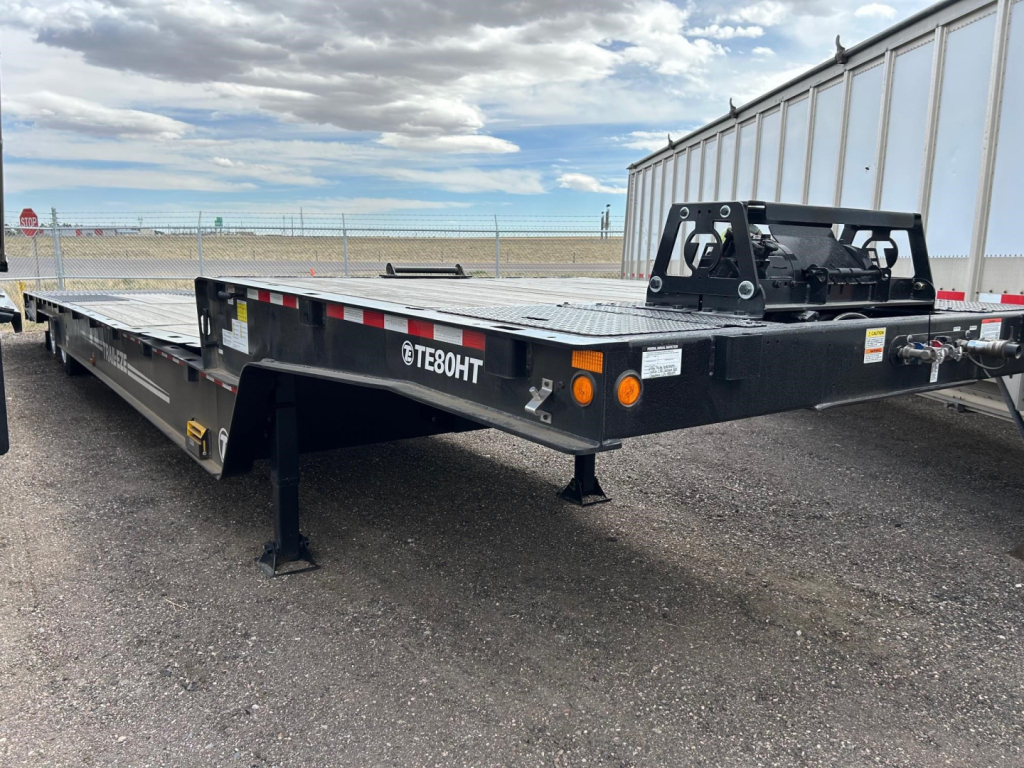
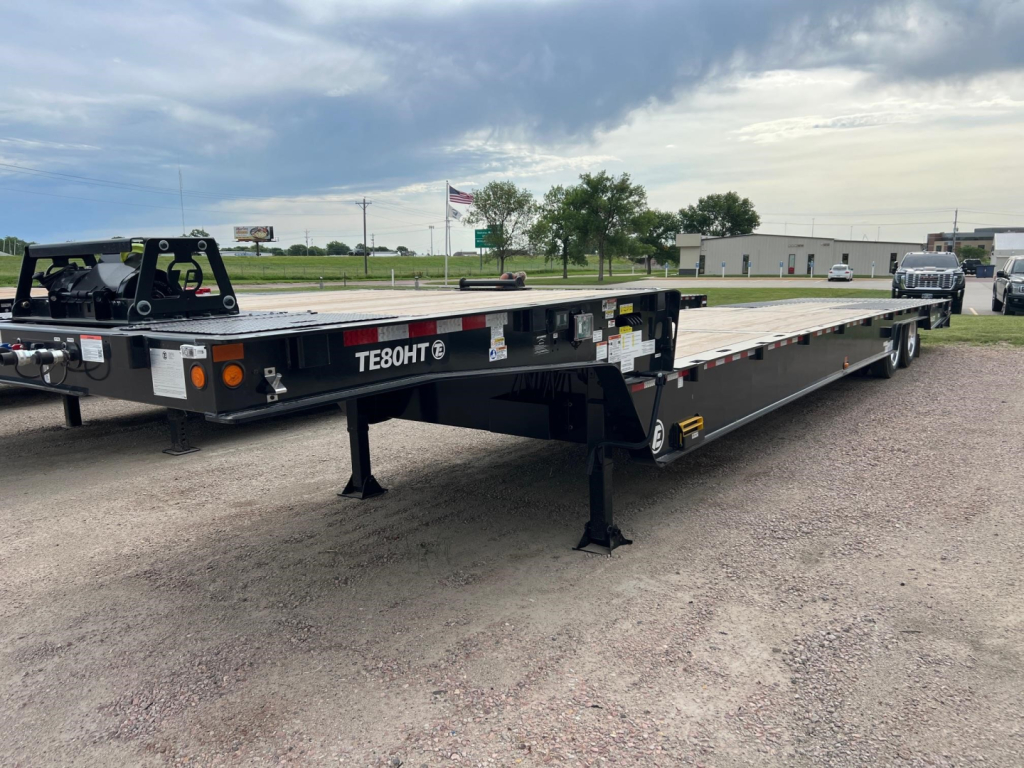
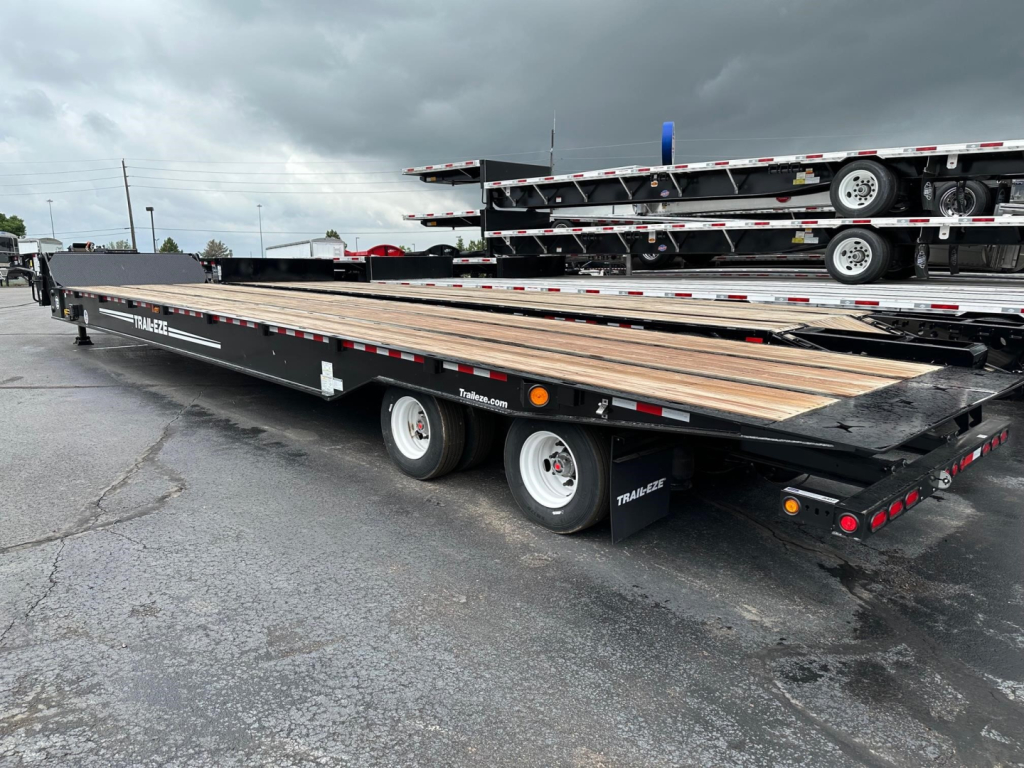
Selling a new 2026 trail-eze trailer? List your new 2026 trail-eze trailer for sale and reach thousands of commercial buyers.
New 2026 Trail-Eze Trailers
The first decision usually comes down to how the trailer will be loaded and what legal payload target you need to hit. Buyers comparing new Trail-Eze trailers should pay close attention to deck length, loaded deck height, beavertail or tilt design, ramp style, main frame construction, and gross vehicle weight rating. Axle count and axle spacing will affect both maneuverability and bridge compliance, especially for contractors moving larger iron across state lines. Air ride versus spring ride, hydraulic detach options, deck-apron layout, crossmember spacing, and tire size all influence ride quality, serviceability, and how well the trailer handles concentrated machine weight over time.
For many fleets, Trail-Eze trailers stand out because they are engineered around practical loading and unloading. A low load angle reduces ramp breakover issues for paving machines, scissor lifts, and low-clearance equipment. A properly configured deck width and fender setup can make a big difference when loading rubber-tired or tracked units without wasting space. Buyers should also look at tie-down provisions, chain slots, D-rings, winch accommodations, wood versus steel deck surfaces, and lighting protection if the trailer will see rough quarry roads or frequent urban jobsite use. On higher-capacity models, frame reinforcement, hydraulic systems, detachable neck design, and axle group service access become important long-term ownership considerations.
If the trailer will run every day, supportability and matching the trailer to the fleet are just as important as rated capacity. Standardization across axle components, brake systems, tire sizes, and coupler or kingpin setup can simplify maintenance and reduce downtime. A new 2026 Trail-Eze trailer is typically chosen by buyers who value proven heavy-haul construction, stable loading characteristics, and specs tailored to real equipment dimensions rather than generic payload claims. The right setup depends on the machines being moved, the permits required, the states traveled, and how often loading happens on uneven ground or unimproved sites.
Frequently Asked Questions about New 2026 Trail-Eze Trailers
What types of trailers does Trail-Eze commonly build?
Trail-Eze is widely associated with equipment trailers for construction and industrial hauling, including lowboy trailers, tag trailers, tilt deck trailers, hydraulic dovetail trailers, and detachable gooseneck configurations. Exact layouts vary by application, but the brand is commonly chosen for hauling compact equipment, mid-size construction machines, and heavier jobsite equipment that requires low deck height and durable frame construction.
What specs matter most when comparing a new 2026 Trail-Eze trailer?
The most important specs are GVWR, axle configuration, deck length, loaded deck height, load angle, ramp or tilt design, and frame construction. Buyers should also confirm brake type, suspension, tire size, deck material, tie-down layout, and coupler or neck design. These details affect legal payload, machine fit, ease of loading, long-term durability, and how well the trailer integrates with the tow vehicle or tractor already in the fleet.
Are Trail-Eze trailers good for heavy equipment hauling?
Trail-Eze trailers are generally built for equipment hauling and are often selected for demanding contractor and municipal applications. Their configurations are designed around machine transport, with attention to deck strength, axle placement, and loading geometry. The right model depends on the size, weight, and ground clearance of the equipment being moved, but the brand is commonly considered a strong fit for fleets that haul construction equipment regularly.
Should I choose a tilt trailer, tag trailer, or lowboy trailer?
That choice depends on machine type, loading frequency, and weight class. Tilt trailers are efficient for compact machines and reduce ramp handling. Tag trailers are a common fit for general equipment transport behind vocational trucks. Lowboy trailers are better suited for taller or heavier machines because they offer a lower deck height and often better stability for larger equipment. The best choice comes from matching deck design to the machines' operating weight, undercarriage type, and loading clearance.
What should buyers check for long-term maintenance and serviceability?
Serviceability starts with common running gear and easy access to wear components. Buyers should look at axle brand, brake setup, suspension type, hydraulic system layout, tire size standardization, lighting protection, and how accessible grease points and service items are. On detachable and hydraulic models, cylinder placement, hose routing, and neck locking systems also matter because they influence downtime, repair complexity, and life-cycle operating cost.