
New Trail-Eze Trailers For Sale
Shop new Trail-Eze trailers built for heavy equipment hauling, with low deck heights, durable construction, and configurations for demanding jobs.
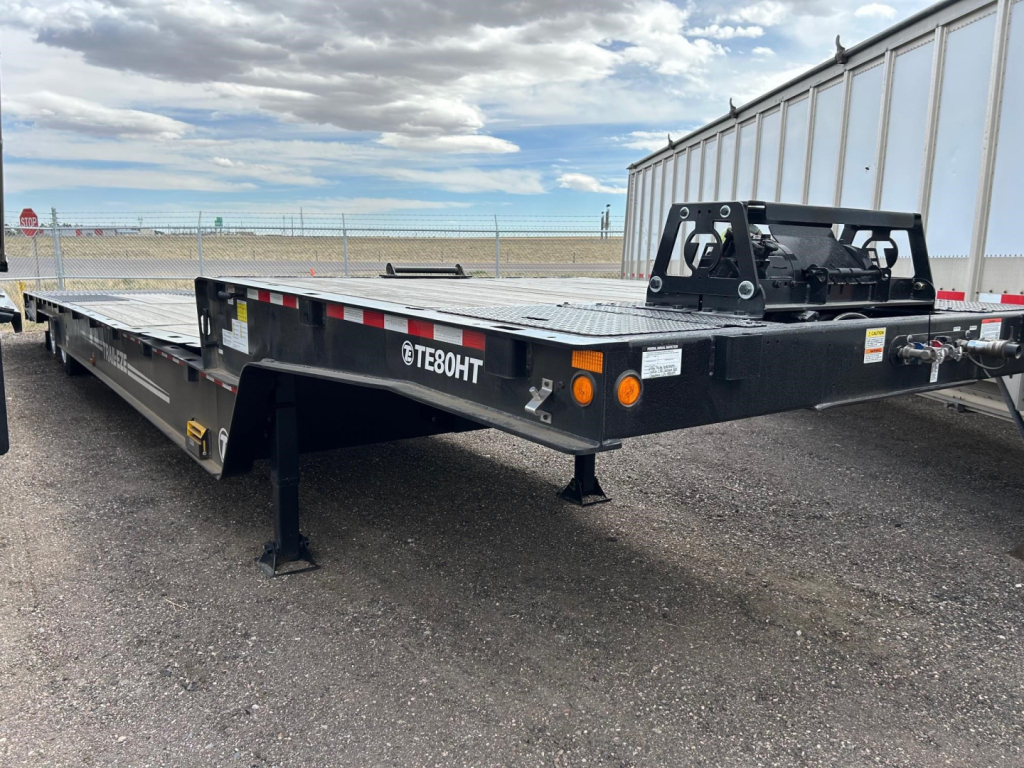
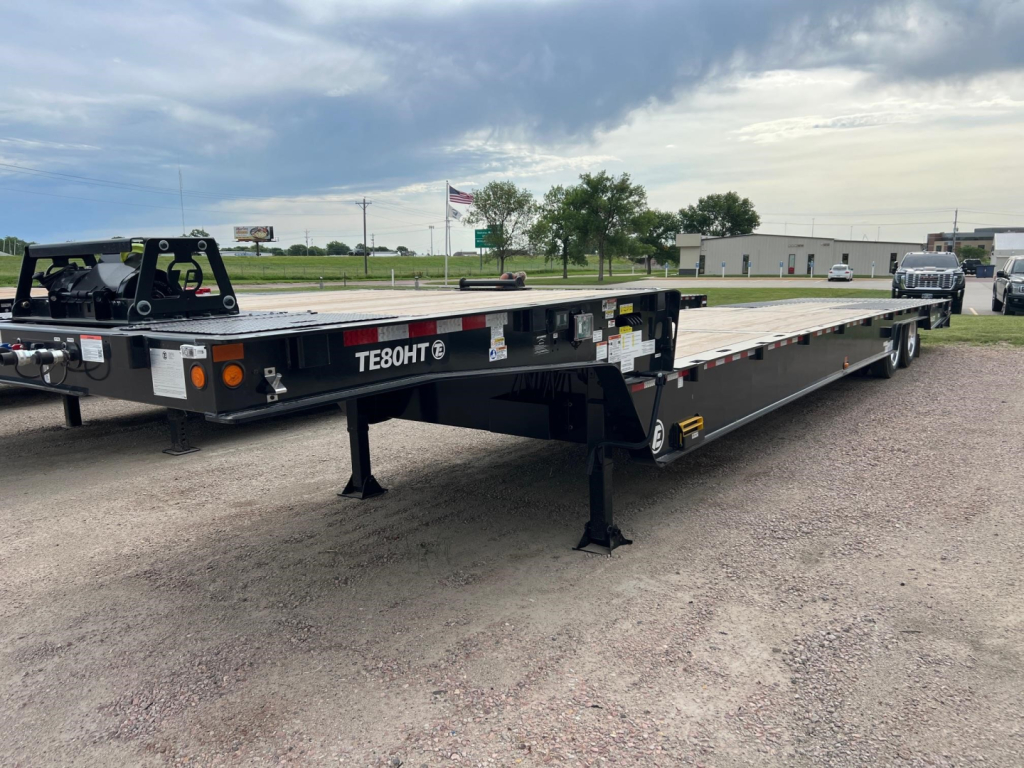
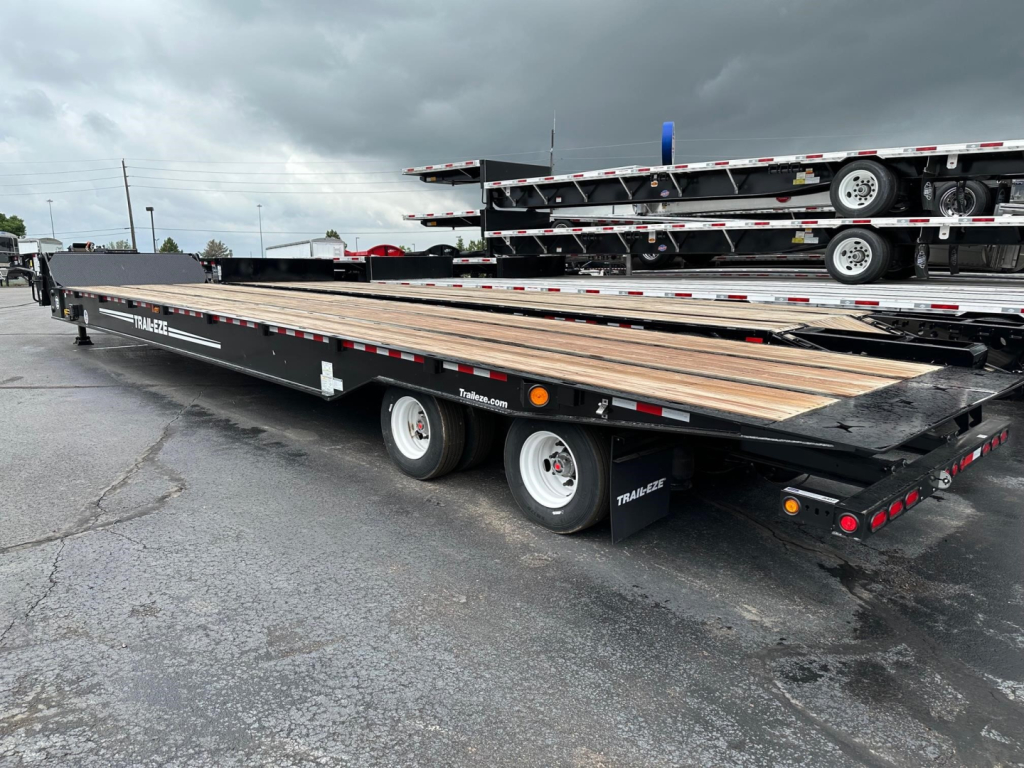
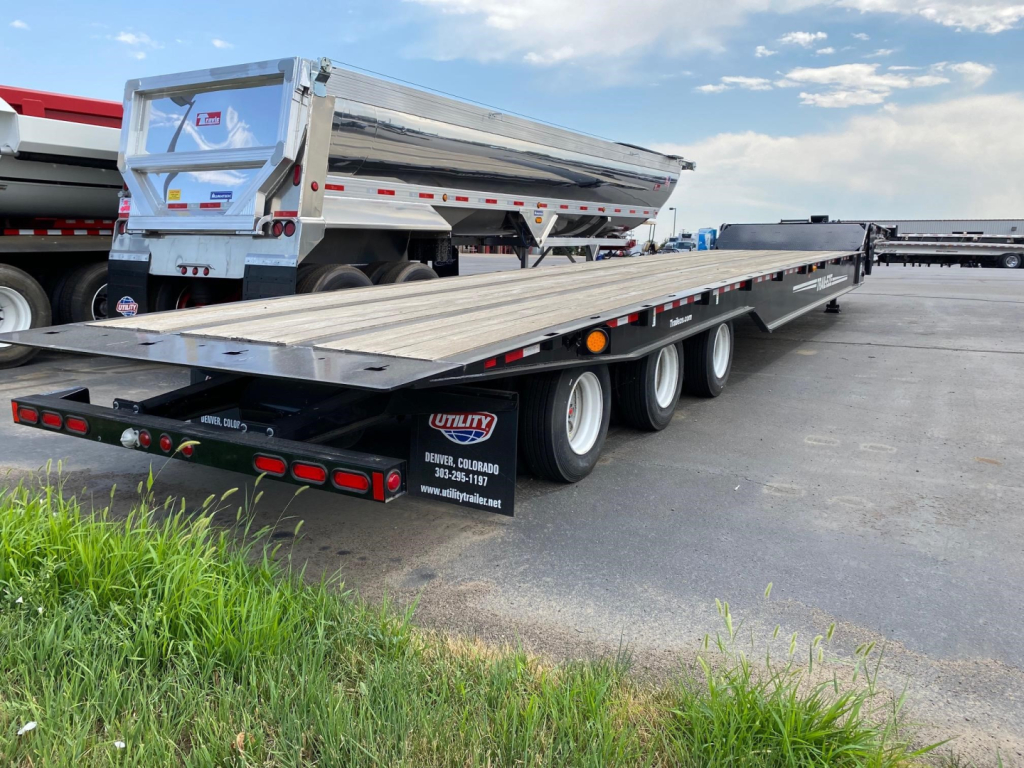
Selling a new trail-eze trailer? List your new trail-eze trailer for sale and reach thousands of commercial buyers.
New Trail-Eze Trailers
The spec decisions that matter most usually start with capacity, deck style, and loading method. Trail-Eze trailers are commonly configured with hydraulic dovetails, flip-over ramps, beavertails, detachable goosenecks, or fixed neck designs depending on the weight class and loading frequency. Buyers should pay close attention to main beam construction, loaded deck height, deck length, axle spacing, suspension type, and ramp rating. On heavier applications, features like air ride suspension, oil bath hubs, disc or drum brake options, and tire inflation systems can affect ride quality, maintenance intervals, and uptime. Trailer width, outriggers, apitong or oak flooring, traction aids, and concentrated load ratings also matter if the trailer will carry steel track machines, compactors, or attachment-heavy equipment.
Trail-Eze trailers are commonly used by contractors, equipment rental fleets, aggregate operations, road-building crews, and municipalities that need to move machines safely and efficiently. For mixed fleets, the right trailer often comes down to the machines you haul most often, not just maximum gross capacity on paper. A trailer that frequently carries skid steers, mini excavators, or rollers may call for a different deck layout than one assigned to larger dozers, asphalt pavers, or wheel loaders. Buyers should also consider legal payload targets, kingpin or hitch setup, axle count, and how the trailer will match with available tractors or trucks. A well-matched configuration helps with weight distribution, loading speed, and compliance on state and local roads.
Build quality and serviceability are a major part of the buying decision in this category. New Trail-Eze trailers typically appeal to operators who want robust crossmember design, durable paint or coating systems, protected wiring, and straightforward access to wear components. Details such as tie-down placement, chain slots, stake pockets, toolbox options, winch accommodations, and lighting protection make a difference in daily use. When comparing listings, it helps to look beyond headline capacity and focus on the actual equipment mix, route demands, and loading routine the trailer will face every week.
Frequently Asked Questions about New Trail-Eze Trailers
What are new Trail-Eze trailers commonly used for?
New Trail-Eze trailers are commonly used for hauling construction equipment, paving machines, compact equipment, agricultural machinery, and other heavy loads that require a stable deck and manageable load angle. They are especially common in contractor, rental, road-building, and municipal fleets where frequent loading and unloading is part of the job.
What specs matter most when comparing a Trail-Eze trailer?
The most important specs usually include rated capacity, deck length, deck height, axle configuration, suspension type, loading style, and the trailer's concentrated load capability. Buyers should also review width, ramp or dovetail design, flooring material, brake setup, tire size, and tie-down layout because those details affect how well the trailer fits the equipment it will carry every day.
Are Trail-Eze trailers good for taller equipment?
They can be a strong choice for taller equipment because many Trail-Eze models are designed with low deck heights and efficient loading geometry. A lower deck can help reduce loaded height, improve stability, and make it easier to stay within route restrictions when transporting machines with cabs, attachments, or taller overall profiles.
How do I choose between a tag trailer and a lowboy trailer from Trail-Eze?
A tag trailer is often a good fit for medium-duty equipment hauling behind a truck, especially when loading is frequent and route flexibility matters. A lowboy trailer is usually the better choice for heavier or taller machines because it provides a lower deck and often greater capacity. The right choice depends on the weight, dimensions, and ground clearance of the equipment, along with the tow vehicle available in your fleet.