
New Trail-Eze Trailers For Sale in Colorado
Explore new Trail-Eze trailers in Colorado. Compare lowboy, equipment, and hydraulic tail options built for heavy hauling and jobsite use.
Selling a new trail-eze trailer? List your new trail-eze trailer for sale and reach thousands of commercial buyers.
New Trail-Eze Trailers in Colorado
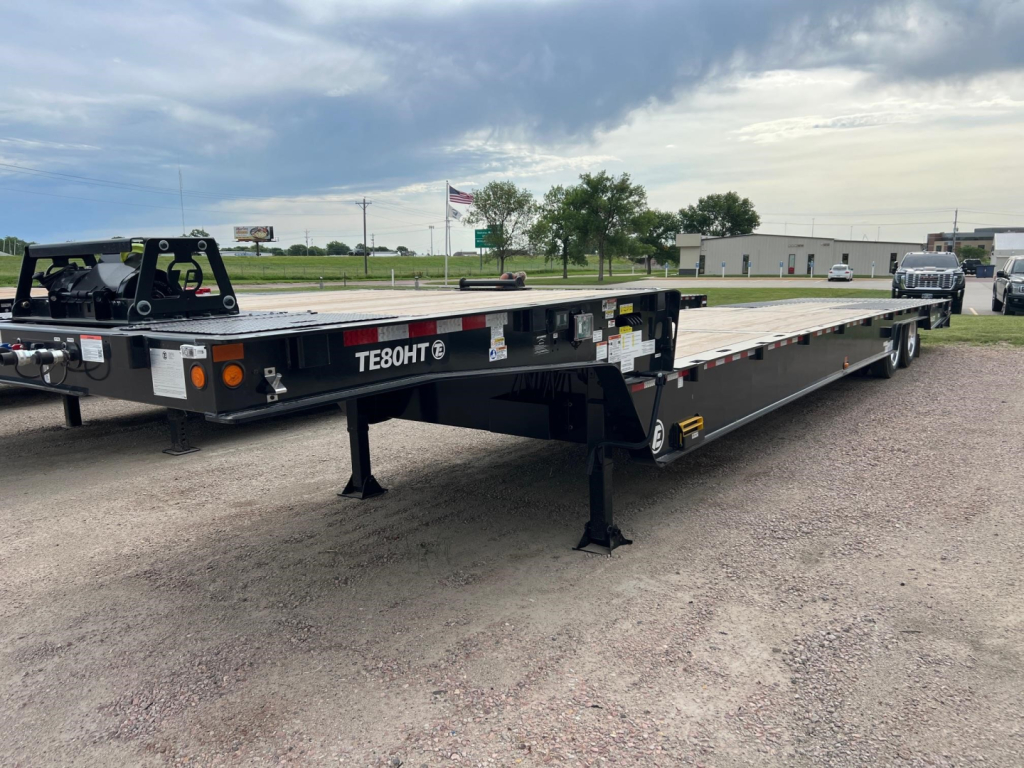
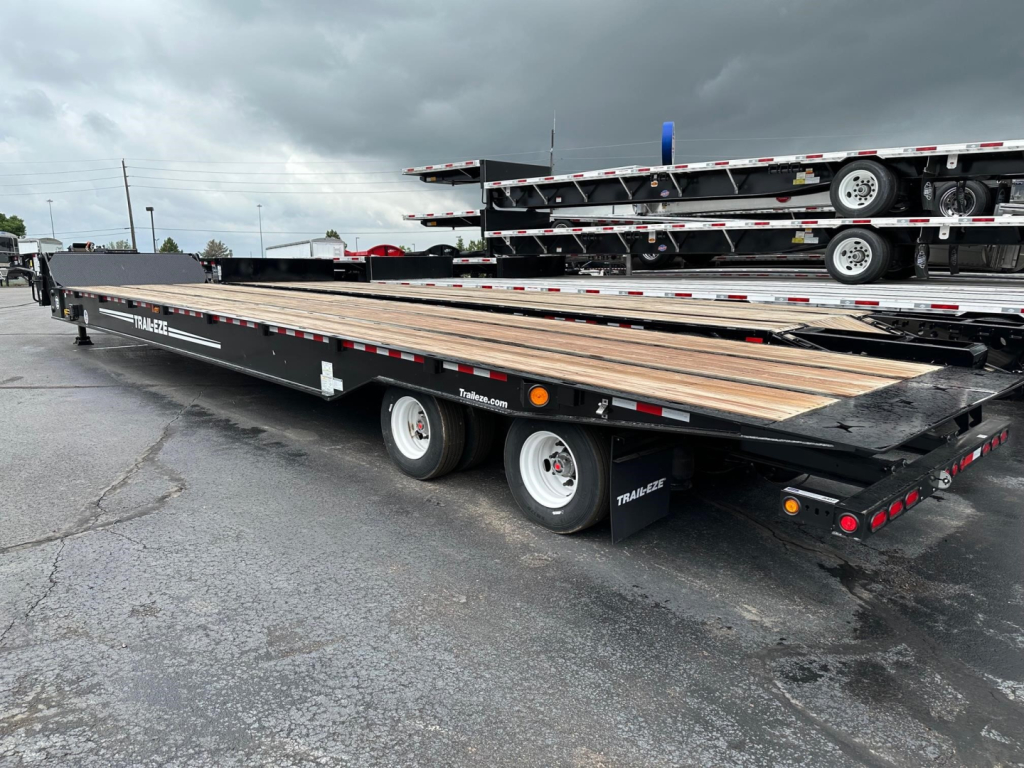
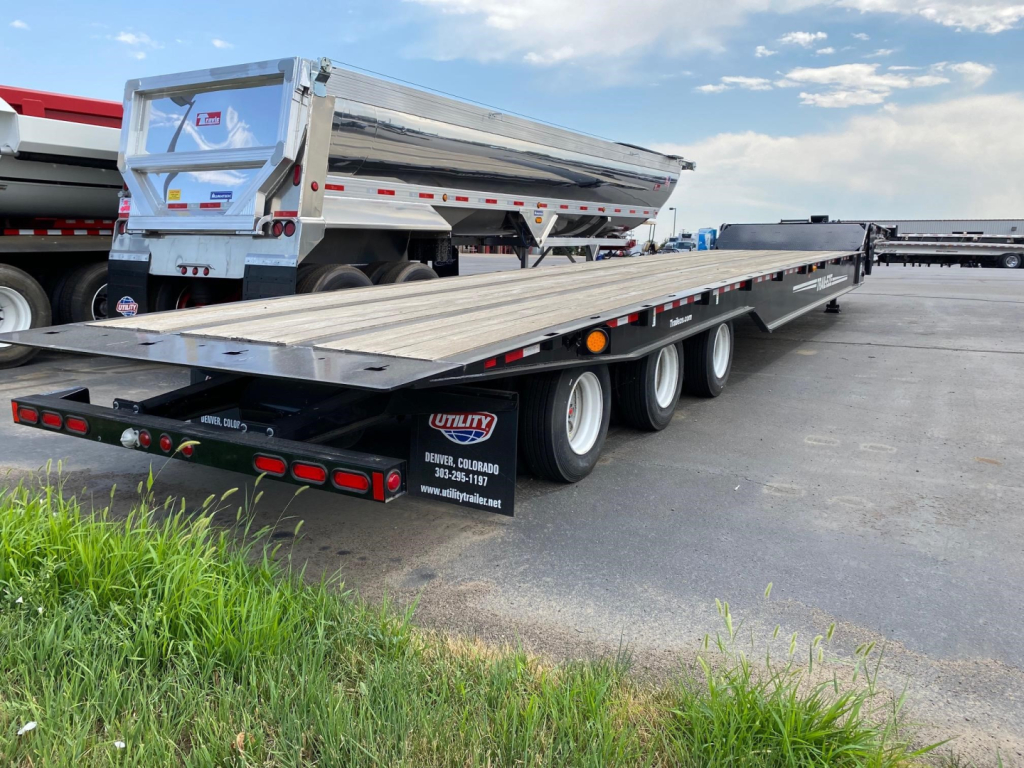
A big buying decision in this category is loading method. Hydraulic tail trailers are popular for frequent loading cycles because they speed up loading, reduce ramp handling, and work well with rubber-tired equipment. Traditional ramp-style equipment trailers can be simpler and lighter depending on the build. Lowboy and tilting configurations help reduce load angle and overall loaded height, which matters when hauling taller machines or running under bridge and route restrictions. Common specs across Trail-Eze trailers include steel construction, spring or air ride suspensions depending on the model, electric or air brakes, tandem or tridem axle groups, hardwood or steel deck options, and tie-down layouts designed for real equipment securement.
Capacity should be matched to more than just the operating weight of the machine. Buyers should also account for buckets, attachments, fuel, chain weight, and the balance point needed to maintain proper tongue weight or kingpin load. Deck length and usable deck space matter just as much as GVWR, especially for mixed fleets hauling different machine sizes through the week. On Colorado routes, elevation changes, long grades, and rough access roads can make axle rating, tire selection, brake performance, and frame rigidity more important than they look on paper. Features such as traction aids on the deck, LED lighting, toolbox packages, winches, and heavy-duty fenders can also make a measurable difference in daily uptime.
Trail-Eze trailers are commonly chosen by contractors, equipment rental companies, road crews, utility operators, and farms that want a trailer built for repeated loading and tough service intervals. When comparing listings in this class, focus on payload range, loaded deck height, beavertail or tail design, suspension type, coupler style, and how the trailer will pair with the truck that pulls it. A trailer that looks similar on spec sheet basics can perform very differently once it is loaded every day on uneven ground, steep approaches, and changing weather conditions.
Frequently Asked Questions about New Trail-Eze Trailers in Colorado
What types of Trail-Eze trailers are most common in this category?
Trail-Eze is commonly associated with equipment trailers, tag trailers, lowboy trailers, tilt trailers, and hydraulic tail trailers. These designs are used to haul construction and industrial equipment such as skid steers, mini excavators, rollers, pavers, and tractors. The exact configuration depends on required payload, loading preference, and the size and height of the machines being transported.
Why do many buyers choose a hydraulic tail trailer?
A hydraulic tail trailer reduces manual ramp handling and speeds up loading and unloading, especially for fleets that move equipment several times per day. It can also improve loading safety and efficiency for rubber-tired machines and compact equipment. The tradeoff is that hydraulic systems add complexity and weight, so buyers should consider maintenance access, cycle frequency, and the trailer's intended duty level.
What specs matter most when comparing new Trail-Eze trailers?
The most important specs are GVWR, payload capacity, deck length, loaded deck height, axle count, brake type, suspension, and loading style. Buyers should also evaluate tie-down placement, deck material, tire size, coupler or hitch configuration, and how the trailer balances the machine load. A trailer that matches the machine's footprint and weight distribution will usually perform better than one chosen on capacity alone.
Are Trail-Eze trailers a good fit for Colorado hauling conditions?
They can be a strong fit for Colorado because equipment-hauling trailers often need to handle elevation, long grades, rough roads, and changing jobsite conditions. Buyers in Colorado should pay close attention to brake performance, axle ratings, tire quality, and overall frame construction. Deck height and loading angle are also important when moving taller machines through mountain routes or uneven access points.
How should a buyer match a trailer to the equipment being hauled?
Start with the machine's true transport weight, including attachments, buckets, tools, and fuel, then compare that total to the trailer's payload rating and deck space. Next, look at machine width, track or tire style, center of gravity, and loading angle requirements. The goal is to choose a trailer that supports safe weight distribution, secure tie-down placement, and practical day-to-day loading rather than simply meeting the minimum capacity number.