
New 2026 Utility Trailers For Sale
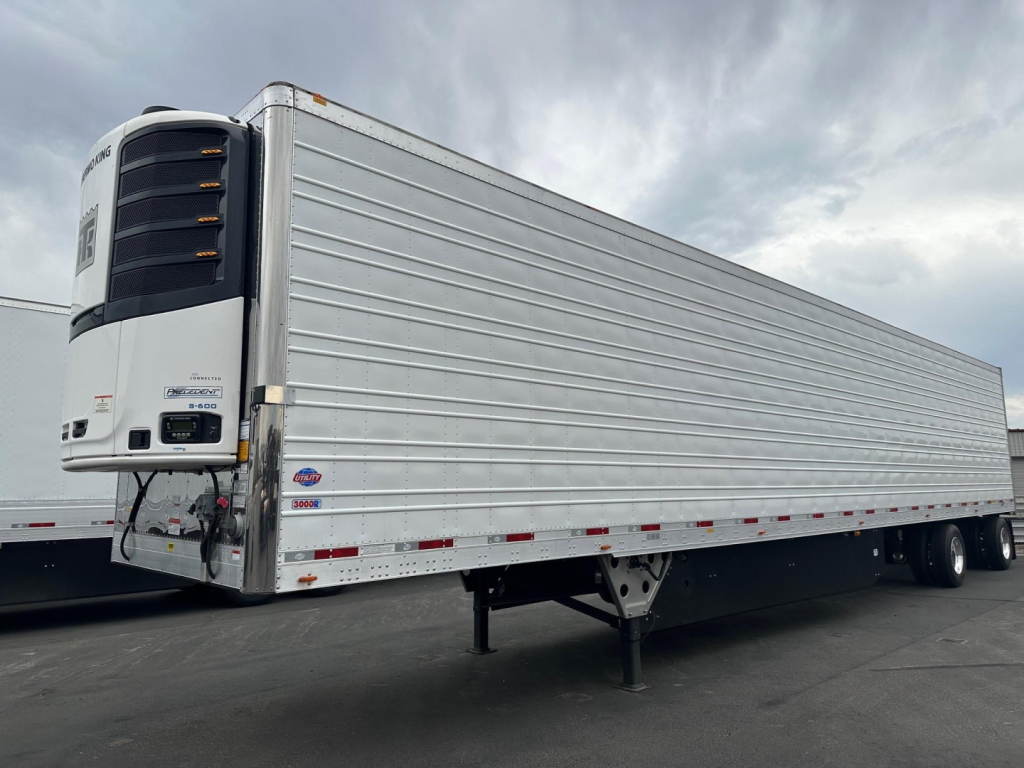
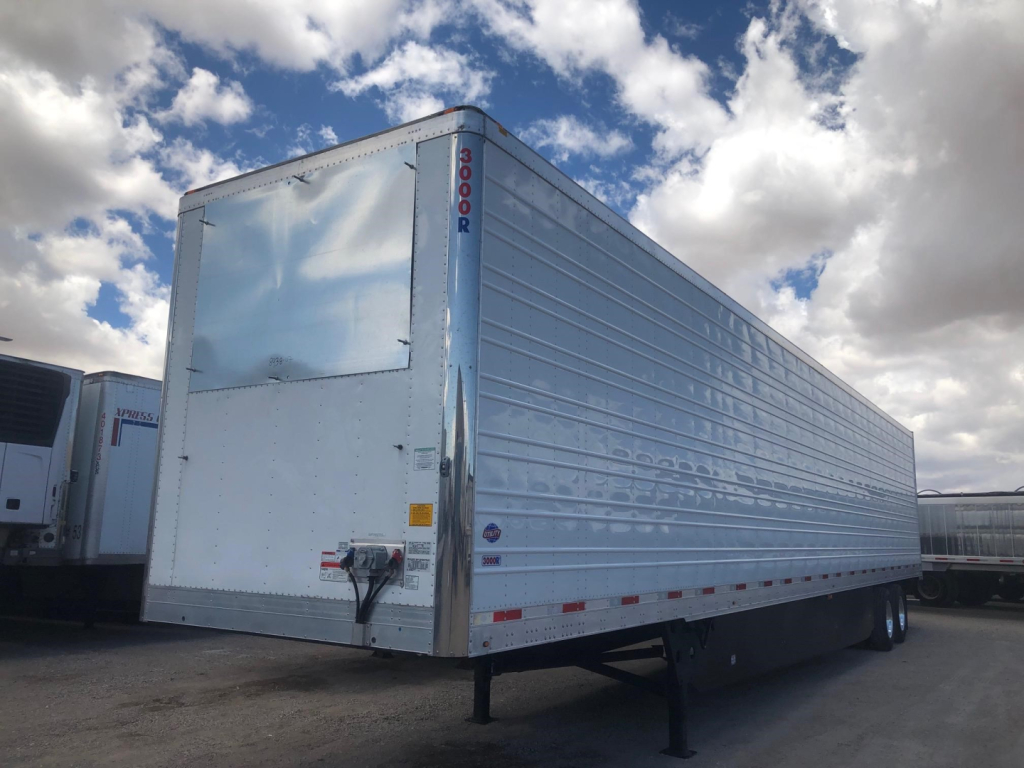
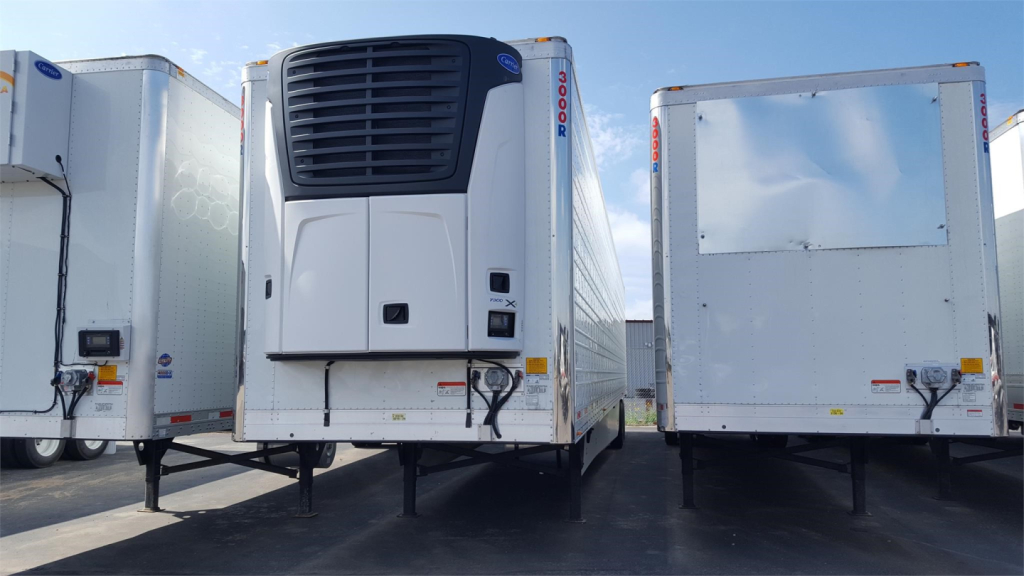
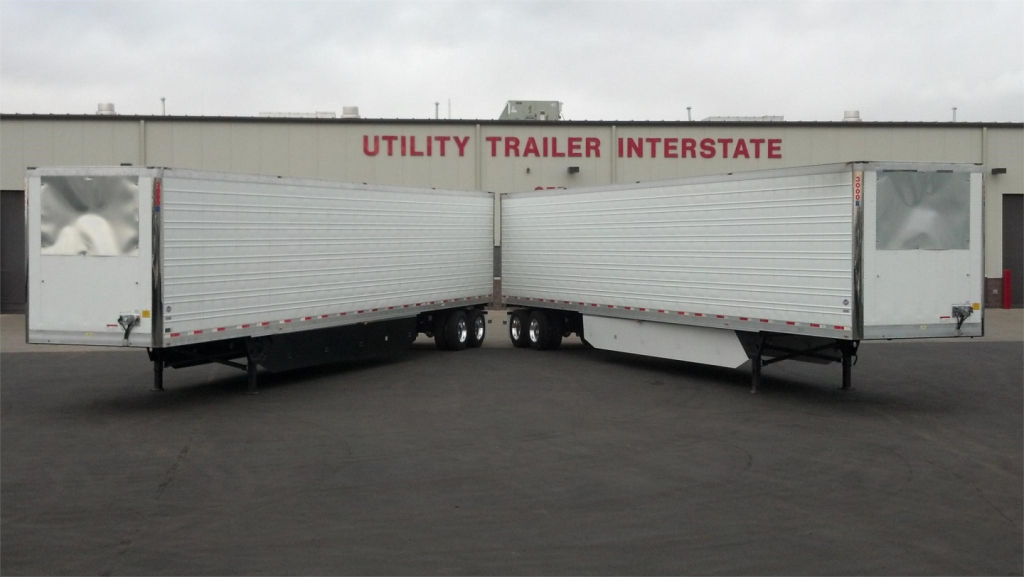
Shop new 2026 Utility trailers including dry van and reefer models. Compare specs, axle setups, wheel options, and suspension features.
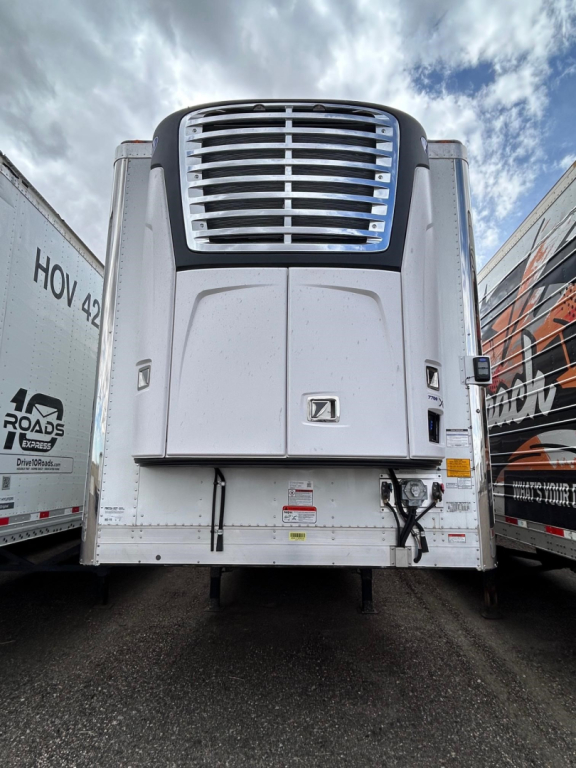
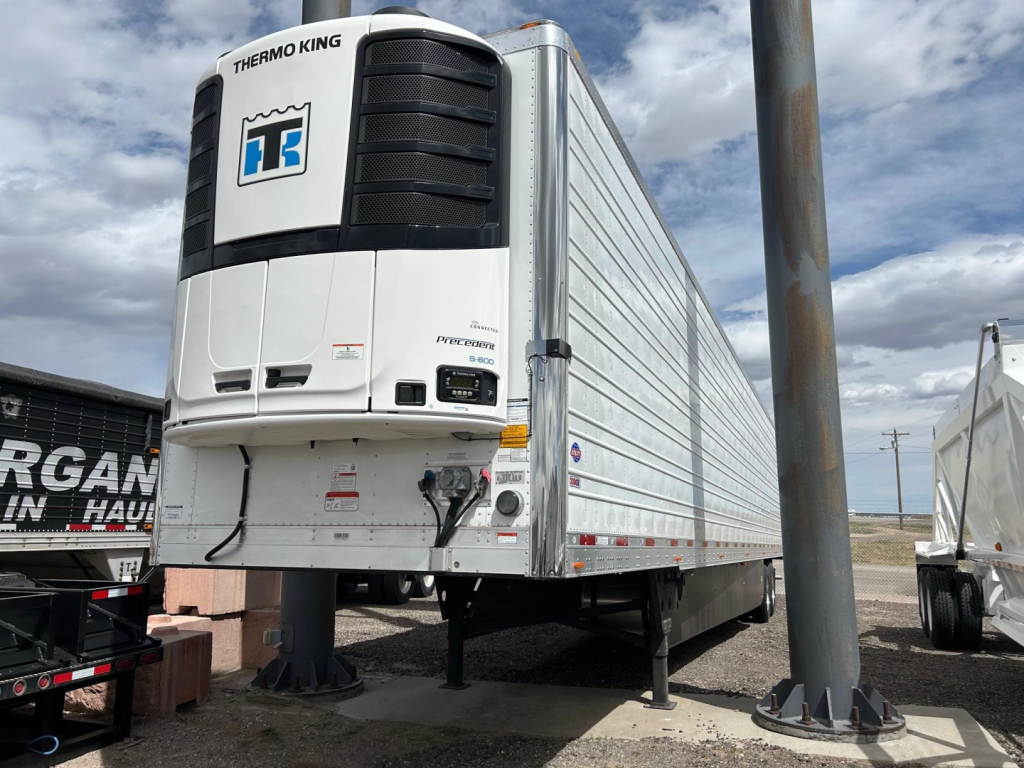
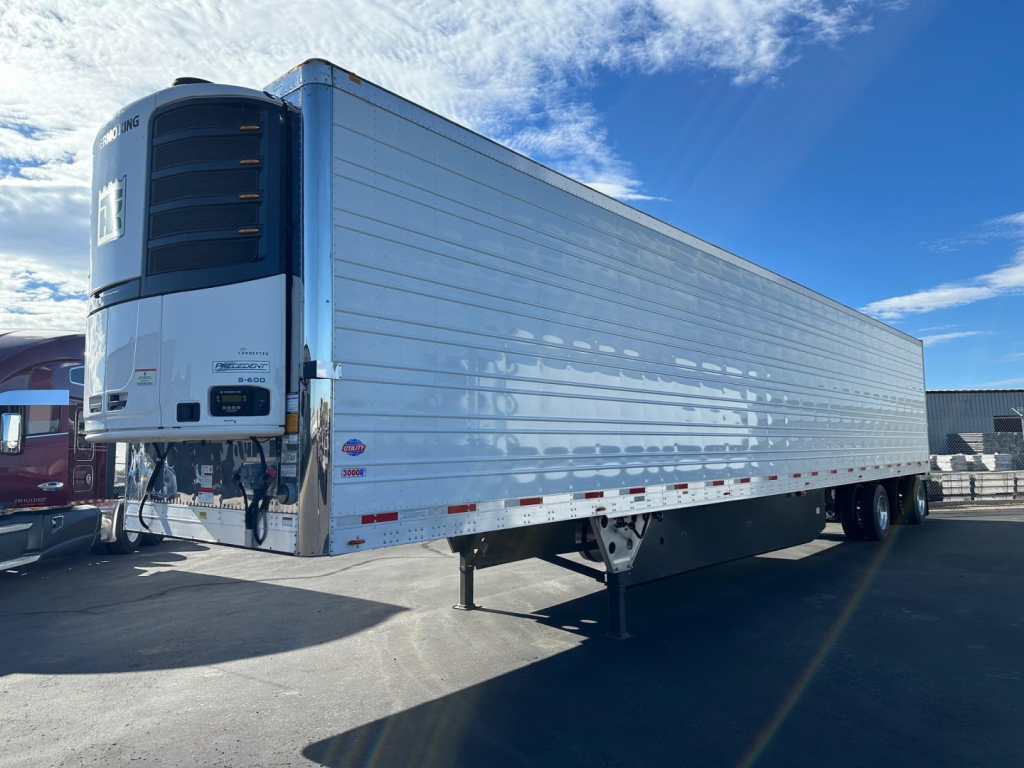
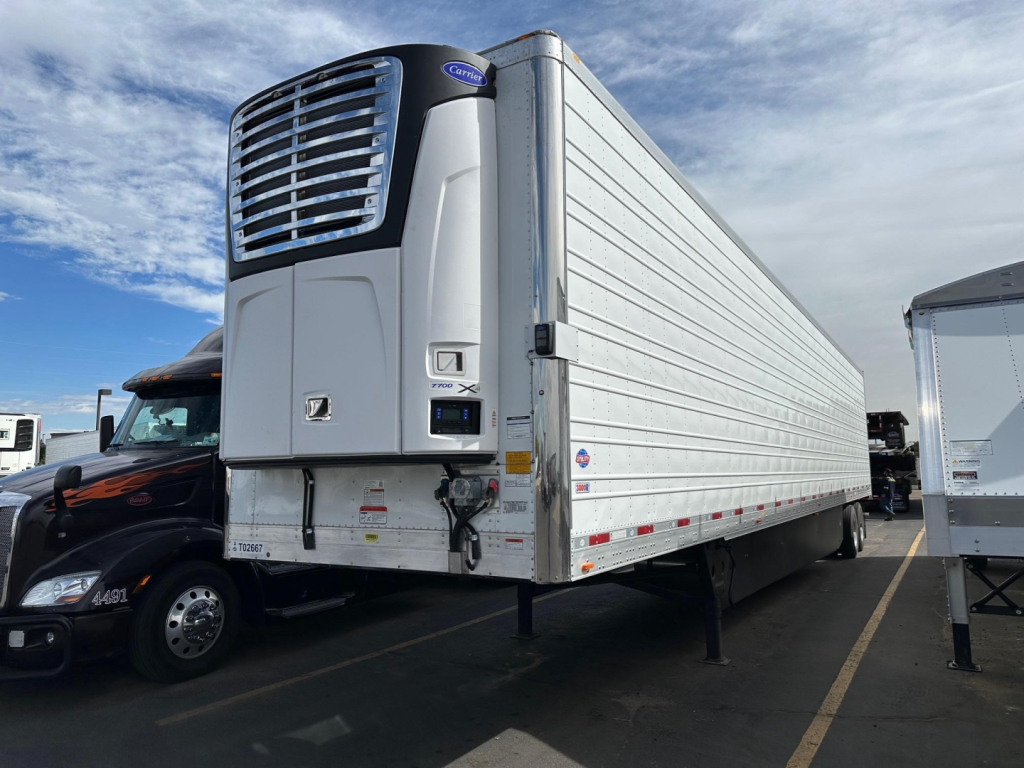
Selling a new 2026 utility trailer? List your new 2026 utility trailer for sale and reach thousands of commercial buyers.
New 2026 Utility Trailers
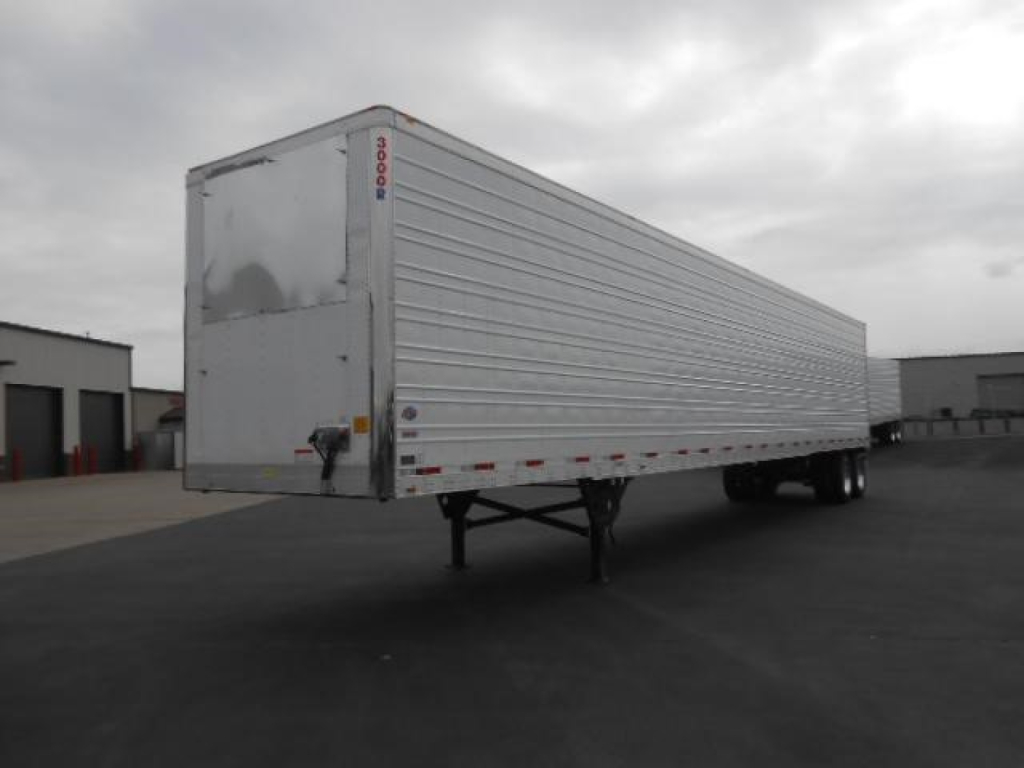
For dry van buyers, the Utility DX line is often evaluated on roof construction, lining package, floor rating, rear frame durability, and wheel-end spec. Common configurations include 22.5-inch tires, aluminum or steel wheels, air ride suspension, and sliding tandem axle groups. Aluminum wheels can help trim weight and improve appearance, while steel wheels are often selected for lower replacement cost and fleet standardization. Sliding tandems matter if your operation regularly adjusts bridge law compliance, kingpin-to-rear axle measurements, or dock positioning across different states and shippers. Floor type, threshold reinforcement, scuff liner height, and interior logistics posts are worth close attention if the trailer will see mixed freight, high forklift traffic, or load bars and decking systems.
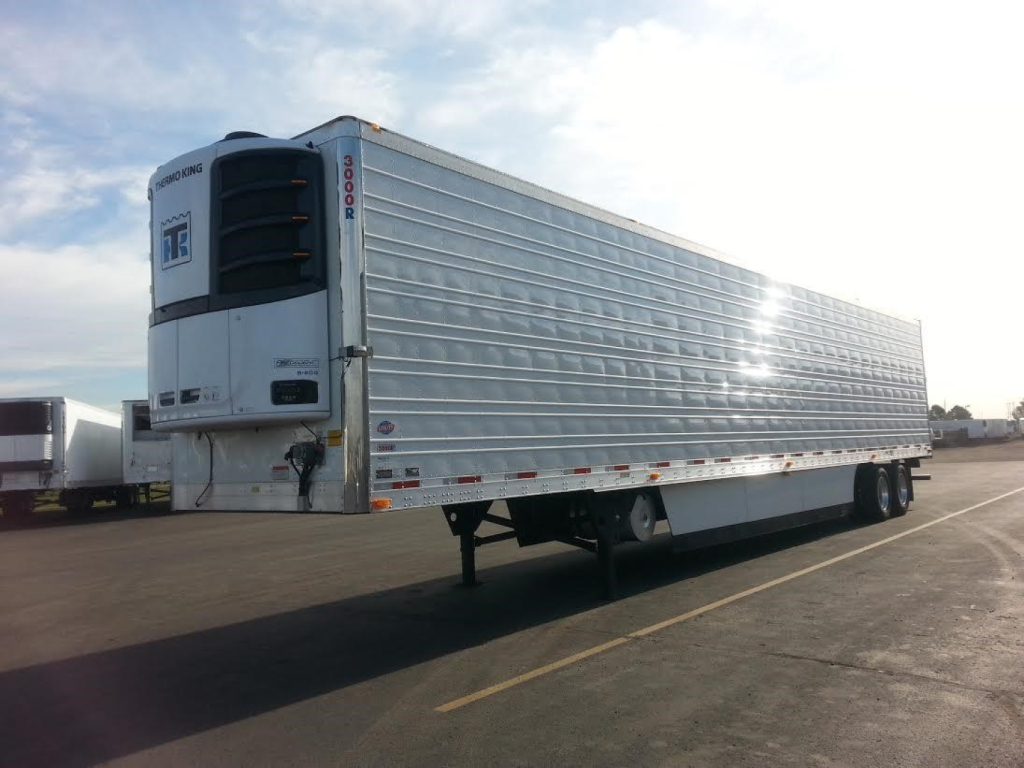
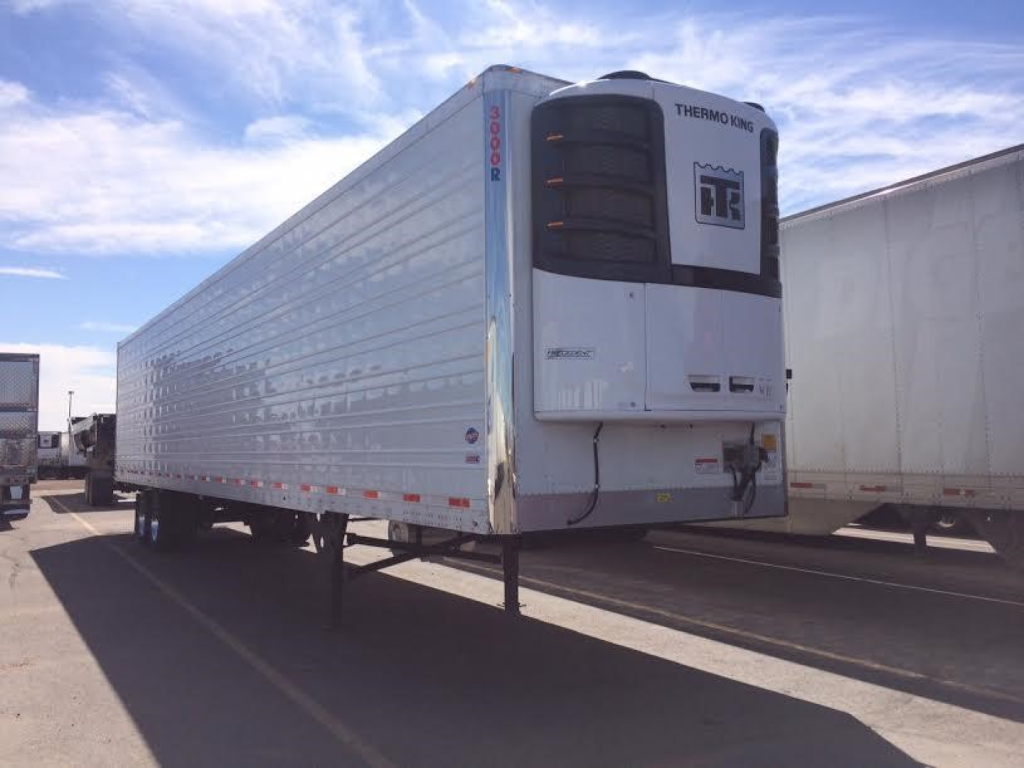
On refrigerated Utility trailers, insulation package, unit compatibility, air chute design, floor type, and door seal quality have a direct effect on temperature management and operating cost. Reefer buyers should look closely at bulkhead layout, return-air management, sidewall integrity, and how the trailer is spec'd for washout-heavy food service or long-haul produce work. A newer trailer can also mean cleaner telematics integration, current lighting and ABS configurations, and less near-term downtime tied to door hardware, suspension wear items, or structural repairs. If payload is critical, tare weight should be compared against durability features like heavier floors, extra scuff protection, and reinforced rear impact structures.
Utility trailers tend to fit fleets that want predictable resale value, familiar maintenance practices, and straightforward spec choices across van and reefer applications. The best buying decision usually comes down to freight profile, loading method, lane density, and maintenance philosophy. A trailer pulling dense packaged freight on regional turns may need a different wheel, suspension, and floor spec than one running long-haul retail or multi-stop refrigerated distribution. Looking at axle spacing, wheel material, suspension type, tire size, and cargo-control readiness up front usually tells you more than the badge alone.
Frequently Asked Questions about New 2026 Utility Trailers
What are the main differences between a Utility dry van trailer and a Utility reefer trailer?
A Utility dry van trailer is built for non-temperature-controlled freight such as retail goods, paper products, and general palletized cargo. A Utility reefer trailer adds insulated walls, roof, and floor construction along with refrigeration-unit compatibility and tighter sealing to maintain set temperatures. Reefer trailers usually carry higher acquisition and maintenance costs, but they are necessary for food-grade, frozen, chilled, or other temperature-sensitive loads.
Why does sliding tandem axle spacing matter on a new Utility trailer?
Sliding tandems give the operator flexibility to shift axle position for bridge law compliance, weight distribution, and dock approach needs. This matters in multi-state operations where kingpin settings and axle placement can affect legal loadability. A sliding tandem setup is especially useful for carriers handling varying pallet counts, mixed-density freight, or customer locations with tight dock geometry.
Should I choose aluminum wheels or steel wheels on a new Utility trailer?
Aluminum wheels are typically chosen to reduce weight, resist corrosion, and improve trailer appearance, which can matter in leased fleets and resale planning. Steel wheels generally cost less up front and are often easier to standardize across large fleets focused on replacement cost control. The better option depends on how much you value tare weight savings, cosmetic condition, maintenance environment, and lifecycle cost.
What specs matter most when buying a new Utility dry van trailer?
The most important dry van specs usually include floor rating, suspension type, axle configuration, tire and wheel package, roof construction, rear frame reinforcement, and cargo-control features such as logistics posts and scuff liners. Buyers should also confirm interior dimensions, door opening height, and threshold durability based on loading equipment and freight mix. These items affect payload, forklift survivability, cargo securement flexibility, and long-term maintenance cost.
What should reefer buyers check besides the refrigeration unit?
The trailer body matters as much as the refrigeration unit because insulation quality, door seal performance, floor design, bulkhead configuration, and return-air management all influence temperature hold and fuel efficiency. Buyers should also consider washout requirements, food-grade lining condition, and how the trailer is spec'd for multi-temp or single-temp service. A well-matched reefer body helps protect product, reduce temperature swing, and control operating cost over the life of the trailer.