
New 2026 Utility Reefer Trailers For Sale
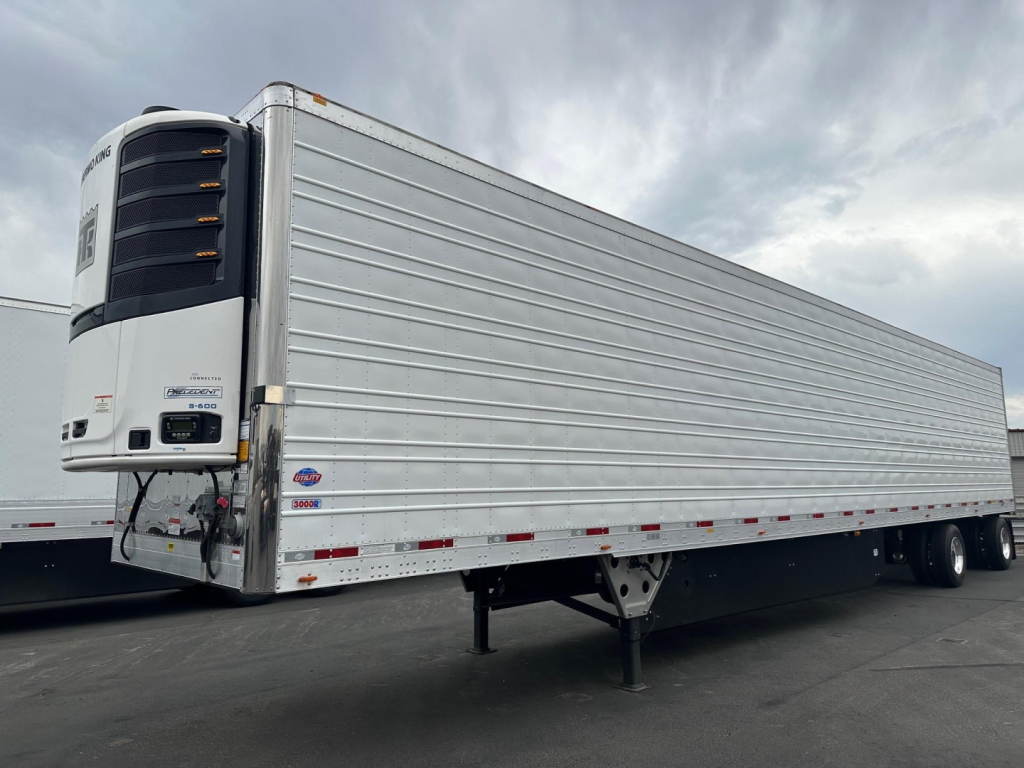
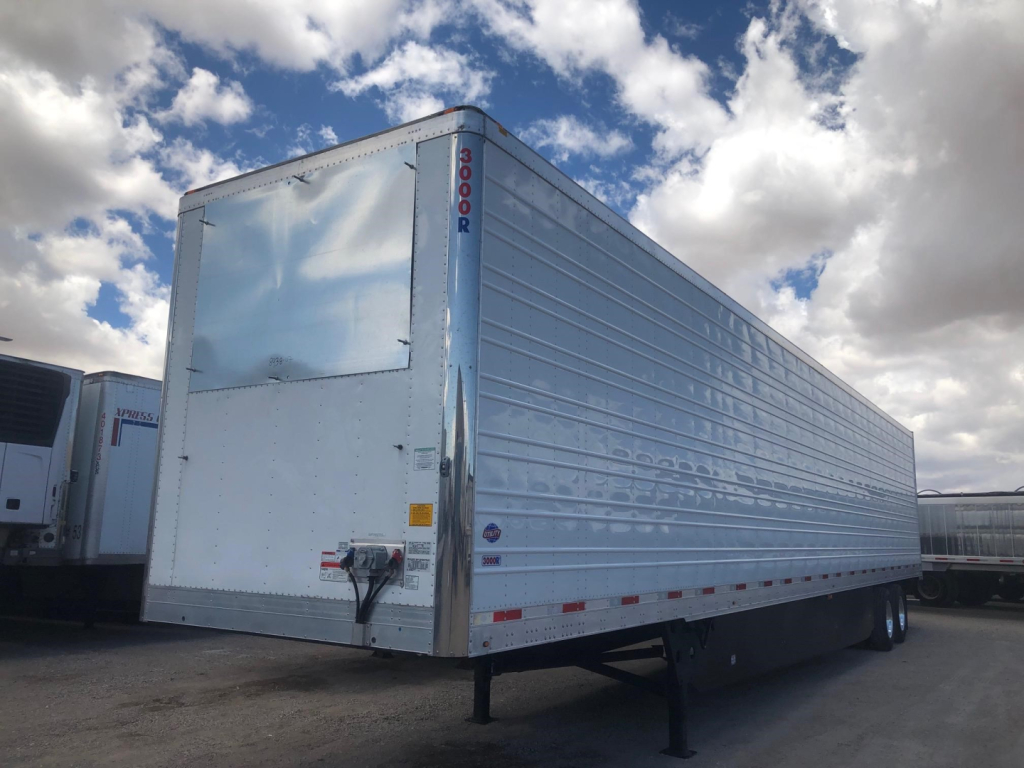
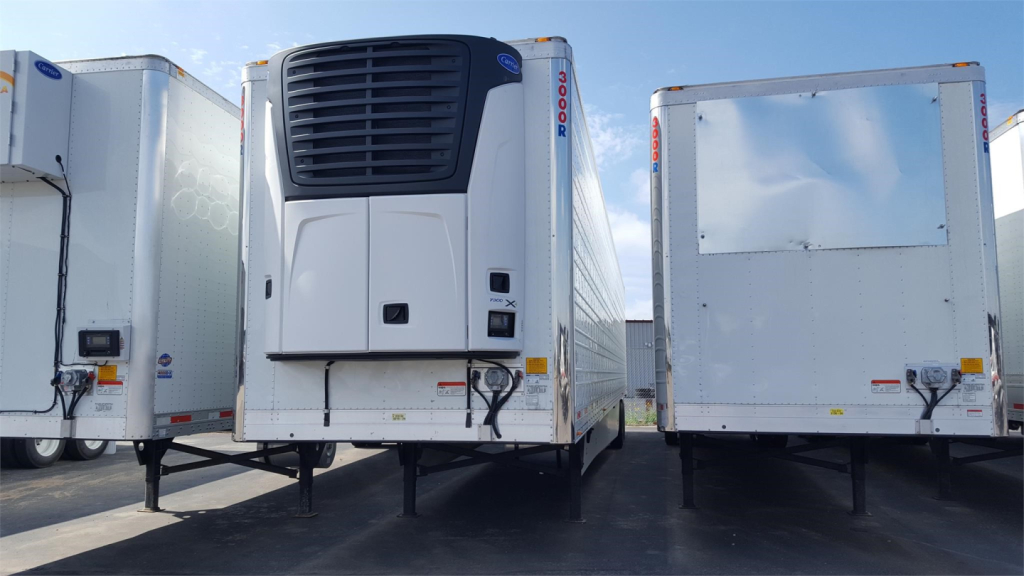
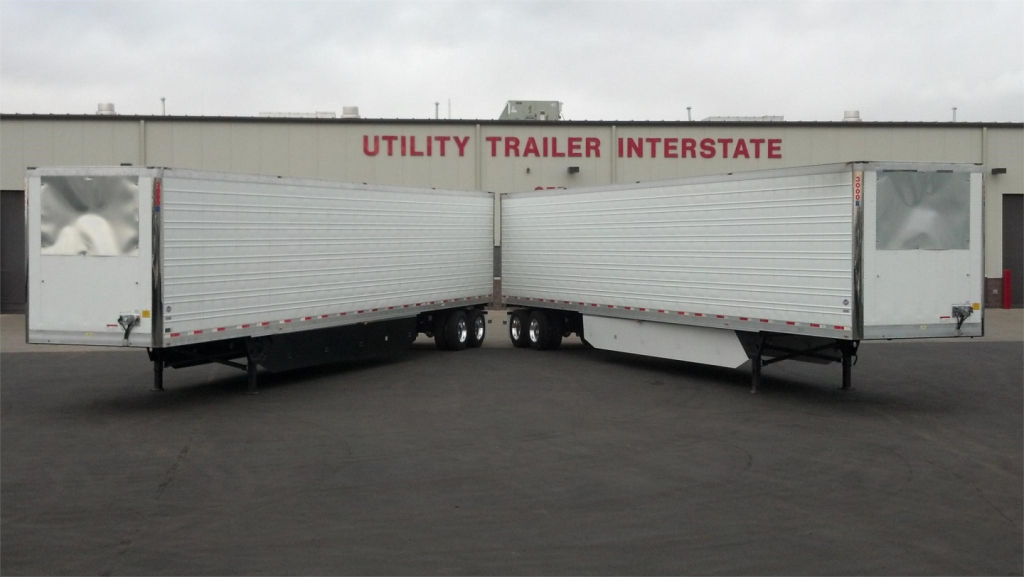
Shop new 2026 Utility reefer trailers, including 53' x 102" 3000R models with air ride, side skirts, duct floors, and spec options for cold freight.
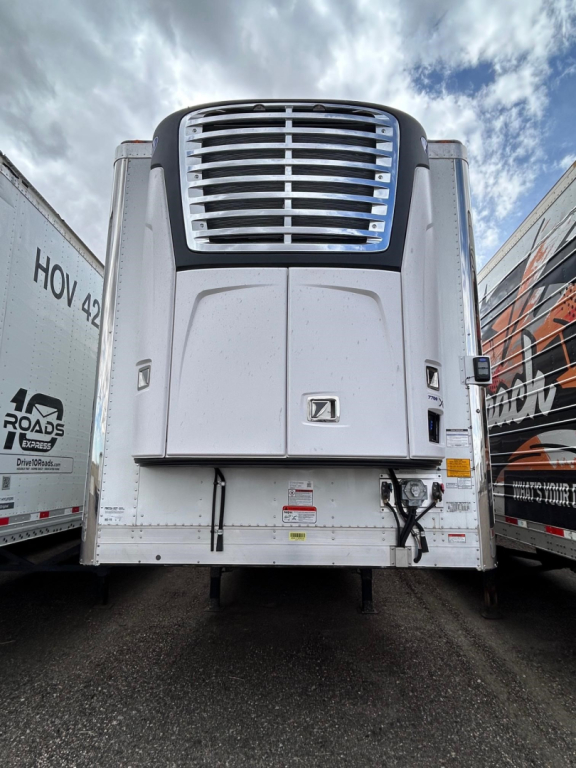
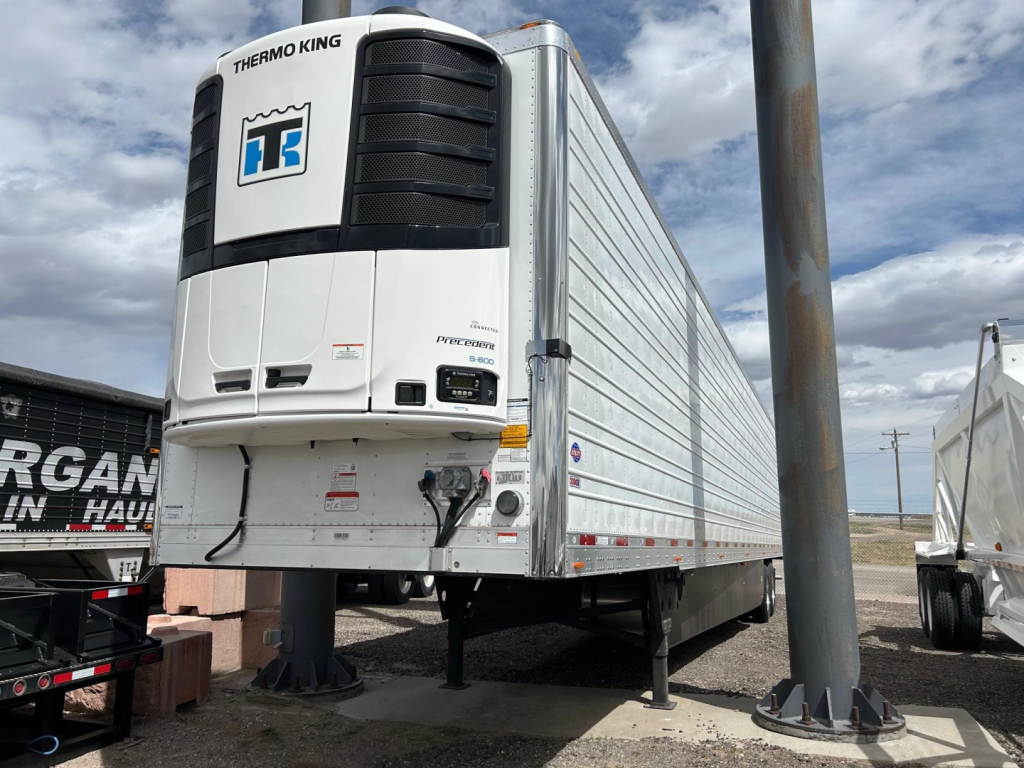
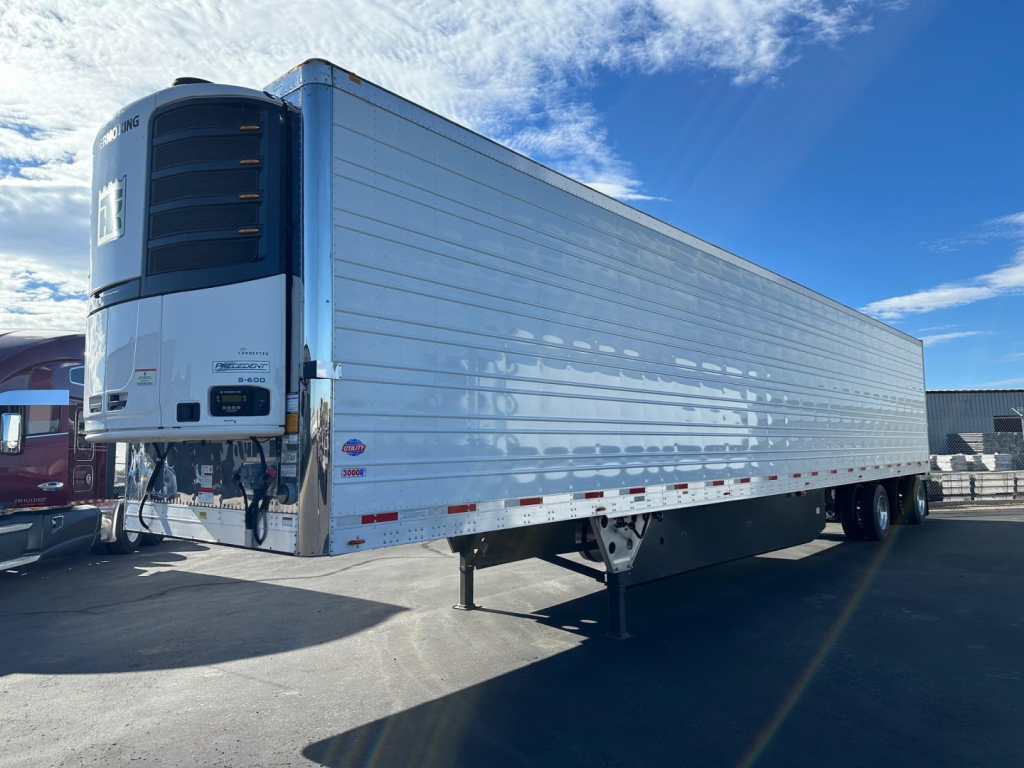
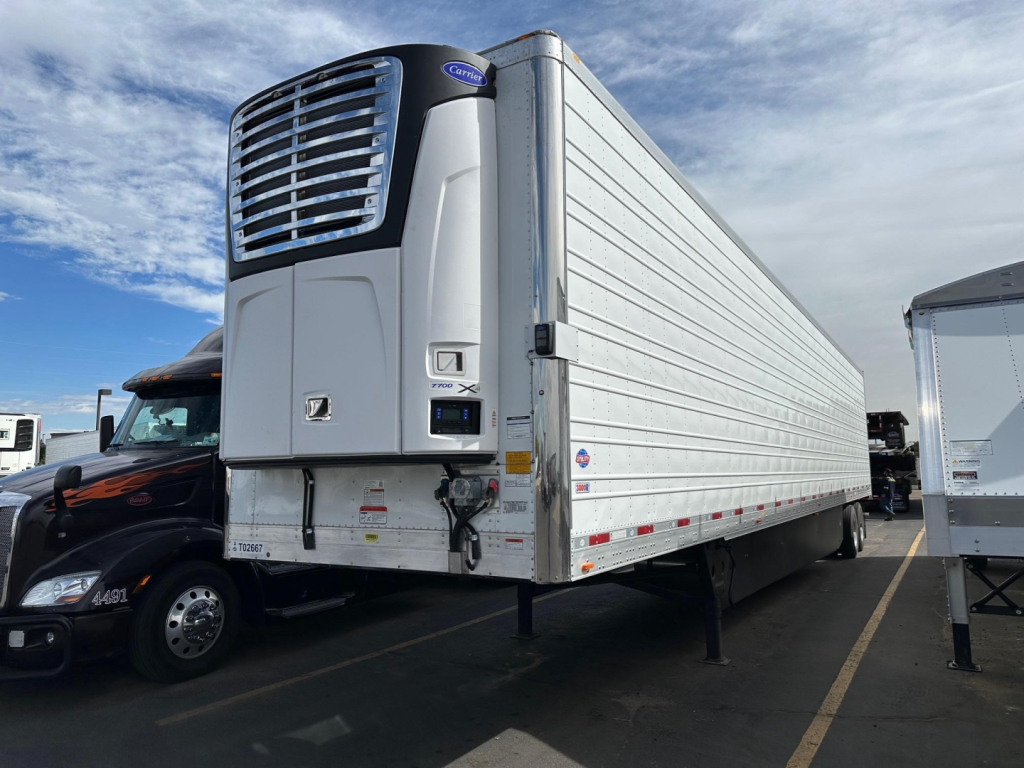
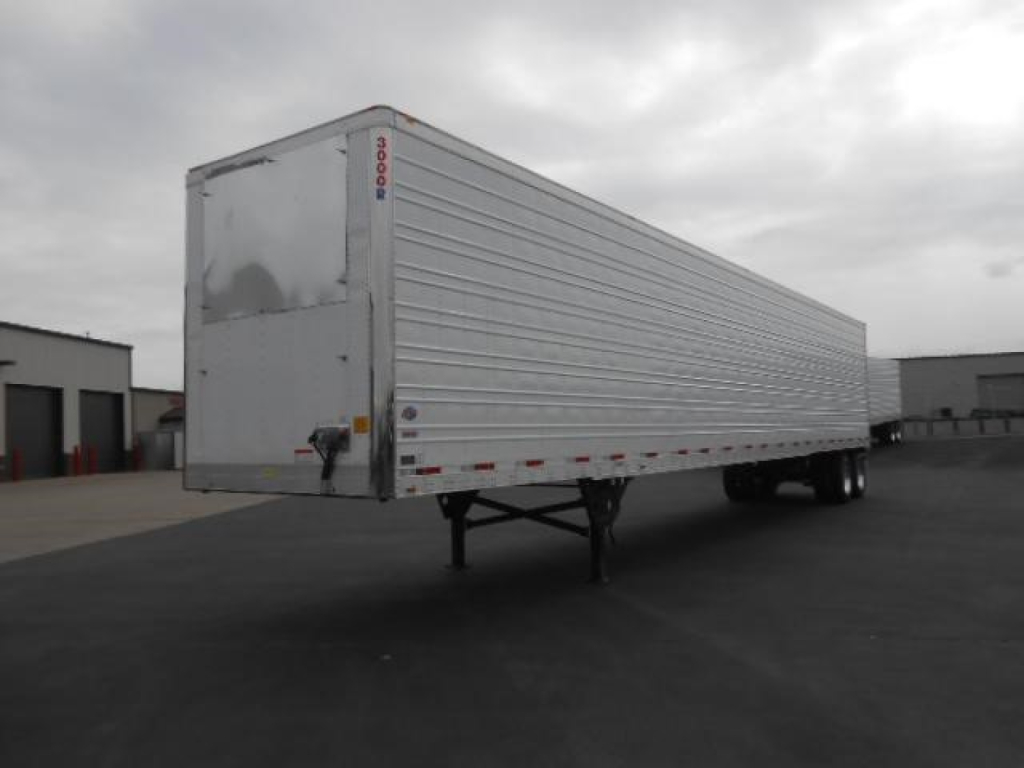
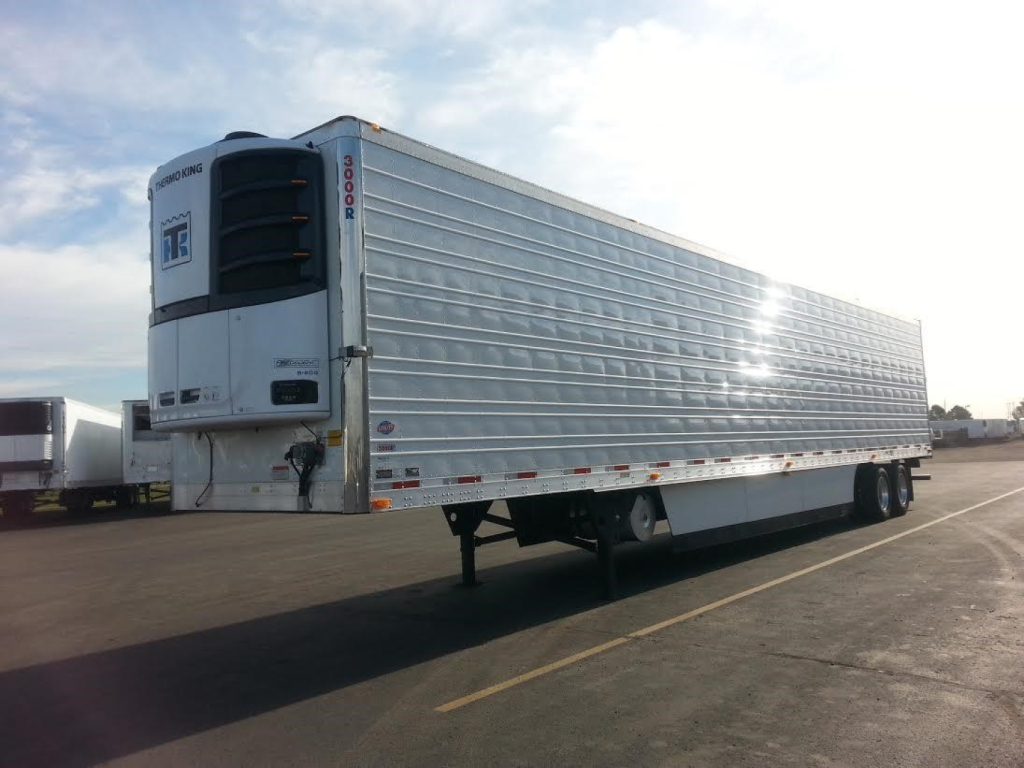
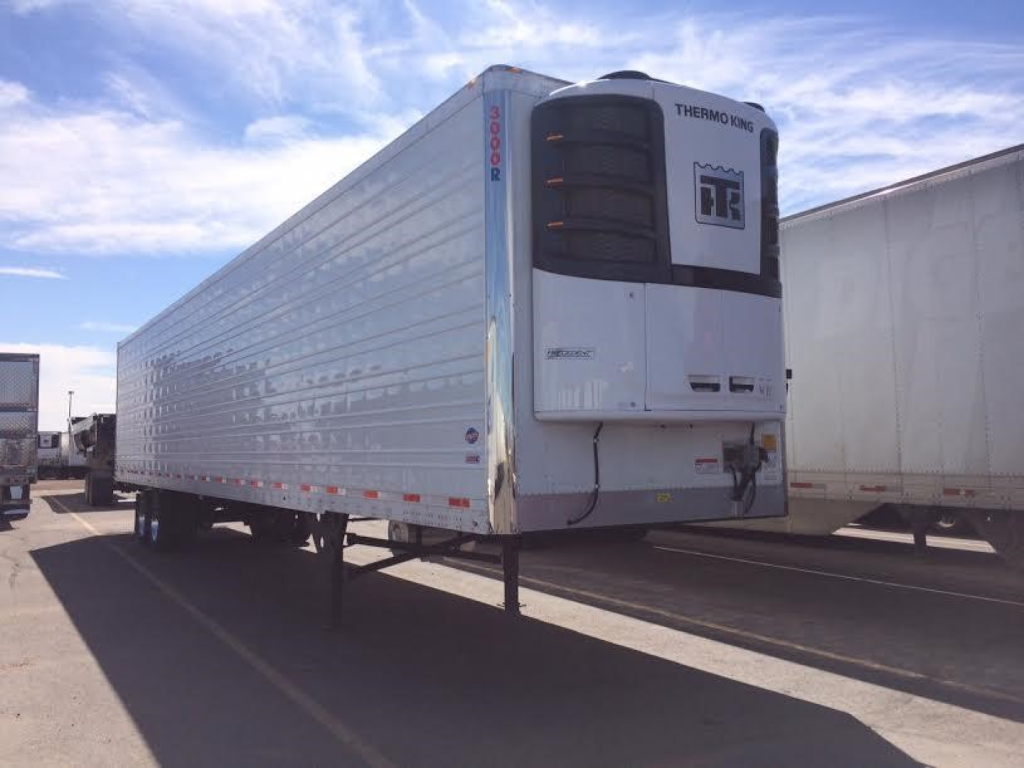
Selling a new 2026 utility reefer trailer? List your new 2026 utility reefer trailer for sale and reach thousands of commercial buyers.
New 2026 Utility Reefer Trailers
A lot of the buying decision comes down to how the trailer is spec’d behind the box. Common setups include Hendrickson air ride suspensions, air-operated slider pins, anti-dock walk systems, and either closed tandem or sliding spread configurations. A sliding spread can matter for California bridge compliance, while a closed tandem may be the simpler choice for standard over-the-road lanes. Tire inflation systems such as TireMaxx Pro are a popular spec on new reefer trailers because they help protect fuel economy, tire life, and roadside uptime. Wheel material split also matters. All-aluminum wheels reduce weight and improve appearance, while mixed aluminum and steel wheel packages can lower acquisition cost.
Inside the trailer, floor and wall details have a direct impact on product protection and washout life. Utility reefer trailers are often equipped with aluminum duct floors to maintain consistent air movement under the load, along with wearbands that help protect the lower interior walls from pallet and forklift damage. Rear venting, quilted stainless rear doors, protective door hardware, and durable interior liners all support temperature control and long-term durability in high-cycle food service and distribution work. If the freight mix includes frozen product, ice cream, meat, dairy, or produce, pay close attention to floor condition, door seal quality, chute design, and the refrigeration unit’s airflow and pull-down performance.
For buyers shopping new 2026 Utility refrigerated trailers, the real question is how closely the trailer matches the lane and loading profile. A trailer running multi-stop urban delivery may need anti-dock walk protection, low-profile 22.5 tires, and durable rear hardware for constant dock contact. A long-haul produce trailer may prioritize aero side skirts, lighter wheel packages, and a proven Carrier or Thermo King refrigeration unit with California-compliant emissions status. Utility reefers have a strong reputation in grocery, cold chain, and general food distribution because the platform is straightforward to spec, familiar to most maintenance shops, and built around the features fleets actually use every day.
Frequently Asked Questions about New 2026 Utility Reefer Trailers
What is the most common size for a Utility reefer trailer?
The most common Utility reefer trailer configuration is 53 feet long by 102 inches wide. That size is standard for over-the-road refrigerated freight because it balances cubic capacity, dock compatibility, and legal highway dimensions. Most buyers in this category are looking at a Utility 3000R with that footprint, then narrowing the spec by suspension, axle spread, reefer unit, tire package, and interior options.
What is the difference between a closed tandem and a sliding spread on a reefer trailer?
A closed tandem places the rear axles close together and is common for general interstate operation. A sliding spread spaces the axles farther apart and is often chosen for bridge law compliance, especially in California-legal specs. The right choice depends on where the trailer will run, how often axle position needs to change, and whether the operation needs flexibility for state weight rules or dock maneuvering.
Why is an aluminum duct floor important on a refrigerated trailer?
An aluminum duct floor helps move cold air under the freight instead of only around it. That improves temperature consistency from front to rear when the trailer is loaded correctly. It also gives the interior a durable floor surface for pallet jack and forklift traffic. Buyers hauling produce, frozen foods, dairy, or mixed cold loads usually put a lot of value on floor design because poor airflow can create hot spots and claims.
Are tire inflation systems worth it on a new reefer trailer?
For many operations, yes. Automatic tire inflation systems such as TireMaxx Pro help keep trailer tires at the correct pressure, which supports better tire life, more stable handling, and fewer roadside events. On reefer trailers, downtime is especially expensive because missed delivery windows can put the load at risk. A tire system adds cost up front, but many buyers view it as a practical uptime and maintenance feature rather than an accessory.
What should buyers look for in a new Utility reefer besides the refrigeration unit?
The refrigeration unit gets most of the attention, but the trailer body spec matters just as much. Buyers should review the suspension type, axle layout, floor construction, interior liner, door design, wearband height, rear venting, side skirts, and wheel and tire package. It is also smart to confirm details such as anti-dock walk protection, slider pin operation, and California emissions compliance if the trailer will run on the West Coast. A reefer trailer performs best when the box, running gear, and unit are spec’d together for the freight and route.