
New 2026 Utility Reefer Trailers For Sale in Colorado
Shop new 2026 Utility reefer trailers for temperature-controlled freight, with 53-foot specs, air ride suspensions, side skirts, and CA-legal options.
Selling a new 2026 utility reefer trailer? List your new 2026 utility reefer trailer for sale and reach thousands of commercial buyers.
New 2026 Utility Reefer Trailers in Colorado
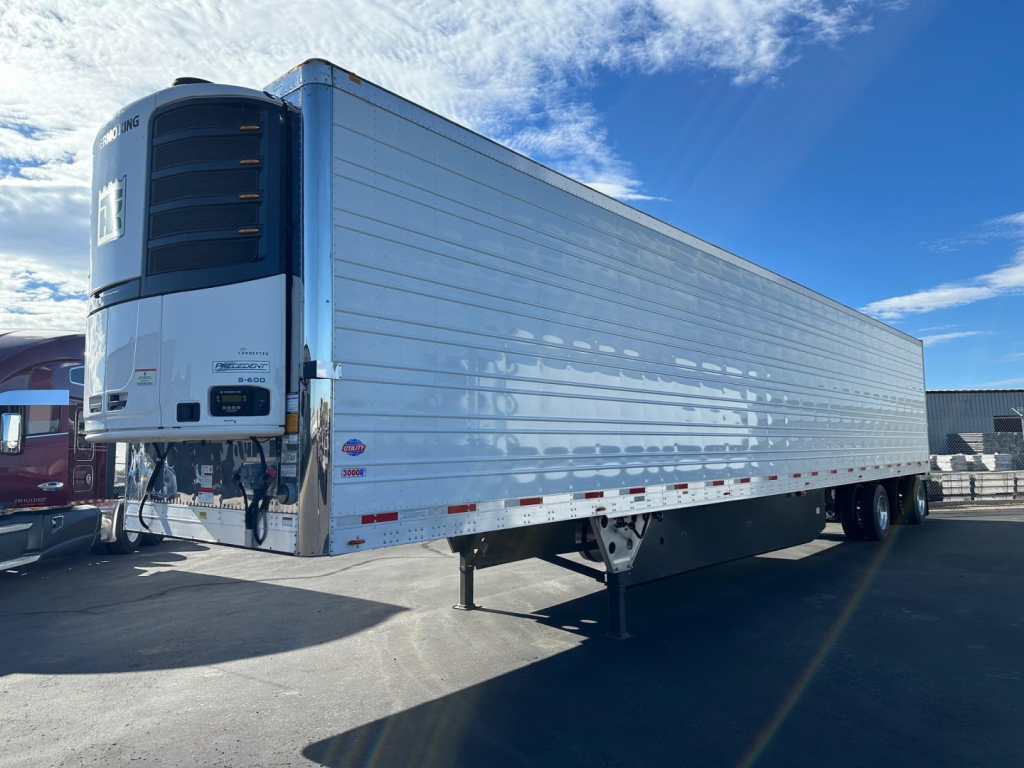
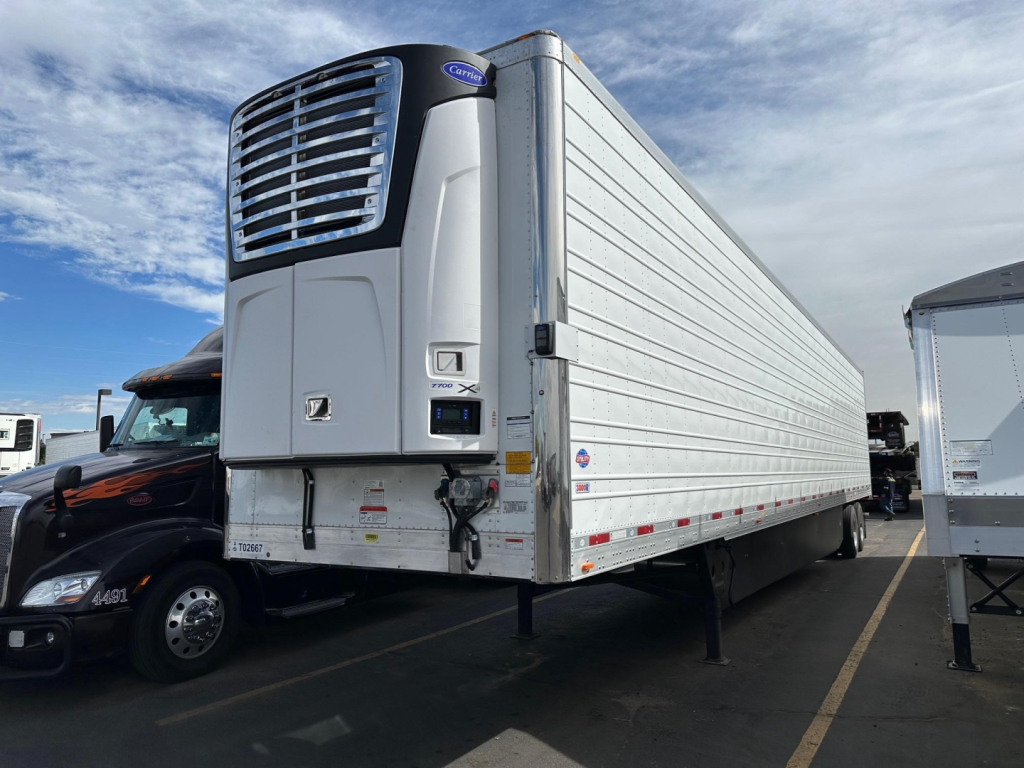
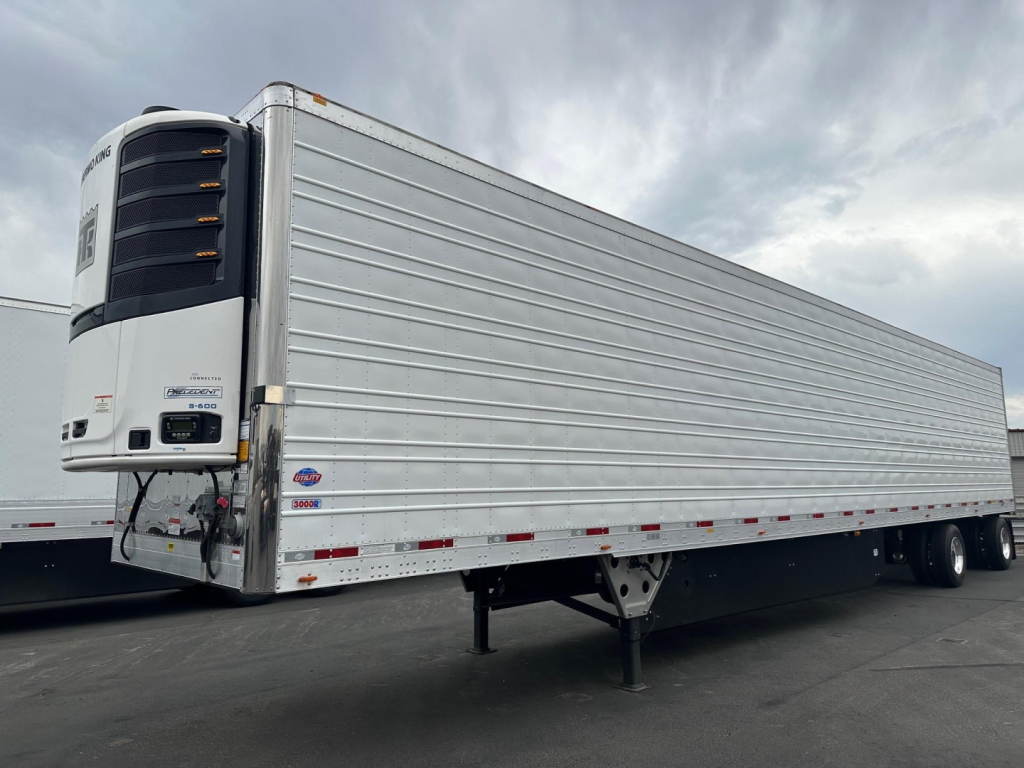
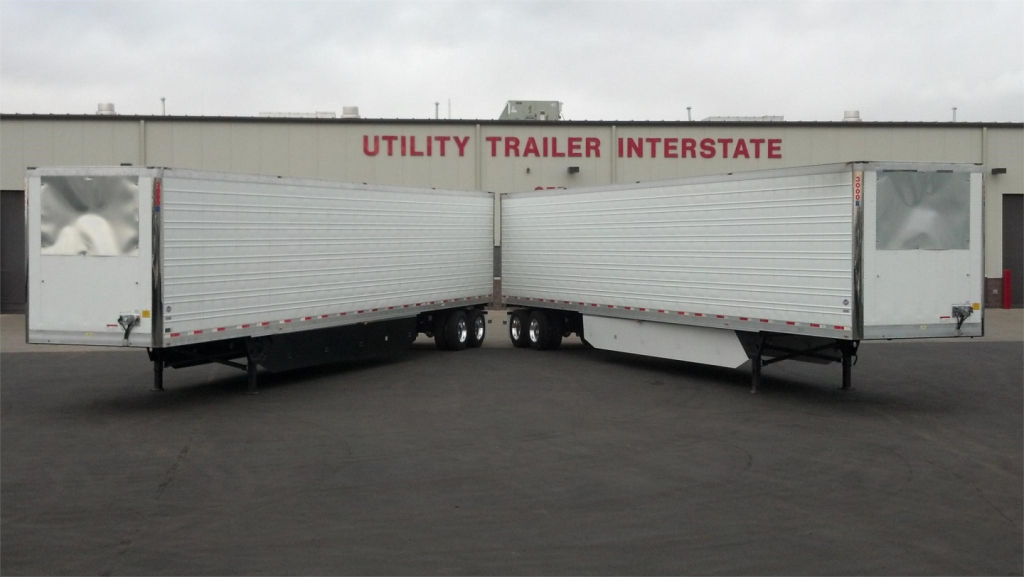
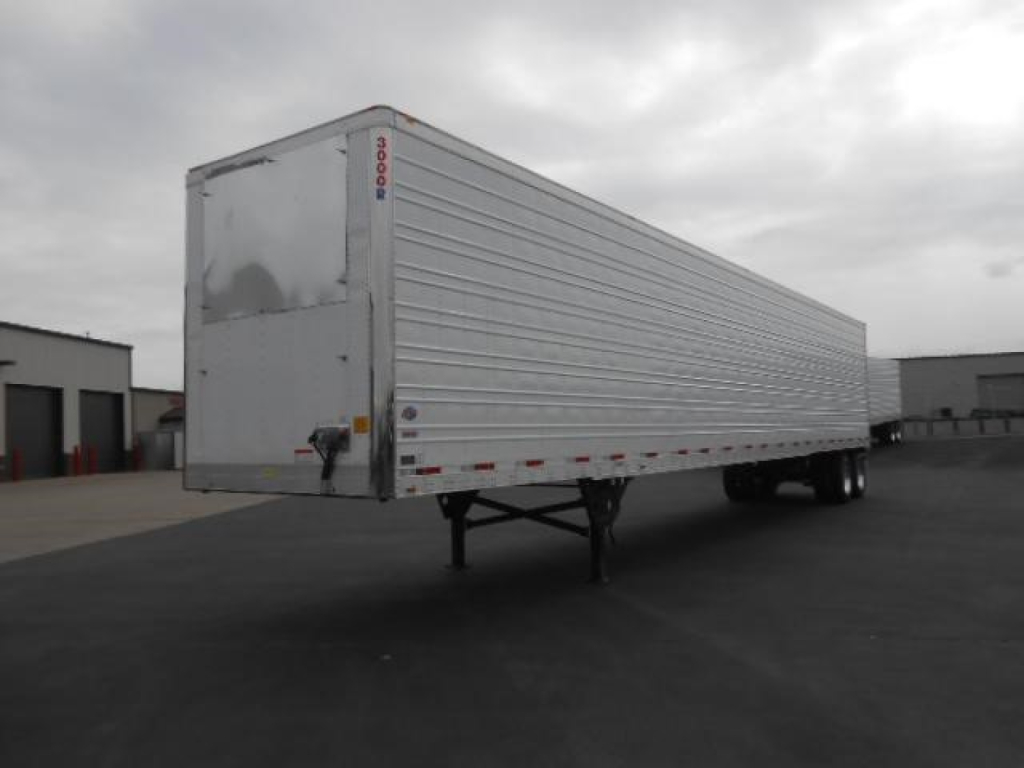
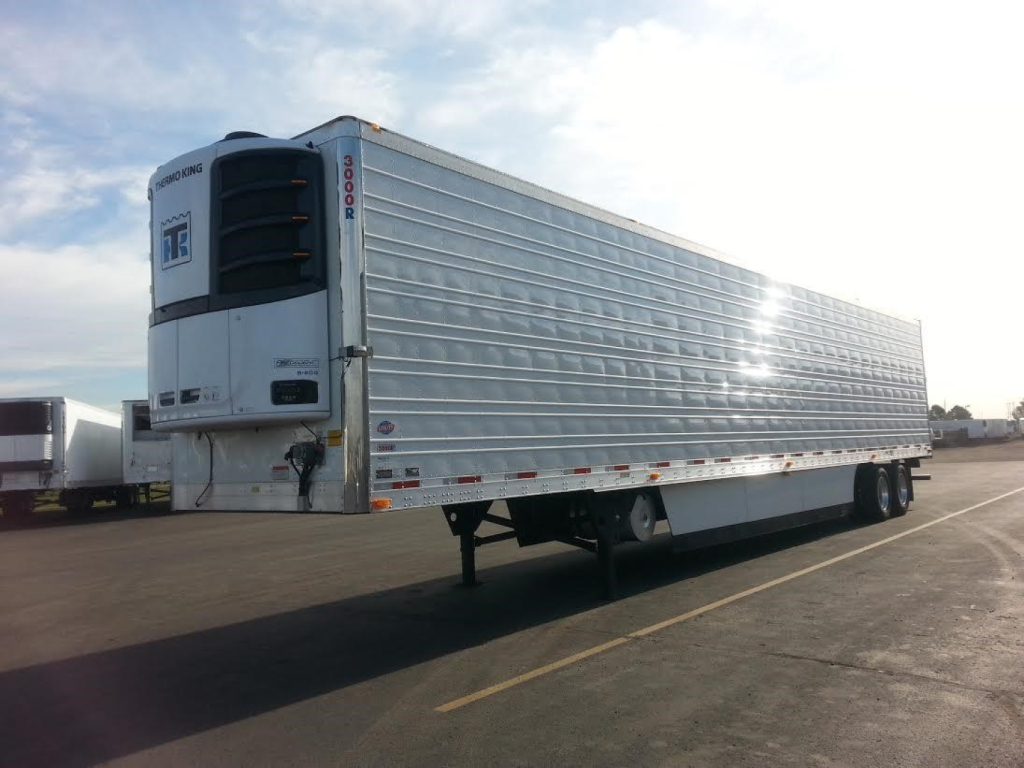
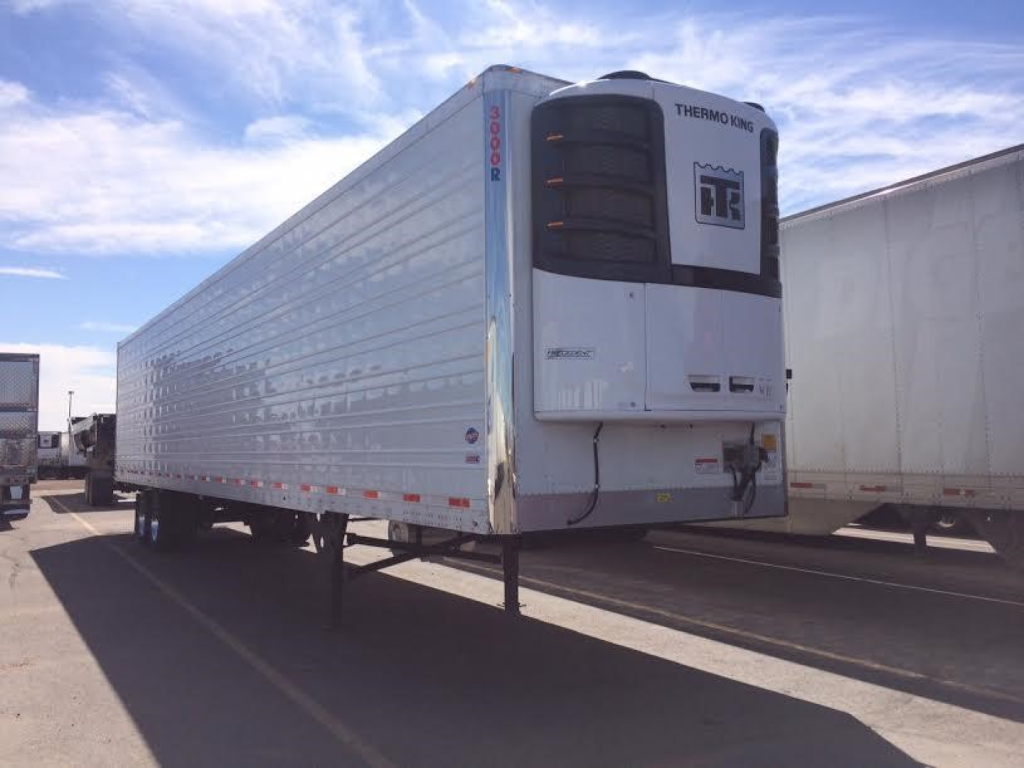
A typical 2026 Utility reefer spec includes corrugated side panels, stainless steel front corners, stainless rear hardware, and rear swing doors with quilted stainless construction. Inside, details like a duct floor, wearband height, chute, and interior liner matter as much as the refrigeration unit. An aluminum duct floor supports airflow under the load, while a 16-inch wearband helps protect the sidewalls from pallet and forklift damage. Versitex or similar interior linings are common for sanitation and washout durability. Buyers running grocery, produce, dairy, frozen freight, or mixed temp freight should pay close attention to rear vent configuration, door protector plates, and interior airflow management, since these directly affect pull-down performance and load consistency.
On the running gear side, many Utility reefers are spec'd with Hendrickson air ride, air-operated slider pins, anti-dock walk systems, side skirts, and tire inflation systems such as Tire Maxx Pro. Those features matter in daily use. Air ride helps protect sensitive freight and reduces trailer shock. An air pin slider speeds axle adjustments and reduces driver effort. Anti-dock walk improves dock safety during loading. Side skirts can improve fuel economy on high-mile applications, and automatic tire inflation helps control irregular wear and roadside downtime. Buyers in Colorado and across western lanes should also consider axle spacing and kingpin setting if they expect to cross into California regularly, since California-legal sliding spread configurations can expand routing options for temperature-controlled freight.
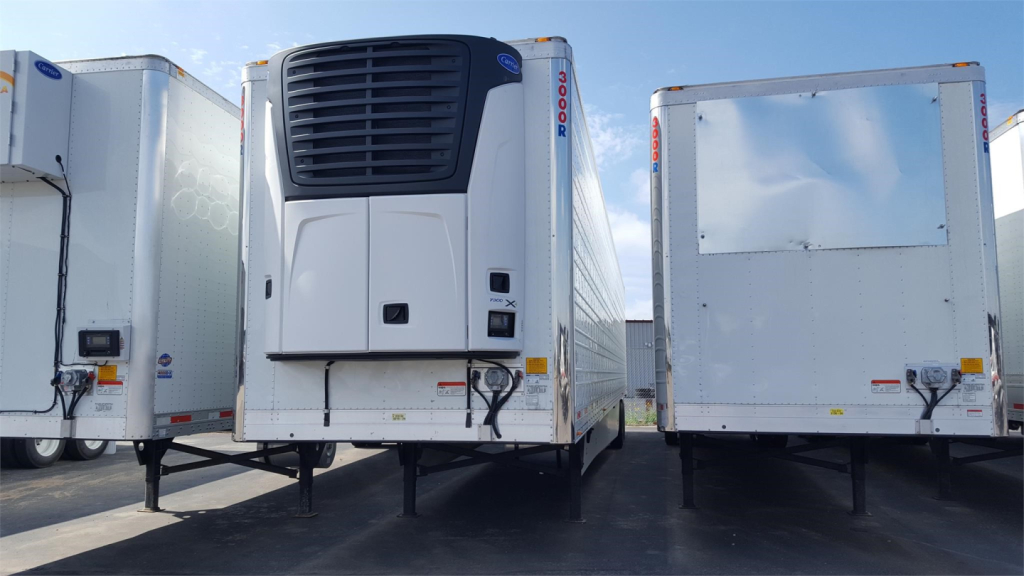
Reefer unit choice is another major buying decision. New 2026 Utility reefer trailers are commonly paired with Thermo King or Carrier units, and both are widely supported with established dealer networks. The right decision often comes down to fleet standardization, local service coverage, fuel efficiency, telematics preferences, and emissions compliance. Closed tandem and sliding spread layouts each serve different operations, while low-profile 22.5 tires, aluminum wheels, drum brakes, and stainless ICC bumpers remain common specs on road fleet trailers. For many buyers, the best Utility reefer is the one that matches freight profile, dock environment, and maintenance plan without over-spec'ing features that do not improve uptime.
Frequently Asked Questions about New 2026 Utility Reefer Trailers in Colorado
What size are most Utility reefer trailers?
Most Utility reefer trailers in over-the-road service are 53 feet long and 102 inches wide. That is the standard dry and refrigerated freight footprint for full truckload operations. Buyers should still confirm interior height, floor type, axle setting, and reefer bulkhead or chute configuration because those details affect cube, pallet count, and airflow.
What is the difference between a closed tandem and a California-legal sliding spread on a reefer trailer?
A closed tandem keeps the axles grouped in a standard tandem arrangement, which is common for general freight lanes and simpler weight distribution. A California-legal sliding spread uses wider axle spacing to meet California bridge and length requirements while still operating as a 53-foot reefer. That setup matters for fleets running produce, grocery, or frozen freight into California because it can open up legal routing and loading flexibility.
Which reefer unit is better, Thermo King or Carrier?
Neither brand is automatically better for every operation. Thermo King and Carrier both have strong market presence and broad service support. The better choice depends on your existing fleet standard, technician familiarity, local dealer access, parts availability, telematics preferences, and total operating cost. For multi-trailer fleets, standardizing on one unit brand often simplifies training, diagnostics, and parts stocking.
Why do features like duct floors, wearbands, and rear vents matter on a reefer trailer?
These are core functional specs, not cosmetic upgrades. A duct floor helps move cold air under and through the load, which supports more even temperature control. A wearband protects the lower interior walls from repeated pallet contact and forklift abrasion. A rear vent helps manage airflow and pressure inside the trailer, which can improve refrigeration performance depending on the freight and loading pattern.
Are side skirts and automatic tire inflation worth it on a new reefer trailer?
For many high-mileage reefer operations, yes. Side skirts can improve fuel economy over long highway runs, especially in regional and over-the-road service. Automatic tire inflation systems help maintain target tire pressure, which can reduce irregular tire wear, improve fuel efficiency, and lower the risk of roadside failures. These options are most valuable when the trailer is expected to run consistently and stay in service for several years.