
New 2026 Utility Trailers For Sale in Colorado
Shop new 2026 Utility trailers for sale, including dry vans, flatbeds, and drop decks with fleet-ready specs for highway freight.
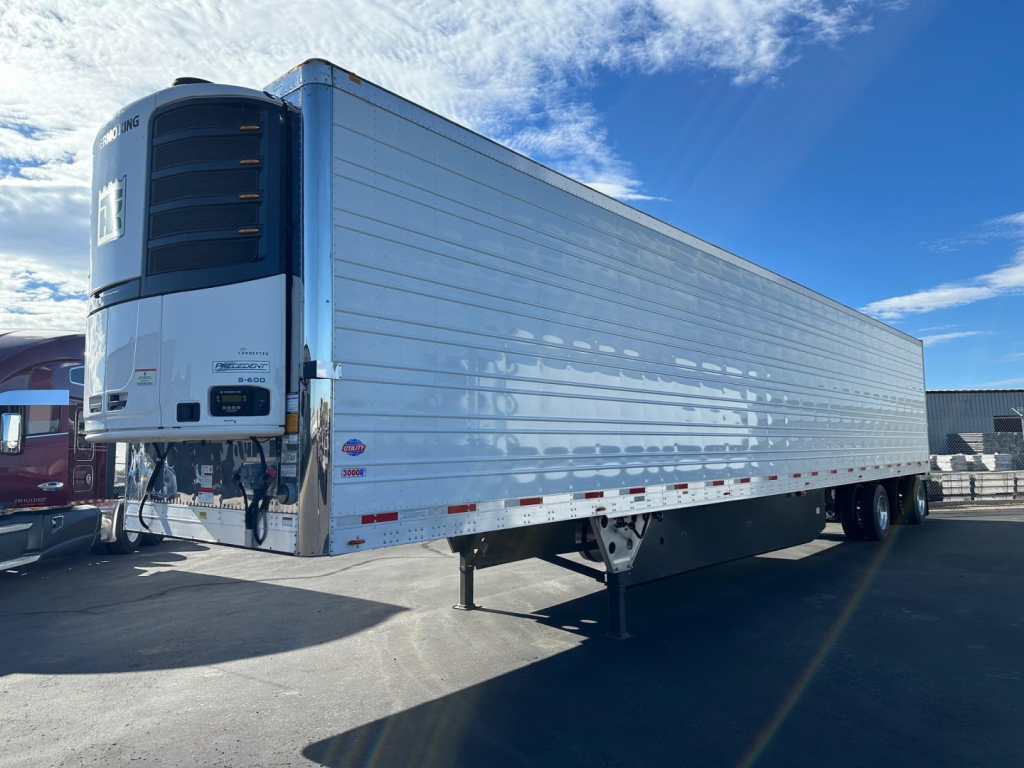
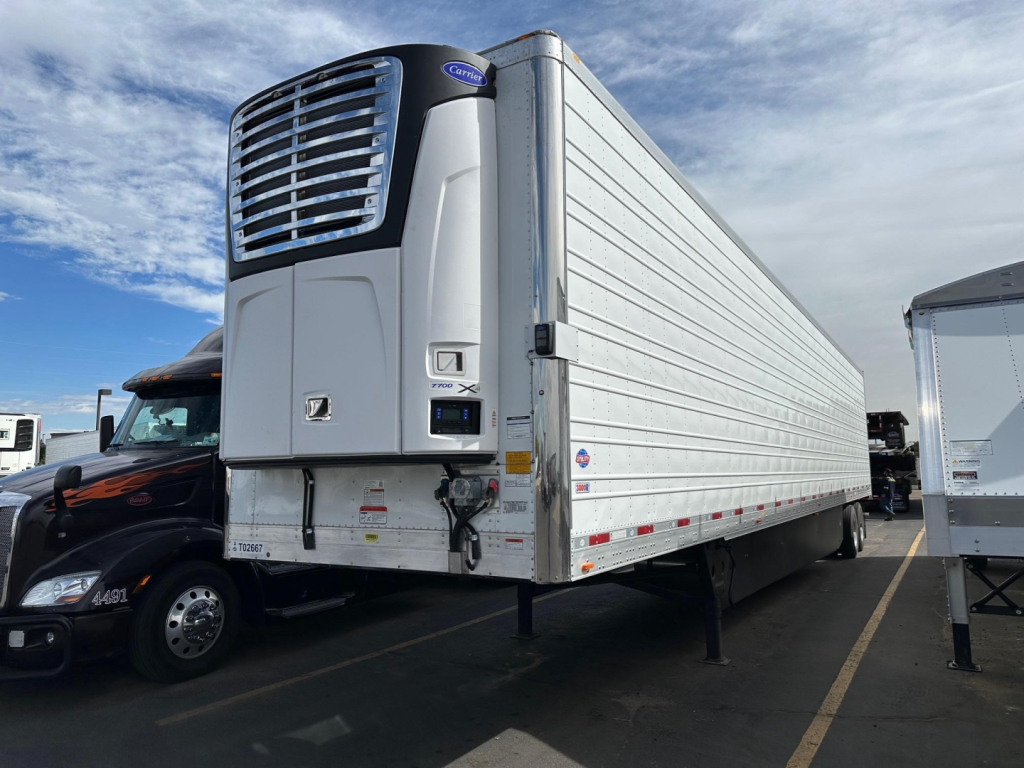
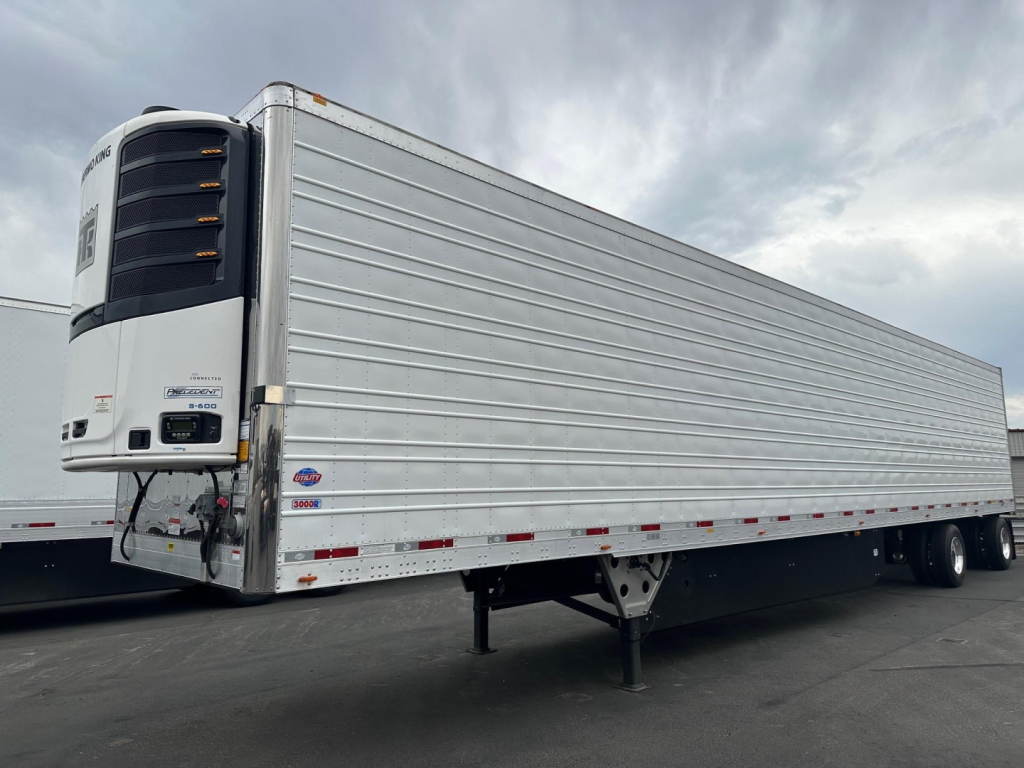
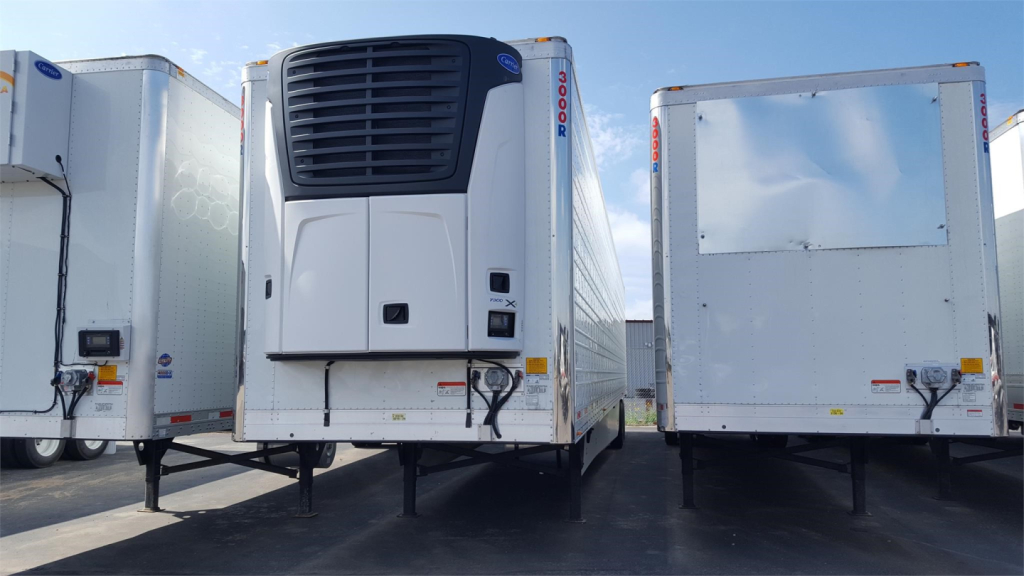
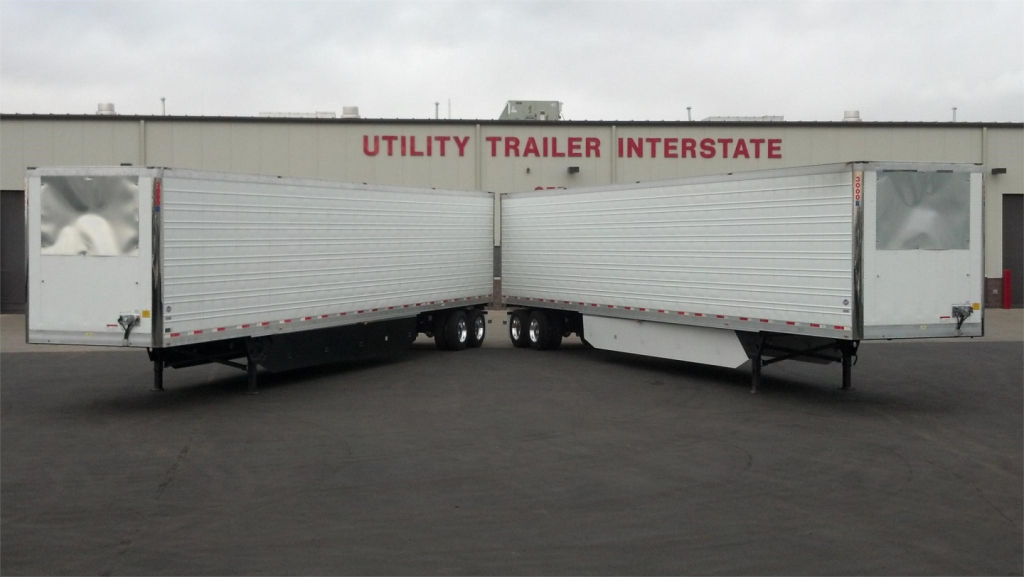
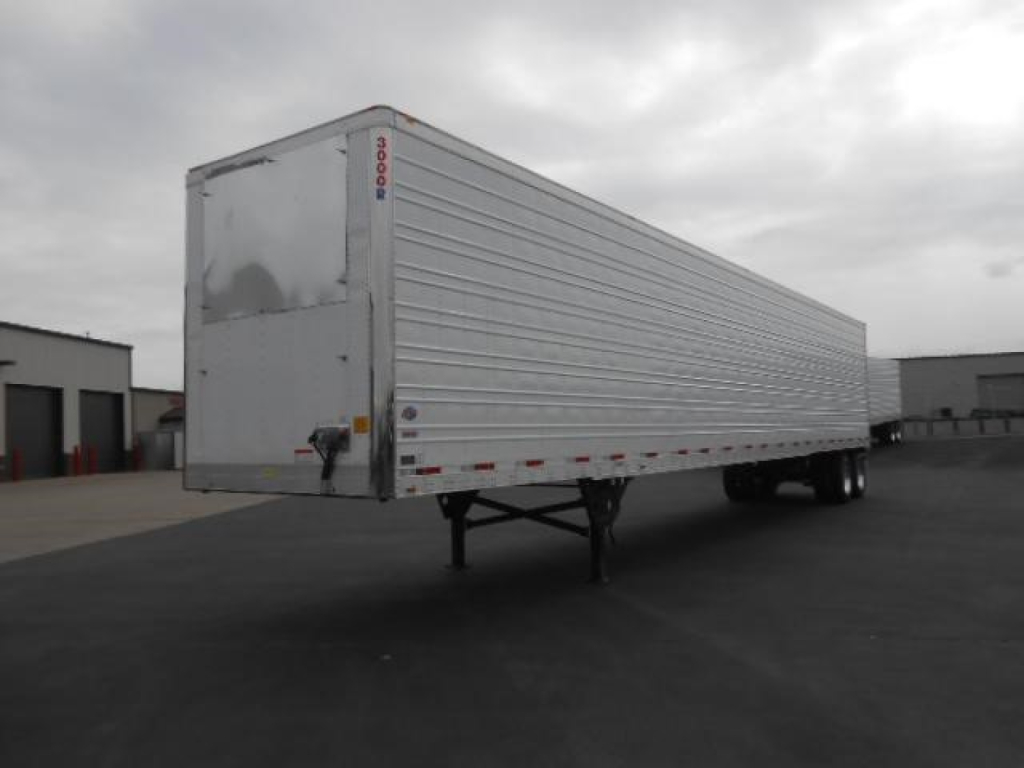
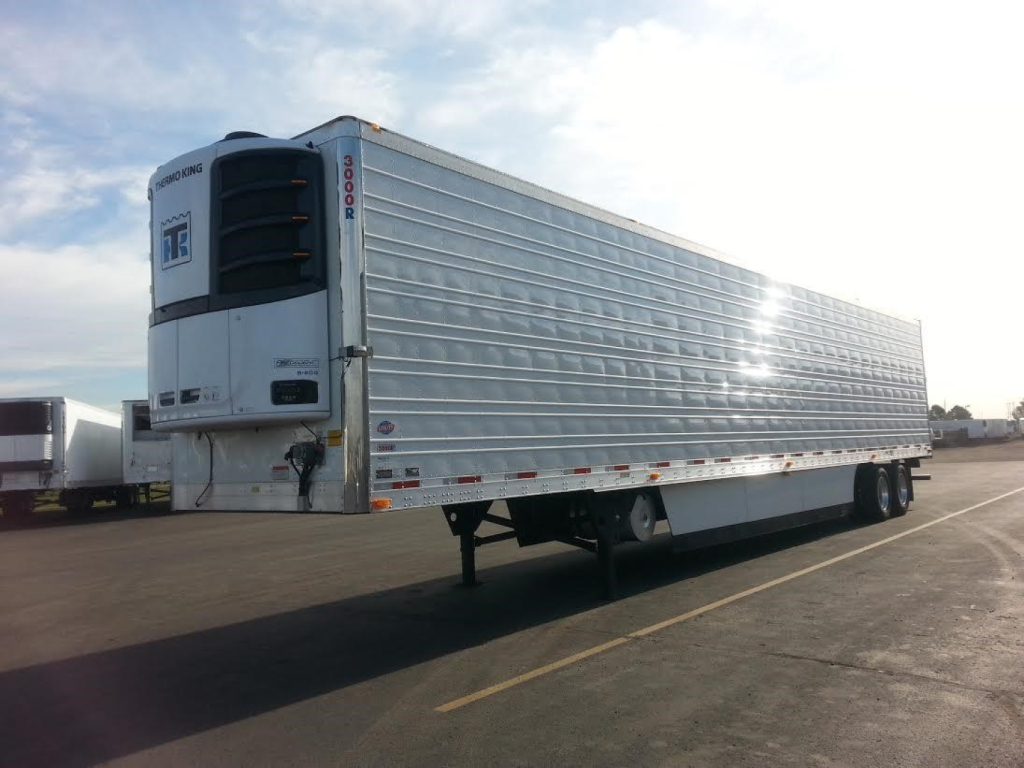
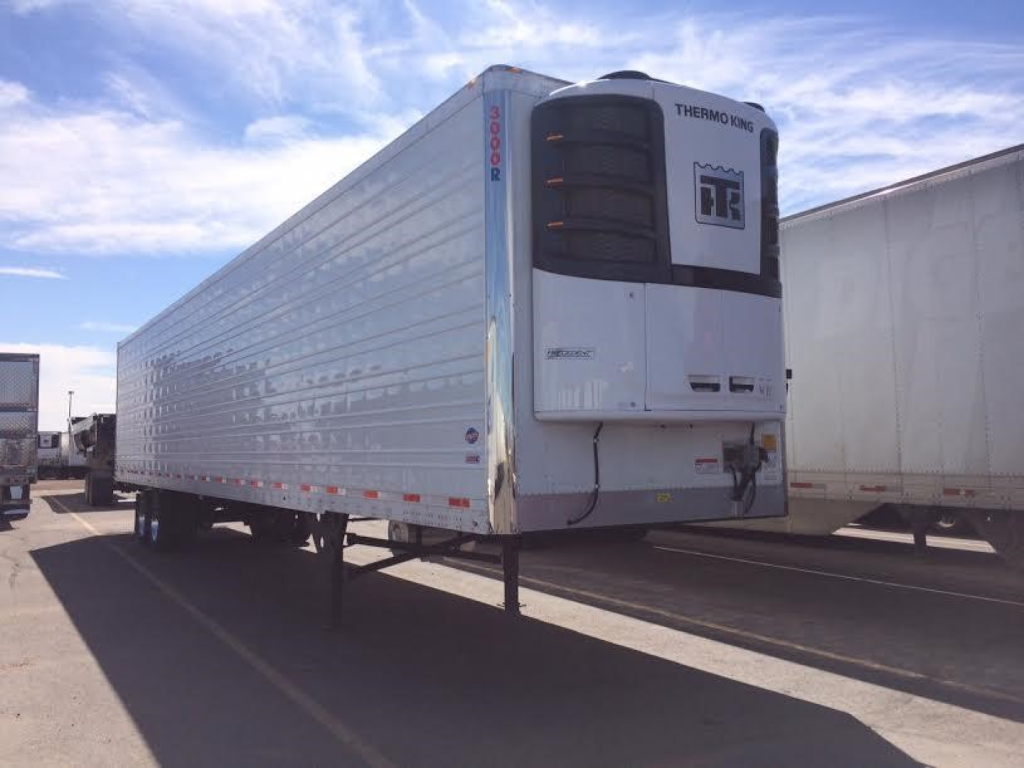
Selling a new 2026 utility trailer? List your new 2026 utility trailer for sale and reach thousands of commercial buyers.
New 2026 Utility Trailers in Colorado
For van buyers, the most important decisions usually come down to floor construction, wall lining, suspension, and rear door setup. A hard-working fleet trailer may use a wood floor with multiple fasteners per board, a tall bottom rail, threshold reinforcement, and wear protection at the high-contact zones. Composite or scuff-resistant interior wall systems matter if the trailer will see heavy pallet traffic, grocery freight, or frequent dock loading. Hendrickson and similar air ride suspensions with slider boxes remain a common choice because they improve ride quality and make weight distribution easier to manage. If the operation runs year-round in Colorado, it also makes sense to look closely at tire spec, ABS and lighting reliability, and corrosion resistance around the rear frame, ICC bumper, and undercarriage.
Utility flatbeds and drop decks, including combo construction models, are popular with buyers hauling steel, building products, machinery, pipe, and general commodity freight. A typical combo flatbed uses steel main beams with aluminum crossmembers, aluminum deck components, and aluminum side rails to keep weight down without giving up structural strength where it counts. Common deck specs include 48-foot and 53-foot lengths, 102-inch width, nail strips, stake pockets, pipe spools, sliding winches, and winch tracks on both sides. Buyers handling concentrated freight should pay close attention to coil package ratings, axle spread, and deck layout. A 47,000-pound coil package, fixed or sliding spread, and low-profile 22.5 tires can make a big difference in legal loading and freight flexibility.
Drop deck buyers should focus on loaded deck height, upper deck length, rear deck length, and axle arrangement before comparing cosmetic features. California-legal drop decks and flatbeds are especially relevant for carriers that need 53-foot capacity with axle spacing that works in western states. Air ride with a rear slide axle or air-pin slider can expand load positioning options and help with state compliance. Across the Utility lineup, the best spec is the one that matches freight first, then route, then maintenance plan. A buyer choosing between a dry van, flatbed, or drop deck should compare tare weight, suspension type, securement package, wheel and tire spec, and expected cargo damage exposure, because those details have more impact on long-term operating cost than the badge on the nose panel alone.
Frequently Asked Questions about New 2026 Utility Trailers in Colorado
What types of trailers does Utility commonly build?
Utility is widely known for dry vans, refrigerated trailers, flatbeds, and drop deck trailers. In fleet service, Utility dry vans are common in general freight, retail, and dedicated contract hauling, while Utility flatbeds and drop decks are frequently used for steel, construction materials, machinery, and other open-deck freight. Buyers often look at Utility because the brand has broad market acceptance, familiar service requirements, and specifications that fit many over-the-road and regional applications.
What should I look for in a new Utility dry van trailer?
The key dry van decisions are trailer length and width, floor construction, wall system, suspension, and rear frame protection. A 53-foot by 102-inch trailer is the standard choice for most highway freight. Many buyers also want logistics posts on tight centers, composite wall panels, a durable wood floor, slider suspension, side skirts, LED lighting, and a tire inflation system. Those features affect cargo securement, dock durability, maintenance intervals, and fuel economy more than appearance does.
What makes a Utility flatbed or combo flatbed attractive to buyers?
Utility combo flatbeds are popular because they balance weight savings and structural strength. A common design uses steel main beams with aluminum crossmembers, deck, and rails, which helps preserve payload without giving up durability in the primary load paths. Buyers also value practical freight-handling features like stake pockets, winch tracks, sliding winches, nail strips, pipe spools, and coil packages. Those details determine how easily the trailer can switch between steel, lumber, pipe, and general commodity loads.
Why does axle configuration matter on Utility drop decks and flatbeds?
Axle setup affects legal compliance, load placement, and versatility across different states. Tandem axle layouts, fixed spread suspensions, and rear slide axles each serve different operating needs. A California-legal configuration is important for carriers running western routes with strict axle spacing rules. An air ride suspension with slider pins or a rear slide axle can help fine-tune kingpin-to-rear axle dimensions and improve how concentrated freight is distributed across the tractor and trailer axles.
Are new Utility trailers a good fit for Colorado operations?
They can be a strong fit for Colorado because buyers often need equipment that handles highway miles, changing weather, mountain grades, and mixed freight demands. For van applications, good lighting, durable rear frame construction, reliable ABS, and proper tire spec matter in cold weather and elevation changes. For flatbeds and drop decks, securement layout, air ride suspension, and low tare weight are valuable when hauling building materials, steel, equipment, and regional freight through urban corridors and mountain routes.