
New 2026 Trailers For Sale in Kansas
Shop new 2026 trailers in Kansas, including dump, lowboy, and hopper trailers with current specs, payload-focused designs, and work-ready options.
Selling a new 2026 trailer? List your new 2026 trailer for sale and reach thousands of commercial buyers.
New 2026 Trailers in Kansas
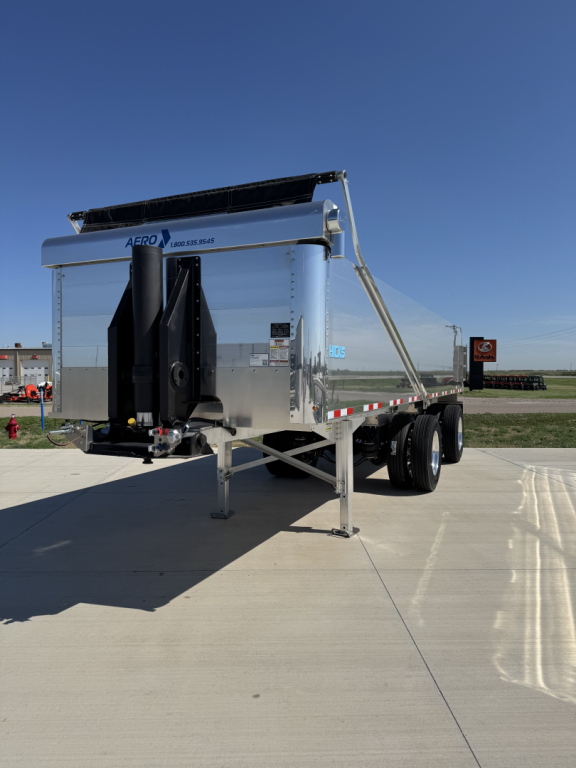
For dump trailers, the biggest decision points are body material, liner or tub thickness, suspension, and gate configuration. Kansas operators hauling rock, millings, sand, or chunk material often pay close attention to Hardox or similar abrasion-resistant tubs, self-shedding top rails, high-lift gates, and chip-resistant tires. Trailer length and side height influence payload and stability, while a single point or other suspension setup affects serviceability and ride quality. Electric flip tarps, sealed lighting, and practical wiring for gate controls matter on daily jobsite work because they reduce downtime and make the trailer easier to operate in rough conditions.
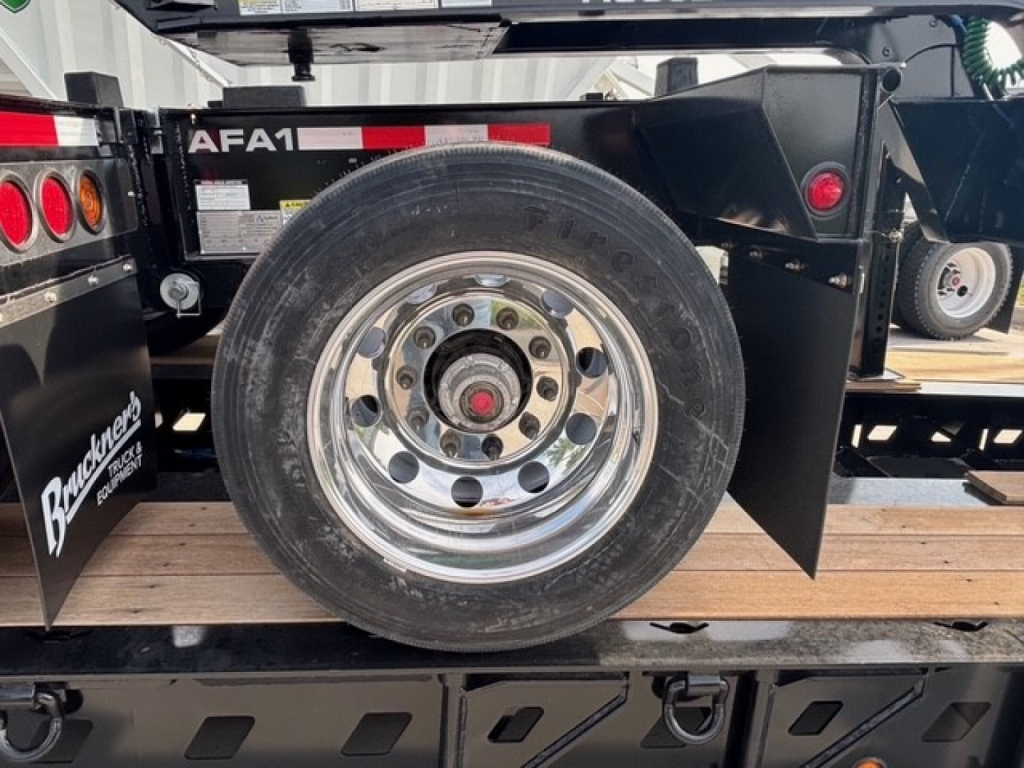
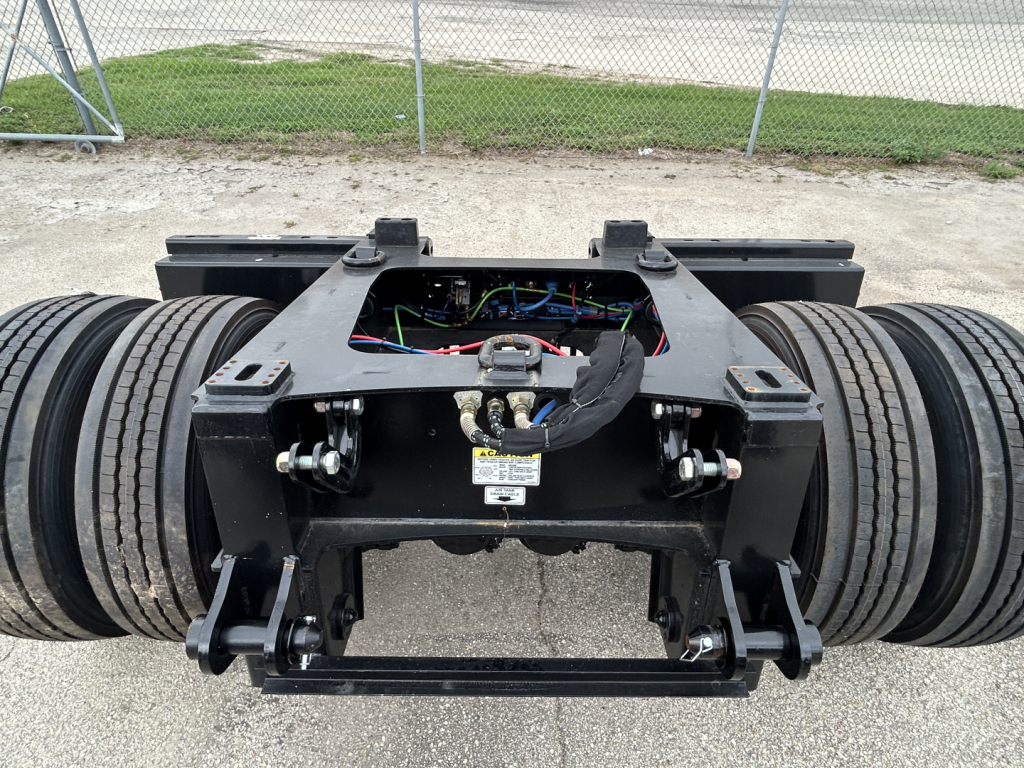
For lowboy trailers, buyers usually focus on deck height, gooseneck design, ground clearance, ride height adjustment, ramp style, and axle configuration. A low loaded deck height helps with taller machines, while reinforcement in high-stress areas and options like boom troughs, work lights, toolboxes, and onboard scale systems improve jobsite usability. If the trailer will move excavators, dozers, or other concentrated loads, look closely at main beam design, crossmember spacing, deck rating, and tire size. In Kansas, where loads may cover long rural stretches and mixed pavement conditions, dependable braking, lighting, and suspension components are just as important as raw capacity.
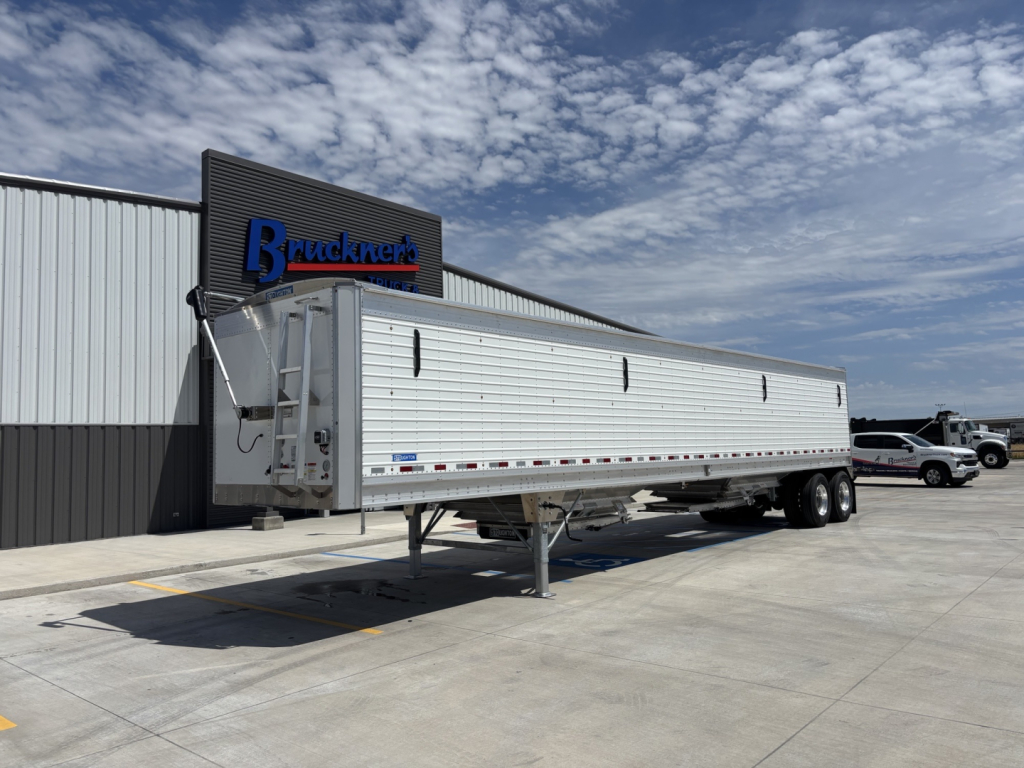
Hopper trailers are a different buying decision because cubic capacity, discharge layout, tarp system, and overall weight often matter more than specialty heavy-haul features. Grain and ag operators typically compare trailer length, width, side height, hopper opening size, ladder and catwalk access, landing gear, and suspension type. A steel grain hopper can offer durability in demanding farm and elevator use, while the exact bushel rating and hopper dimensions determine how well the trailer fits your crop mix and loading setup. Across all new 2026 trailers, buyers should pay attention to wheel and tire packages, sealed harnesses, LED lighting, brake spec, and service access points. Those details have a direct effect on total cost of ownership after the trailer leaves the lot.
Frequently Asked Questions about New 2026 Trailers in Kansas
What should I look for first when comparing new 2026 trailers for sale?
Start with the trailer’s intended application, then narrow the field by capacity, dimensions, and construction. Dump trailers should be evaluated by tub material, body thickness, gate style, and suspension. Lowboys should be evaluated by deck height, axle group, neck design, and load concentration capability. Hopper trailers should be evaluated by cubic capacity, hopper opening size, empty weight, and tarp system. Once the application fit is clear, compare tires, brakes, lighting, wiring, and serviceability because those items drive long-term operating cost.
Are steel or aluminum trailer components better for Kansas hauling?
It depends on the freight and the duty cycle. Steel is often preferred where impact resistance and abrasion matter, such as aggregate, demolition, and some grain applications. Aluminum helps reduce tare weight and can improve payload, but it is not always the best choice for severe material wear or concentrated machinery loads. Many buyers end up with a mixed-spec trailer, using steel where the structure takes abuse and lighter materials where weight savings are valuable.
What matters most on a lowboy trailer for equipment hauling?
Loaded deck height, axle layout, gooseneck design, and structural reinforcement are the main items. A lower deck height helps keep tall equipment legal and more stable. The axle and suspension setup affects bridge compliance, ride, and maneuverability. Reinforced outer bays, strong crossmember design, and practical loading features like flip ramps or a boom trough improve real-world performance. Buyers should also verify tire size, brake components, and any hydraulic power unit specifications if the trailer uses detachable features.
How do I choose the right dump trailer body spec?
Match the body to the material, not just the rated capacity. Abrasive products like rock, riprap, and chunk asphalt justify heavier tub floors and stronger side construction. A self-shedding top rail helps prevent material hang-up, and a high-lift gate improves unloading flexibility. Suspension choice, tarp style, and wheel-end spec should also match the route and terrain. A trailer used on rough jobsites every day should be built differently than one used mainly for lighter road work.
Why do hopper trailer dimensions and discharge openings matter so much?
They affect loading speed, unloading speed, commodity compatibility, and legal payload. Trailer length, width, and side height determine cubic volume, but hopper opening size and door layout determine how efficiently the product unloads into augers, pits, or elevator systems. Ladder placement, catwalk access, tarp operation, and landing gear are also practical details that matter during harvest and daily turnaround. Small dimensional differences can have a noticeable effect on how well the trailer fits a specific ag operation.