
New 2026 Lowboy Trailers For Sale
Shop new 2026 lowboy trailers with detachable goosenecks, 55-ton class ratings, low deck heights, and heavy-haul specs for equipment hauling.
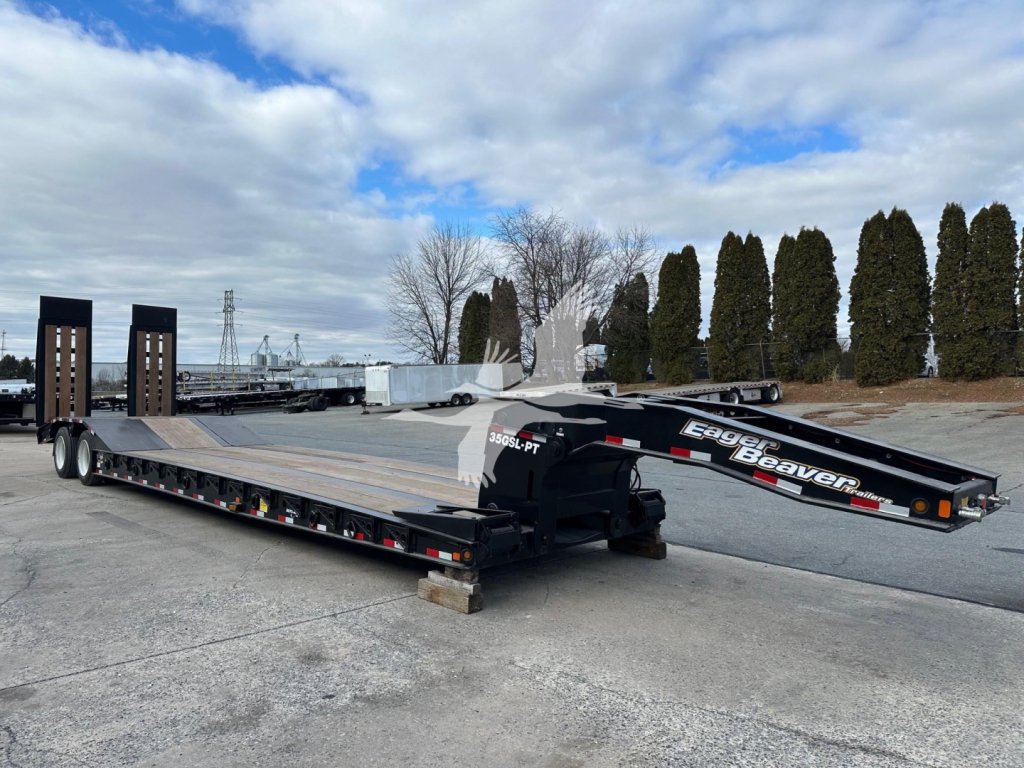
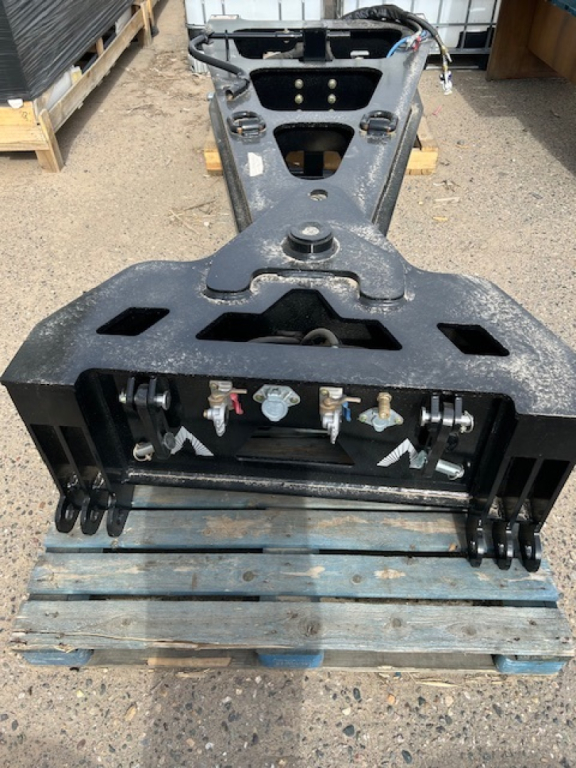
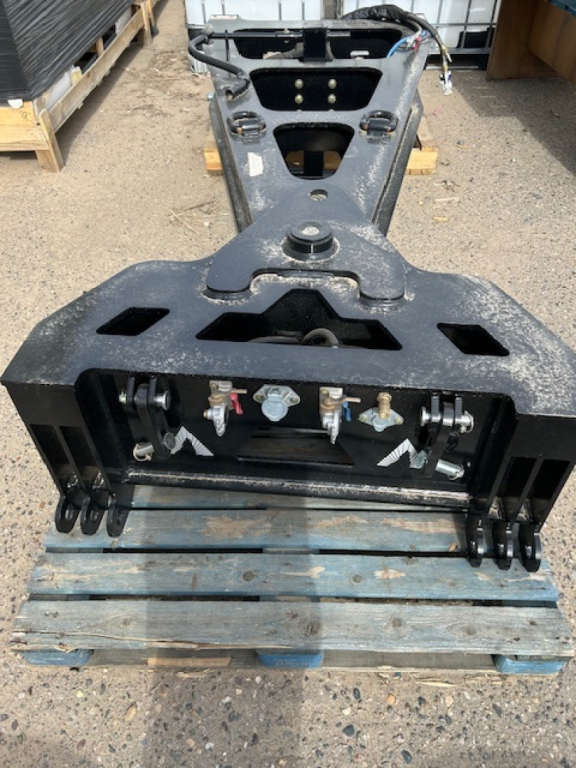
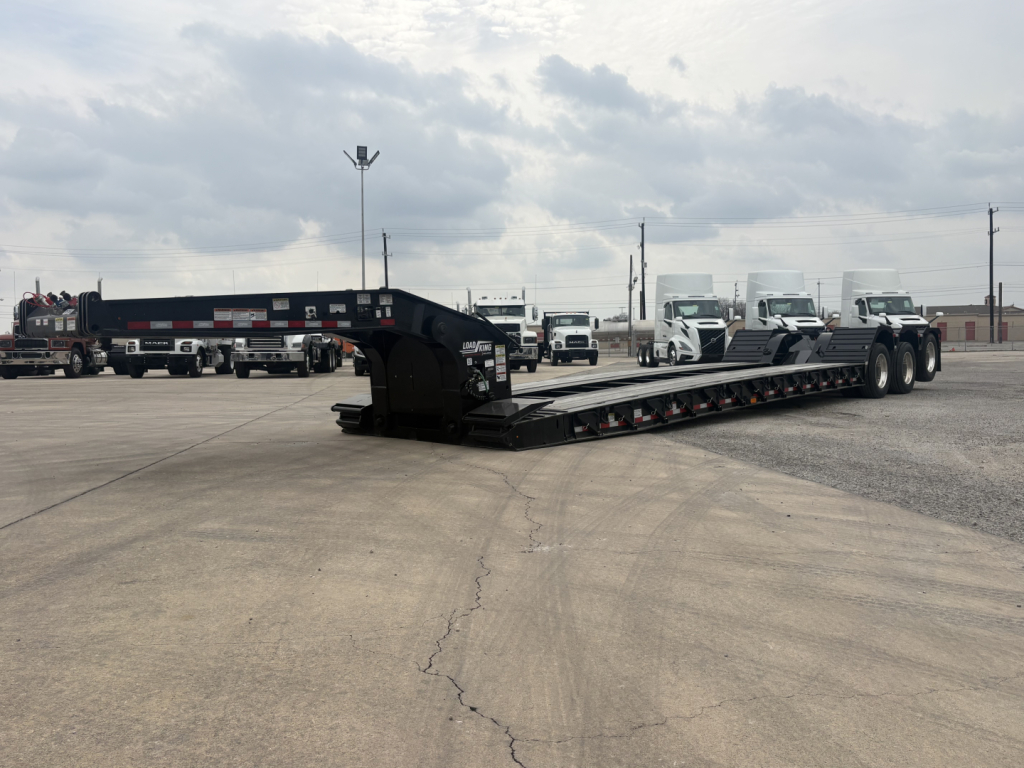
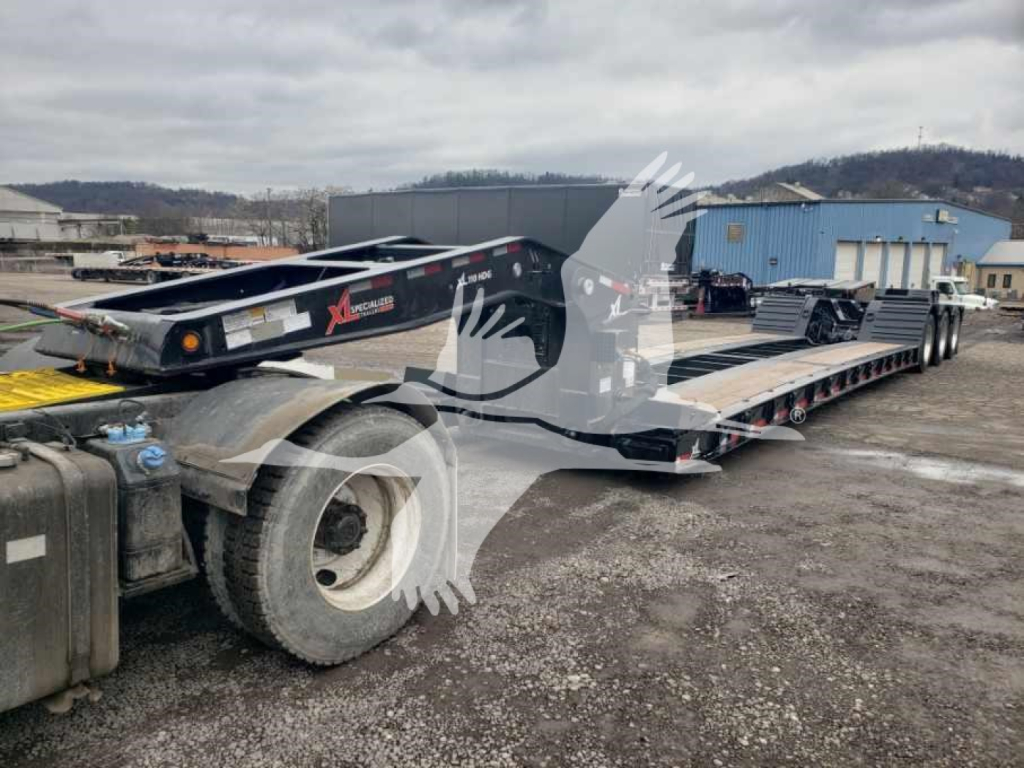
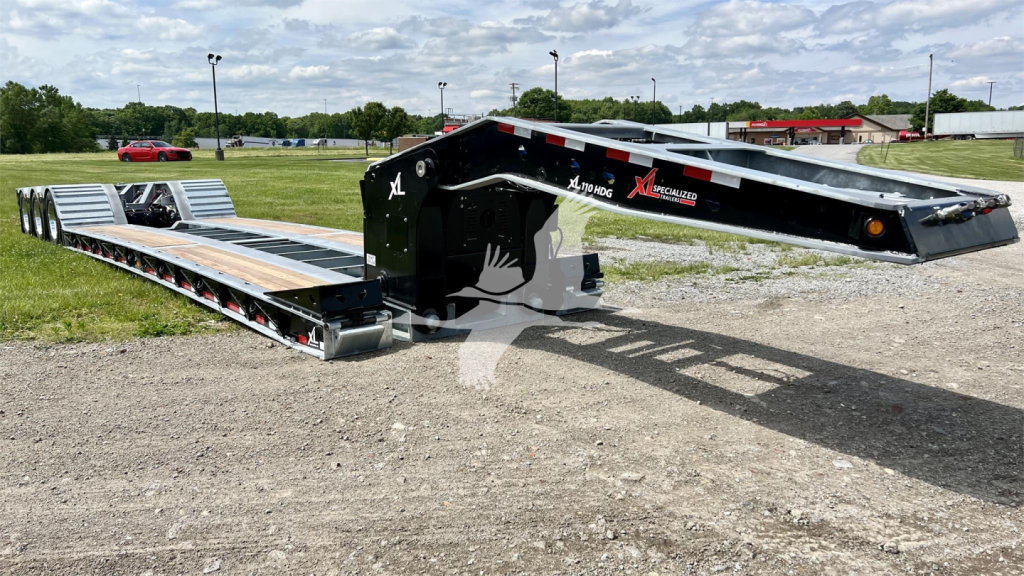
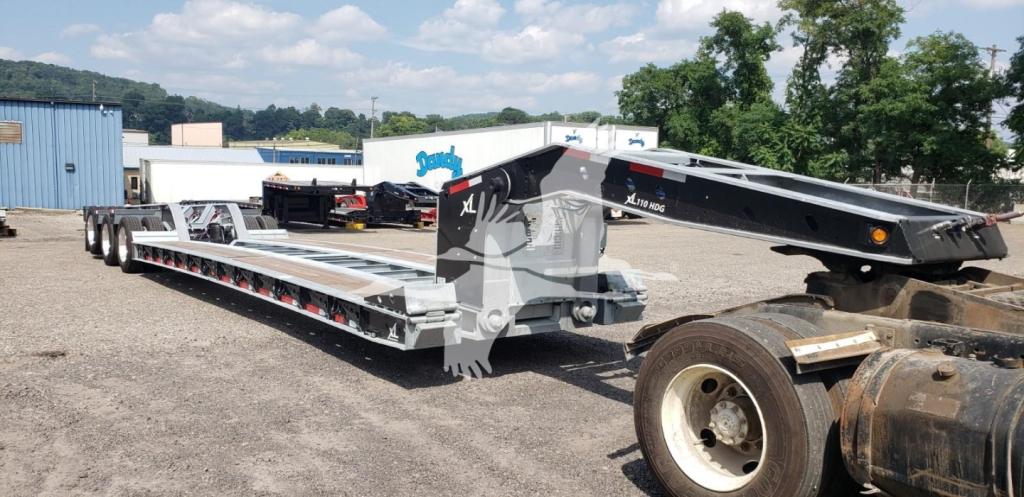
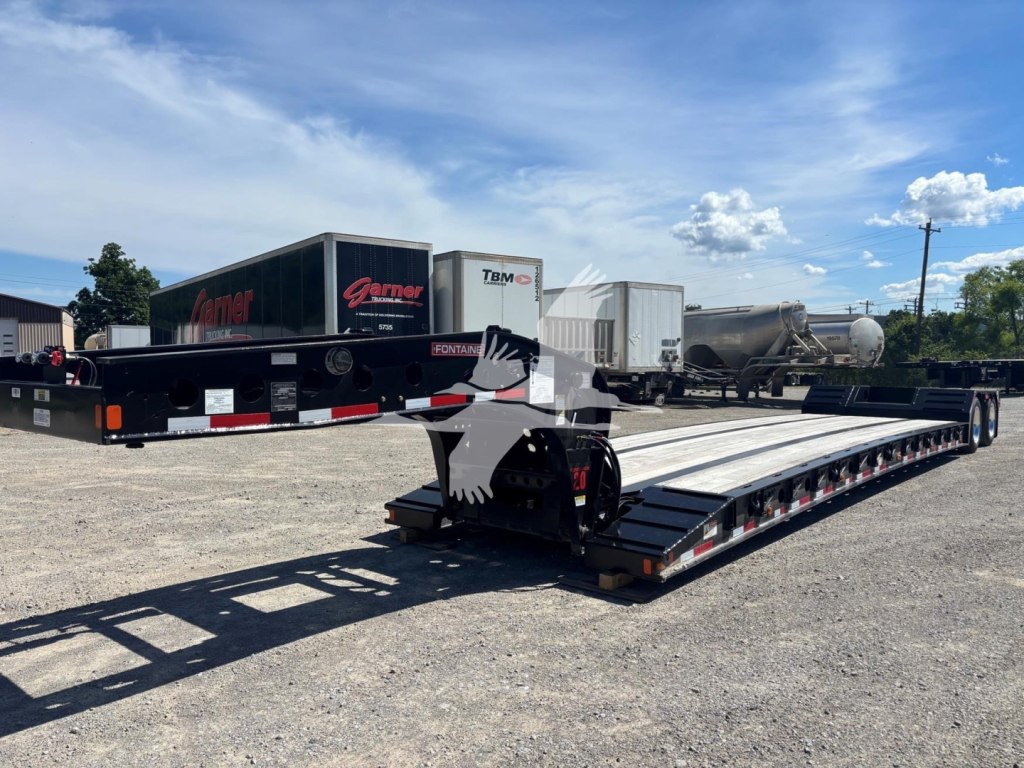
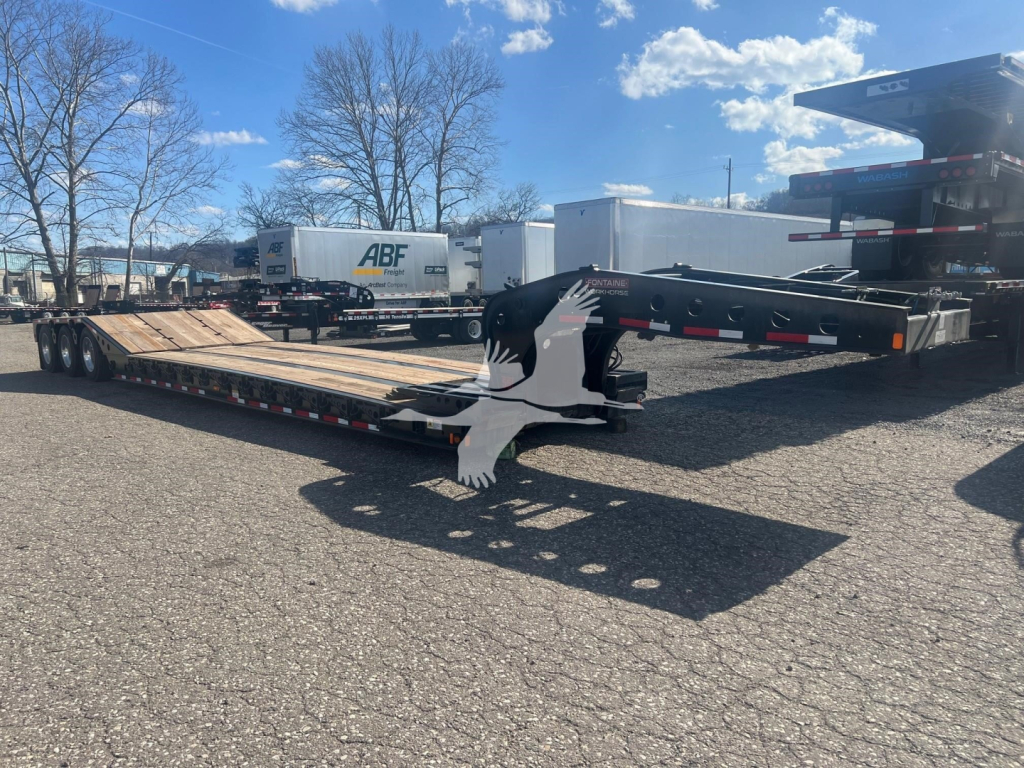
Selling a new 2026 lowboy trailer? List your new 2026 lowboy trailer for sale and reach thousands of commercial buyers.
New 2026 Lowboy Trailers
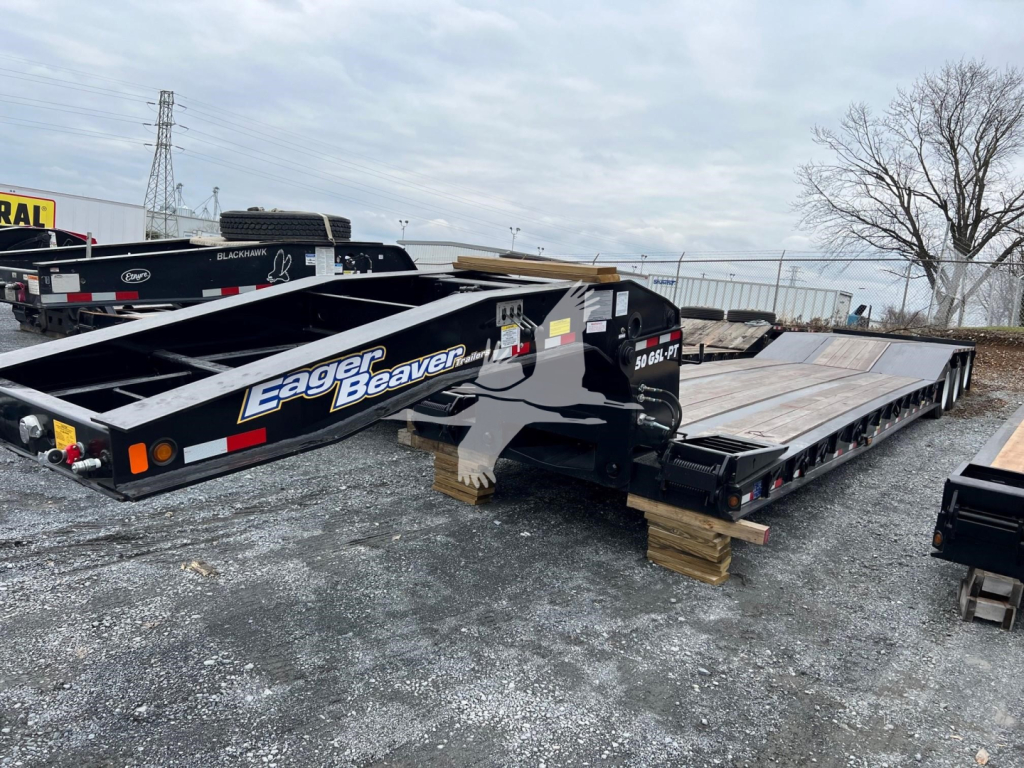
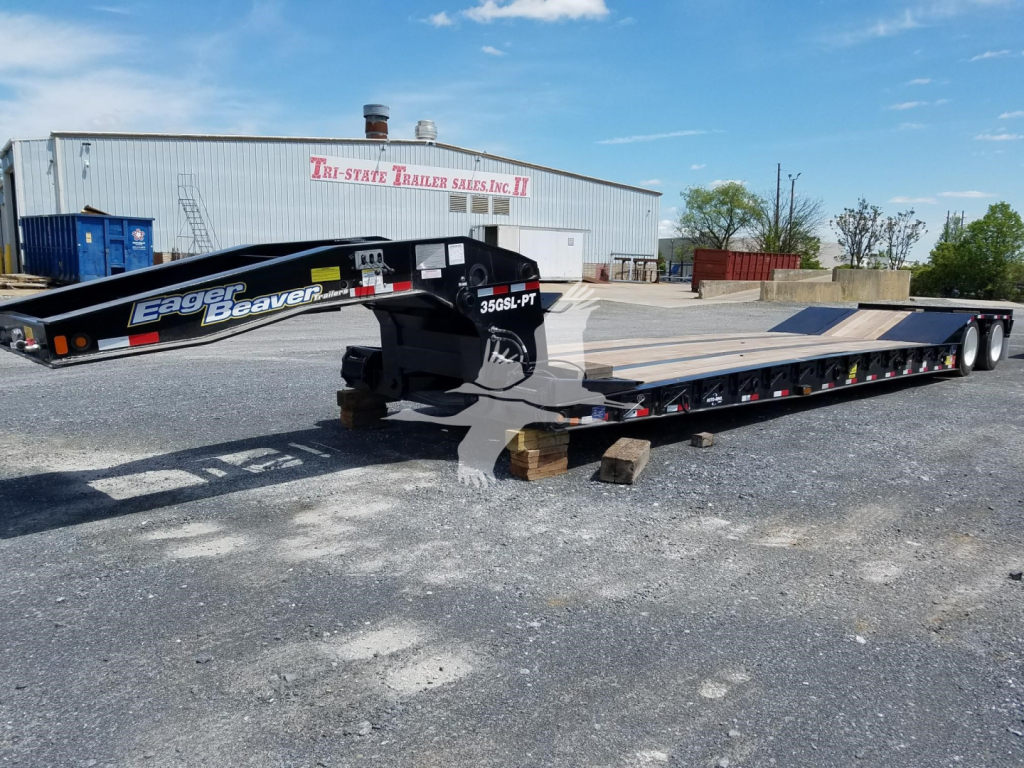
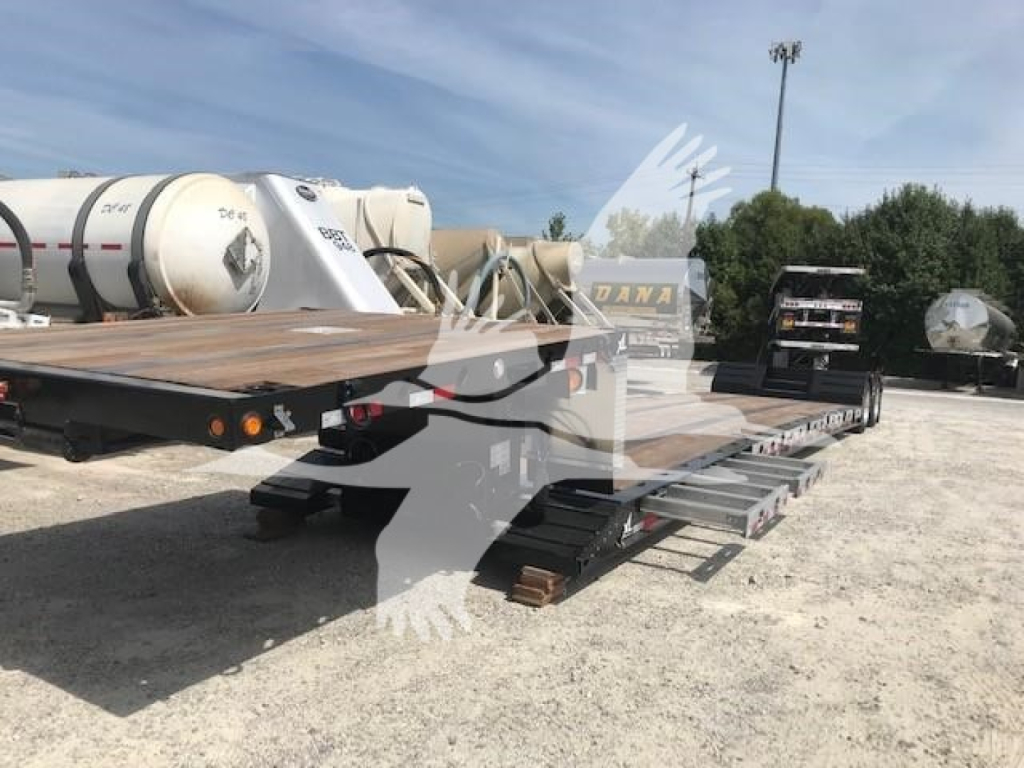
Deck and loading layout matter as much as gross rating. A typical 2026 lowboy may offer a 15-inch to 18-inch loaded deck height, front flip ramps, a boom trough or bucket well, and a concentrated rating such as 55 tons in 12 to 13 feet. That concentrated rating tells you more than the headline tonnage because it reflects how the trailer carries real machine weights over a defined section of deck. Buyers hauling excavators should look closely at boom well design, deck floor material such as apitong or nominal hardwood, crossmember spacing, and chain securement layout. Outriggers, D-rings, chain drops, stake pockets, and load-bearing wheel covers all affect how usable the trailer is day to day, especially when hauling mixed fleets of construction and paving equipment.
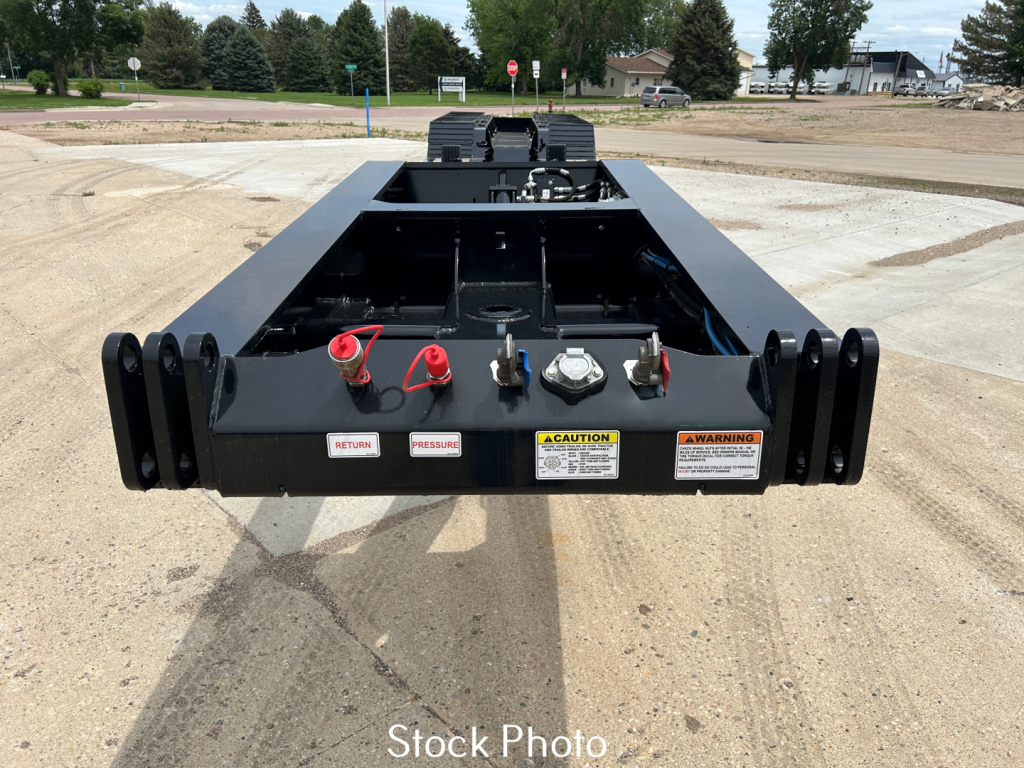
Gooseneck design is another major decision point. Hydraulic detachable goosenecks are the standard choice for operators loading self-propelled machinery, and non-ground-bearing necks are common on current models. Ride height positions, loaded fifth wheel height, and kingpin settings all influence tractor compatibility and loading angle. Swing radius, removable kingpin positions, flip axle connections, and lift axle configuration become especially important for fleets that run different states, axle groupings, or permit packages. Air ride suspensions from brands like Hendrickson remain common because they help protect both trailer structure and cargo, while features such as manual dump valves, raise-lower controls, liquid-filled gauges, and air weigh systems add convenience when setting up loads.
Material and corrosion protection should not be overlooked on a new lowboy trailer expected to stay in service for years. Painted steel remains common, but galvanized finishes are attractive for fleets running in northern climates, on treated winter roads, or in applications where long-term appearance and corrosion resistance matter. Tire size, aluminum versus steel wheel spec, toolbox placement, lighting packages, rear strobes, and work lights are smaller details that can make a big difference in uptime and driver satisfaction. The best lowboy setup is the one matched to your actual machine list, permit environment, and route profile, not just the highest published capacity.
Frequently Asked Questions about New 2026 Lowboy Trailers
What is the difference between a lowboy trailer and a regular equipment trailer?
A lowboy trailer has a much lower deck height than a standard deck-over equipment trailer, which allows taller machines to be hauled without exceeding legal height limits. Most lowboys also use a detachable gooseneck design so tracked or wheeled equipment can be driven directly onto the deck from the front. That lower center of gravity improves stability and makes lowboys the preferred trailer for excavators, dozers, pavers, rollers, and other heavy construction equipment.
What should I look at first when comparing new 2026 lowboy trailers?
Start with concentrated load rating, loaded deck height, and main deck length. A trailer advertised as 55 tons may only achieve that rating over a specific 12-foot or 13-foot section of deck, so the load chart matters more than the headline number. After that, review gooseneck type, axle count, axle spacing, suspension, swing clearance, and securement features. Those details determine whether the trailer will actually fit your equipment, your tractor, and your operating area.
Why does deck height matter so much on a lowboy?
Deck height directly affects legal load height and loading stability. A 15-inch to 18-inch loaded deck height can be the difference between hauling a machine legally without route changes or needing special handling due to overall height. Lower deck height also reduces the machine's center of gravity, which improves road manners. Buyers hauling tall excavators, forestry machines, or paving equipment usually treat deck height as one of the most important specs on the trailer.
Are hydraulic detachable goosenecks better than fixed neck lowboys?
For most heavy equipment applications, a hydraulic detachable gooseneck is the more versatile choice because it allows front loading without external ramps. That setup is faster for many self-propelled machines and is especially useful for tracked equipment with limited ramp approach tolerance. A fixed neck can work in some operations, but detachable neck lowboys are generally favored in heavy-haul construction fleets because they improve loading flexibility and jobsite efficiency.
Is a galvanized lowboy trailer worth it?
A galvanized lowboy can be a strong value for fleets operating in snowbelt states, on salted roads, or in wet environments where corrosion shortens trailer life. The galvanized finish helps protect structural components and can reduce long-term cosmetic deterioration compared with a painted trailer alone. It does not replace good maintenance, but it can improve durability and resale appeal for operators who keep heavy-haul trailers in service for many years.