
New 2026 Eager Beaver Lowboy Trailers For Sale
Shop new 2026 Eager Beaver lowboy trailers with hydraulic detachable goosenecks, 35 to 50 ton ratings, air ride suspension, and Apitong decking.
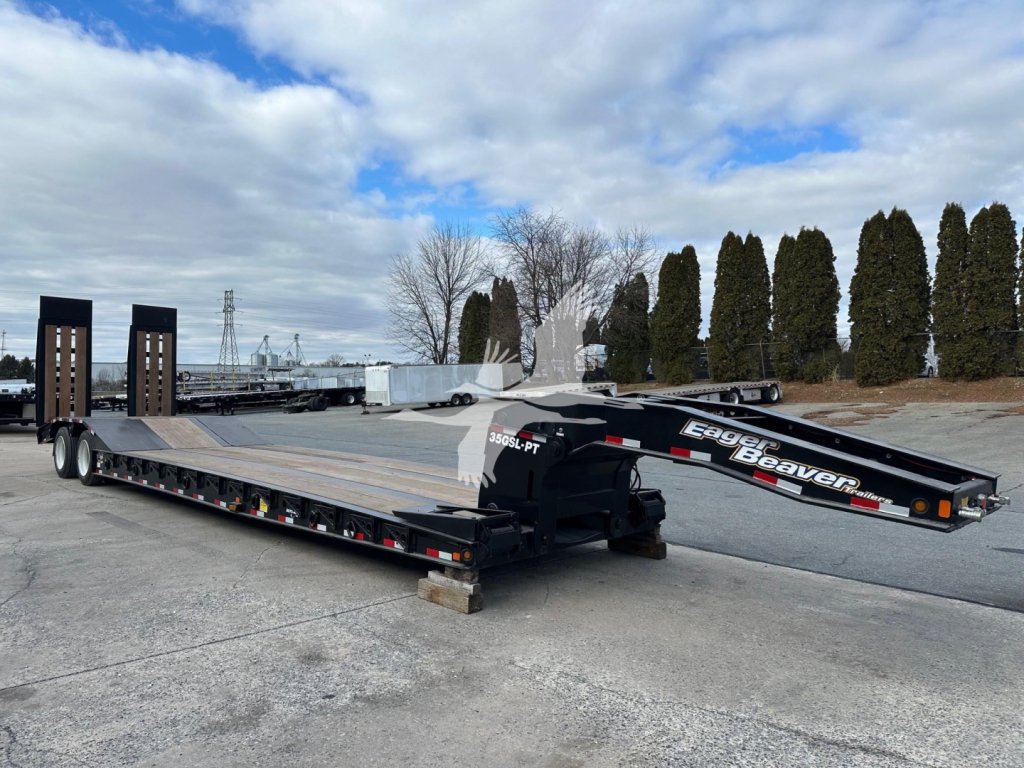
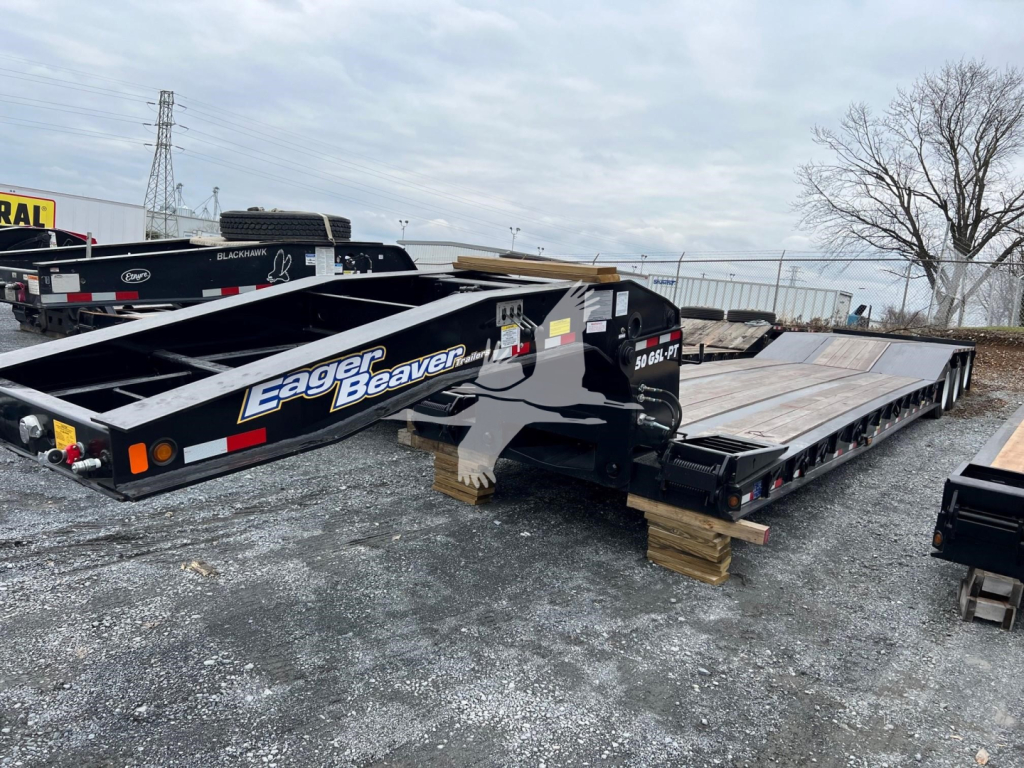
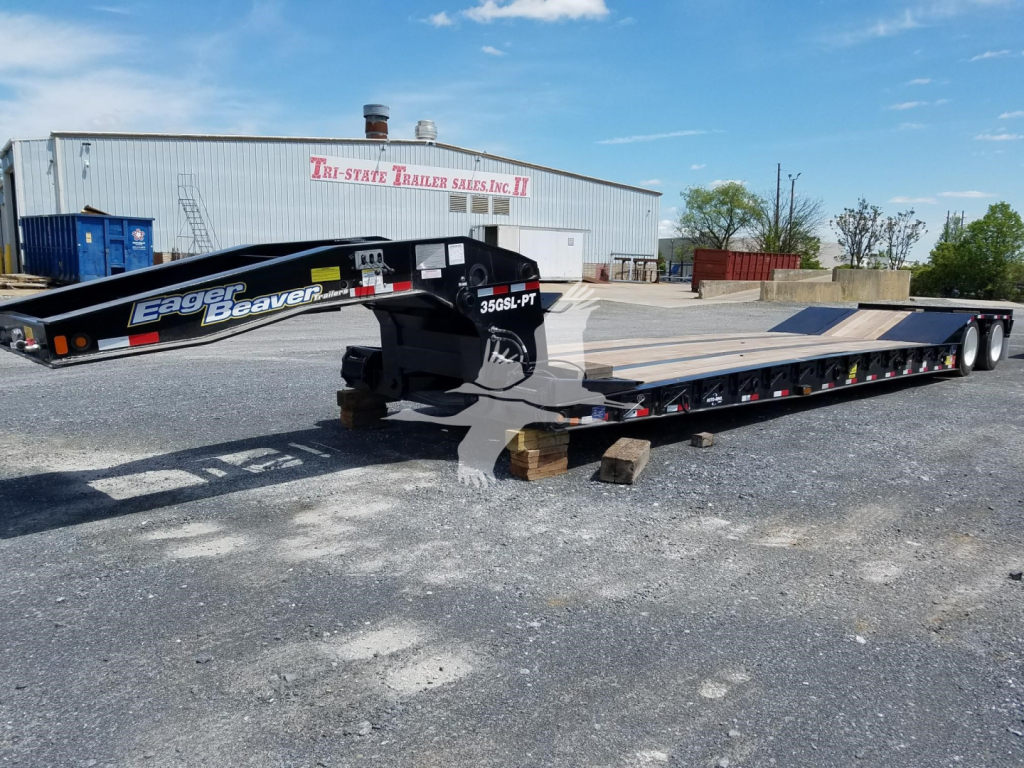
Selling a new 2026 eager beaver lowboy trailer? List your new 2026 eager beaver lowboy trailer for sale and reach thousands of commercial buyers.
New 2026 Eager Beaver Lowboy Trailers
The most important buying decision is matching capacity and deck layout to the equipment mix. Common specs in this class include 102-inch overall width, loaded deck heights around 24 inches, 24-foot main decks, and top decks around 11 to 12 feet. A 35 ton tandem-axle lowboy is a common fit for mid-size iron and general contractor fleets, while a 50 ton tri-axle paver-style trailer gives more headroom for heavier machines and can improve load distribution. Buyers should also pay attention to rear deck length, swing clearance, kingpin setting, and axle spacing, since those details affect tractor compatibility, turning room, and how well the trailer handles concentrated loads.
Construction details matter on lowboys because these trailers spend their lives under point loads and repeated loading cycles. Eager Beaver models in this range commonly use Apitong decking, steel perimeter beam side rails, outriggers on 24-inch centers, ROTO-style D-rings, and air ride suspension from suppliers such as Ridewell or Cush. Features like raise-and-lower valves, manual dump valves, spring-assist front ramps, hydraulic beavertails, and non-ground-bearing hydraulic detachable goosenecks are worth comparing closely. A mesh center or wood-filled ramp design can also make a difference depending on whether you haul tracked machines, rubber-tired equipment, or a mix of both.
A buyer should also consider how the trailer will be permitted and used day to day. Two-axle 35 ton units are simpler for many regional hauling jobs, while three-axle 50 ton trailers and flip axle options can help when legal payload and bridge compliance become tighter concerns. Look at crossmember spacing, floor material, rear lighting, flag provisions, and tie-down layout, because those details affect durability, securement speed, and field usability more than the spec sheet alone suggests. For fleets hauling paving and construction equipment, an Eager Beaver lowboy is usually judged on three things first: correct capacity, easy loading, and a deck configuration that matches the machines you move most often.
Frequently Asked Questions about New 2026 Eager Beaver Lowboy Trailers
What is the difference between a 35 ton and 50 ton Eager Beaver lowboy trailer?
The main difference is carrying capacity, but the practical effect goes beyond the rating itself. A 35 ton lowboy is typically a tandem-axle setup suited for many excavators, loaders, compact dozers, and general construction equipment. A 50 ton model often adds a third axle and a heavier-duty structure, which improves load distribution and supports larger machines such as heavier pavers or more substantial earthmoving equipment. The higher-capacity trailer may also affect permitting, tractor requirements, and operating weight, so the right choice depends on the actual machine weights and axle laws in the states where the trailer will run.
Why choose a hydraulic detachable gooseneck lowboy instead of a fixed-neck trailer?
A hydraulic detachable gooseneck lowboy allows the front of the trailer to drop for ground-level loading, which is a major advantage for tracked equipment and low-clearance machines. This setup reduces loading angle, improves safety, and often speeds up loading compared with climbing over rear ramps alone. It also makes it easier to handle equipment with long wheelbases or limited approach angles. For fleets that load and unload heavy machinery frequently, a detachable design is often the more versatile and productive option.
What deck and floor features matter most on a lowboy trailer?
Deck height, main deck length, floor material, and tie-down layout are the key points. A low loaded deck height helps keep overall loaded height under control, especially with taller machines. Main deck length determines how well the trailer fits different equipment footprints and where the load can be positioned for axle balance. Apitong decking is common because it holds up well under heavy equipment traffic, and mesh-center or wood-filled sections can improve traction and durability depending on the application. Buyers should also check outrigger spacing, D-ring placement, and crossmember construction because those details directly affect securement options and long-term structural life.
Do air ride suspension and lift axle options matter on a lowboy?
Yes, especially for ride quality, load protection, and legal weight management. Air ride suspension helps reduce shock transfer into both the trailer and the machine being hauled, which is useful when transporting valuable paving or construction equipment. Raise-and-lower functions and dump valves can also help with loading and deck control. On heavier trailers, a lift axle or flip axle option can provide additional flexibility for spreading weight to meet axle regulations. Those features are most important for fleets moving heavier iron across multiple jurisdictions.
What should I check to make sure a lowboy matches my tractor?
Start with loaded fifth-wheel height, kingpin setting, and the tractor's axle configuration. These factors determine trailer attitude, swing clearance, and how the load transfers onto the tractor. You should also confirm the tractor has the hydraulic and electrical setup needed for the detachable gooseneck system, along with enough wheelbase and capacity for the trailer's intended gross load. A lowboy that is correctly matched to the tractor will load better, steer better, and avoid clearance or weight-distribution problems that show up quickly in real-world hauling.