
New Eager Beaver Lowboy Trailers For Sale
Shop new Eager Beaver lowboy trailers built for heavy equipment hauling, with hydraulic detachables, air ride suspension, and 35- to 50-ton ratings.
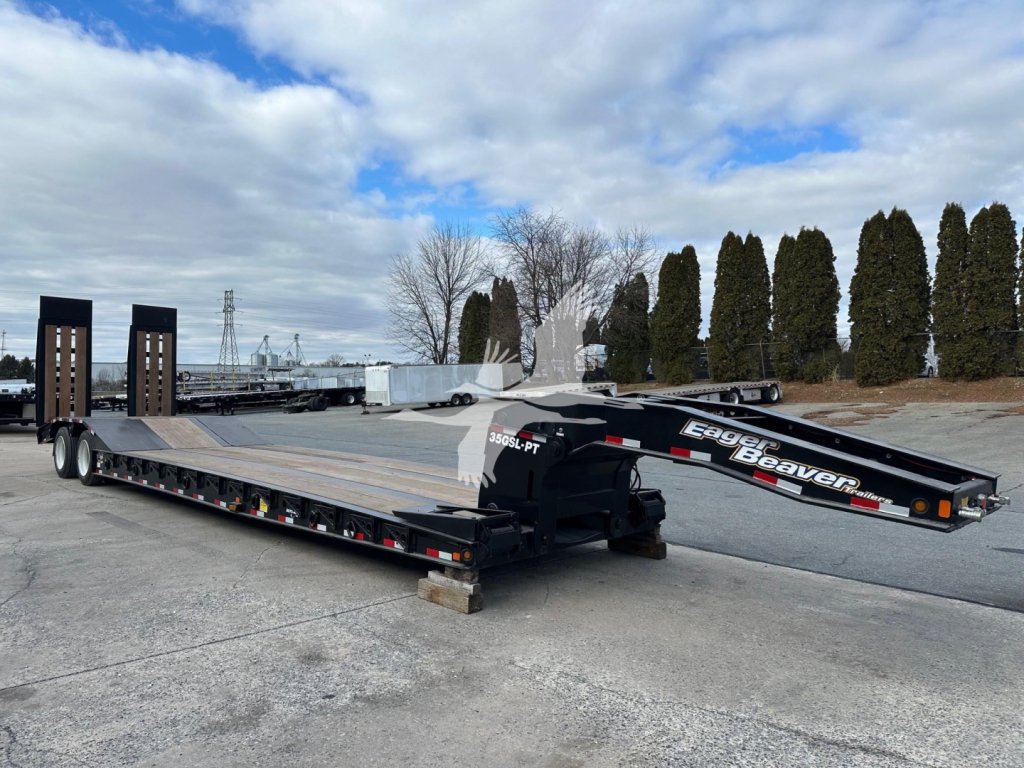
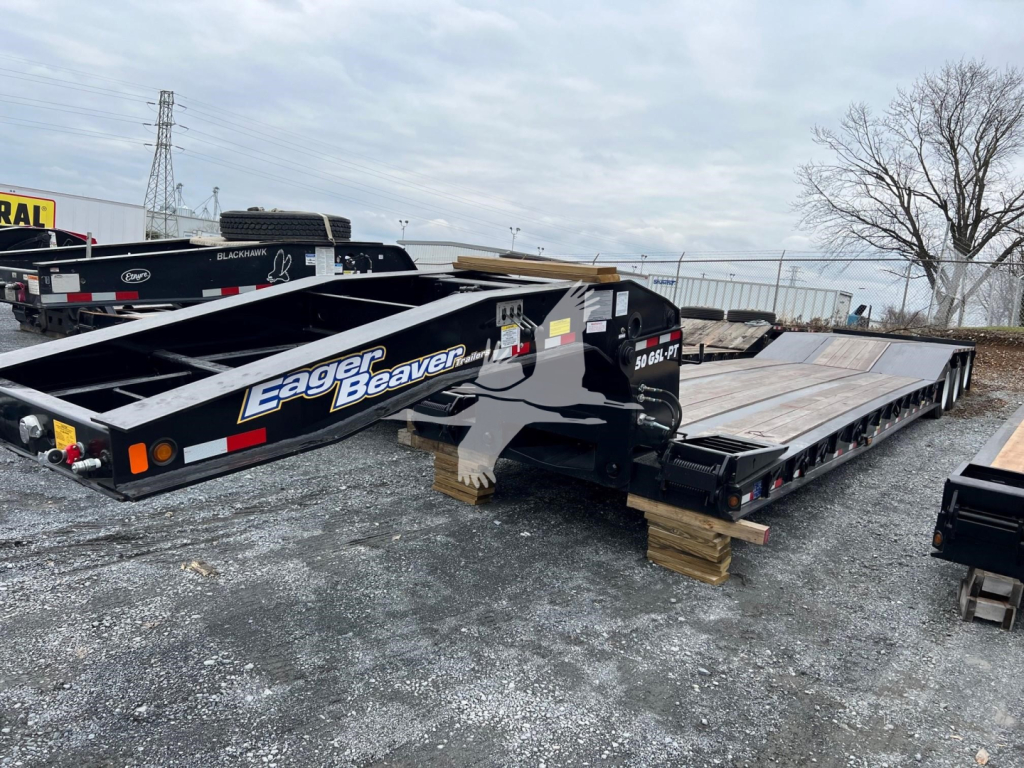
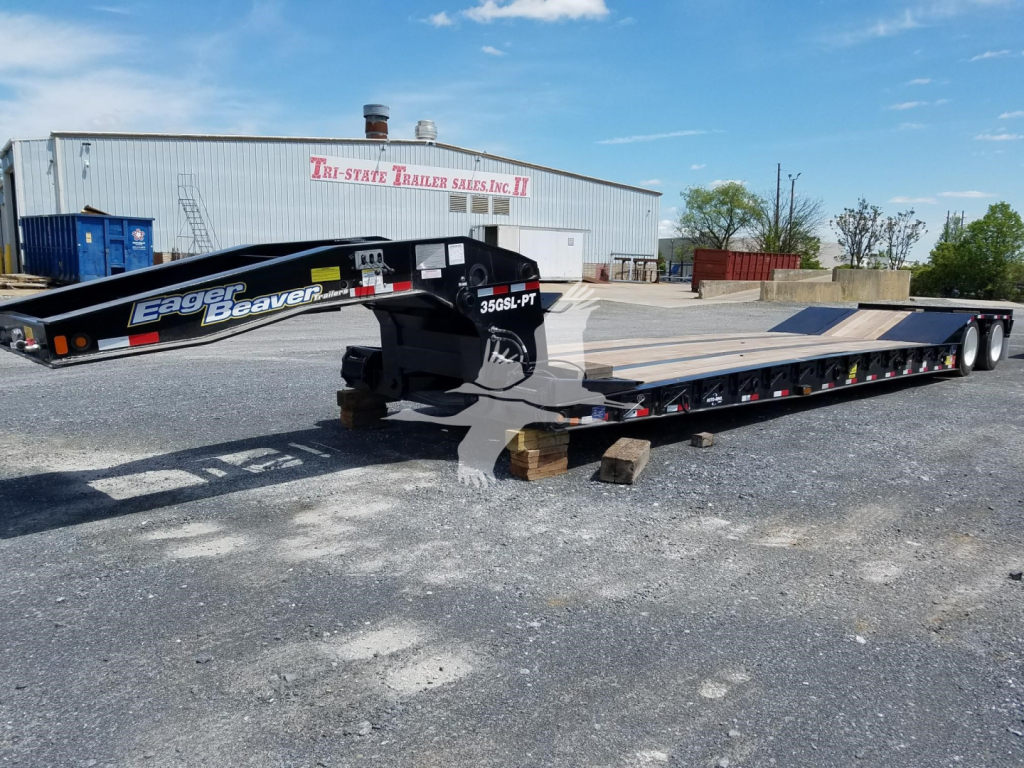
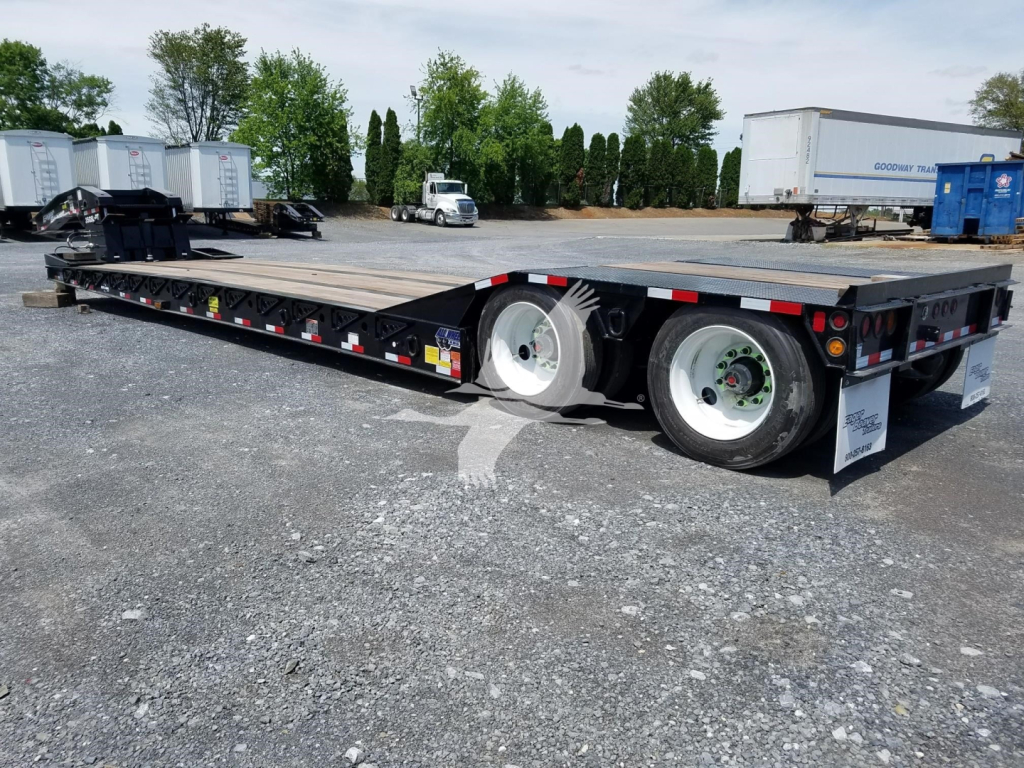
Selling a new eager beaver lowboy trailer? List your new eager beaver lowboy trailer for sale and reach thousands of commercial buyers.
New Eager Beaver Lowboy Trailers
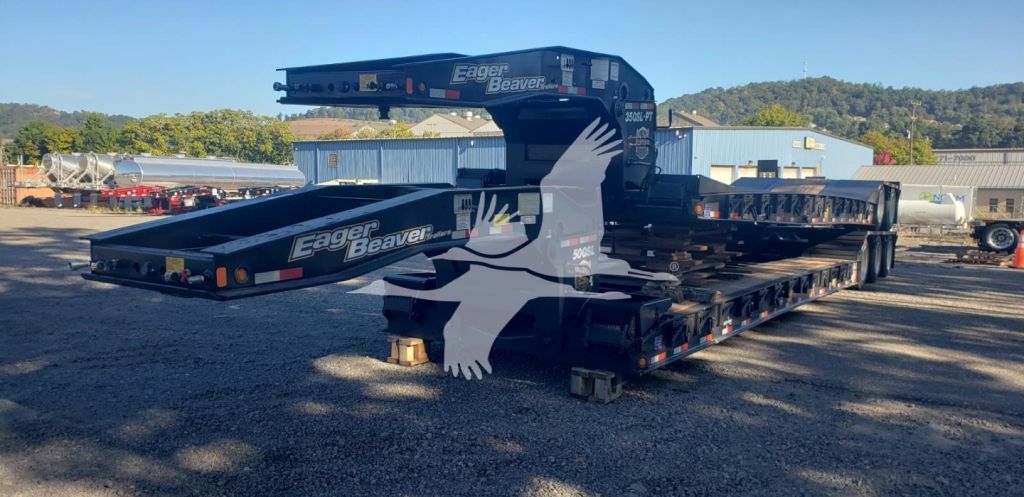
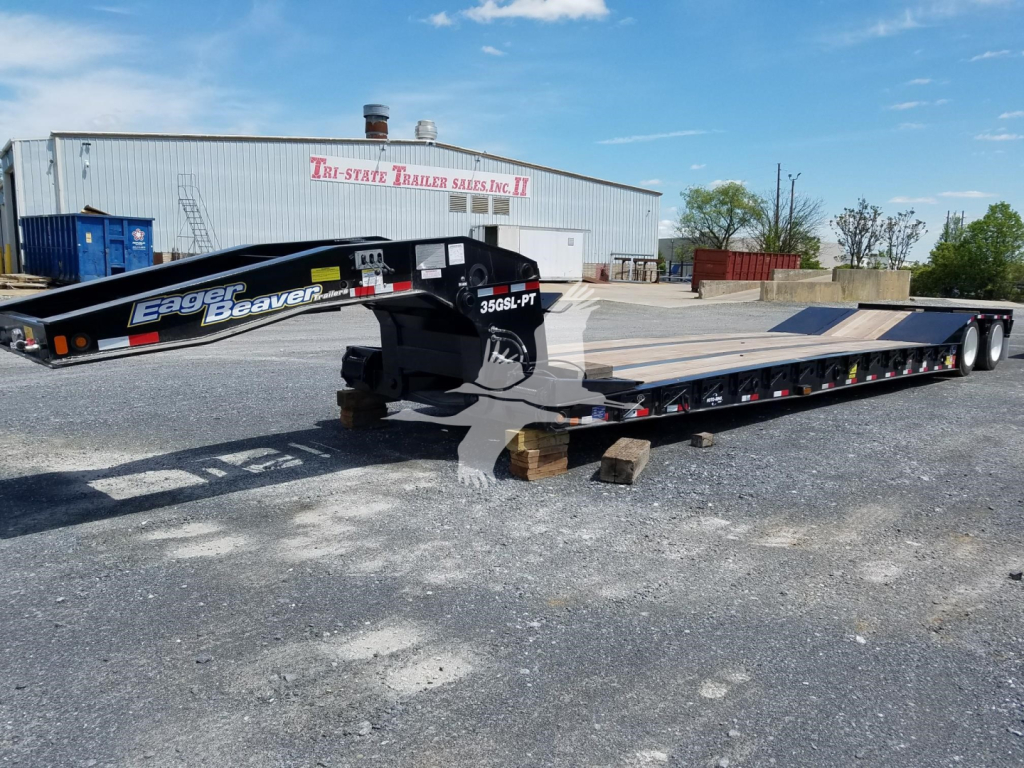
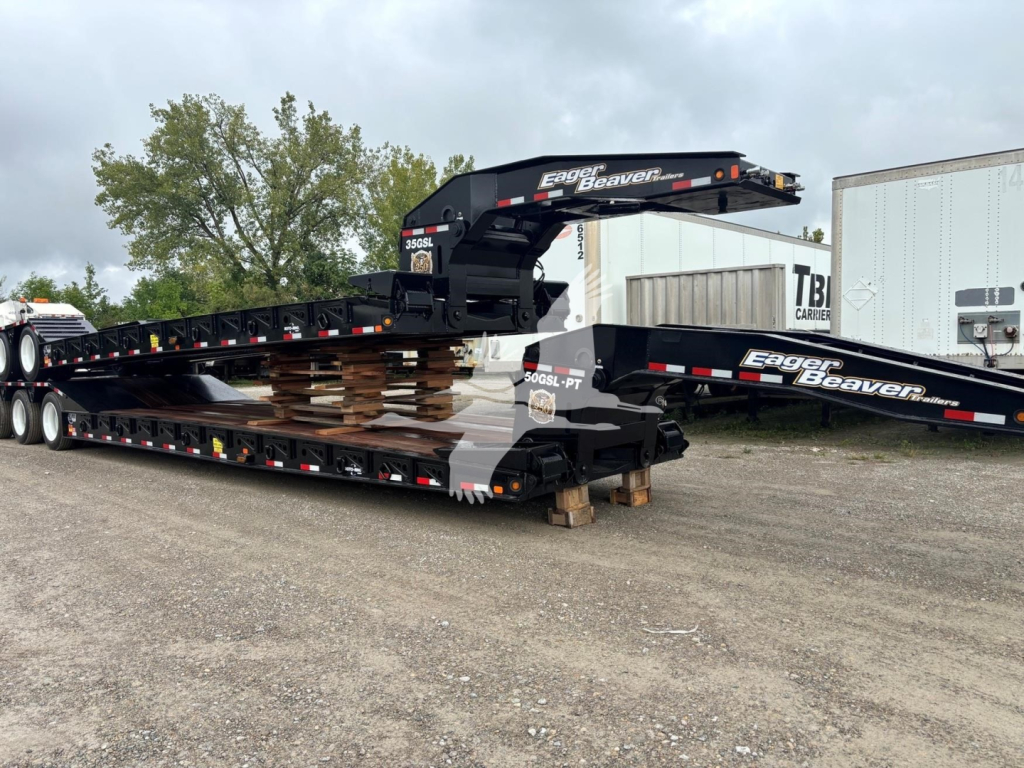
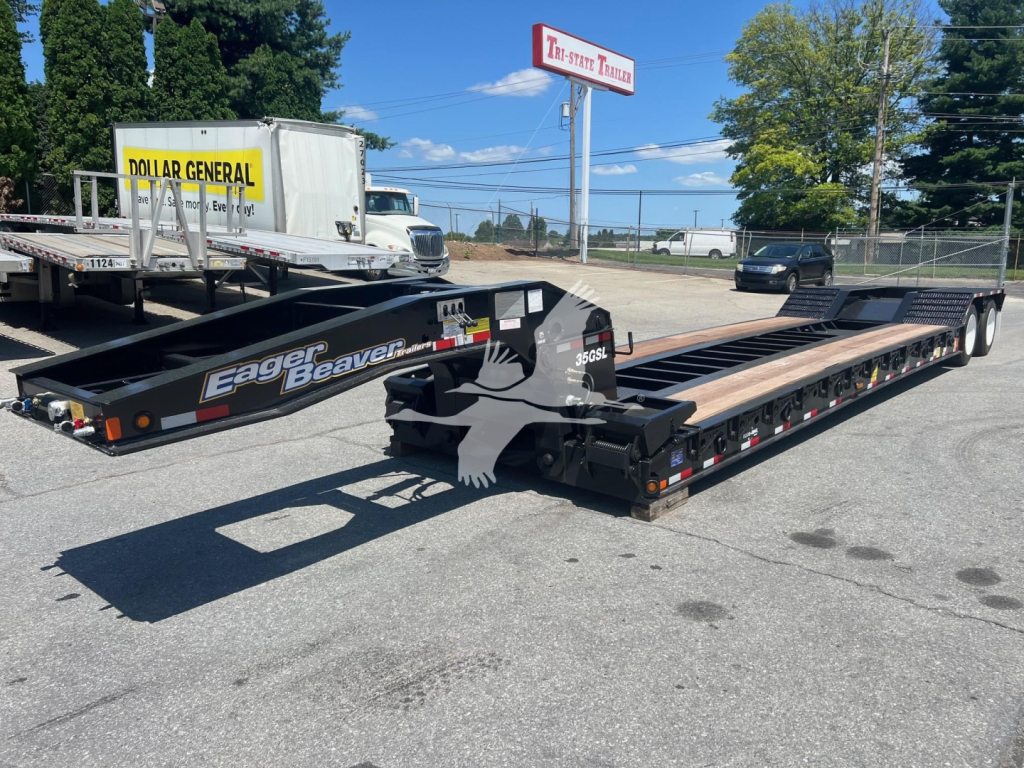
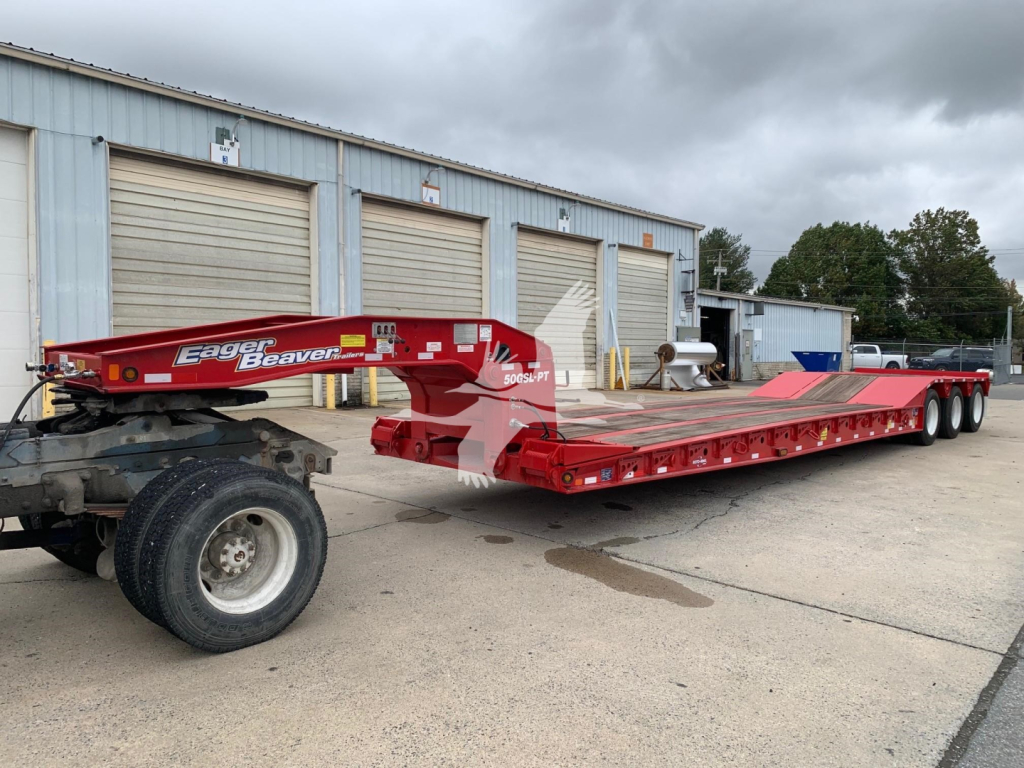
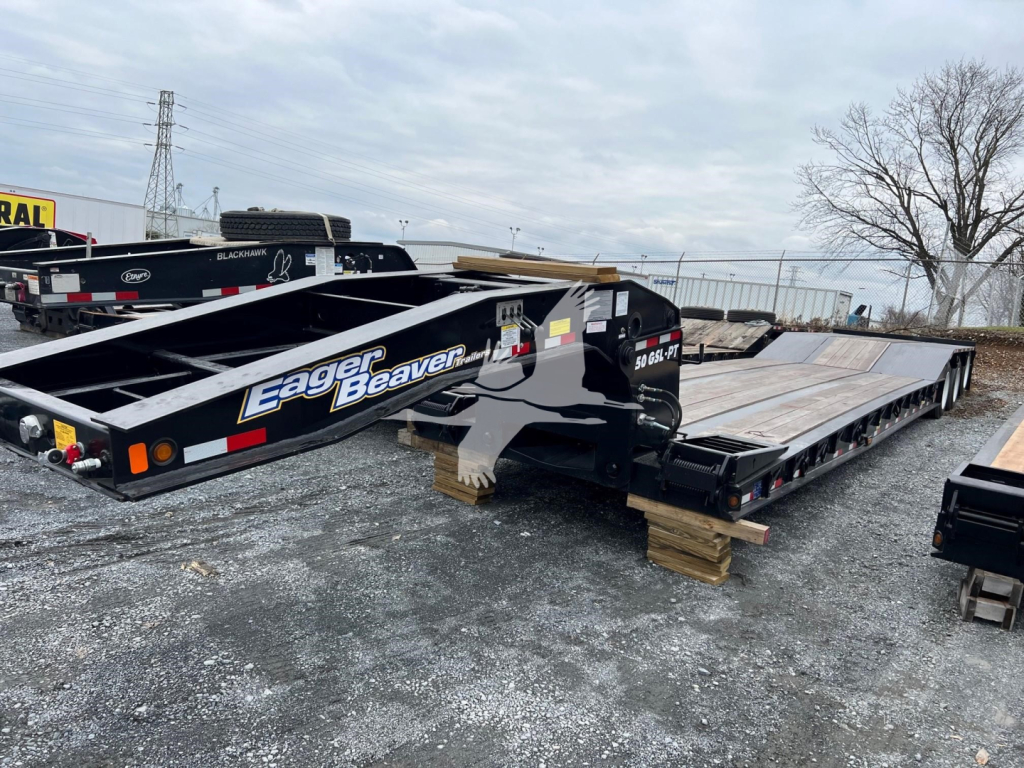
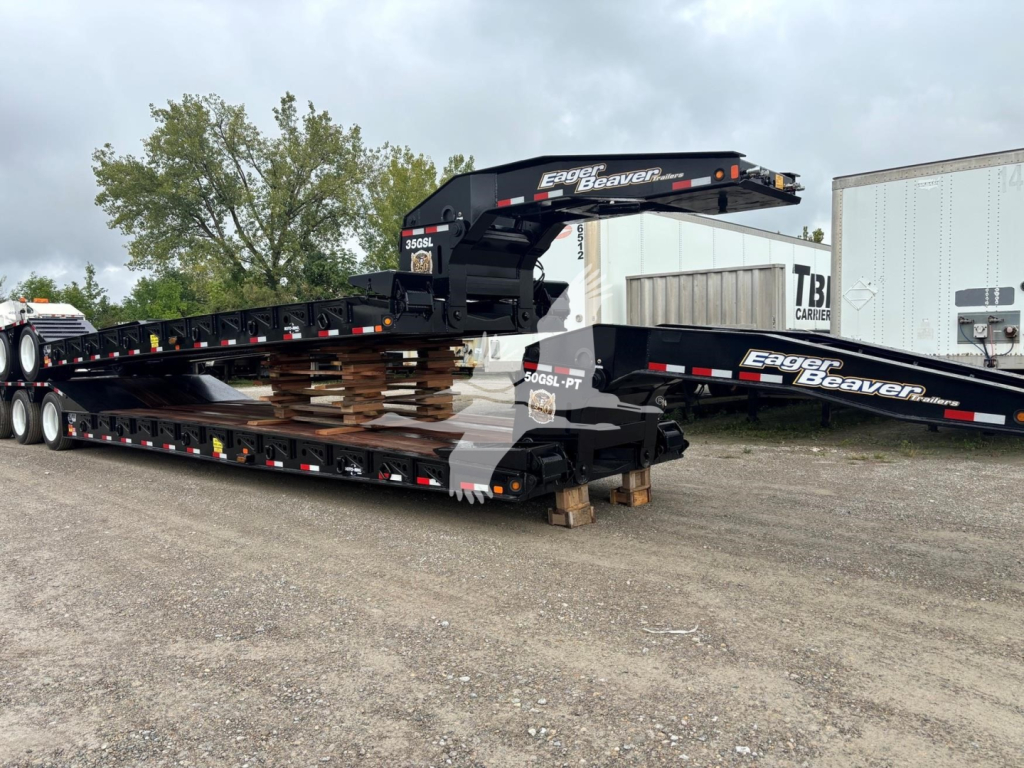
A lot of the buying decision comes down to deck geometry. Many Eager Beaver lowboy trailers in this class run 102-inch overall width, about 24-inch loaded deck height, and main deck lengths around 24 feet, with top decks in the 11-foot to 12-foot range. Rear deck and tail configuration can vary depending on the machine mix. Paver-focused versions often give you a longer rear section, spring-assist front ramps, and a slope that works well for lower-clearance equipment. Buyers should also pay attention to swing clearance, kingpin setting, and gooseneck style, especially if the trailer will be paired with different road tractors across a fleet. A non-ground-bearing hydraulic detachable neck is a strong fit for operations that want quicker hook-up and less hassle on uneven jobsite surfaces.
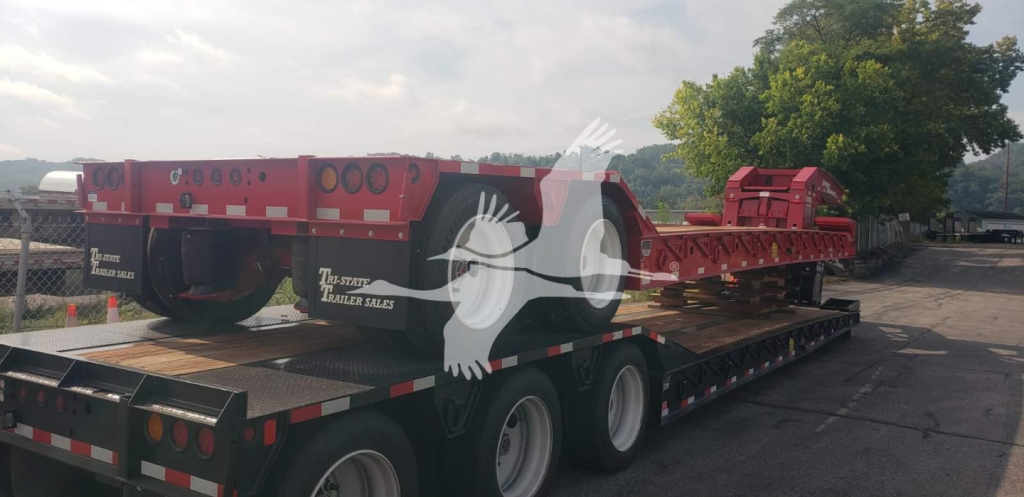
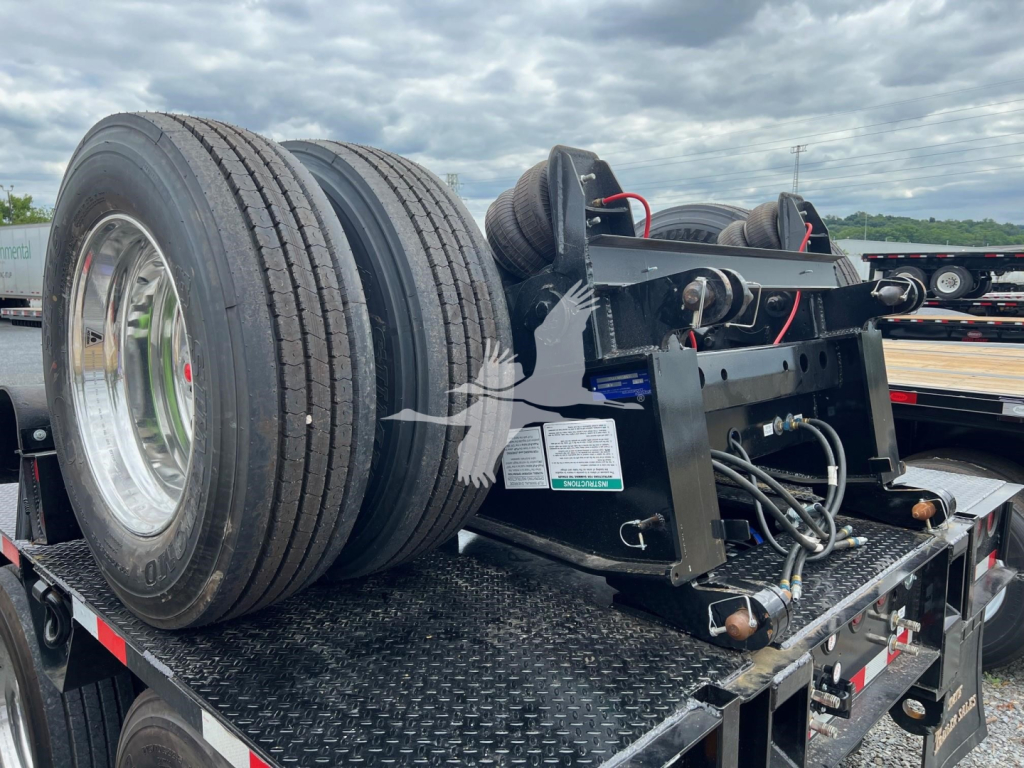
Structure and securement features are just as important as ton rating. Common specs in this group include steel perimeter beam construction, 1 1/2-inch Apitong flooring, crossmembers sized for concentrated equipment loads, and outriggers on 24-inch centers that lock in and out. ROTO-style D-rings, bolster securement points, recessed bucket wells or bucket plates, and roller stops on the tailboard all add real jobsite utility. Air ride suspension with dump and raise-lower controls helps during loading and ride quality, while 255/70R22.5 tires, 54-inch axle spacing, and optional lift or flip axle configurations can affect both legal payload strategy and maneuverability. On higher-capacity models, a third axle or flip axle setup can be the difference between a trailer that works only occasionally under permit and one that fits your regular haul profile.
For a buyer comparing listings, the practical questions are simple: what machines will ride on it most often, what axle group and permit environment will it run in, and how much flexibility is needed for future equipment changes. A 35-ton Eager Beaver lowboy may be ideal for paving crews, rental fleets, and general contractors moving midsize iron every day. A 50-ton setup makes more sense when heavier excavators, crushing support equipment, or denser load configurations are part of the schedule. New trailers in this category appeal to buyers who want current brake and ABS spec, fresh suspension components, unworn deck material, and a known starting point for maintenance. The best choice is the one whose deck design, neck style, and axle configuration match the actual machines on your load list, not just the highest published capacity.
Frequently Asked Questions about New Eager Beaver Lowboy Trailers
What is the advantage of a hydraulic detachable gooseneck on an Eager Beaver lowboy trailer?
A hydraulic detachable gooseneck lets equipment drive onto the deck from the front, which is often safer and easier for low-clearance or tracked machines than loading over the rear. On Eager Beaver lowboys, a non-ground-bearing hydraulic neck is especially useful on uneven surfaces because it reduces the need for perfectly flat conditions during detach and reattach. It also speeds up loading cycles for fleets that move equipment frequently between jobs.
How do I choose between a 35-ton and 50-ton lowboy trailer?
Start with the actual operating weight, attachment weight, and axle spacing of the machines you haul most often. A 35-ton lowboy is commonly used for pavers, midsize excavators, rollers, and general construction equipment, while a 50-ton trailer is better suited for heavier excavators, dozers, and more demanding concentrated loads. Buyers should look beyond the posted ton rating and verify deck length, axle count, suspension, and the permit requirements in their operating states.
Why does deck height matter on a lowboy trailer?
Deck height affects loading angle, machine stability, and legal loaded height. A lowboy with a loaded deck height around 24 inches helps keep taller equipment under height limits while also making loading easier for machines with limited ground clearance. Lower deck height can also improve hauling flexibility when the load includes cabs, guards, or attachments that push overall height close to legal maximums.
What features should I look for if I haul paving equipment?
Paving applications often benefit from a longer rear deck, a smoother slope transition, spring-assist ramps, and durable wood decking such as Apitong. Securement points matter because pavers and support machines may have different tie-down patterns than excavators or dozers. Buyers hauling paving equipment should also pay attention to tailboard design, roller stops, outriggers, and any deck details that make it easier to load low-clearance machines without dragging.
Does a flip axle increase the usable capacity of a lowboy trailer?
A flip axle can help distribute weight across more axles, which may improve bridge compliance and legal payload potential depending on the state and route. It does not automatically change every legal rating, because permitting rules, spacing, and tractor configuration still control what can be hauled. For buyers regularly moving heavier machines, a lowboy set up to work with a flip axle can provide more flexibility than a fixed tandem or tri-axle trailer alone.