
Eager Beaver Lowboy Trailers For Sale
Shop Eager Beaver lowboy trailers with hydraulic detachable goosenecks, 35 to 50 ton ratings, air ride suspensions, and heavy equipment hauling specs.
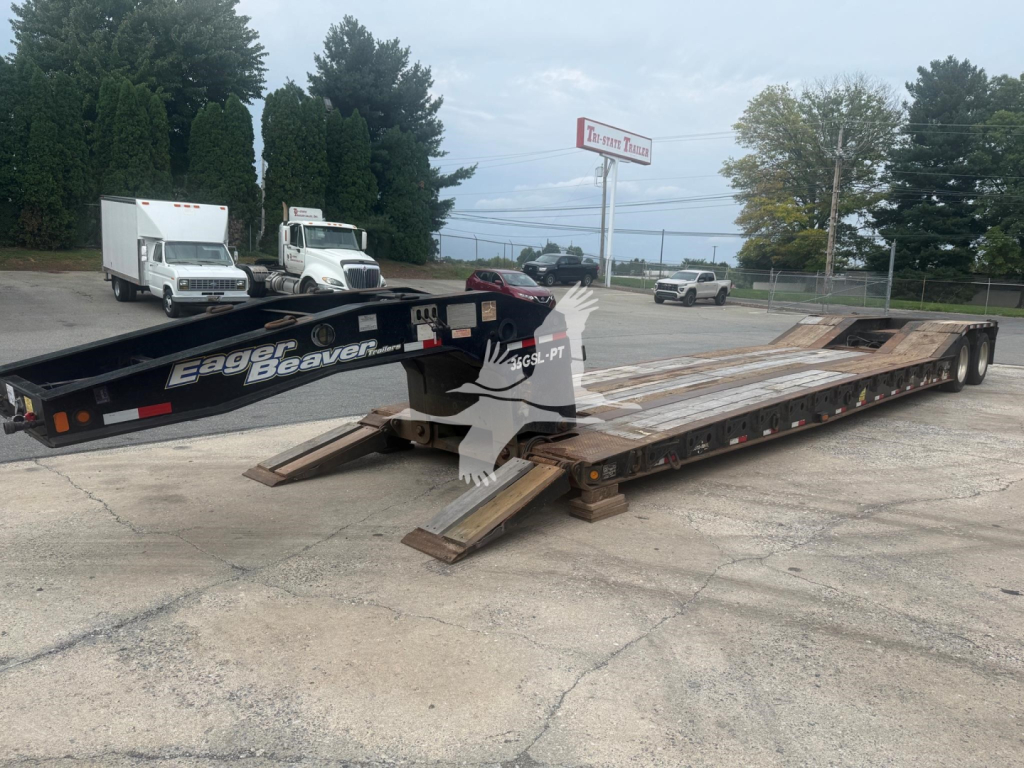
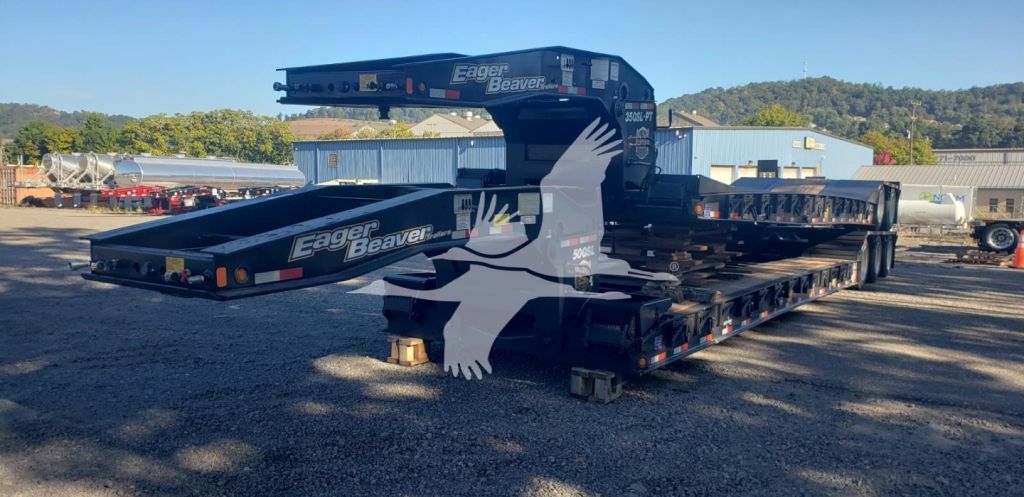
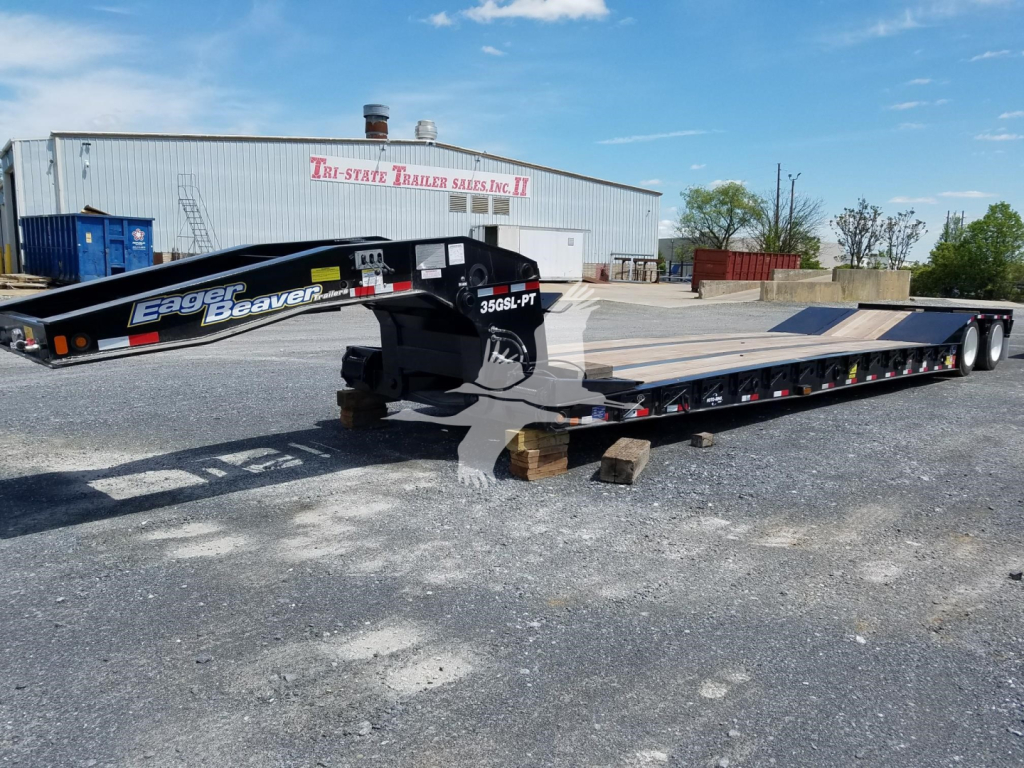
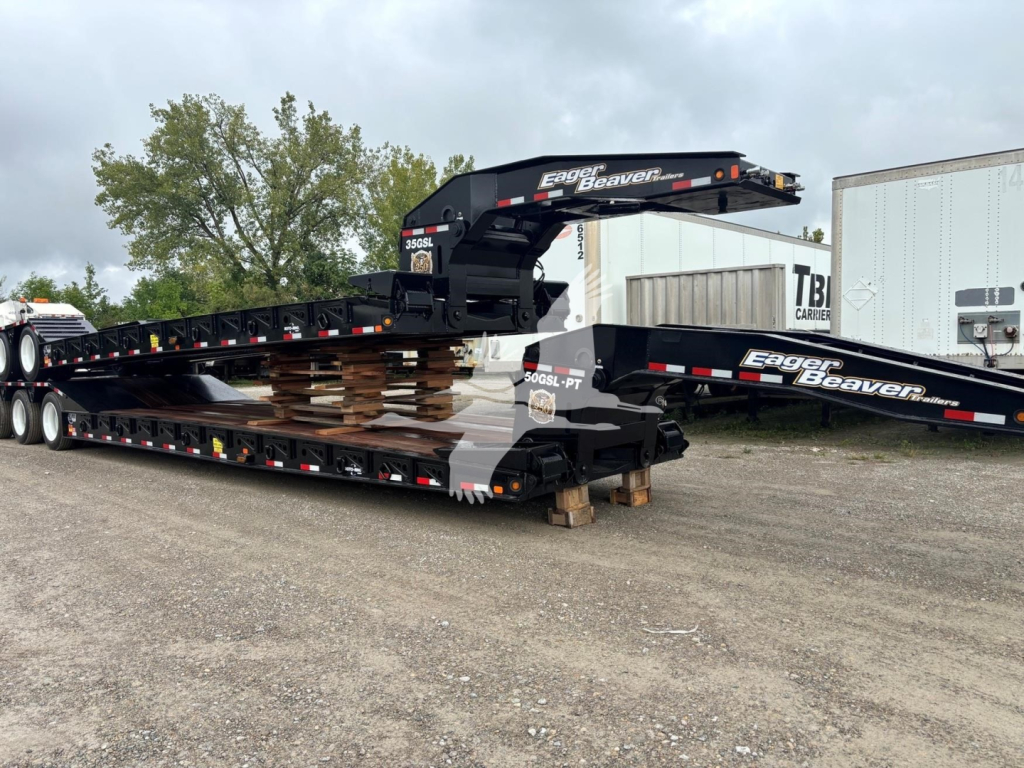
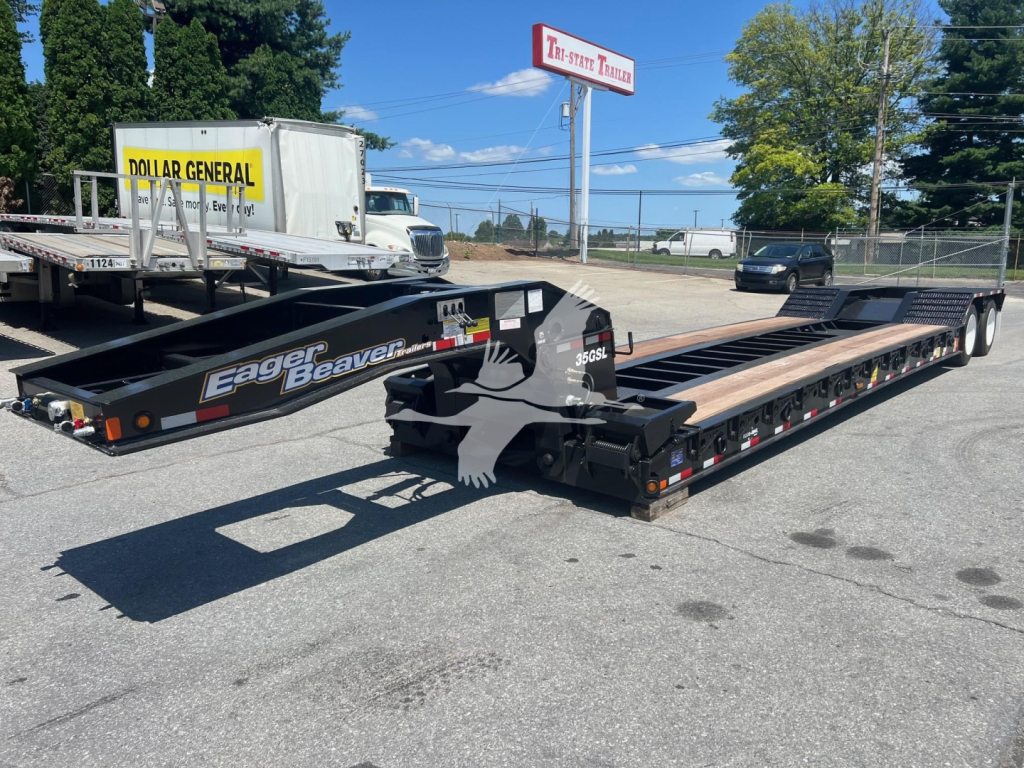
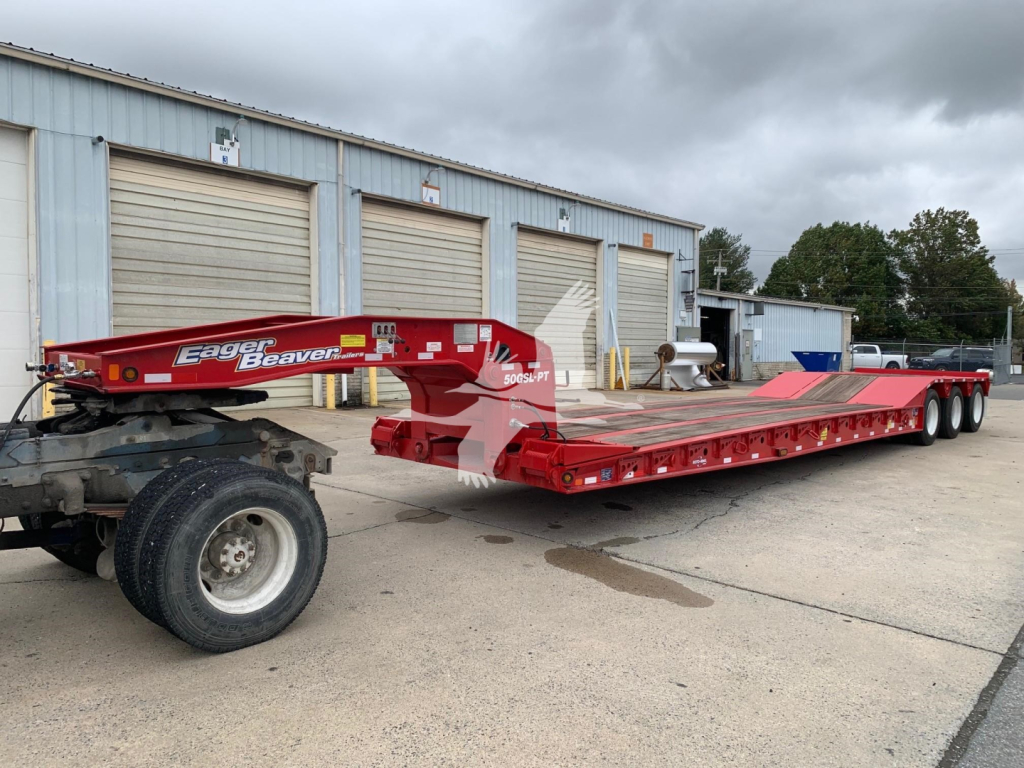
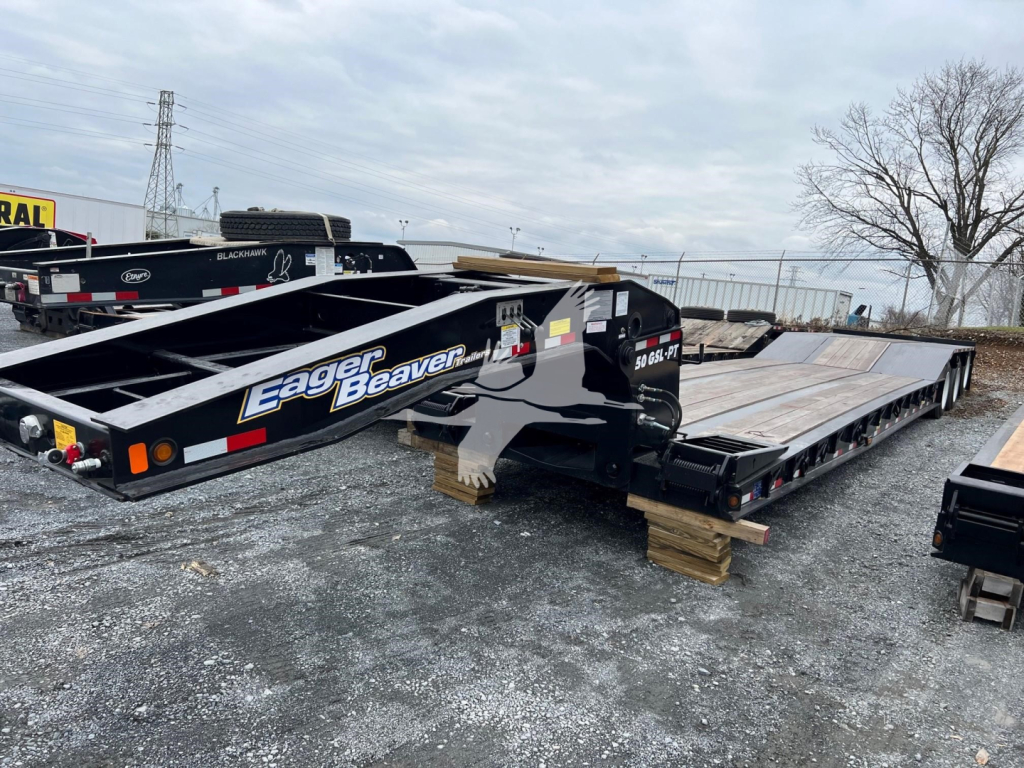
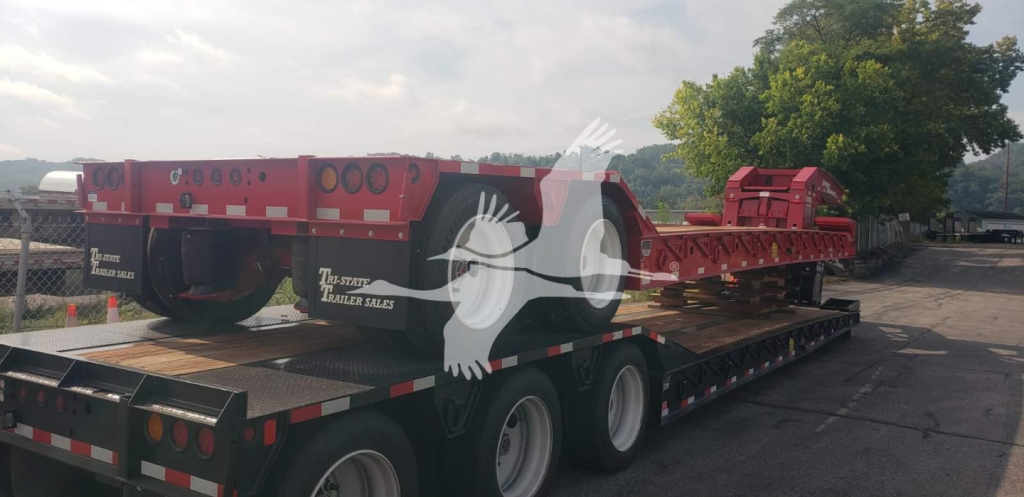
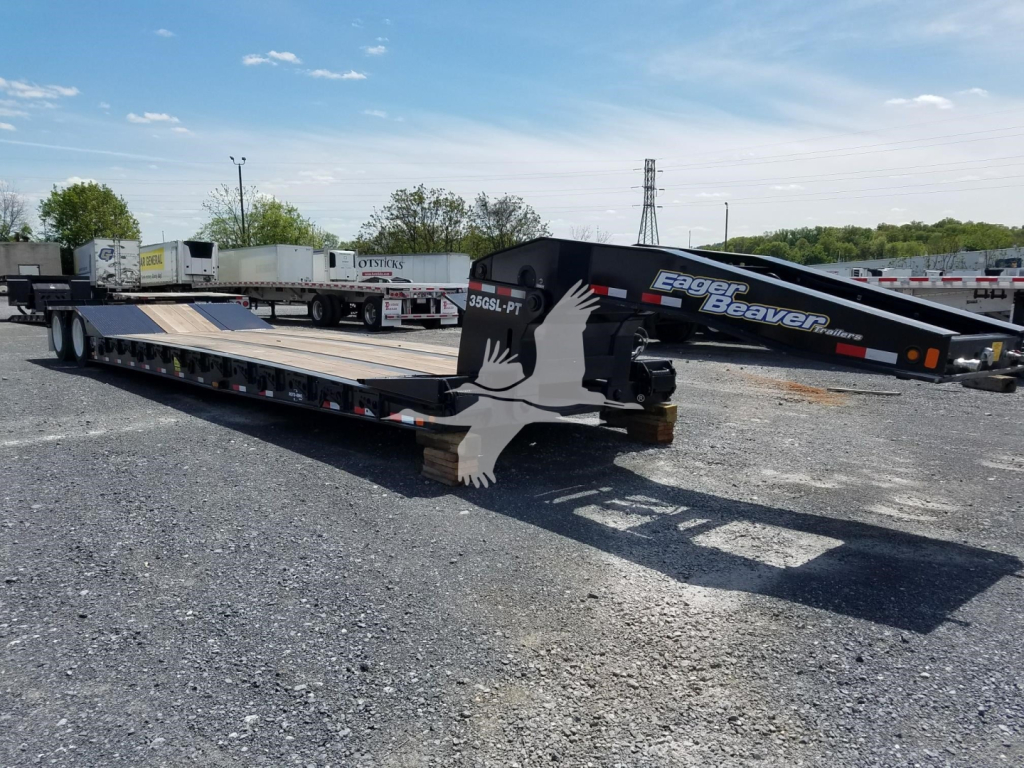
Selling a eager beaver lowboy trailer? List your eager beaver lowboy trailer for sale and reach thousands of commercial buyers.
Eager Beaver Lowboy Trailers
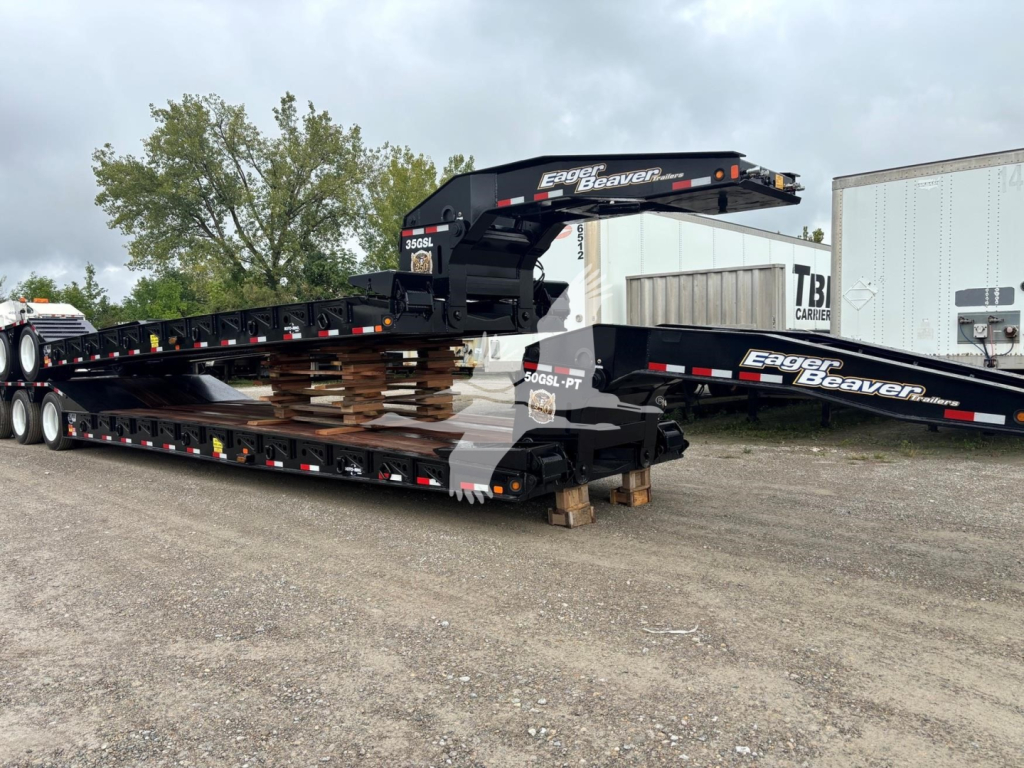
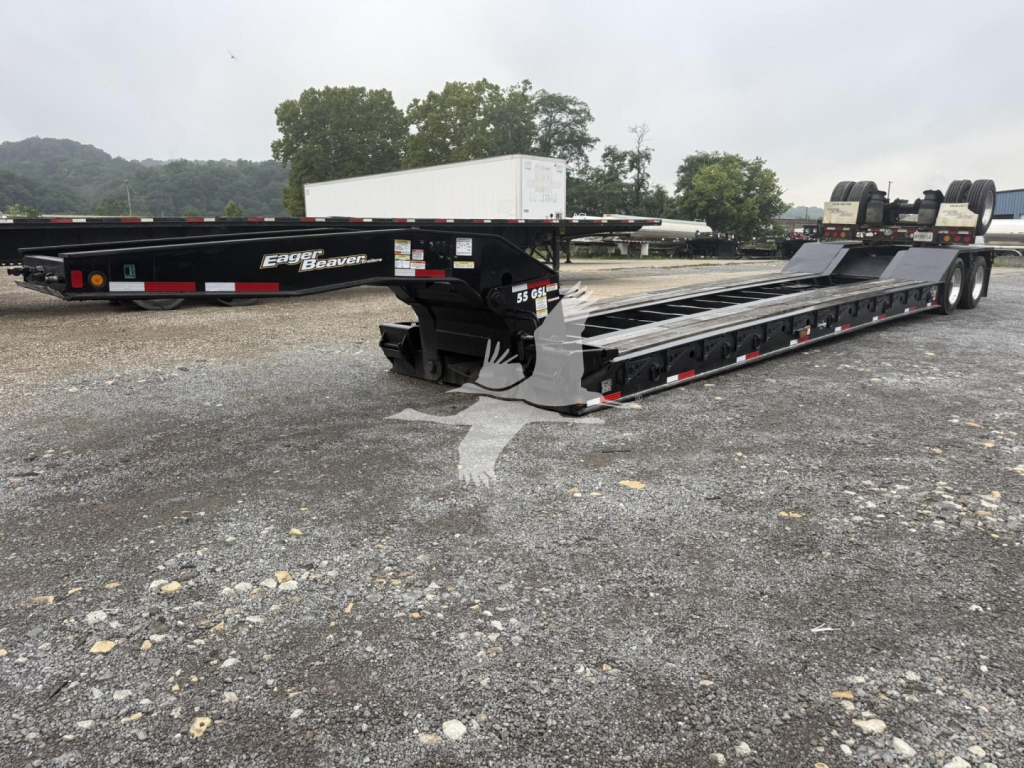
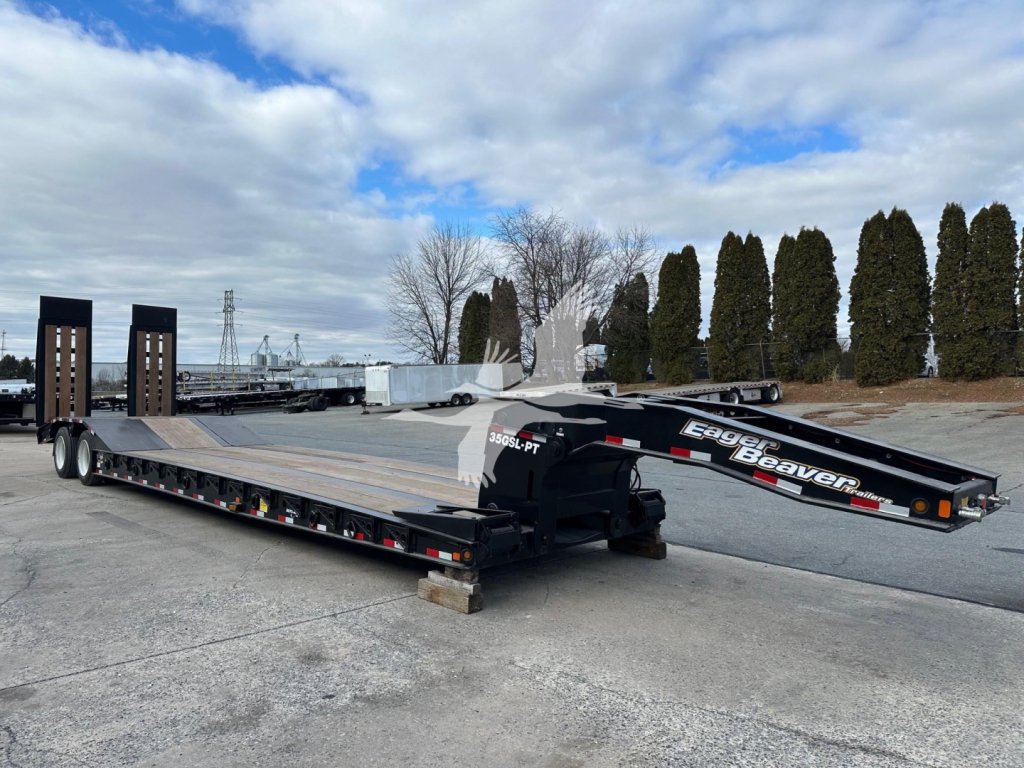
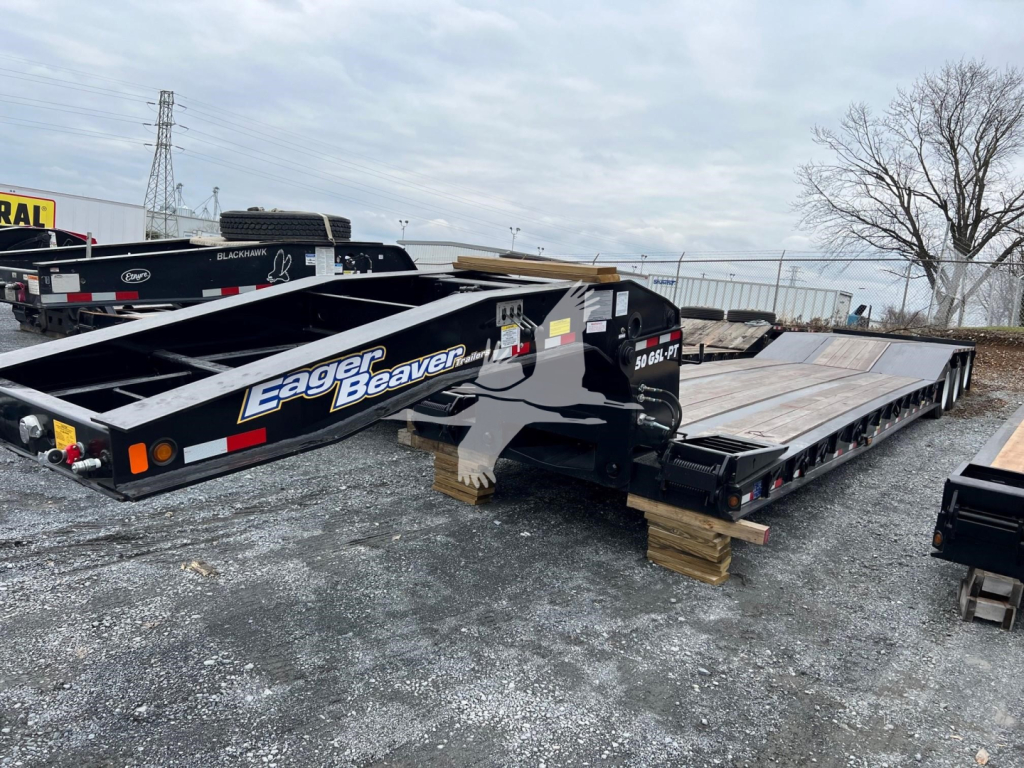
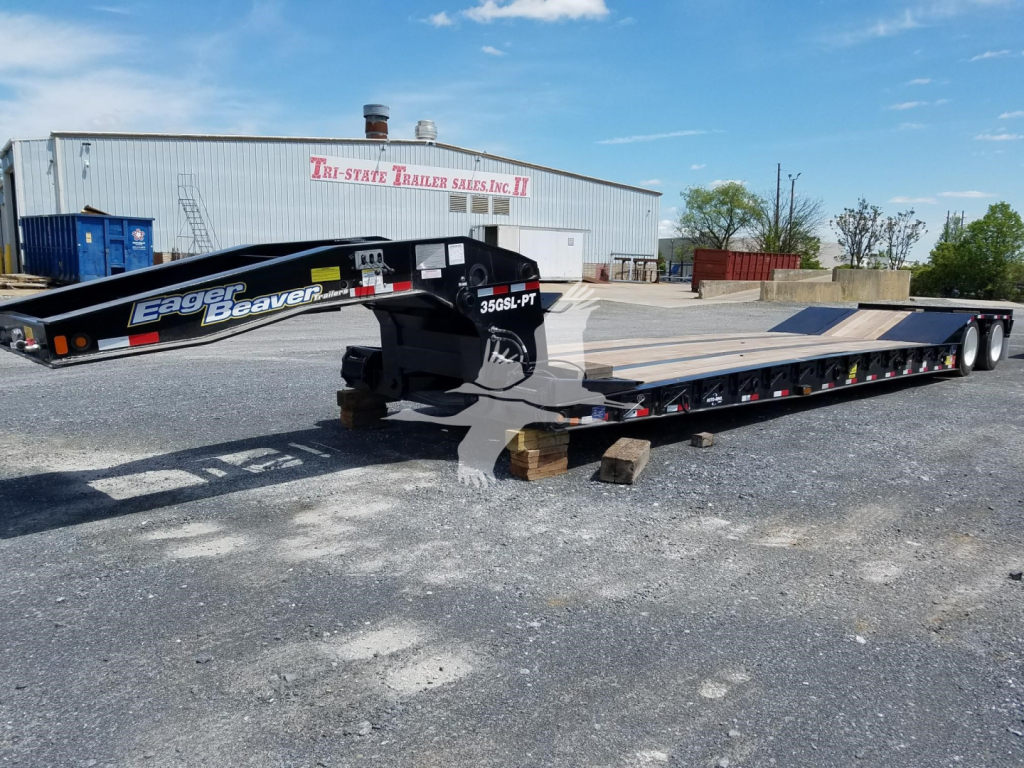
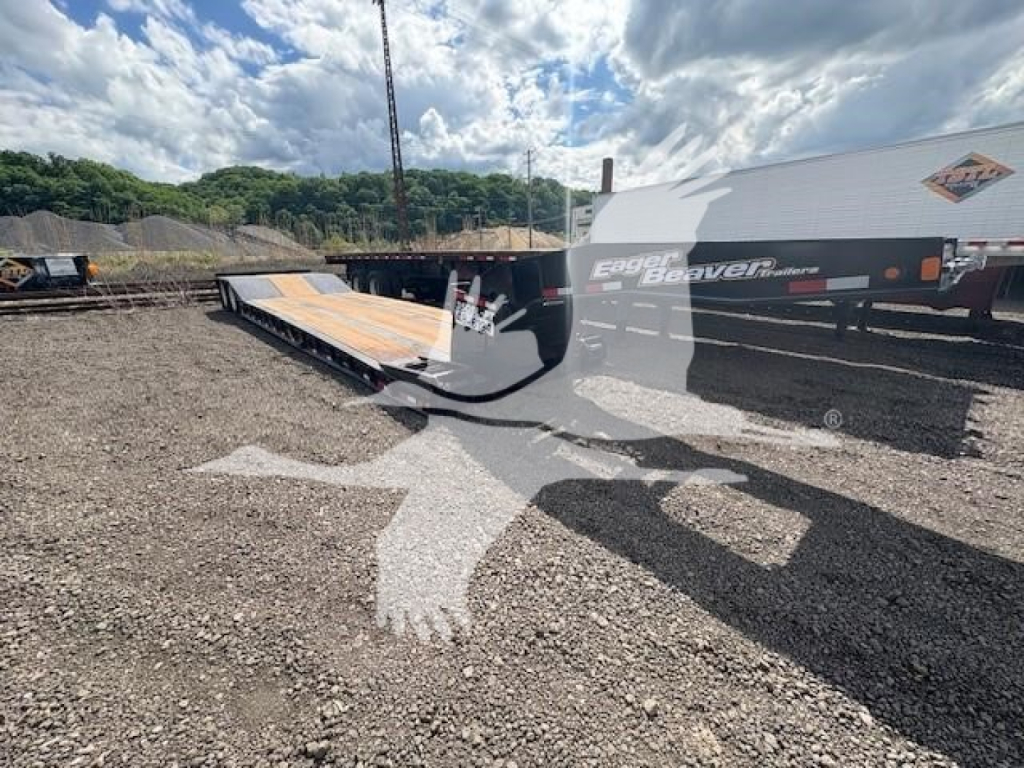
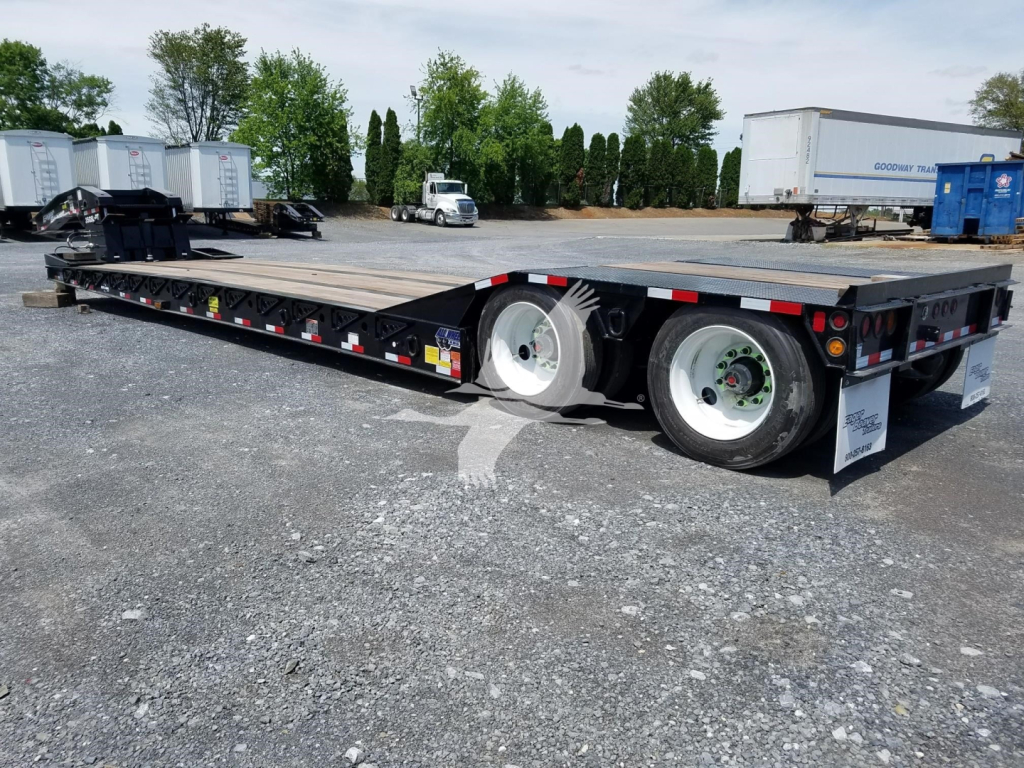
A lot of the decision comes down to deck layout and axle package. Eager Beaver models in this class often use a top deck around 11 feet 6 inches to 12 feet 6 inches, a main deck around 24 feet, and a rear deck that varies by capacity and application. Tandem axle 35 ton units are a good fit for mid-size construction equipment and paving support fleets, while tri-axle 50 ton models are better suited for heavier iron and higher concentrated loads. Hydraulic detachable necks are popular because they speed up loading and unloading without requiring ramps for every machine, and non-ground-bearing neck designs are common for fleets that want fast hookups and simpler operation. Buyers should also pay attention to kingpin setting, axle spacing, and swing clearance, especially if the trailer will be matched to a specific tractor wheelbase or used in tighter jobsite access conditions.
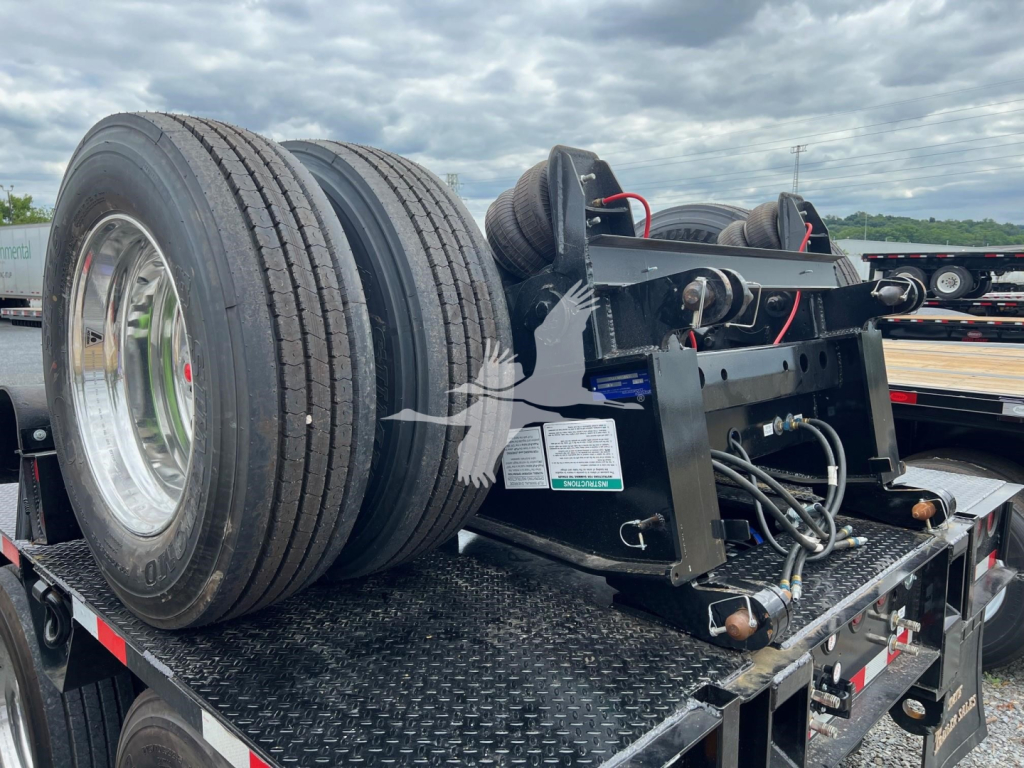
Construction details matter on an Eager Beaver lowboy because these trailers are expected to take repeated loading cycles and point-load stress. Steel frames with 18-inch crossmember spacing are common, along with 1 1/2-inch Apitong flooring, often with a mesh center for traction and drainage. Many feature swing-out outriggers on 24-inch centers, ROTO D-rings, roller stops, bucket wells or boom wells on some models, and spring-assist front ramps. Air ride suspension is typical and helps protect both trailer structure and cargo, while raise-and-lower valves, manual dump valves, and lift axles can improve loading approach, ride control, and tire life. Tire size in this segment is frequently 255/70R22.5 on steel or steel disc wheels.
For buyers comparing listings, the practical questions are payload, machine fit, and permitting profile. A 35 ton Eager Beaver lowboy may be the right tool for asphalt and utility contractors that need a lighter trailer with strong daily usability, while a 50 ton paver-special or general equipment hauler gives more flexibility for larger tracked machines and denser loads. Look closely at deck length, rear bridge, ramp style, loaded fifth-wheel height, tie-down package, and any specialized features such as recessed bucket plates, traction bars, or wood-in-trunnion sections. The right trailer is the one that matches the heaviest machine in the fleet, the tractors available to pull it, and the state bridge and axle rules that apply to the routes it will run.
Frequently Asked Questions about Eager Beaver Lowboy Trailers
What is the difference between a 35 ton and 50 ton Eager Beaver lowboy trailer?
The biggest differences are payload capacity, axle configuration, trailer weight, and the type of equipment the trailer is intended to carry. A 35 ton model is commonly a tandem axle setup suited for mid-size excavators, rollers, skid steer attachments, and paving equipment. A 50 ton model is often tri-axle and built for heavier or more concentrated loads such as larger excavators, dozers, and pavers. The 50 ton trailer will usually weigh more, may include a lift axle, and can affect permit requirements depending on the load and the states where it operates.
Why do buyers choose a hydraulic detachable gooseneck lowboy?
A hydraulic detachable gooseneck allows the machine to be loaded from the front with a lower and more controlled loading angle than many fixed-neck trailer designs. That is especially useful for tracked equipment, low-clearance machines, and fleets that load frequently during the workweek. It can reduce loading time, improve safety, and make it easier to move equipment without relying entirely on rear ramps. Buyers should still confirm tractor wet kit compatibility, fifth-wheel height, and neck style before purchase.
What deck and flooring features are common on Eager Beaver lowboy trailers?
Many Eager Beaver lowboys use a steel frame with Apitong wood flooring, often in a 1 1/2-inch thickness. Apitong is widely used because it handles repeated equipment loading well and offers good wear resistance. Buyers will also commonly see mesh center sections for traction, swing-out outriggers for occasional overwidth support, D-ring tie-downs, and rear roller stops. Some models include bucket recesses, boom wells, or traction aids that are especially useful for excavators and paving equipment.
Is air ride suspension important on a lowboy trailer?
Air ride suspension is a major advantage for many lowboy applications because it helps absorb road shock, improves ride quality, and can reduce stress on both the trailer and the machine being hauled. It also works well with raise-and-lower functions and dump valves that help during loading, unloading, and deck height adjustment. For fleets hauling high-value equipment or running mixed road and jobsite conditions, air ride is often preferred over more basic suspension setups.
What should I check to make sure an Eager Beaver lowboy will match my tractor and routes?
Start with loaded fifth-wheel height, kingpin setting, neck type, and the wet kit requirements for the detachable gooseneck. Then compare axle spacing, number of axles, and overall trailer length to the bridge laws and permit practices in the states where the trailer will run. It is also smart to confirm swing clearance, deck length, and rear deck design against the dimensions of the largest machine in the fleet. A trailer that carries the weight on paper still needs to fit the machine correctly and stay legal on the road.