
2025 Eager Beaver Lowboy Trailers For Sale
Shop 2025 Eager Beaver lowboy trailers. Compare 35 to 50 ton detachable designs, deck specs, axle setups, and heavy equipment hauling features.
Selling a 2025 eager beaver lowboy trailer? List your 2025 eager beaver lowboy trailer for sale and reach thousands of commercial buyers.
2025 Eager Beaver Lowboy Trailers
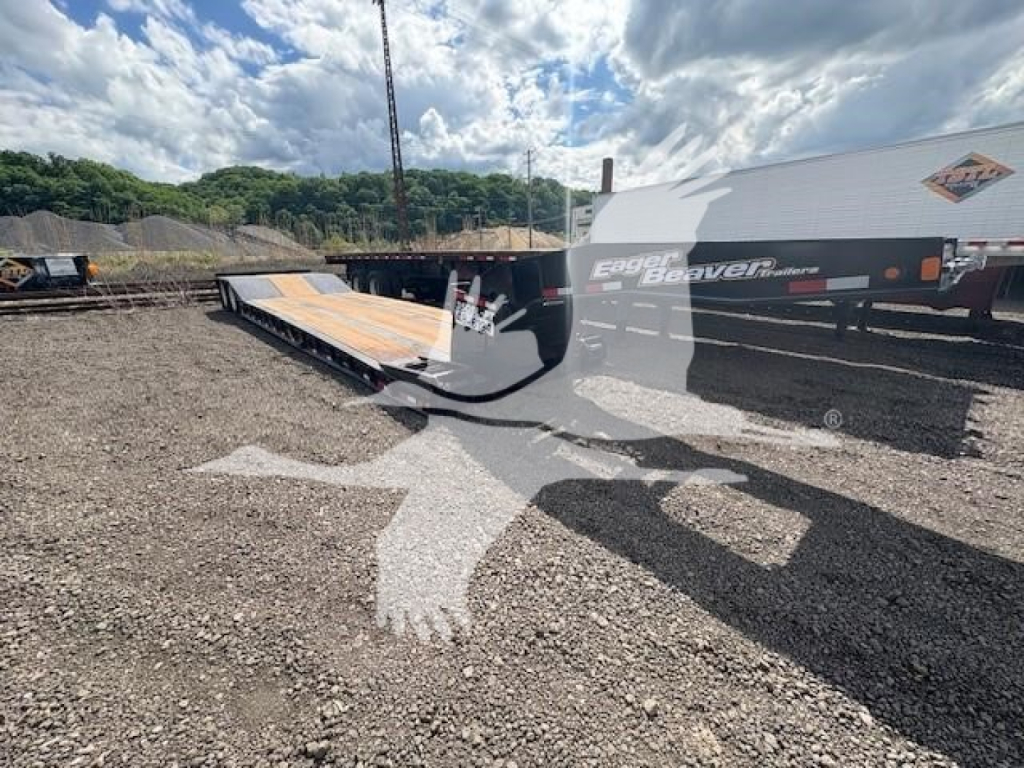
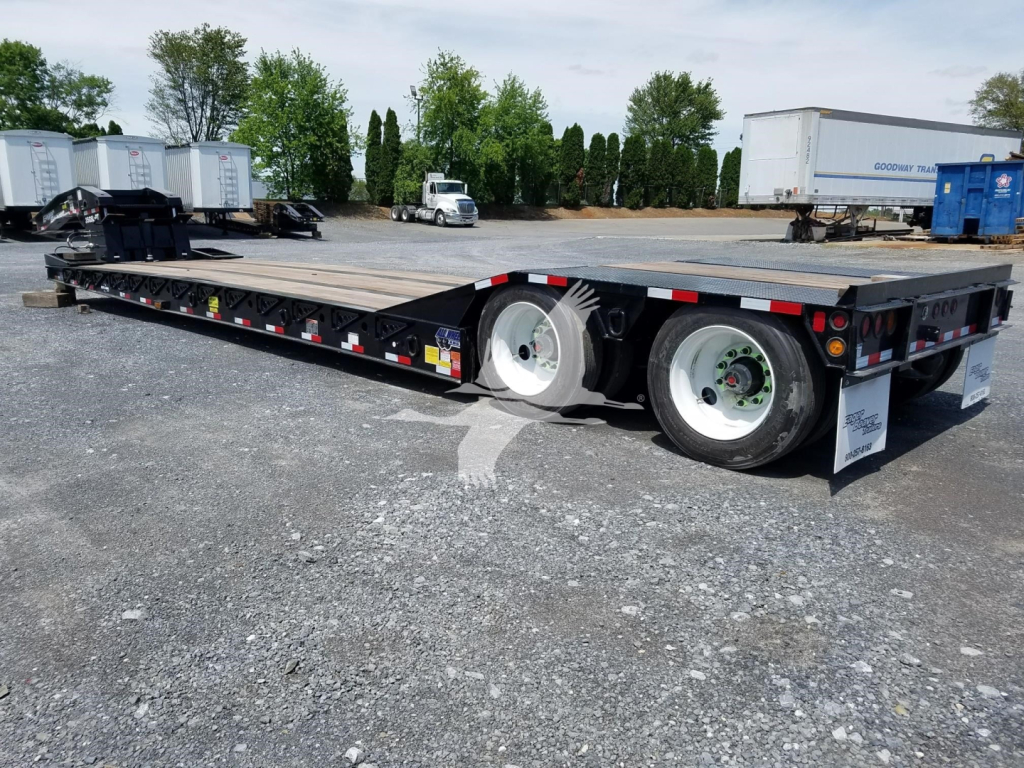
Deck layout matters as much as capacity. Many Eager Beaver lowboys in this class use top decks around 11 feet 6 inches to 12 feet 6 inches, main decks around 24 feet, and rear deck sections that vary depending on beavertail or paver-style design. Buyers hauling asphalt pavers, compactors, excavators, dozers, and large loaders should pay close attention to deck length, swing clearance, and the transition angle at the riser. Features such as 1-1/2 inch Apitong flooring, mesh center sections, steel perimeter beams, 24-inch outriggers, and multiple ROTO D-rings are important if the trailer will see mixed cargo or frequent chain-down changes. Roller stops, wood-filled ramps, and hydraulic beavertails can also make a difference in day-to-day loading efficiency.
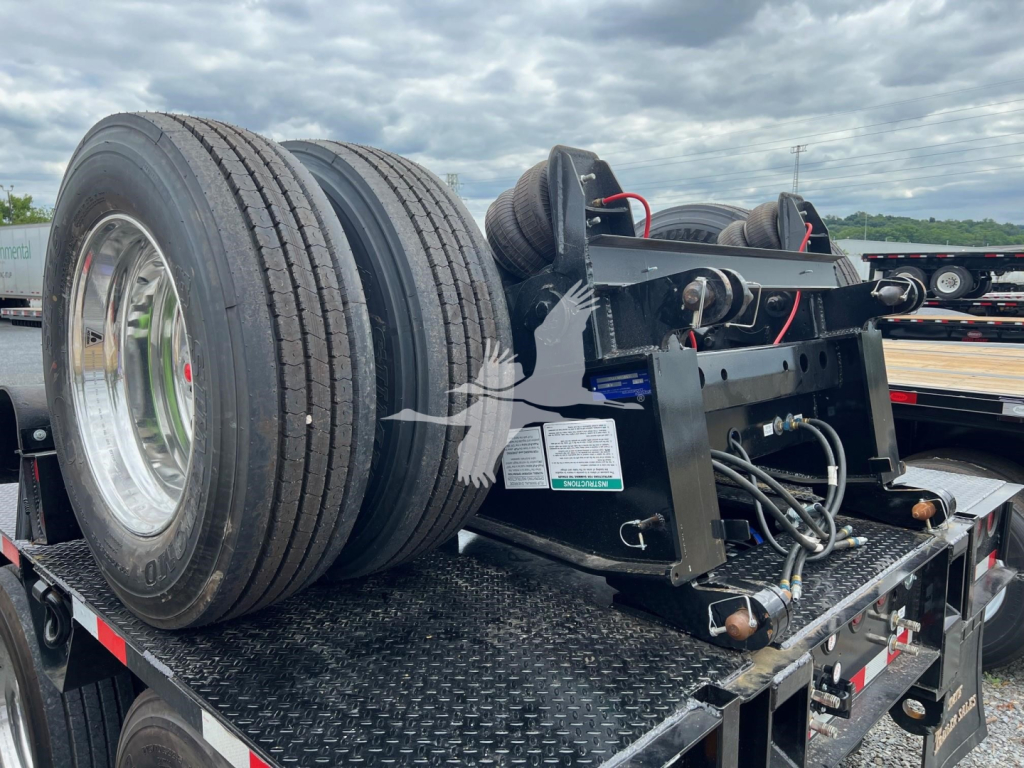
Suspension and axle setup are another major decision point. Eager Beaver lowboys in this range are often spec'd with air ride suspension, 54-inch axle spacing, 255/70R22.5 tires, and two-axle or three-axle groups depending on capacity. Buyers operating in states with stricter bridge or axle laws may also consider flip axles or future expandability for heavier permits. A 35-ton unit is often a practical fit for mid-size iron and regional contractors, while a 50-ton detachable paver trailer is better suited to heavier machines and higher utilization fleets. Loaded fifth wheel height, kingpin setting, crossmember spacing, and non-ground-bearing neck design all affect tractor compatibility, turning clearance, and how the trailer performs on uneven jobsite entries.
The best 2025 Eager Beaver lowboy for sale is usually the one matched tightly to the equipment you move most often, not simply the one with the highest rating. Check machine operating weight, track width, ground clearance, and overall length against the usable well length and securement points. For buyers who load in mud, on millings, or on broken pavement, durability details like spring-assist ramps, raise-and-lower valves, dump valves, and protected lighting matter over time. Eager Beaver has long been a recognized name in heavy haul and contractor trailer applications, and their lowboy designs are generally chosen by buyers who want straightforward hydraulic detachable performance, jobsite-ready construction, and specs that fit real-world construction and paving work.
Frequently Asked Questions about 2025 Eager Beaver Lowboy Trailers
What is the difference between a 35-ton and 50-ton Eager Beaver lowboy trailer?
The main difference is payload capability, but the real buying decision goes beyond the ton rating on paper. A 35-ton lowboy is commonly used for mid-size excavators, skid steer packages, compact dozers, loaders, and many paving support machines. A 50-ton model is built for heavier iron and usually carries a stronger frame, additional axle capacity, and specs intended for more demanding haul cycles. Buyers should compare actual machine weight, attachment weight, deck fit, and permit requirements instead of relying only on the advertised rating.
Why choose a hydraulic detachable gooseneck lowboy instead of a fixed-neck trailer?
A hydraulic detachable gooseneck lowboy allows front loading, which is a major advantage for tracked equipment, pavers, rollers, and machines with low ground clearance. It reduces loading angle issues and often speeds up loading compared with fixed-neck trailers that rely on rear ramps alone. For operations that load and unload several times per week, the detachable neck can improve safety, reduce wear on ramps, and make it easier to handle longer or heavier machines.
What specs matter most when comparing lowboy trailers for equipment hauling?
Capacity is only the starting point. Buyers should review loaded deck height, main deck length, top deck length, rear deck design, axle count, suspension type, kingpin setting, fifth wheel height, and securement hardware. Flooring material, outriggers, crossmember spacing, swing clearance, and ramp configuration also matter because they affect how easily a specific machine loads and how well the trailer holds up under repeated use. Matching these specs to the equipment fleet is more important than comparing overall trailer length alone.
Are flip axles important on an Eager Beaver lowboy?
A flip axle can be important if the trailer will operate in states where axle spacing and weight distribution have a direct impact on permit compliance. Adding a flip axle may increase flexibility for heavier loads and can help spread weight across more axles when regulations require it. Not every buyer needs one, but fleets that haul larger excavators, crushers, or other concentrated loads often consider a flip axle part of a scalable lowboy setup rather than an afterthought.
What kind of equipment is commonly hauled on an Eager Beaver lowboy trailer?
These trailers are commonly used for excavators, asphalt pavers, rollers, dozers, wheel loaders, backhoes, compact track loaders, and other construction or roadbuilding equipment that benefits from a low deck height. The exact fit depends on machine weight, width, attachment configuration, and the trailer's well length and loading style. Paver-focused lowboys may include features tailored to roadbuilding fleets, while general equipment lowboys are often spec'd to handle a wider mix of machines across construction, utility, and rental applications.