
Eager Beaver Lowboy Trailers For Sale in Pennsylvania
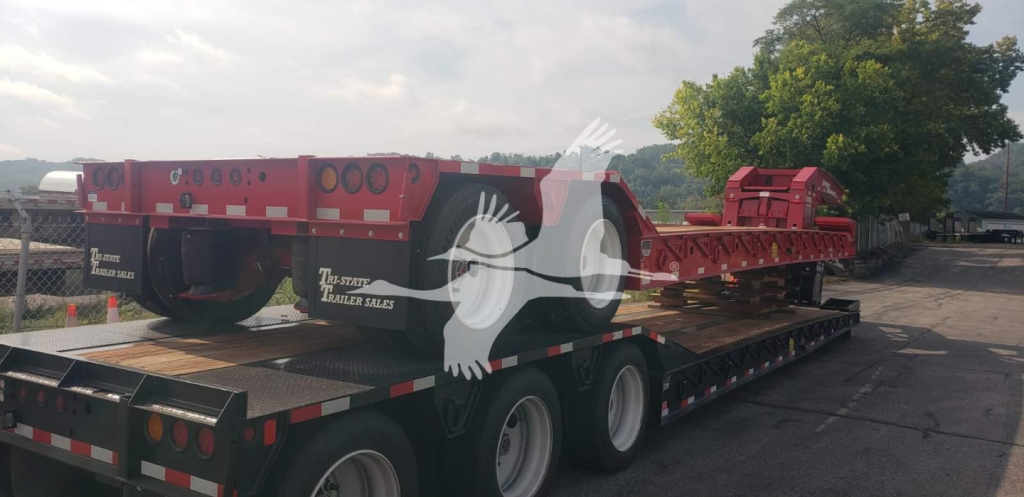
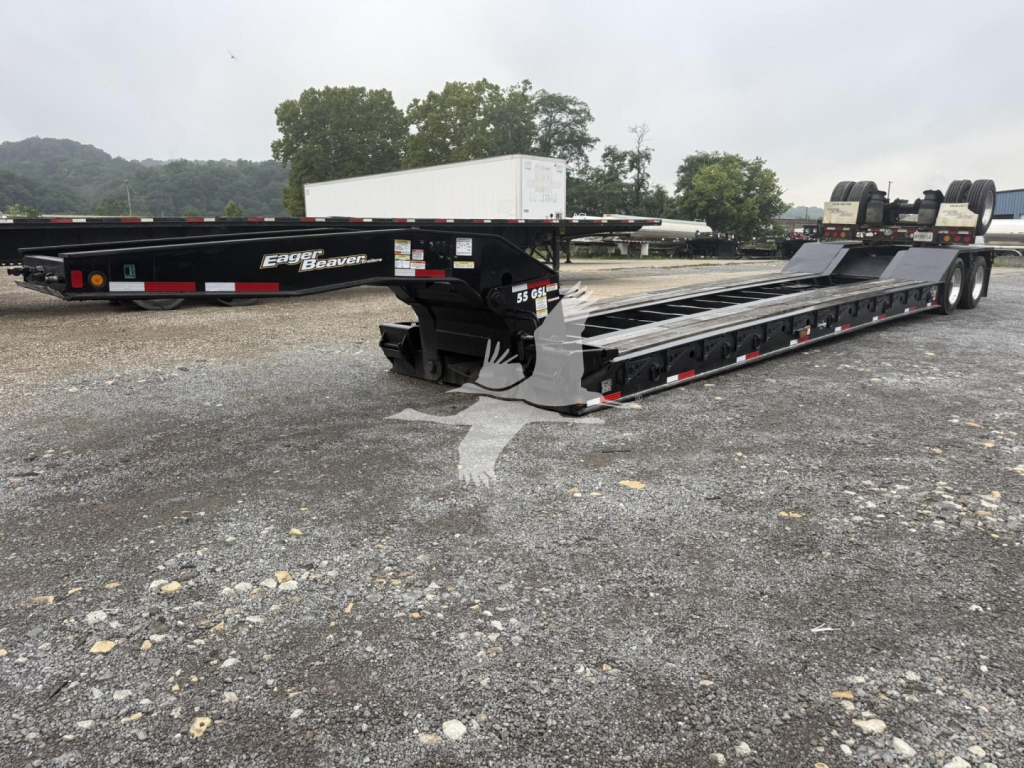
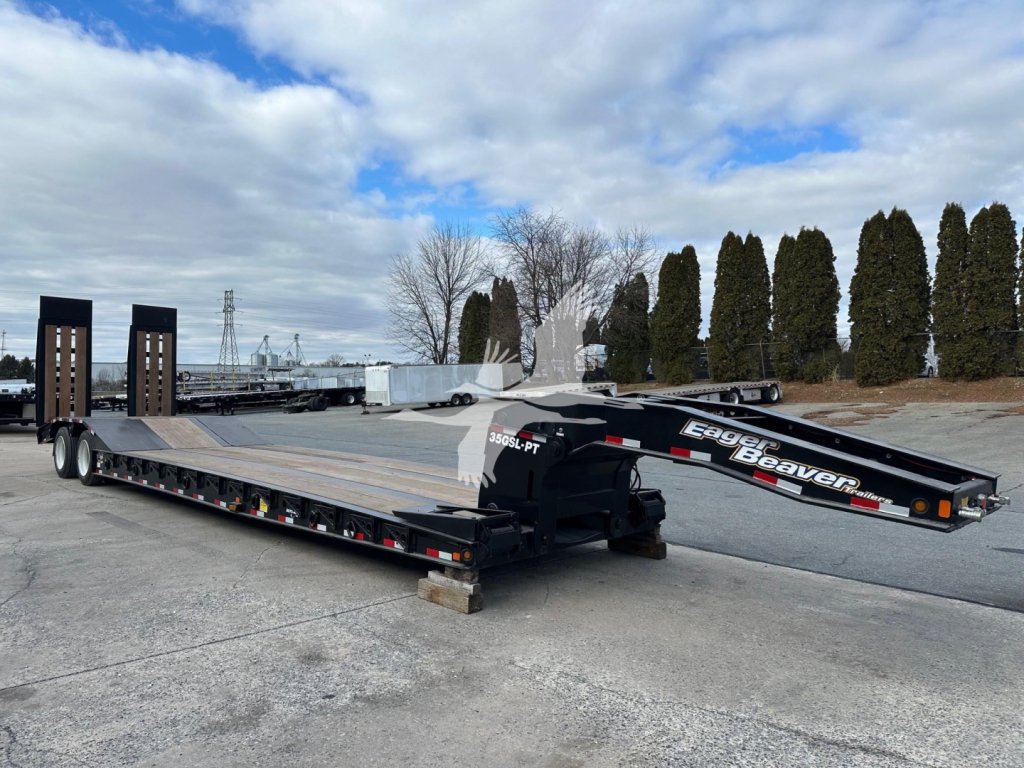
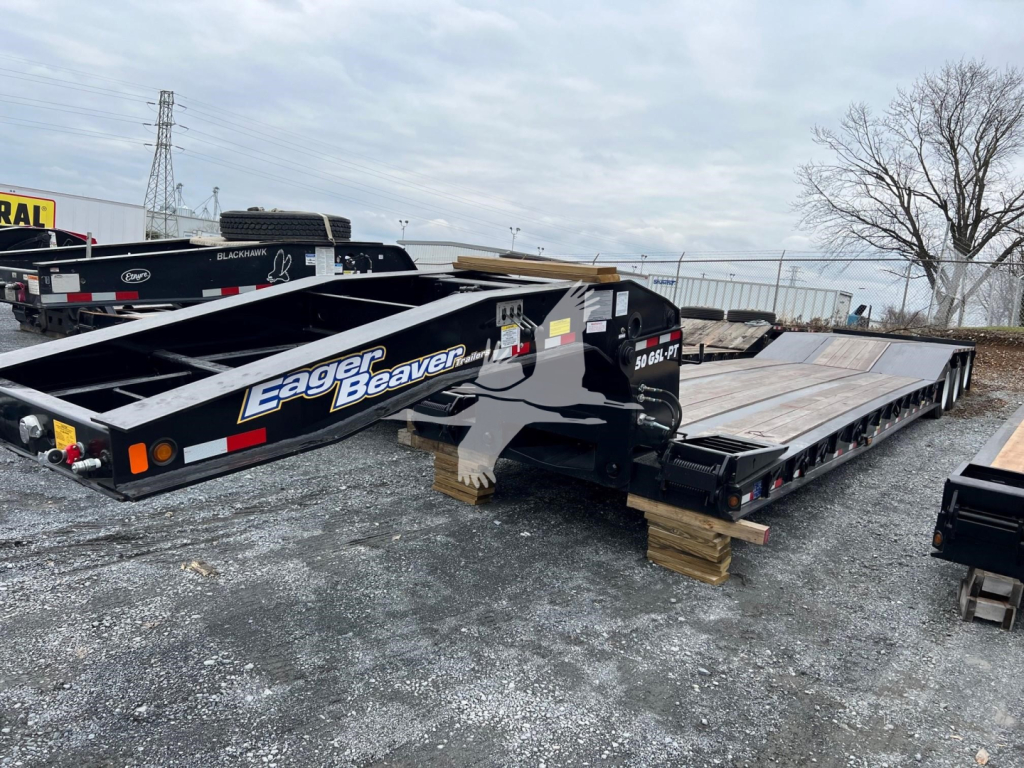
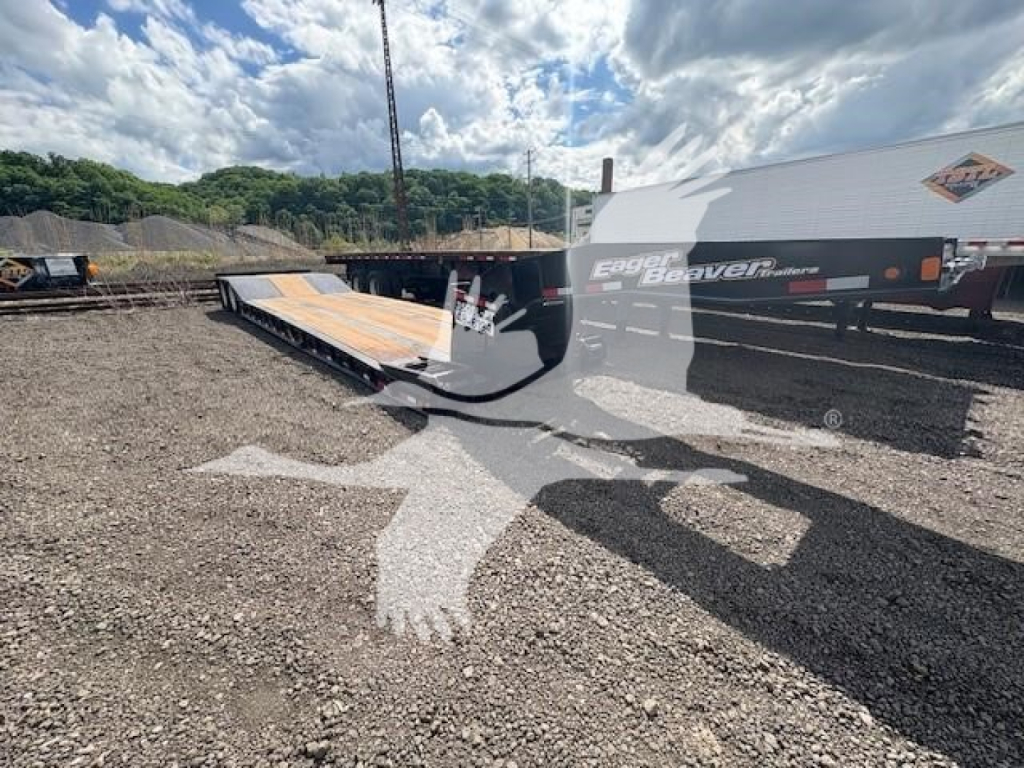
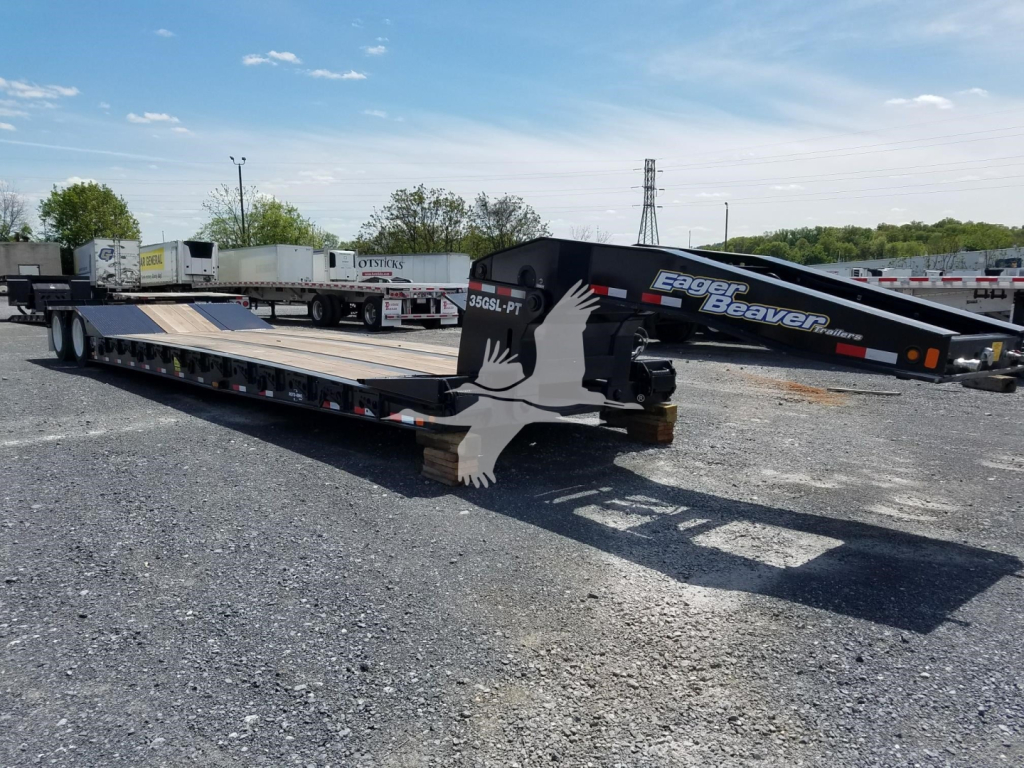
Shop Eager Beaver lowboy trailers with hydraulic detachable goosenecks, 35 to 50 ton ratings, air ride suspensions, and Apitong floors.
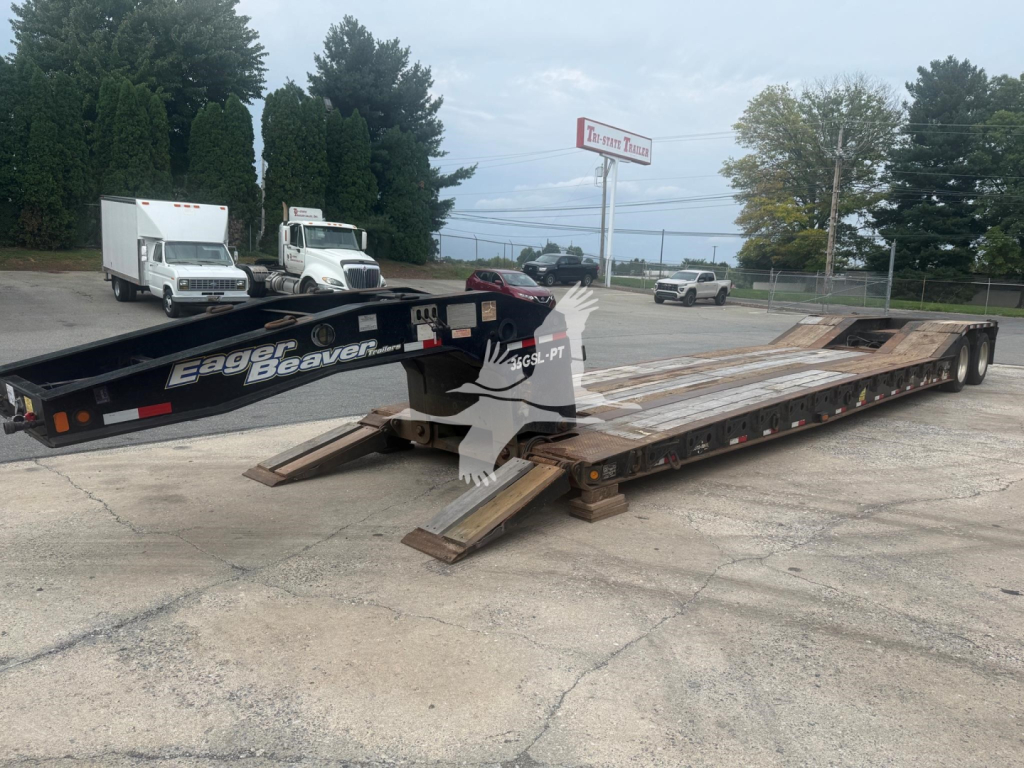
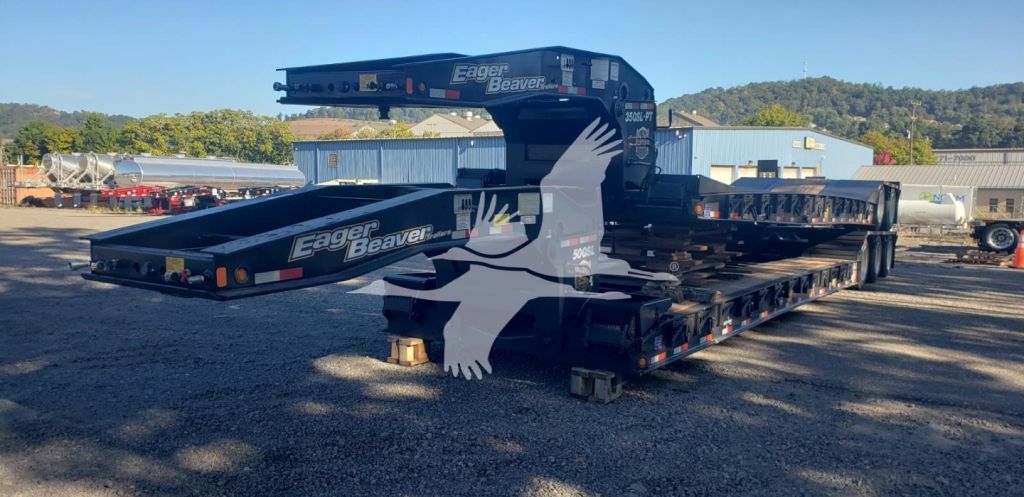
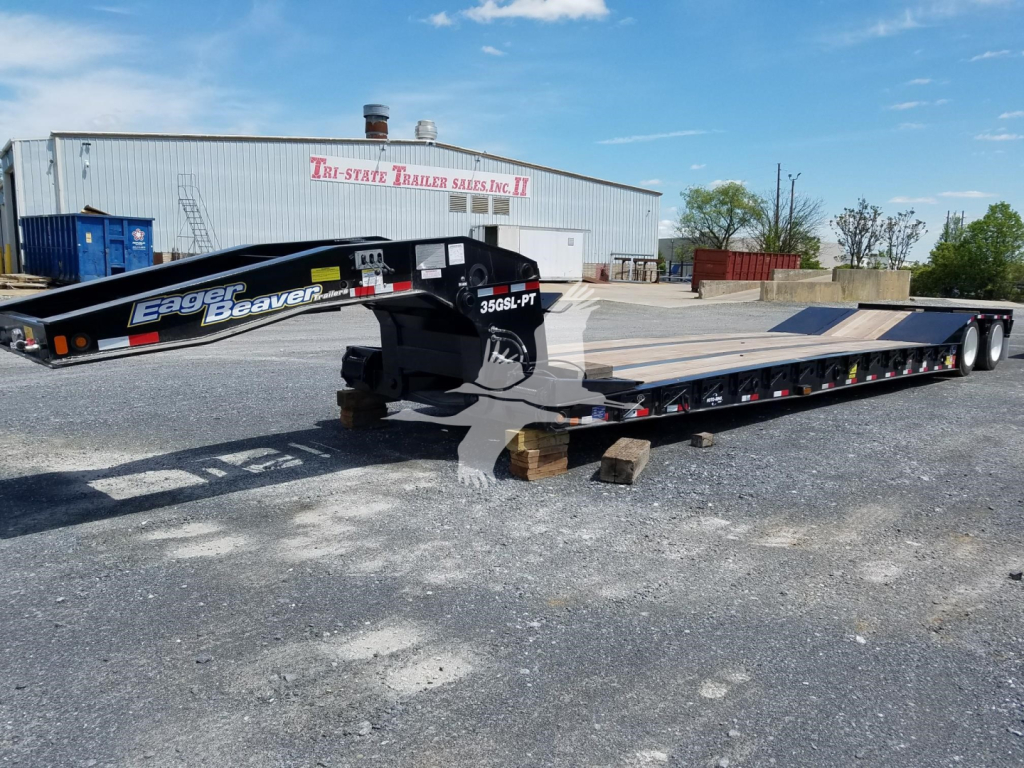
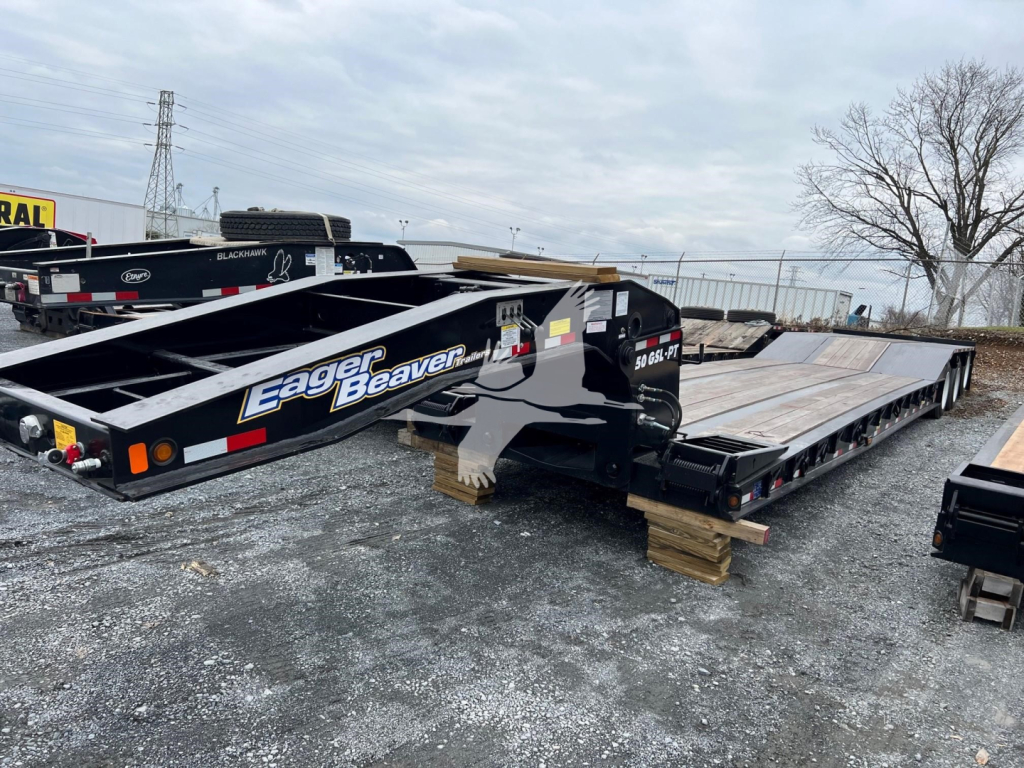
Selling a eager beaver lowboy trailer? List your eager beaver lowboy trailer for sale and reach thousands of commercial buyers.
Eager Beaver Lowboy Trailers in Pennsylvania
Frequently Asked Questions about Eager Beaver Lowboy Trailers in Pennsylvania
What capacity should I look for in an Eager Beaver lowboy trailer?
Capacity depends on both the machine weight and how that weight is distributed across the deck and axles. Many Eager Beaver lowboys in this class are rated around 35 ton or 50 ton, which covers a wide range of construction equipment and attachments. A buyer should look beyond the published ton rating and confirm axle group configuration, GAWR, deck length, neck design, and whether a flip axle or jeep is needed for state-specific legal loading. The right choice is the trailer that carries your heaviest routine load legally, not just occasionally.
Why is a hydraulic detachable gooseneck important on a lowboy?
A hydraulic detachable gooseneck lets the trailer disconnect at the front so equipment can be driven on from ground level. That matters when loading machines with low ground clearance, steel tracks, or limited ramp approach angles. It also reduces loading time compared with fixed-neck trailers and can improve safety when operators load frequently. On Eager Beaver lowboys, non-ground-bearing hydraulic neck designs are common because they simplify hook-up and are well suited to jobsite and yard use.
What deck and flooring features matter most on a used or new lowboy?
Deck construction affects both durability and load securement. Buyers should pay close attention to main deck length, top deck length, rear deck or beavertail length, crossmember spacing, and the condition of the floor. Apitong flooring is common because it handles concentrated equipment weight well and stands up to repeated loading. Outriggers on 24-inch centers, perimeter beam construction, ROTO-style D-rings, traction aids, and bucket wells all add versatility when hauling machines with varying track widths, buckets, or attachment overhang.
Is air ride suspension a good choice on an Eager Beaver lowboy?
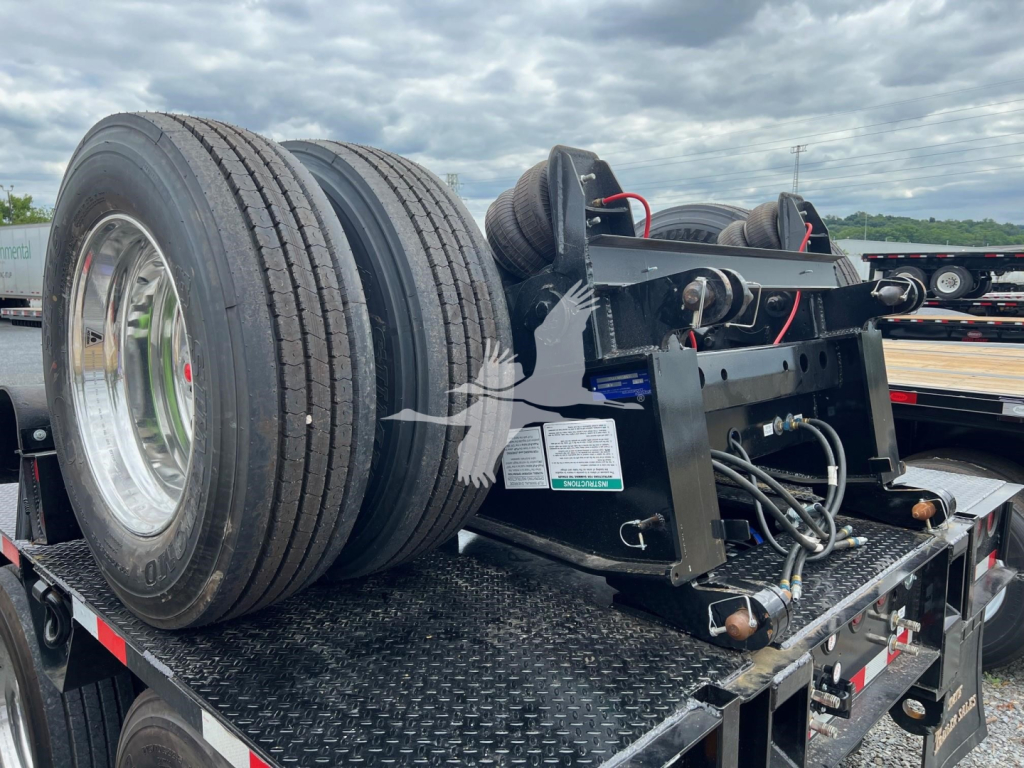
Air ride suspension is a popular spec because it helps protect both trailer and cargo on rough roads and uneven jobsites. It can also improve ride quality for sensitive equipment and gives the operator more control when paired with dump valves and raise-lower functions during loading and unloading. The tradeoff is that suspension condition becomes an important inspection point on a used trailer. Buyers should check bags, valves, ride height, axle alignment, and tire wear patterns before making a decision.
How do flip axles affect lowboy trailer performance and legality?
A flip axle adds another axle position at the rear to help distribute weight and meet bridge and axle laws for heavier loads. For buyers who regularly move larger dozers, excavators, or other high-ground-pressure machines, a compatible flip axle can make a major difference in legal payload and permitting flexibility. It is important to verify that the trailer frame, rear connection points, suspension setup, and brake configuration are matched to the axle addition. In practical use, the value of a flip axle is not just extra capacity but more legal options across different states and route conditions.