
New Eager Beaver Lowboy Trailers For Sale in Pennsylvania
New Eager Beaver lowboy trailers for sale in Pennsylvania. Compare 35-ton to 50-ton hydraulic detachable lowboy specs and hauling applications.
Selling a new eager beaver lowboy trailer? List your new eager beaver lowboy trailer for sale and reach thousands of commercial buyers.
New Eager Beaver Lowboy Trailers in Pennsylvania
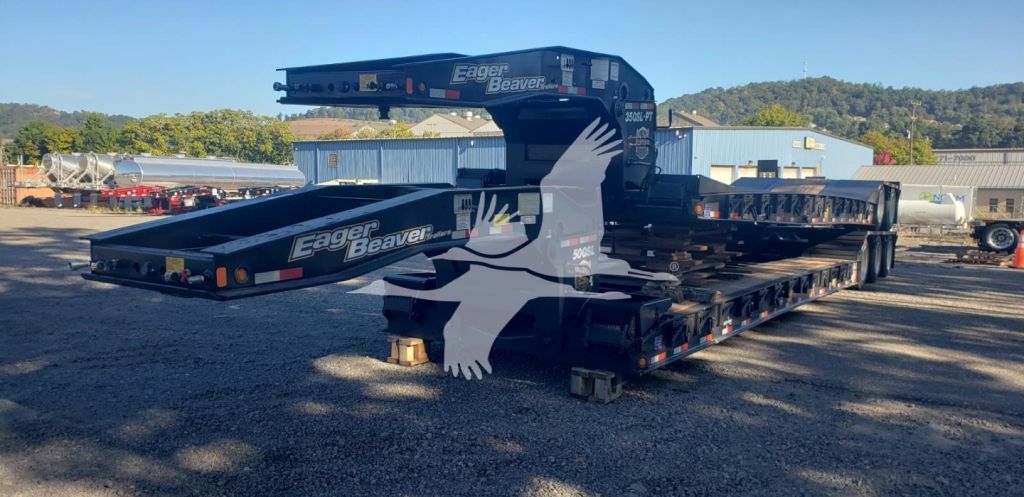
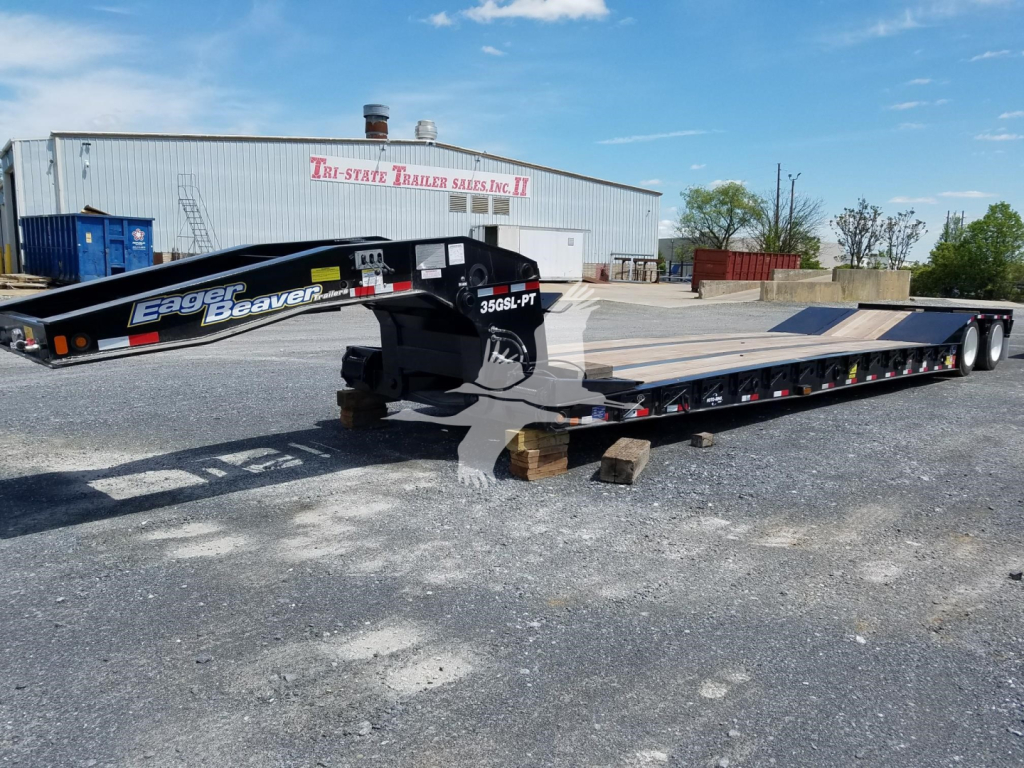
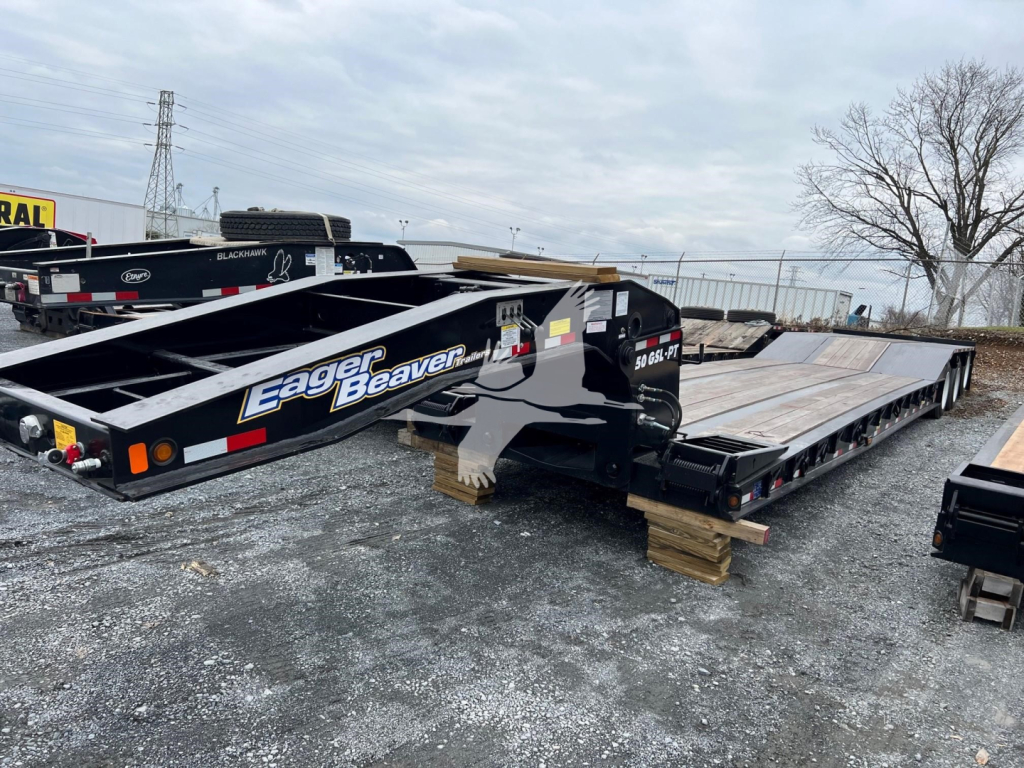
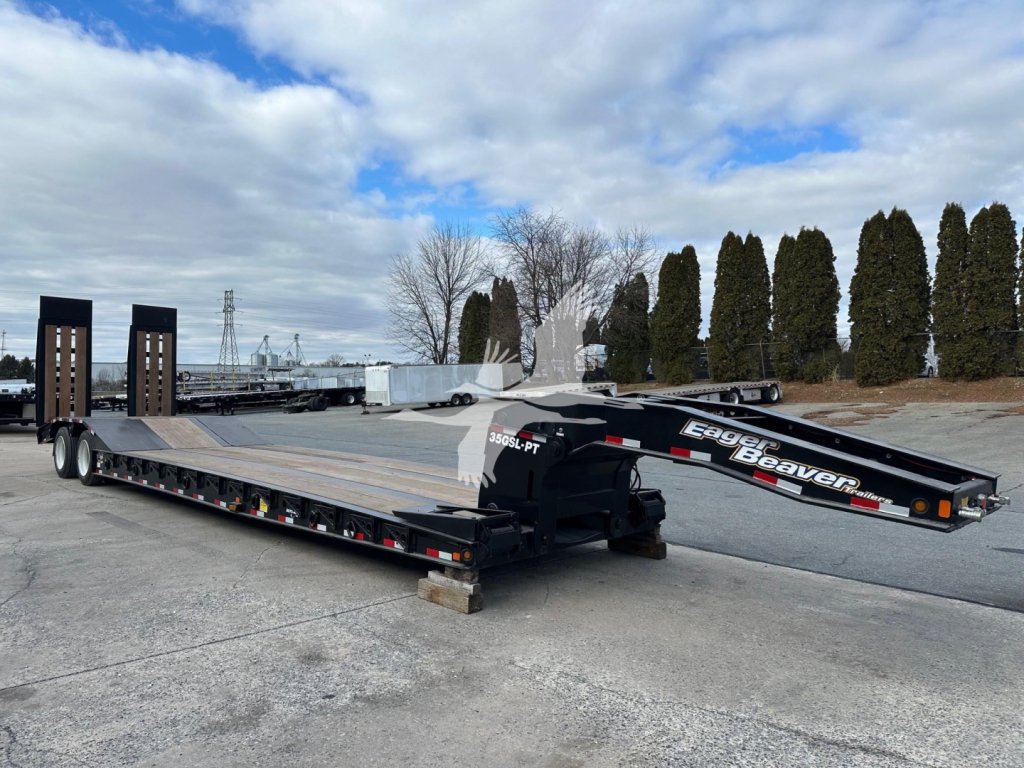
A few specs matter more than the rest when narrowing down a lowboy. Main deck height is a big one because a loaded deck around 24 inches helps preserve overall legal height while still giving room for machine clearance and suspension travel. Deck length and rear deck length determine how easily you can place mixed equipment, attachments, or longer-track machines without creating axle balance issues. Common builds in this category include 102-inch overall width, 12-foot-class top decks, 24-foot main decks, 54-inch axle spacing, and air ride suspensions with manual dump and raise-lower valves. Hydraulic detachable, non-ground-bearing necks are popular because they speed loading and unloading, reduce the need for separate ramps, and work well in jobsite conditions where approach angle and time matter.
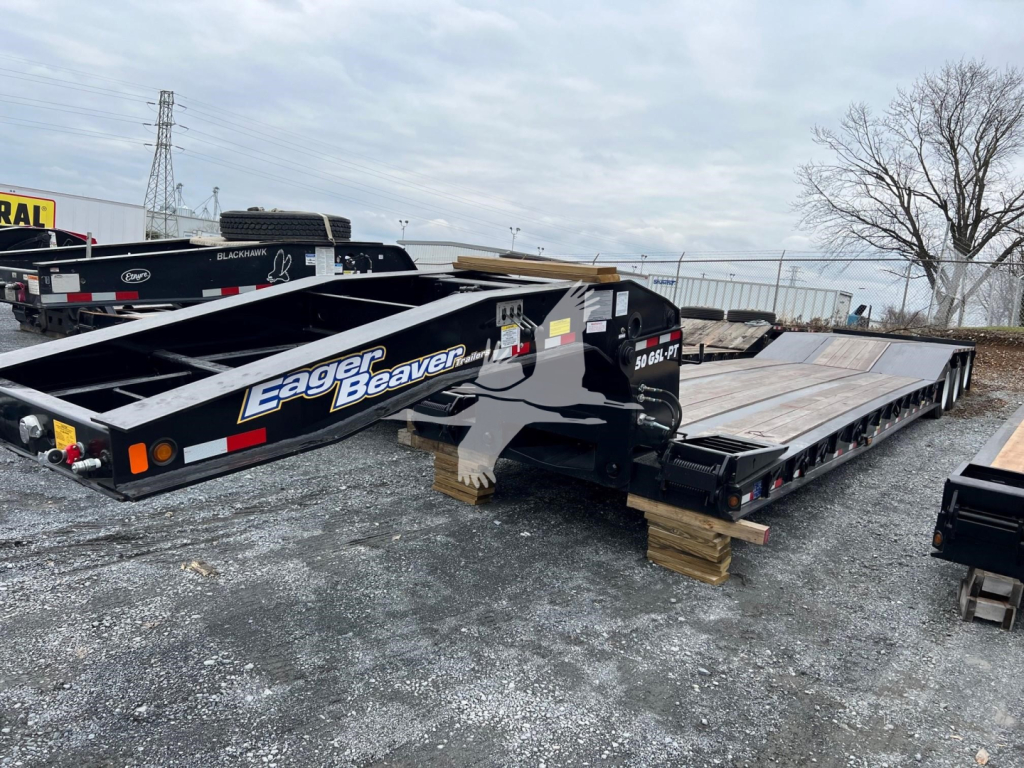
Eager Beaver lowboys are often spec'd with 1-1/2 inch Apitong flooring, mesh center sections, wood-filled spring-assist front ramps, outriggers on 24-inch centers, and ROTO-style D-rings for flexible securement points. Those details are not minor. Apitong holds up well under concentrated track loads, a mesh center can help with traction and cleanup, and frequent outrigger spacing gives more options for wide loads and temporary deck support. Buyers should also look closely at kingpin setting, loaded fifth wheel height, swing clearance, crossmember spacing, and tail configuration. A paver-style setup with a riser, tailboard roller stop, or hydraulic beavertail can make a noticeable difference when loading low-clearance paving equipment or machines with long track contact.
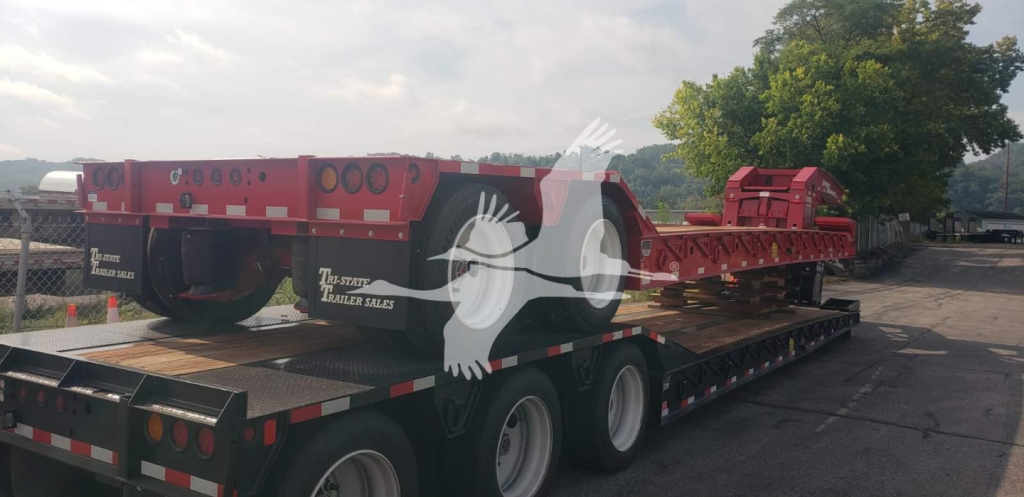
In Pennsylvania, lowboy buyers also need to think about route restrictions, bridge law, permit work, and how often the trailer will run at or near capacity. A 2-axle 35-ton trailer can be a strong fit for contractors moving medium excavators and support equipment with less tare weight to pull around. A 3-axle 50-ton hydraulic detachable lowboy makes more sense when heavier iron, pavers, or denser machines are part of the routine, especially if a lift axle or flip axle option is part of the hauling plan. The best choice usually comes down to the real operating weight of your machines, deck length needed for proper balance, and how often the trailer must load on uneven ground, asphalt jobs, or tight construction entrances.
Frequently Asked Questions about New Eager Beaver Lowboy Trailers in Pennsylvania
What is the main advantage of an Eager Beaver lowboy trailer?
The main advantage is the combination of low loaded deck height and heavy equipment-focused construction. An Eager Beaver lowboy is designed to carry tall, dense machines while helping the operator stay within legal height limits. Many buyers also prefer hydraulic detachable gooseneck configurations because they improve loading efficiency, reduce dependence on steep ramp angles, and make repeated equipment moves faster on active jobsites.
How do I choose between a 35-ton and 50-ton lowboy?
Start with the actual operating weight of the machines you haul, not just the model brochure weight. Include buckets, blades, couplers, attachments, fuel, and any added guarding. A 35-ton lowboy is commonly used for medium excavators, dozers, and general contractor equipment, while a 50-ton trailer is better suited for heavier excavators, pavers, and higher-density machinery. Axle count, deck length, and local permit requirements also affect the right choice because payload capacity is only one part of the hauling equation.
Why does deck height matter on a lowboy trailer?
Deck height directly affects legal transport height and machine stability. A lower main deck lets you haul taller equipment without exceeding route limits, and it can improve the center of gravity compared with a taller trailer design. For many heavy equipment moves, a loaded deck height around 24 inches is a practical target because it balances clearance, suspension travel, and height control for construction machinery.
What features should buyers look for on a hydraulic detachable lowboy?
Key features include gooseneck design, deck length, axle configuration, suspension type, flooring, outriggers, and securement points. Buyers should pay close attention to kingpin setting, loaded fifth wheel height, swing clearance, crossmember spacing, and the type of tail or ramp arrangement. Air ride suspension with dump and raise-lower controls is common because it helps with loading angle and ride quality, while Apitong decking, ROTO-style D-rings, and closely spaced outriggers add durability and load-handling flexibility.
Are flip axles important for lowboy trailer buyers?
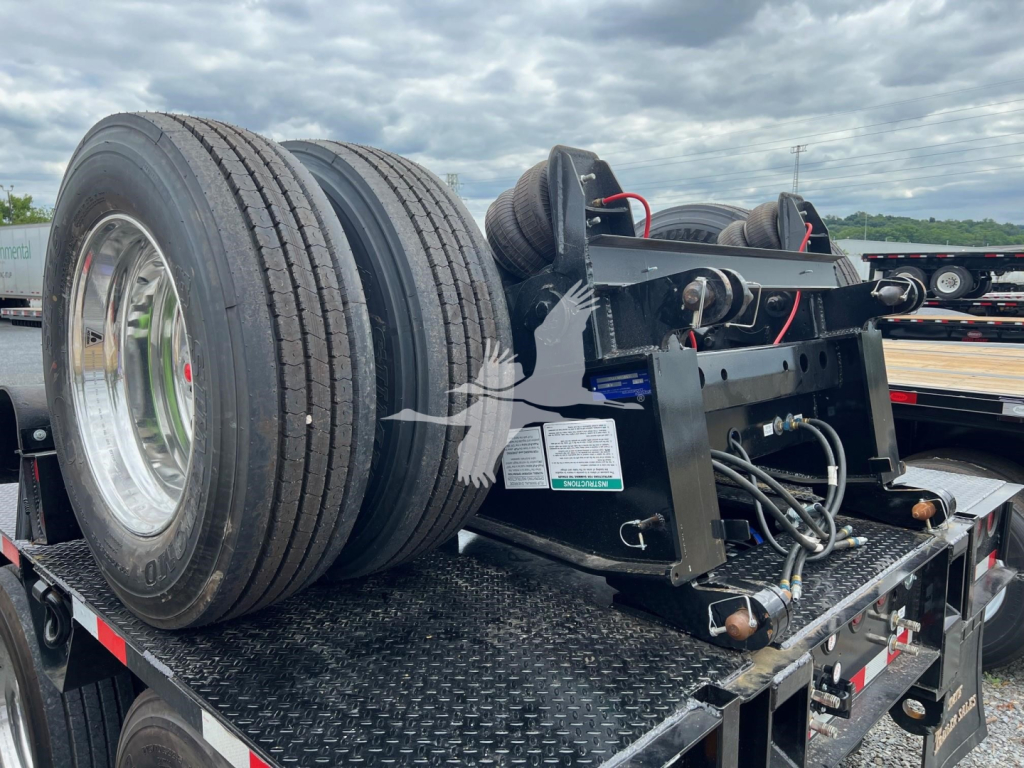
Yes, flip axles can be important if the trailer will regularly haul heavier permitted loads or needs additional flexibility in axle grouping. A flip axle can help distribute weight more effectively and support higher-capacity hauling setups when regulations and trailer design allow it. Buyers should confirm compatibility with the base trailer, suspension setup, brake and tire specs, and the permit requirements for the states where the trailer will operate.