
New 2026 Eager Beaver Lowboy Trailers For Sale in Pennsylvania
Shop new 2026 Eager Beaver lowboy trailers with detachable goosenecks, air ride suspensions, and heavy-haul specs for equipment transport.
Have new 2026 eager beaver lowboy trailer to sell? List it here to reach thousands of buyers.
New 2026 Eager Beaver Lowboy Trailers in Pennsylvania
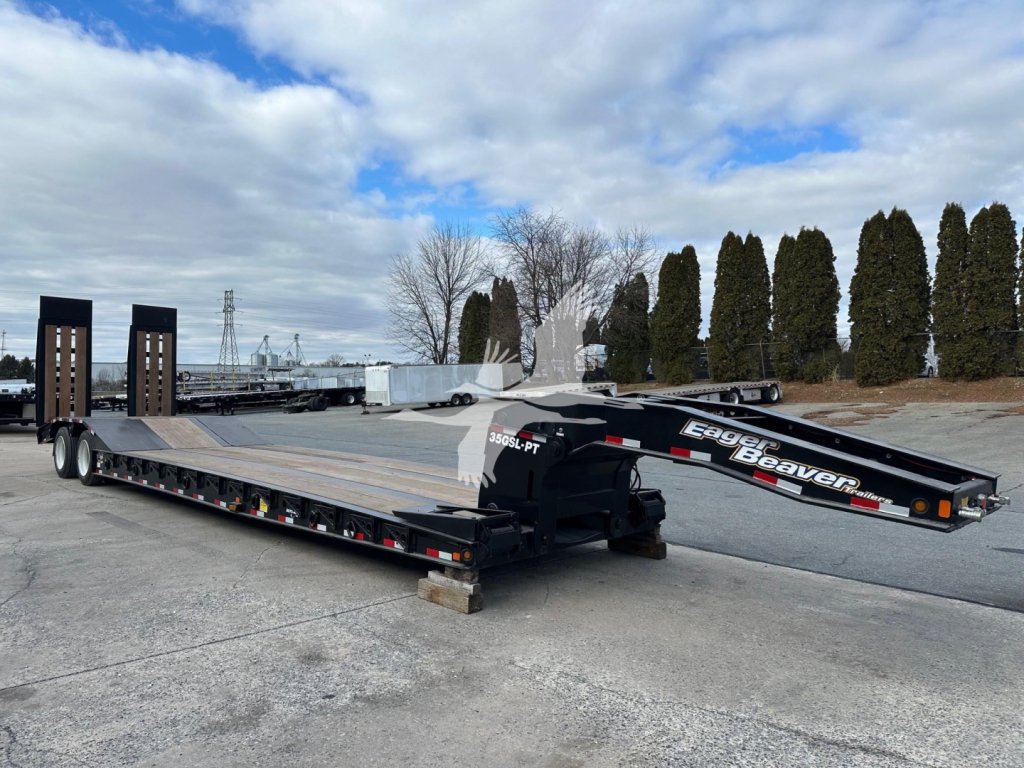
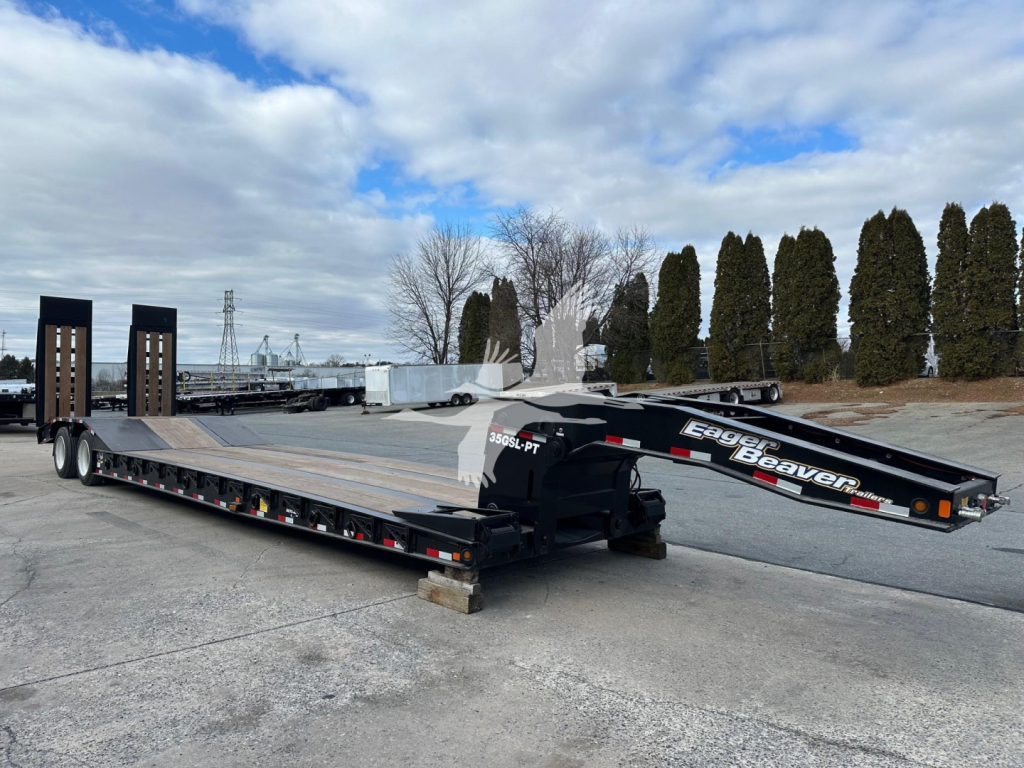
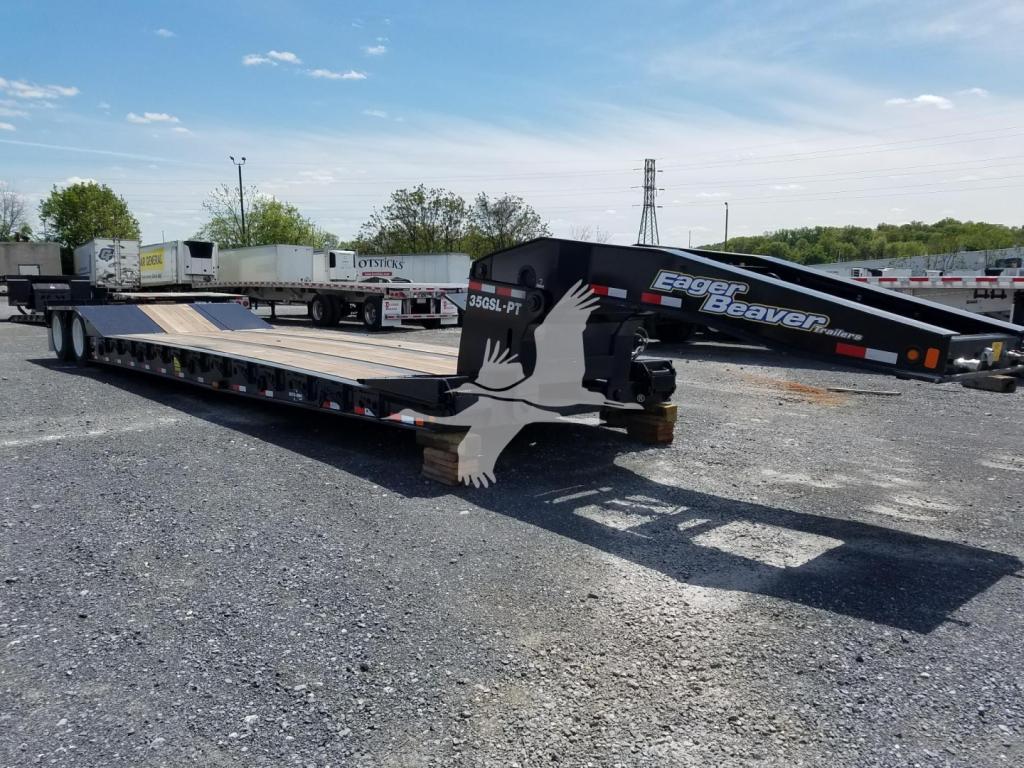
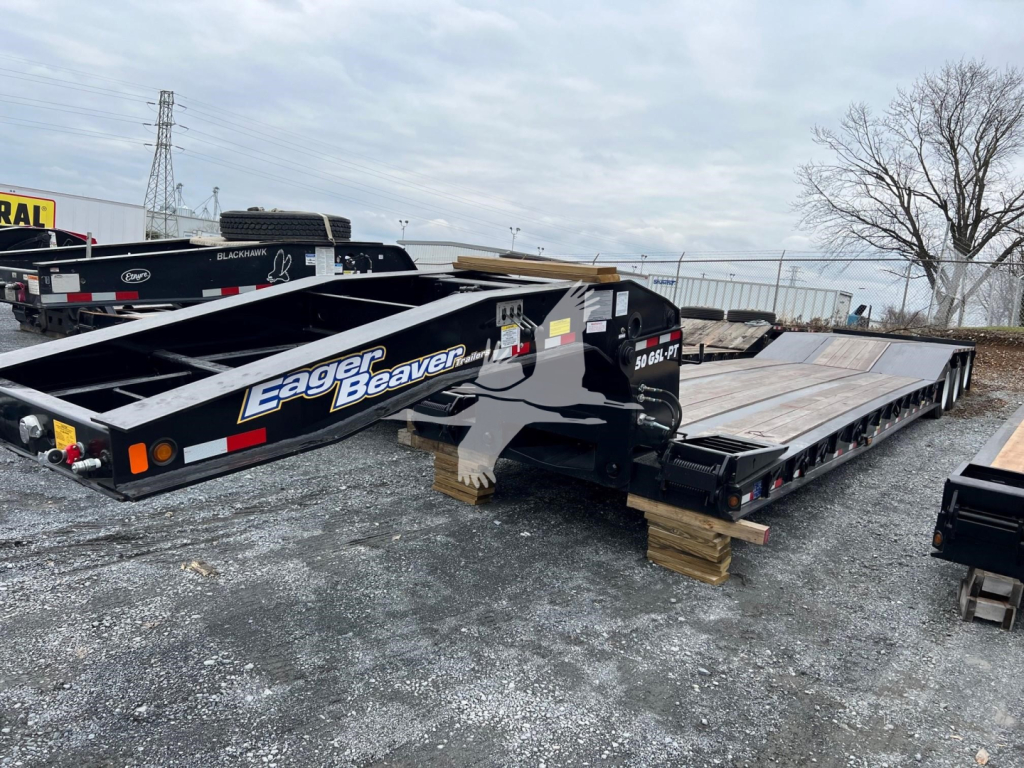
A buyer should start with capacity class and deck configuration. Common 2026 Eager Beaver setups in this category include 35 ton and 50 ton hydraulic detachable lowboys, along with related components like flip axles used to extend capacity or adjust bridge compliance. Main deck lengths around 24 feet are common, paired with top decks in the 11 foot to 12 foot range and rear decks that vary based on tail design. Loaded deck heights around 24 inches are a key selling point because they help with legal height management on taller iron. Hydraulic detachable, non-ground bearing goosenecks are a frequent choice because they speed up loading and are a strong fit for contractors moving equipment often. Kingpin setting, loaded fifth wheel height, axle spacing, and swing clearance all matter if the trailer will run behind multiple tractors or handle different machine profiles.
Construction details are where lowboy comparisons get more meaningful. Many Eager Beaver trailers in this class use 1 1/2-inch Apitong flooring, often with mesh center sections or wood-filled ramp areas for traction and wear resistance. Perimeter beam steel side rails, crossmembers on 18-inch centers, and outriggers on 24-inch centers are the kinds of specs buyers watch closely because they affect load securement flexibility and overall durability. ROTO-style D-rings, bolster tie-down points, beavertail tie-downs, roller stops, flag holders, and integrated lighting packages are not minor details on a heavy-haul trailer. They directly impact how efficiently a crew can secure odd-shaped equipment, stay compliant, and work safely during early morning or roadside loading.
Suspension and axle configuration also deserve close attention. Air ride suspensions from brands such as Ridewell and Cush are common in this segment, often with 54-inch axle spacing, raise-and-lower controls, and manual dump valves to help with loading angle and ride quality. Tire sizes like 255/70R22.5 are typical on multi-axle lowboys, while flip axles may use 275/70R22.5 rubber depending on the setup. A two-axle 35 ton trailer can be a smart fit for contractors hauling mid-sized machines with fewer permit complications, while a three-axle 50 ton paver or equipment trailer gives more margin for concentrated loads and specialized applications. For many buyers, the right Eager Beaver lowboy comes down to matching detachable neck style, rear deck design, ramp arrangement, and axle package to the exact machines being moved every week.
Frequently Asked Questions about New 2026 Eager Beaver Lowboy Trailers in Pennsylvania
What is the advantage of a hydraulic detachable gooseneck on an Eager Beaver lowboy?
A hydraulic detachable gooseneck allows the tractor and trailer to separate at the front so equipment can be loaded from ground level instead of climbing steep rear ramps. That is a major advantage for low-clearance machines, paving equipment, rollers, and tracked equipment that load more safely on a shallow approach. It also reduces loading time compared with fixed-neck trailers and makes repeated jobsite moves more efficient.
How do I choose between a 35 ton and 50 ton lowboy trailer?
The right capacity depends on the actual operating weight of the equipment, the load’s weight distribution, and whether concentrated axle loads are involved. A 35 ton lowboy is commonly used for mid-sized excavators, loaders, and support equipment, while a 50 ton trailer is better suited for heavier machines or applications where more structural margin is needed. Buyers should also consider trailer tare weight, axle count, permit requirements, and whether a flip axle may be needed for certain loads.
Why does loaded deck height matter on a lowboy trailer?
Loaded deck height is one of the most important specs on a lowboy because it affects overall transport height. A deck height around 24 inches helps keep taller equipment lower to the ground, which improves route flexibility and can reduce permit or escort complications on some moves. It also matters when hauling machines with cabs, stacks, or attachments that push total height close to legal limits.
What flooring and securement features are common on heavy equipment lowboys?
Many heavy-haul lowboys use Apitong flooring because it holds up well under steel tracks, repeated loading cycles, and jobsite conditions. Buyers should also look for mesh center sections, wood-filled ramps, multiple D-ring locations, outriggers, and strong side rail construction. These features improve traction during loading, give operators more tie-down options, and help the trailer adapt to different machine widths and securement points.
What is a flip axle and when is it used with a lowboy trailer?
A flip axle is an auxiliary rear axle assembly that can be attached to certain lowboy configurations to increase capacity or improve bridge law distribution for heavier permitted loads. It is commonly used when a standard trailer setup needs additional axle support for specific equipment or regional weight rules. Buyers considering a flip axle should verify suspension type, tire size, connection compatibility, and how the added axle affects overall trailer length and maneuverability.