
New 2026 Lowboy Trailers For Sale in Pennsylvania
Shop new 2026 lowboy trailers in Pennsylvania. Compare detachable gooseneck models, ton ratings, axle setups, deck heights, and heavy haul specs.
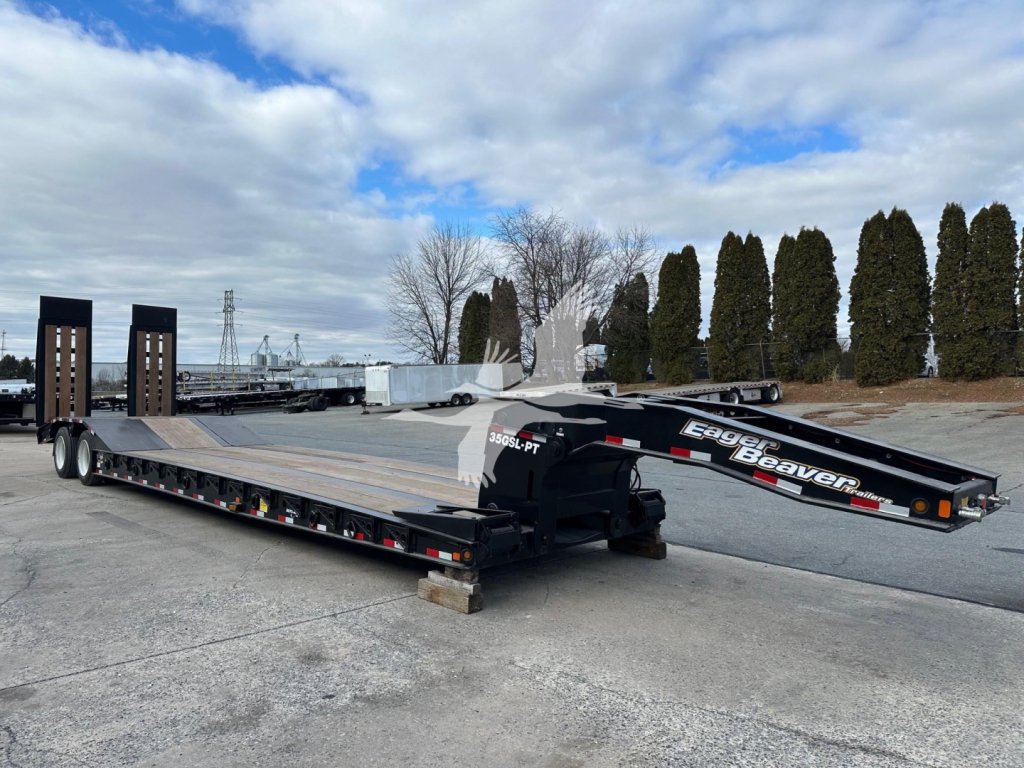
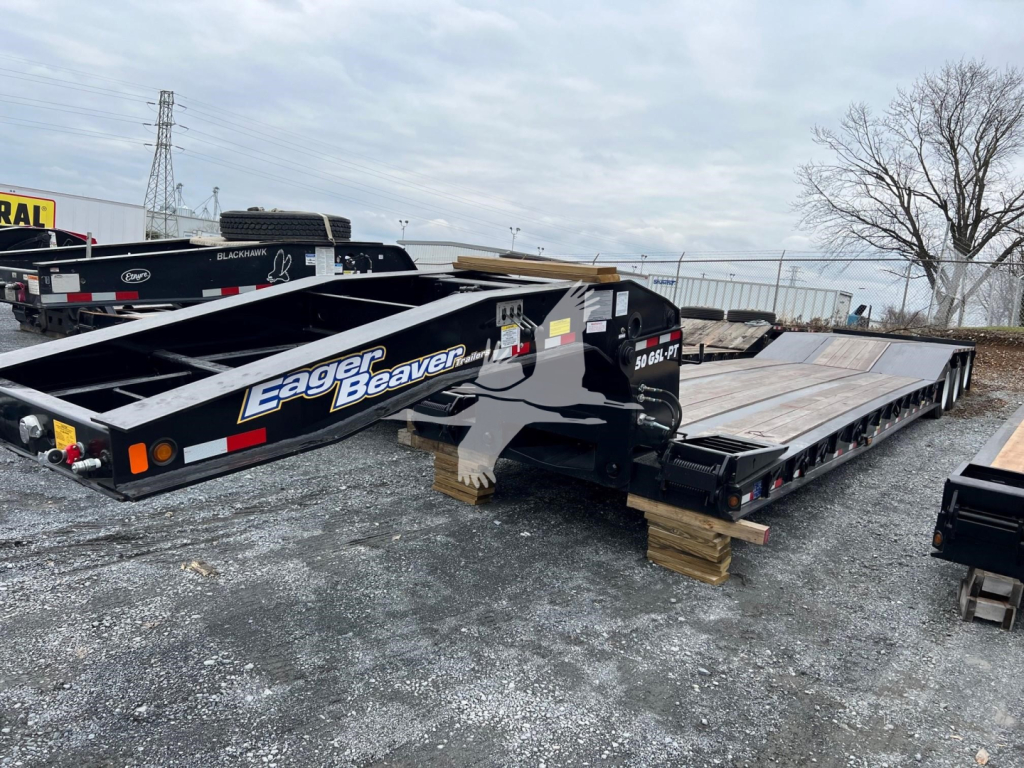
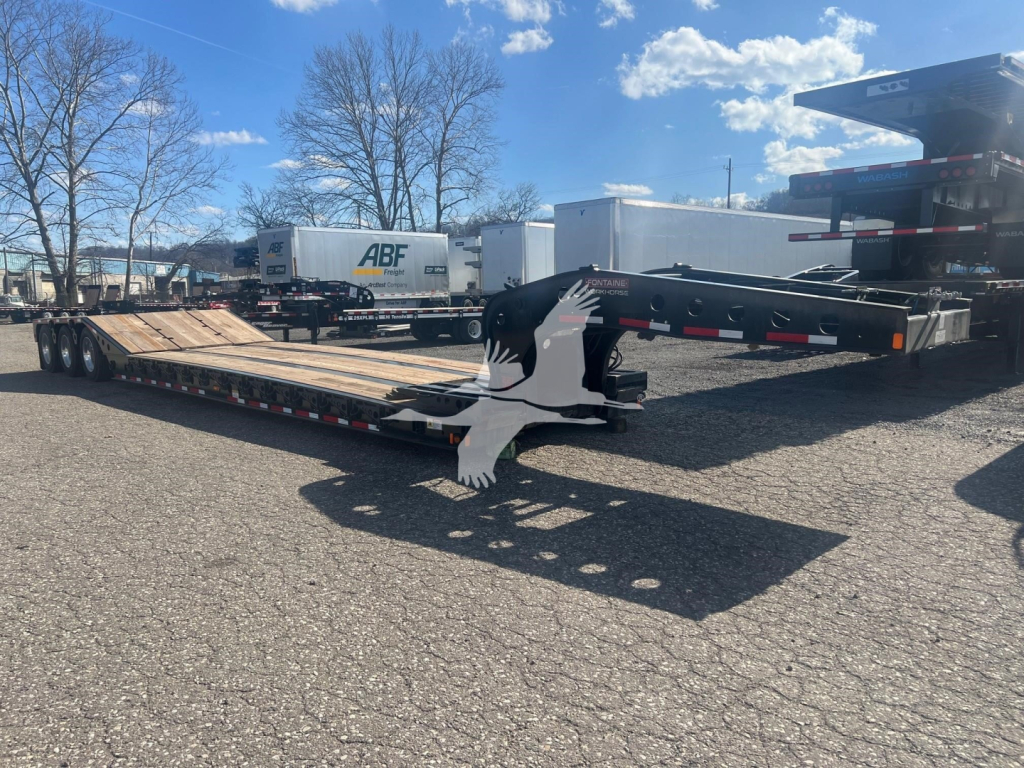
Selling a new 2026 lowboy trailer? List your new 2026 lowboy trailer for sale and reach thousands of commercial buyers.
New 2026 Lowboy Trailers in Pennsylvania
Frequently Asked Questions about New 2026 Lowboy Trailers in Pennsylvania
What is the main advantage of a lowboy trailer compared with a flatbed or step deck?
A lowboy trailer carries the load much lower to the ground, which is critical for moving tall equipment without exceeding overall height limits. That lower deck also improves stability for heavy machinery with a high center of gravity. A flatbed or step deck can handle many loads, but a lowboy is the standard choice for excavators, loaders, bulldozers, cranes, and similar equipment that is both heavy and tall.
What lowboy capacity should a buyer look for in a new 2026 trailer?
Capacity should match the heaviest machine you expect to haul, but buyers also need to consider how that rating is measured. A 55-ton lowboy, for example, may be rated in a specific concentrated load length such as 12 feet, not across the full deck. It is important to review the manufacturer’s stated rating, deck length, axle group, and whether the trailer is designed to accept a flip axle or additional axle equipment. The real buying decision is not just maximum tonnage, but how the trailer carries that tonnage legally and practically on your regular routes.
Why do many buyers prefer a hydraulic detachable gooseneck lowboy?
A hydraulic detachable gooseneck lets the front of the trailer drop for drive-on loading, which saves time and reduces the need for separate ramps in many applications. It is especially useful for tracked equipment and wheeled machinery that needs a low, controlled loading angle. Buyers should still compare neck design details such as non-ground bearing versus ground bearing, loaded fifth wheel height range, kingpin settings, and swing clearance, because those factors affect tractor compatibility and jobsite use.
What specs matter most on a heavy haul lowboy trailer?
The most important specs usually include deck height, main deck length, rear deck length, overall width, axle count, axle spacing, suspension type, tire size, and the trailer’s rated capacity in a stated load area. Buyers should also look closely at practical equipment details such as Apitong flooring, outriggers, chain drops, D-rings, bucket wells, boom troughs, lift axles, dump valves, and raise-lower controls. These details determine how well the trailer handles real equipment securement and day-to-day loading, not just how it looks on paper.
Are flip axles important when buying a lowboy trailer?
Flip axles can be very important for buyers who need extra capacity, better weight distribution, or more flexibility with state bridge formulas and permit requirements. In heavy haul work, a trailer that is prepped to accept a rear flip axle or spreader bar setup gives you more room to adapt as load weights and jurisdictions change. In Pennsylvania and surrounding states, that flexibility can make a meaningful difference in how easily a trailer can be permitted and how broadly it can be used across different jobs.