
New 2026 Lowboy Trailers For Sale in Ohio
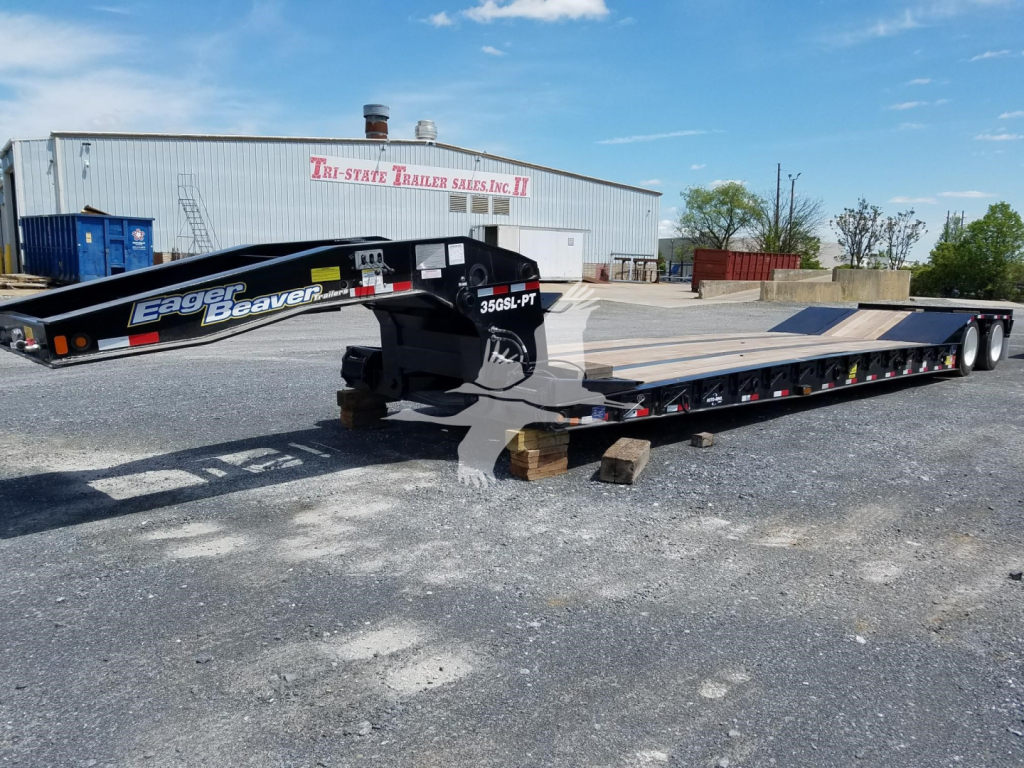
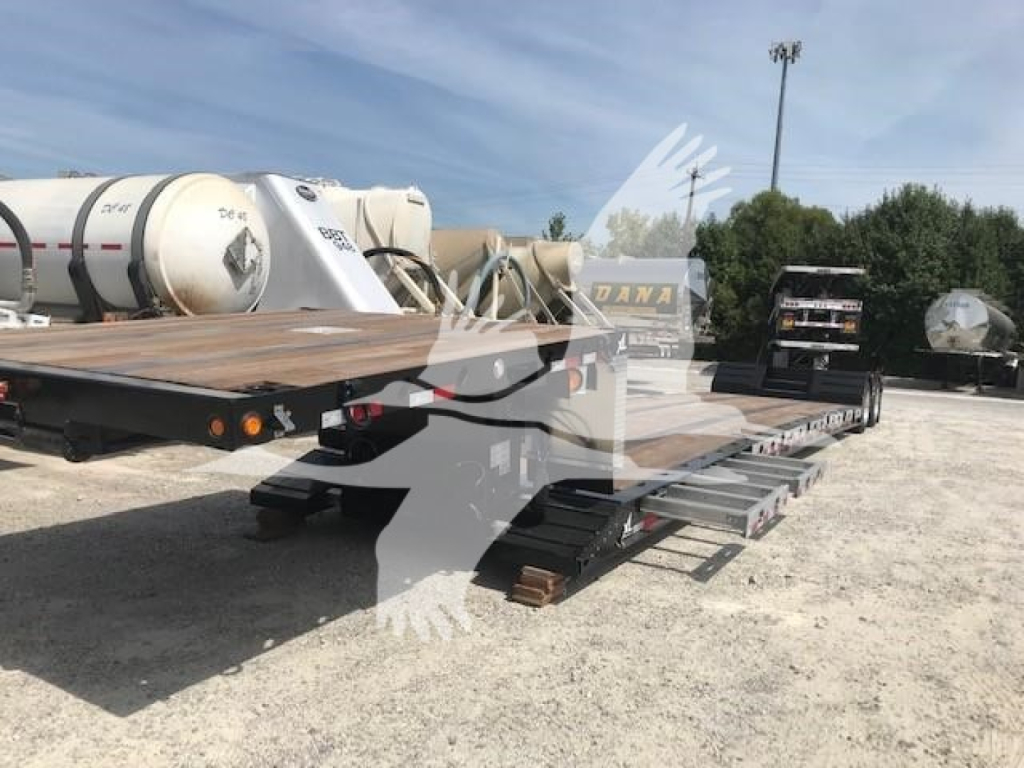
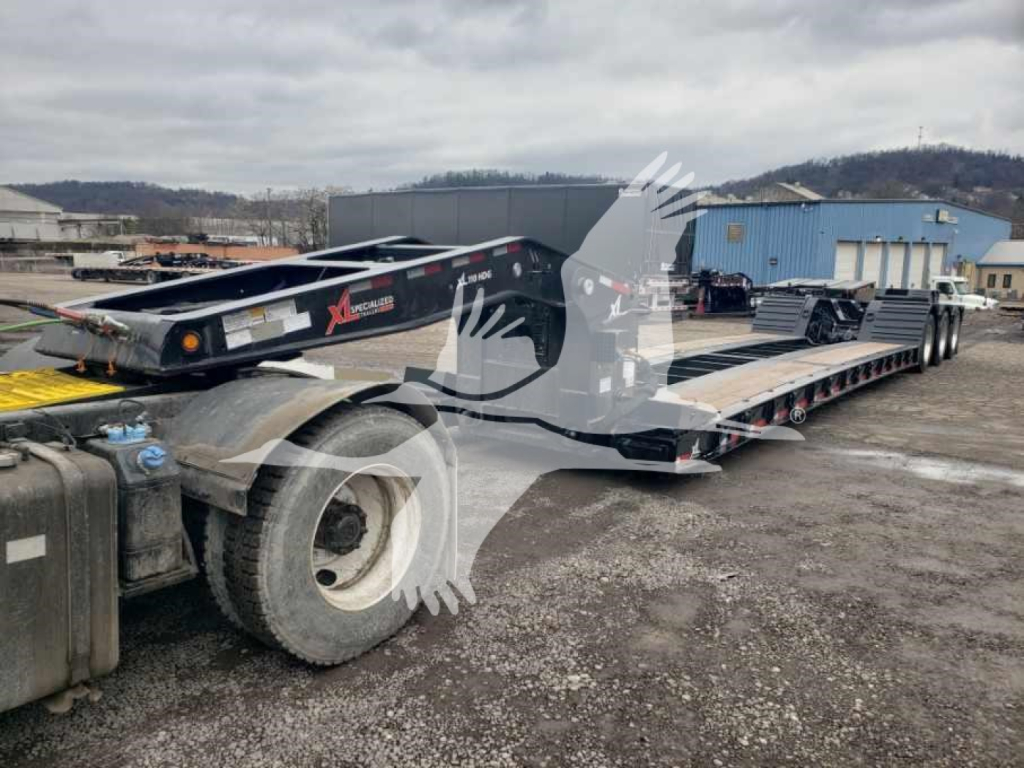
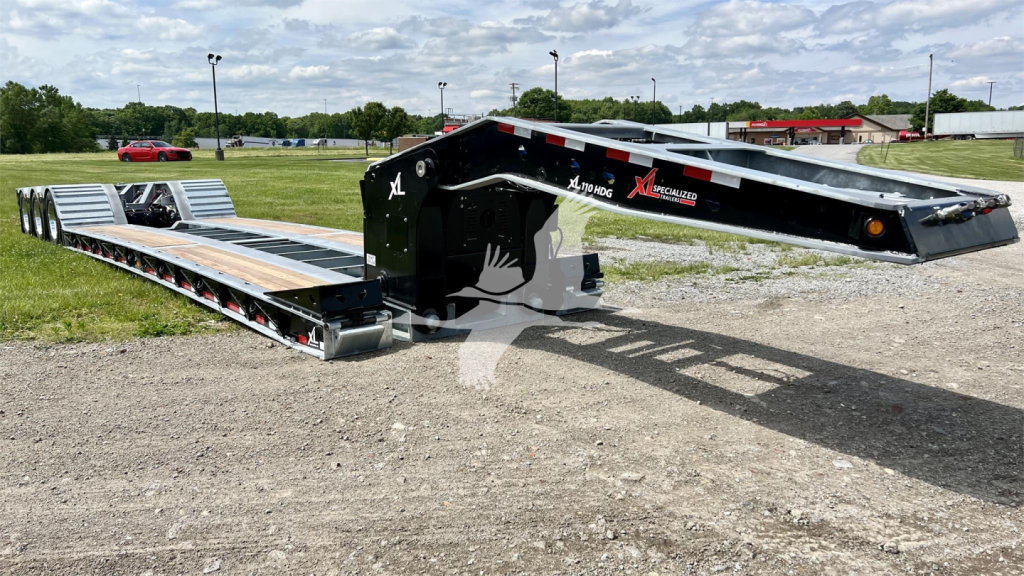
Shop new 2026 lowboy trailers for heavy equipment hauling, with detachable goosenecks, low deck heights, air ride suspensions, and flip axle options.
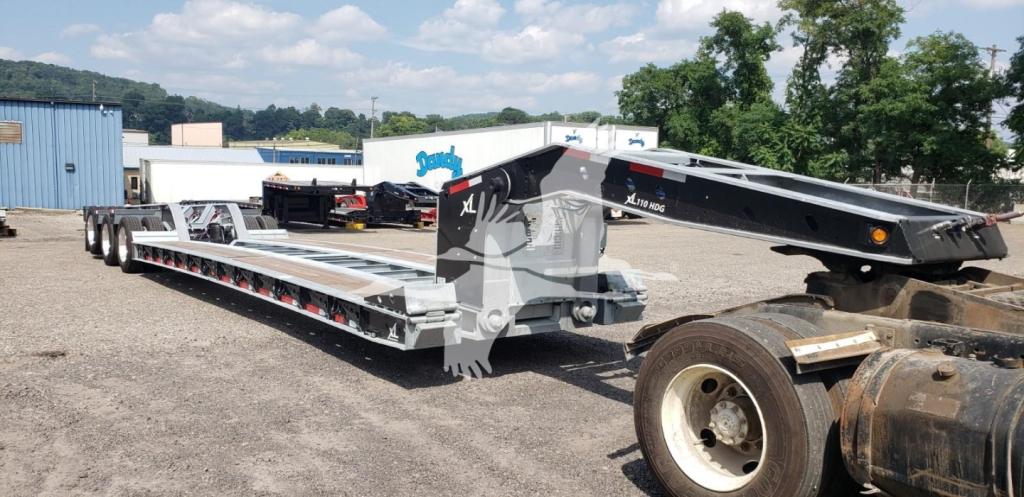
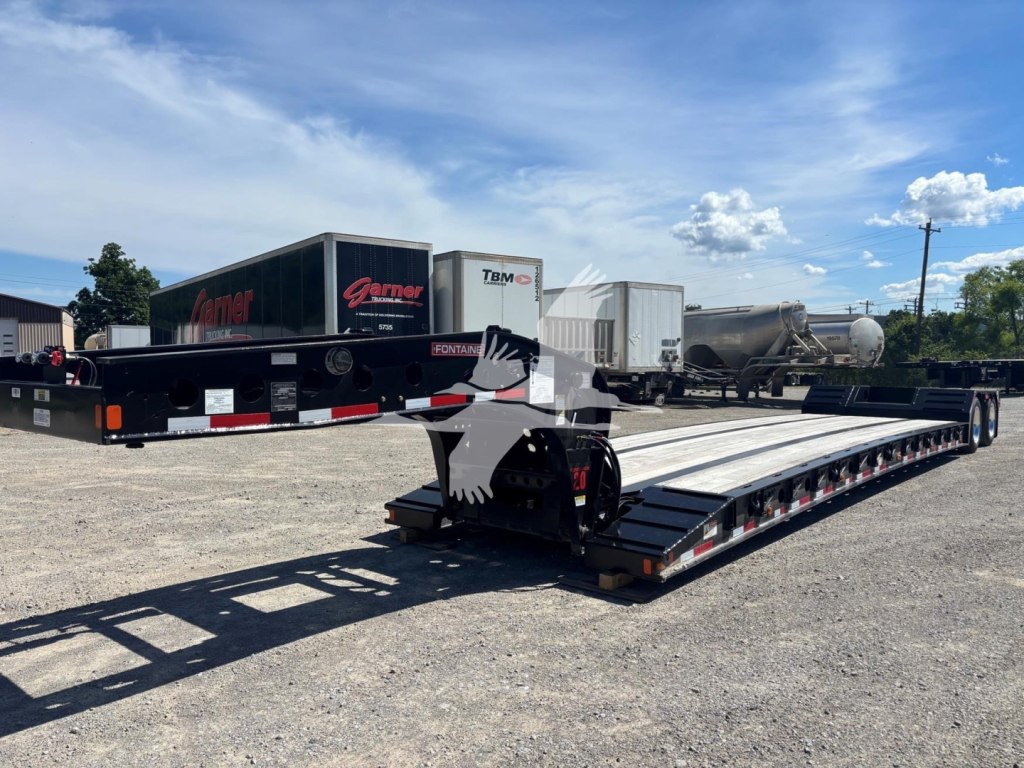
Selling a new 2026 lowboy trailer? List your new 2026 lowboy trailer for sale and reach thousands of commercial buyers.
New 2026 Lowboy Trailers in Ohio
A buyer usually starts with capacity, deck length, and neck style. Common new lowboy specs in this class run from roughly 30 ton to 55 ton ratings, with tandem and tri-axle configurations both represented. Hydraulic detachable goosenecks are especially popular because they speed up loading and unloading of tracked equipment and reduce the need for steep rear loading angles. Non-ground-bearing necks are common on many current builds, and loaded fifth wheel height, kingpin setting, axle spacing, and ride height positions all matter if the trailer needs to match more than one tractor. Buyers comparing listings should pay close attention to the rated capacity measured over a specific deck length, not just the tonnage badge, because a 55 ton trailer rated in 12 or 13 feet serves a different job than a lighter-capacity unit rated over 16 feet.
The deck and underframe details often determine how useful a lowboy will be day to day. Apitong flooring remains a preferred choice because it holds up well under concentrated machine traffic. Removable swing-out outriggers, chain drops, D-rings, stake pockets, scuff protection, and boom trough or bucket well configurations all affect how easily the trailer handles mixed equipment. Main deck heights around 12 to 24 inches, rear deck sections sized for support equipment, and options like front approach ramps, traction cleats, raised or lowered ride height controls, and open wheel areas can all improve loading clearance and machine fit. Many new trailers in this category also include air ride suspension, manual dump valves, liquid-filled gauges, battery-backed strobes, and rear flip axle connections for operators who may need to scale up capacity later.
For buyers in Ohio, application matters as much as spec sheet numbers. A contractor moving compact and mid-size iron around Cincinnati, Columbus, Cleveland, or rural job sites may prioritize low deck height and quick detach operation. A heavy-haul fleet handling larger excavators, scrapers, or specialty construction equipment may place more value on tri-axle layouts, flip axle readiness, swing clearance, and securement density across the deck. Galvanized finishes, aluminum outer wheels, covered tool storage, and service-friendly suspension components can also matter if the trailer will see year-round road salt, rough approach angles, and frequent loading cycles. The best 2026 lowboy trailer is usually the one whose neck geometry, concentrated load rating, deck configuration, and securement layout match the machines you move most often.
Frequently Asked Questions about New 2026 Lowboy Trailers in Ohio
What is the difference between a lowboy trailer and a standard flatbed trailer?
A lowboy trailer carries freight much lower to the ground than a standard flatbed, which allows taller equipment to stay within legal or permit height limits. That lower deck position makes lowboys the preferred trailer for construction and heavy equipment such as excavators, dozers, loaders, and paving machines. Many lowboys also use a detachable gooseneck so equipment can be driven on from the front, which is safer and more practical for tracked machines than loading onto a conventional flatbed.
How do I choose the right capacity for a new lowboy trailer?
Start with the actual operating weight of the equipment, then look at how that weight is distributed across the machine's tracks or axles. Manufacturers rate lowboys by tonnage over a specific deck length, so the load concentration matters as much as the gross number. Buyers should also account for attachments, buckets, blades, counterweights, fuel, and any future equipment changes. If permit loads or flip axle expansion are part of the operation, it makes sense to compare axle group options, deck length, and concentrated load ratings before focusing only on headline tonnage.
Why are hydraulic detachable goosenecks so common on lowboy trailers?
Hydraulic detachable goosenecks simplify loading by letting the trailer disconnect at the front so equipment can be driven directly onto the deck. This is especially useful for tracked machines, low-clearance equipment, and frequent load cycles where speed and safety matter. A hydraulic neck reduces manual effort compared with mechanical systems and helps operators handle varying ground conditions more efficiently. Buyers should still verify fifth wheel height compatibility, neck style, and tractor setup so the trailer works properly with the intended truck.
What lowboy trailer features matter most for equipment hauling?
Deck height, deck length, outriggers, securement points, and suspension design are usually the most important. A lower loaded deck height helps with legal height compliance, while enough main deck length is critical for machine balance and axle placement. Outriggers, chain drops, D-rings, and stake pockets improve securement flexibility. Air ride suspension, dump valves, ride height controls, and flip axle provisions can also make a major difference in ride quality, loading ease, and future capacity upgrades.
Are tandem axle or tri-axle lowboy trailers better for Ohio heavy-haul work?
That depends on the weight and size of the machines being moved and the routes involved. Tandem axle lowboys are often a good fit for lighter equipment and more general-purpose hauling because they are simpler and usually lighter overall. Tri-axle lowboys are better suited to heavier concentrated loads and operations that may need additional axle options or permits. In Ohio, route restrictions, bridge law considerations, and permit requirements can all influence the best choice, so axle count should be matched to the freight profile rather than chosen on capacity alone.