
New 2026 CPS Trailers For Sale
Shop new 2026 CPS trailers, including bottom dumps and end dumps, with specs suited for aggregate, paving, rock, and construction hauling.
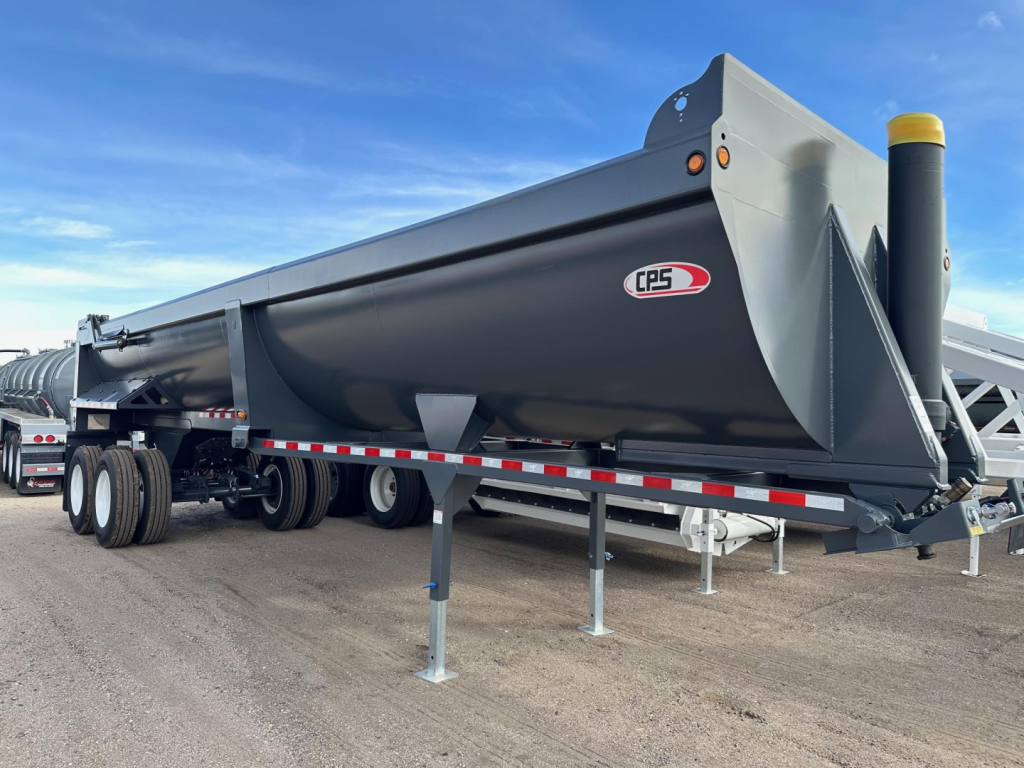
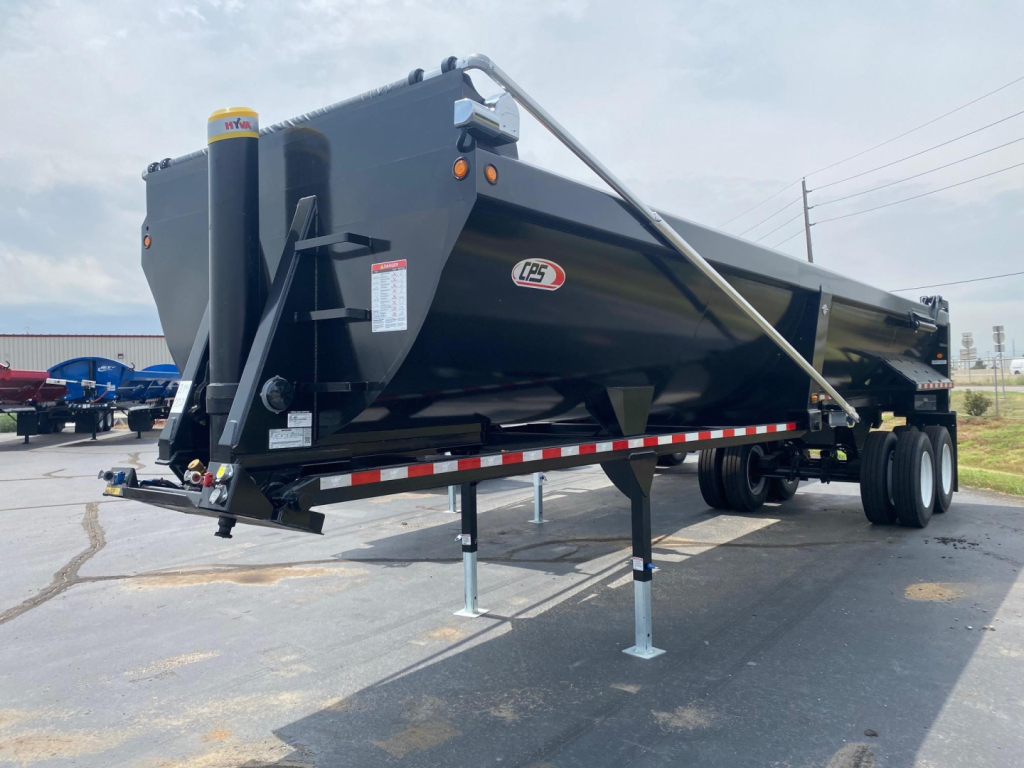
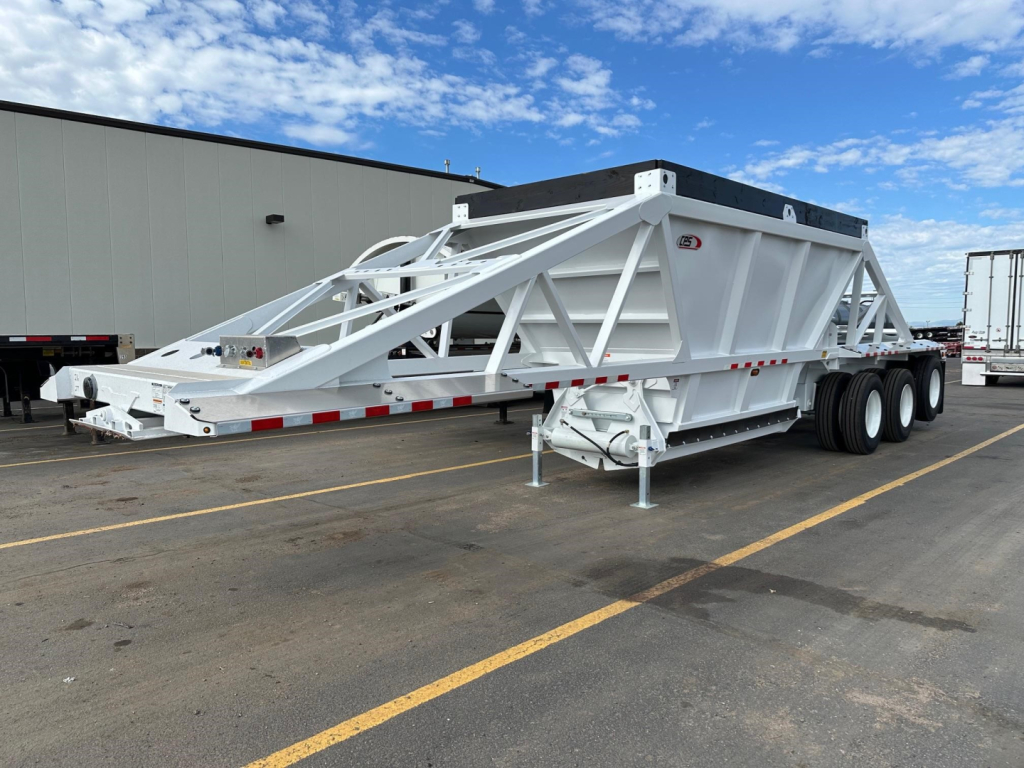
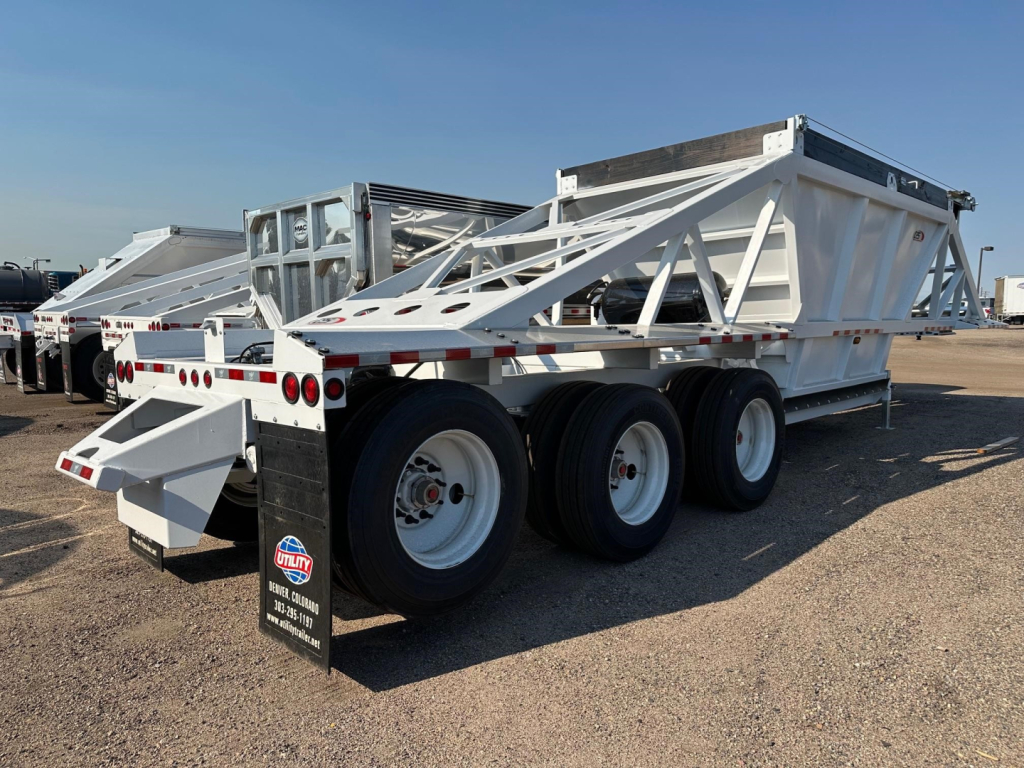
Selling a new 2026 cps trailer? List your new 2026 cps trailer for sale and reach thousands of commercial buyers.
New 2026 CPS Trailers
For bottom dump buyers, the key decisions usually start with axle layout, suspension, and discharge control. Common setups include 40-foot tandem models and tri-axle configurations around 42 feet, often with single hopper designs, air ride suspensions, and options such as rear lift axles for higher GVWR and better load distribution. Features like pin-setting gate limiters, Versa valves, windrow deflectors, bang boards, push blocks, and electric flip tarps matter because they affect spread consistency, unloading speed, and day-to-day ease of operation. If the trailer will be used behind a transfer or on paving trains, pay close attention to kingpin setting, closed tandem placement, and how the trailer tracks in tight work zones.
Frameless CPS end dumps appeal to operators hauling larger rock, broken concrete, demolition debris, or other materials that do not need metered discharge. A half-round AR450 steel tub is a common choice for abrasive loads because it sheds material well and resists wear better than lighter general-purpose bodies. Buyers should look closely at body length, side height, hoist geometry, gate style, suspension type, and tare weight. On rougher haul roads, a single-point suspension and heavy-duty rear structure can be important, while tarp systems, ladders, rear fenders, and LED lighting improve compliance and daily usability.
Across the category, practical spec checks should include cubic yard capacity, tire size, wheel material, fender construction, liner or body steel grade, and how the trailer is expected to scale in the states where it will run. Bottom dumps are often selected for fast, controlled discharge of aggregate and asphalt-related materials, while end dumps are chosen for bulk unloading flexibility and oversized rock. The right 2026 CPS trailer depends less on brand name alone and more on matching hopper or tub design, axle grouping, suspension, and wear package to the material, route, and unloading method.
Frequently Asked Questions about New 2026 CPS Trailers
What is the main difference between a CPS bottom dump trailer and a CPS end dump trailer?
A CPS bottom dump trailer is designed to discharge material through gates in the floor, which makes it well suited for controlled spreading of sand, gravel, road base, and similar aggregate products. A CPS end dump trailer raises the body to unload out the rear, which is typically better for larger rock, demolition debris, and bulk materials that do not require a metered spread pattern. The choice usually comes down to material type, unloading surface, and whether precision placement or simple mass unloading is more important.
What specs matter most when buying a new 2026 CPS bottom dump?
The most important specs are trailer length, hopper design, axle configuration, suspension type, gate controls, and legal payload potential in the operating region. Buyers should also review tarp system type, kingpin setting, tandem spread or closed tandem layout, push block design, and tire size. Features such as pin-setting gate limiters, windrow deflectors, and air ride suspension can make a meaningful difference in spread quality, ride control, and driver convenience.
Is air ride a good choice on a dump trailer?
Air ride is a common choice when load protection, ride quality, and predictable handling are priorities. On bottom dumps, air ride can help maintain better control and reduce shock transfer to the trailer and tractor, especially on mixed road conditions. That said, suspension choice should still reflect the duty cycle, haul road quality, and maintenance preference, because some severe-service operations may prioritize simplicity and ruggedness differently.
Why do some 2026 CPS trailers use AR450 steel bodies?
AR450 steel is used because it offers strong abrasion resistance for hard, angular, and high-wear materials such as shot rock and demolition debris. In a frameless end dump, that added wear resistance can help extend body life and reduce deformation or premature thinning in high-impact areas. The tradeoff is usually weight, so buyers need to balance durability against payload goals and the type of material hauled most often.
How do I choose between tandem axle and tri-axle CPS dump trailers?
A tandem axle trailer is often favored for lower tare weight, simpler maintenance, and easier maneuverability. A tri-axle setup can provide higher gross weight capability and better load distribution, which may be valuable in certain states or for operations targeting heavier payloads. The right decision depends on bridge laws, permit environment, average haul distance, jobsite access, and whether the added axle capacity outweighs the extra weight and complexity.