
New CPS Trailers For Sale
New CPS trailers for sale, including bottom dump and end dump models with air ride, steel construction, high-capacity tubs, and jobsite-ready specs.
Selling a new cps trailer? List your new cps trailer for sale and reach thousands of commercial buyers.
New CPS Trailers
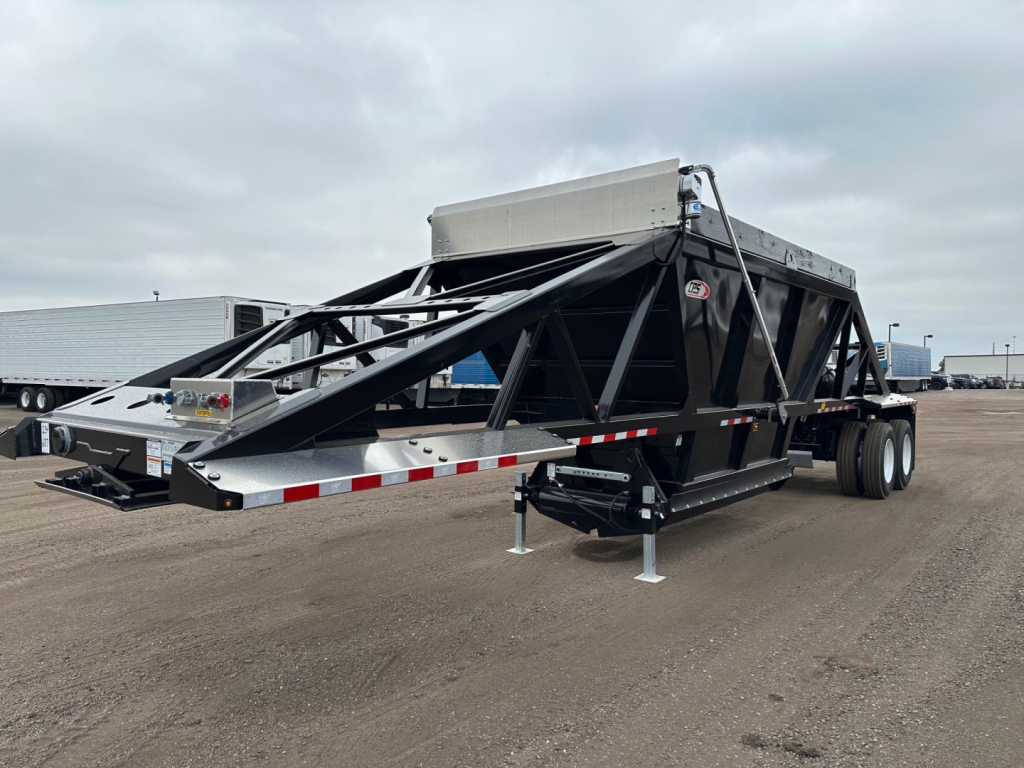
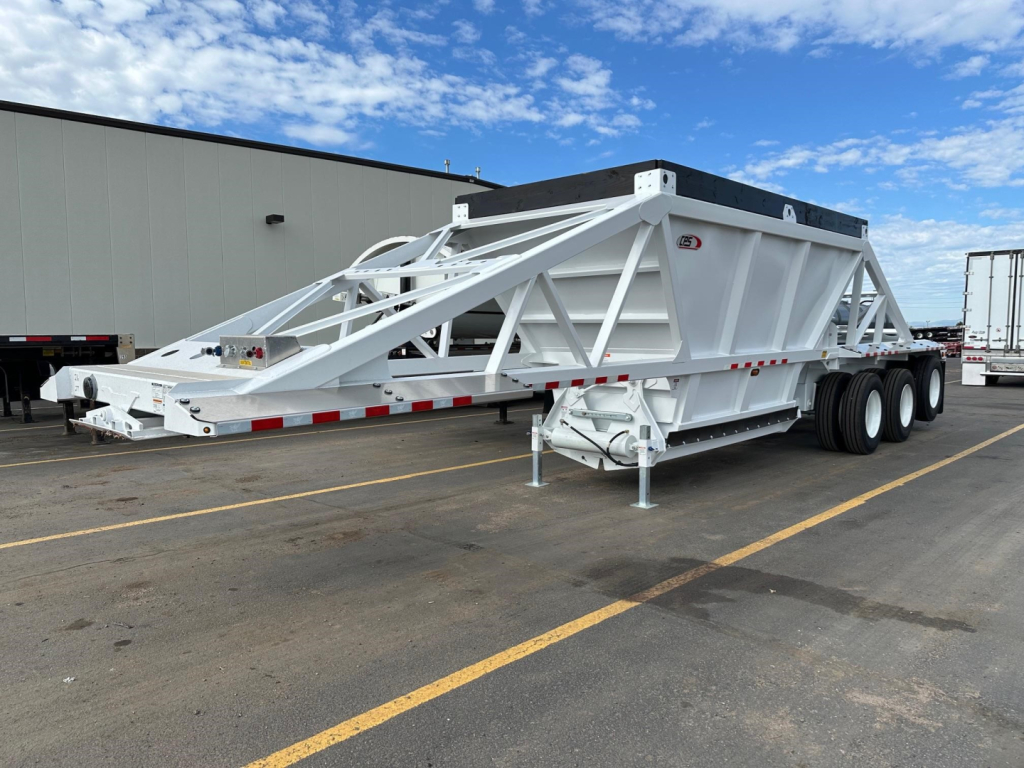
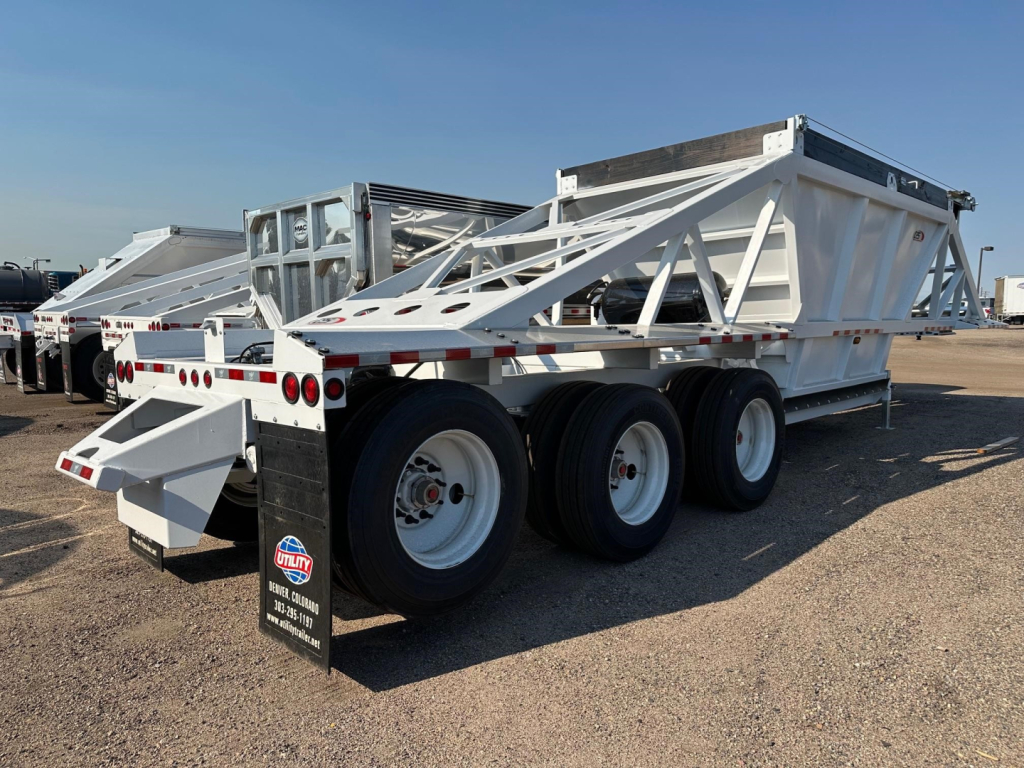
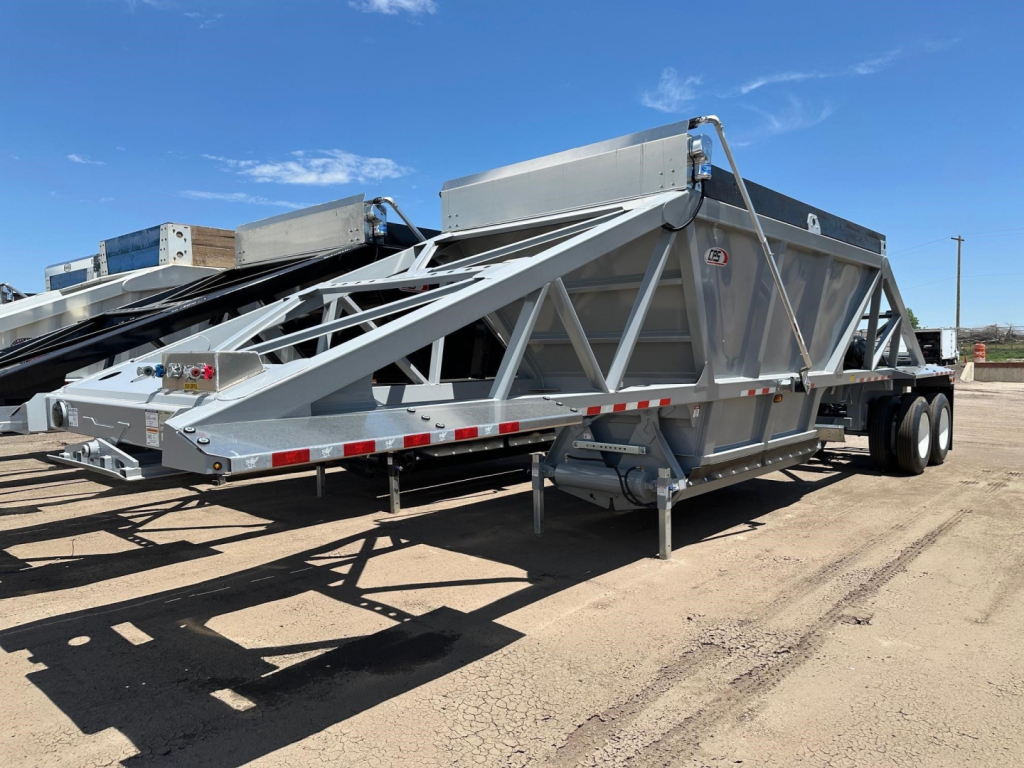
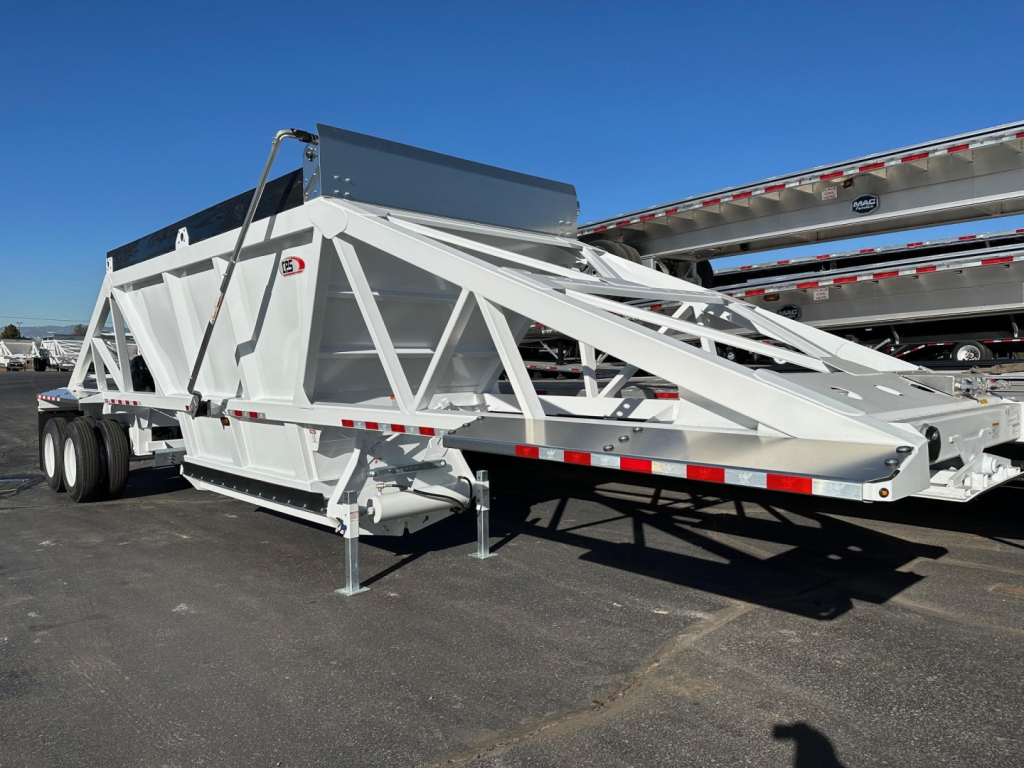
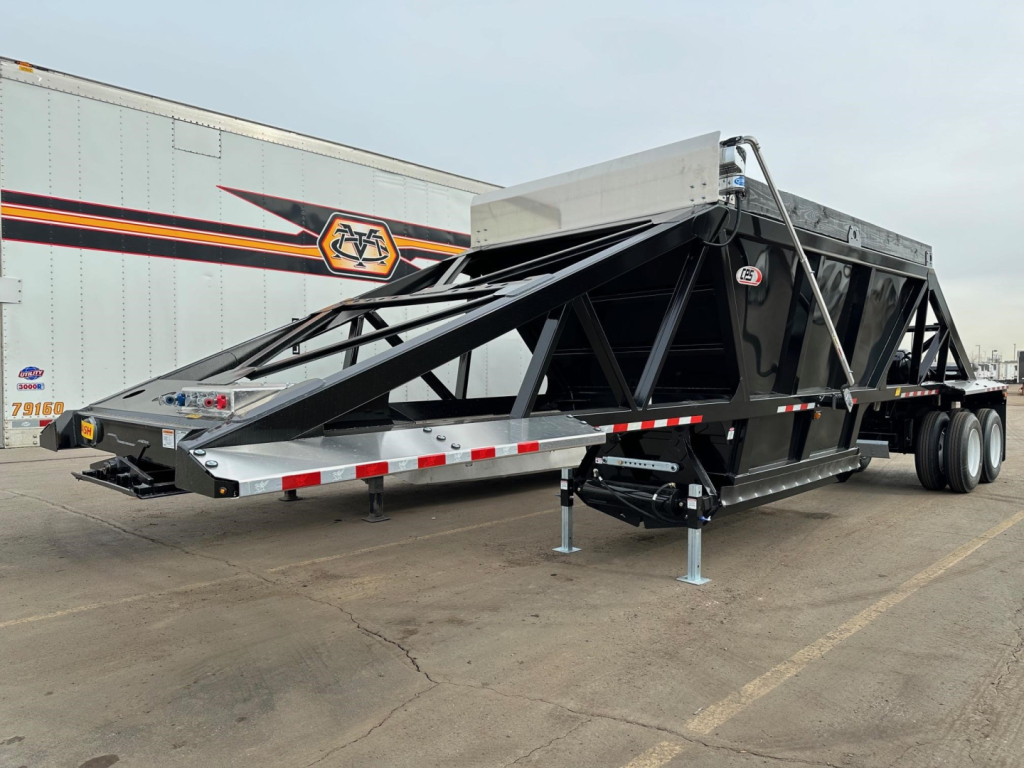
For road building and aggregate fleets, CPS bottom dump trailers are typically seen in 40-foot to 42-foot lengths with single-hopper layouts, tandem or tri-axle setups, air ride suspension, and 11R24.5 rubber on steel wheels. Common features include electric flip or slide tarps, pin-setting gate limiters, Versa Valve gate controls, windrow deflectors, bang boards, push blocks, and front and rear fenders. Those details matter in production work. Gate metering affects spread consistency, tarp design affects turnaround and spill control, and axle configuration affects bridge compliance, tire scrub, and how well the trailer fits local weight laws.
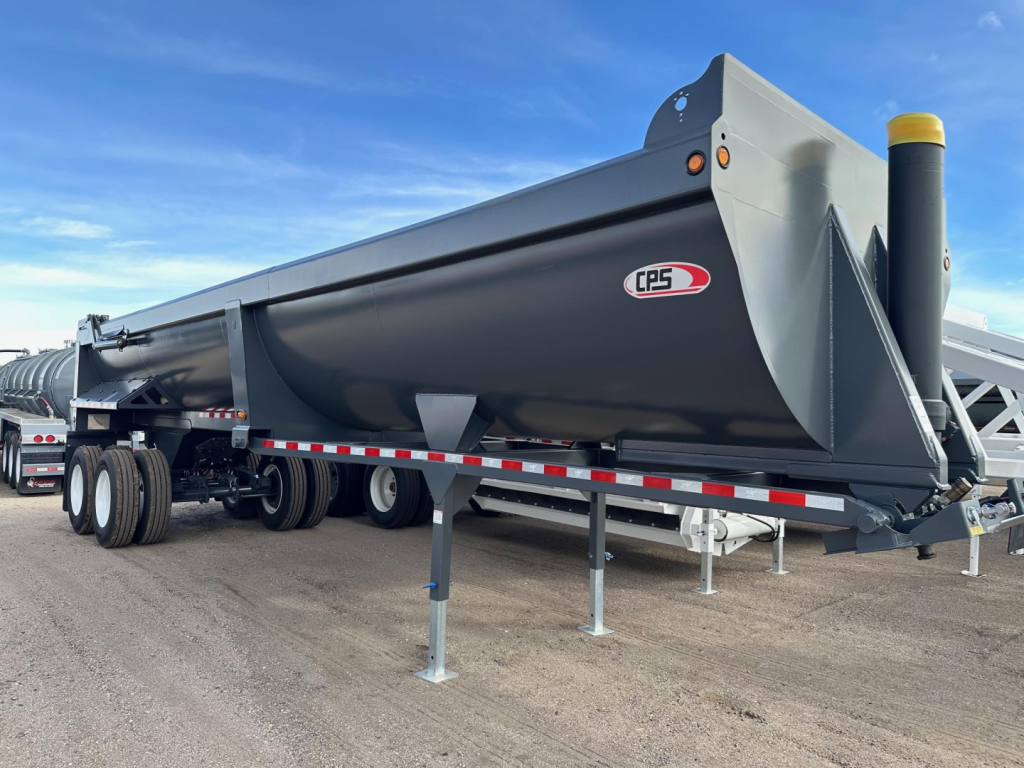
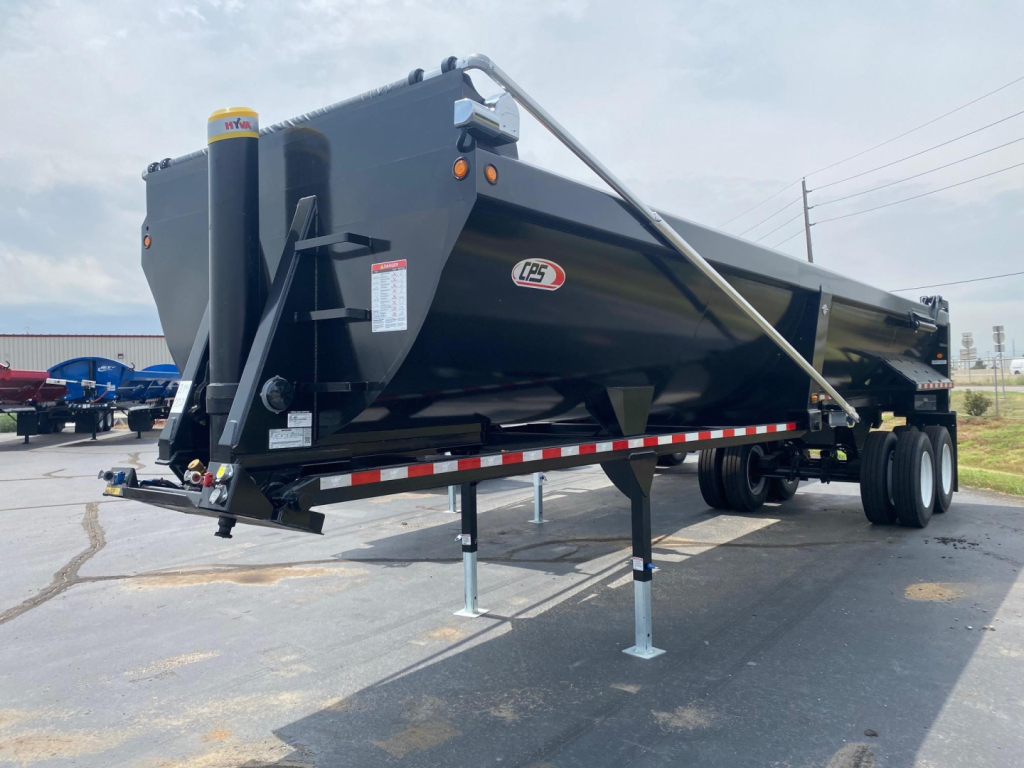
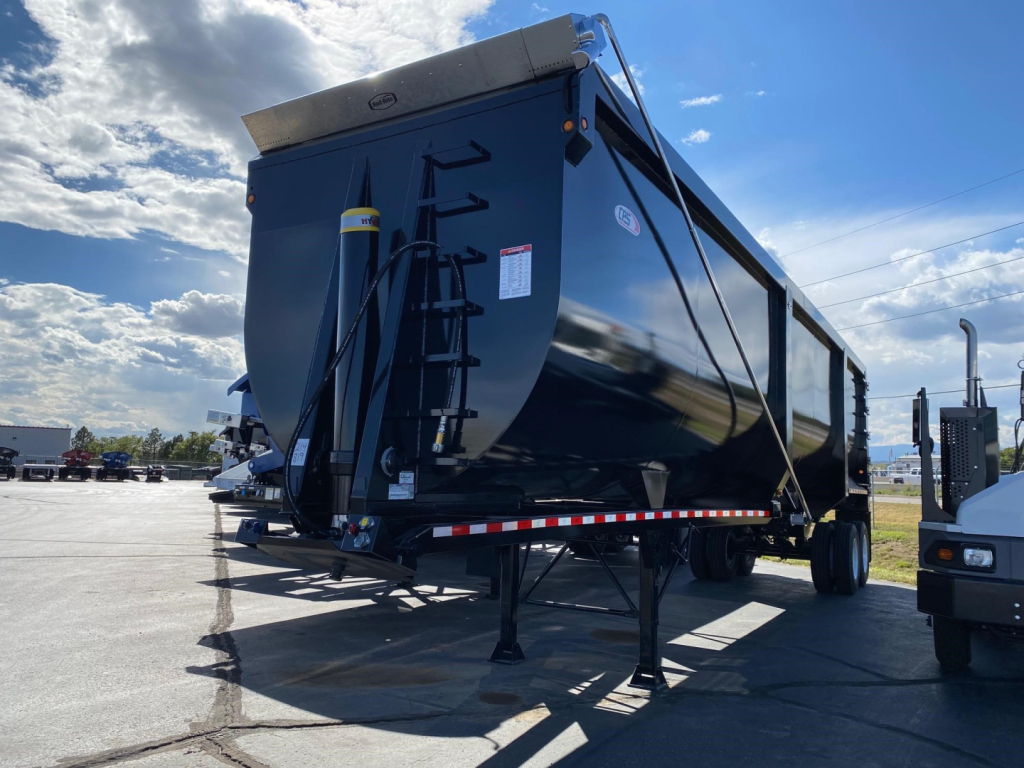
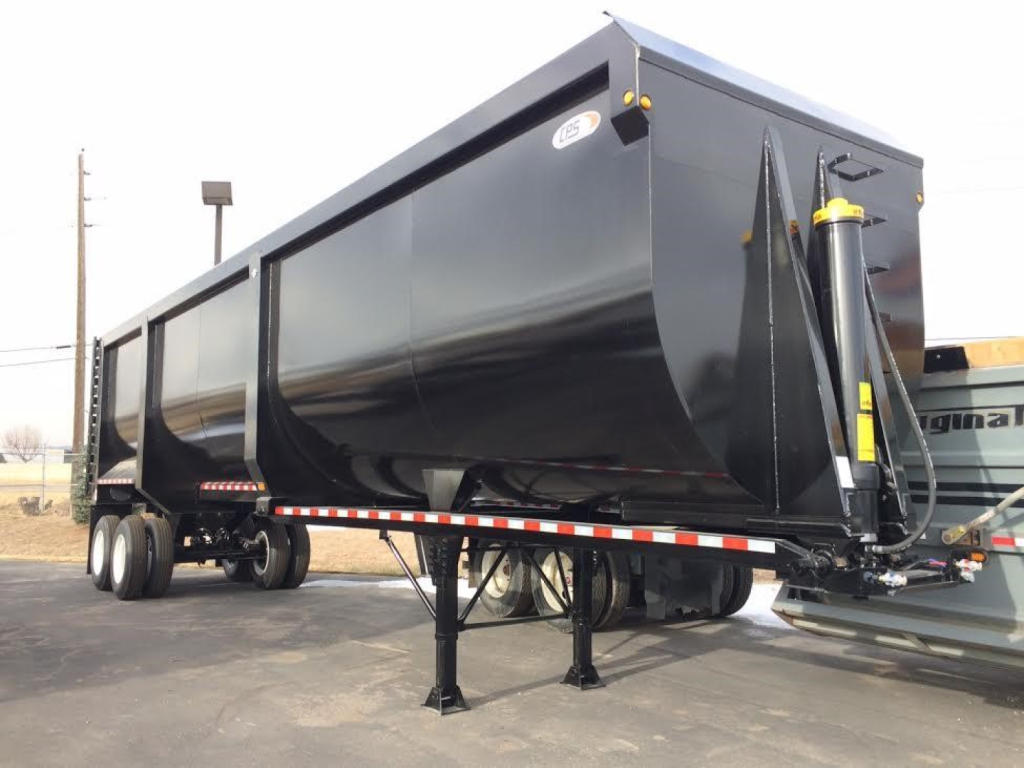
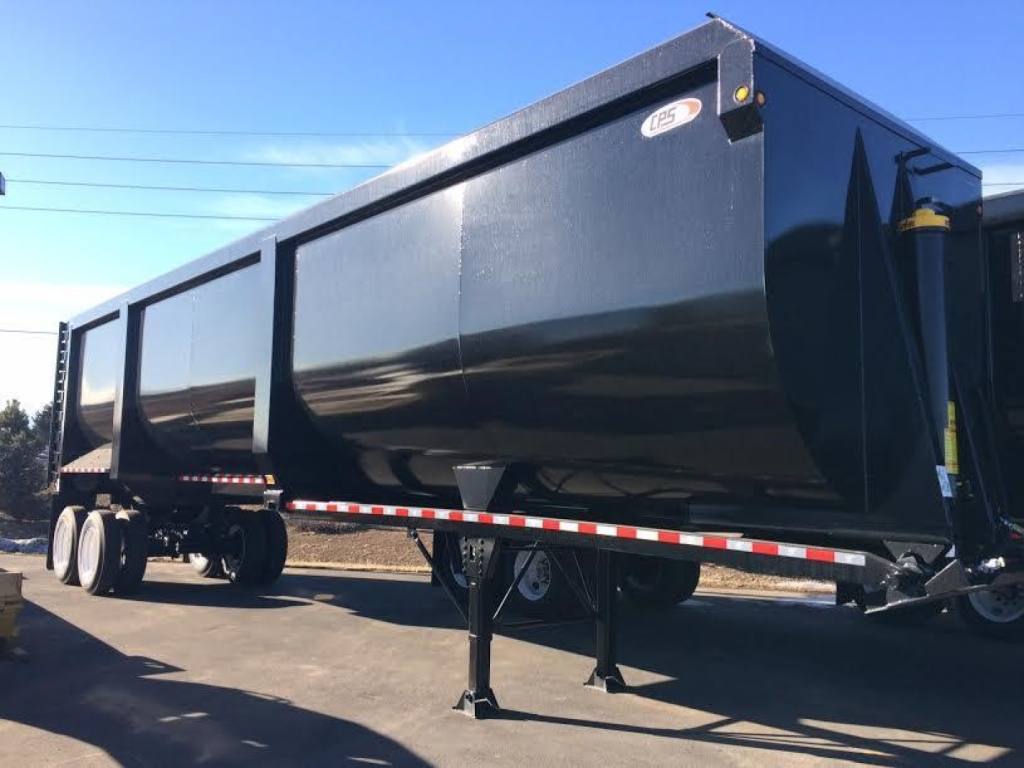
CPS end dumps in this group are geared toward scrap and demolition service, with frameless steel construction, half-round AR450 tubs, high sidewalls, and barn door or side-hinged rear gate setups. A typical high-cube trailer in this class may run around 42 feet overall with a 40-foot tub, 100-inch sides, tandem axles, and single-point suspension. That kind of spec is aimed at bulky, abrasive material rather than precision spreading. Buyers should pay close attention to tub material, side height, suspension type, and gate style because those choices directly affect unloading stability, body life, and how the trailer handles mixed debris, shred, concrete, or oversized scrap.
When comparing new CPS trailers, focus on payload-to-tare ratio, suspension design, axle count, tarp system, and the exact discharge setup. For bottom dumps, look closely at hopper design, gate control precision, and kingpin-to-axle layout if you run in states with strict bridge formulas. For end dumps, evaluate tub shape, steel grade, center of gravity, and whether the trailer is better suited for clean scrap, demolition debris, or rock. CPS trailers in this segment are generally spec'd as work-first units with practical components, heavy-use steel bodies, LED lighting, and fleet-oriented configurations that make sense for contractors and bulk haulers who need straightforward, job-ready dump capacity.
Frequently Asked Questions about New CPS Trailers
What types of new CPS trailers are most common?
The most common new CPS trailers in this category are bottom dump trailers and steel end dump trailers. Bottom dumps are used heavily in aggregate hauling, paving support, and controlled material spreading because they discharge through hopper gates under the trailer. End dumps are more common in demolition, scrap, and bulk material hauling where high cubic capacity and fast unloading are priorities. The right choice depends mainly on the material being hauled and whether precise placement or maximum cube is more important.
What should I look for in a CPS bottom dump trailer?
Key buying points on a CPS bottom dump include trailer length, hopper configuration, gate control system, suspension type, and axle layout. Features such as Versa Valve controls, pin-setting gate limiters, windrow deflectors, bang boards, and electric tarps are more than convenience items because they affect spread quality, operating speed, and cleanup. Tandem and tri-axle versions also change payload potential and bridge law flexibility, so the trailer should be matched to the routes and legal weights your operation runs every day.
Are CPS end dump trailers suited for scrap and demolition work?
Yes. CPS end dump trailers in scrap and demolition trim are commonly built with frameless construction, high sidewalls, and abrasion-resistant steel tubs such as AR450. That combination is designed for bulky, abrasive, and irregular loads that would be hard on a lighter commodity trailer. Buyers should still confirm tub dimensions, gate type, suspension, and tarp setup because demolition debris, processed scrap, and aggregate each place different demands on body strength, unloading behavior, and containment.
Is air ride or single-point suspension better on a new dump trailer?
It depends on the application. Air ride is often preferred on bottom dump trailers because it can improve ride quality, reduce vibration to the chassis, and work well in highway aggregate service. Single-point suspension is common on heavy-duty end dumps because it is simple, durable, and familiar in severe-service applications. The better choice comes down to load type, terrain, maintenance preferences, and how much time the trailer spends on pavement versus rough jobsite conditions.
Why do tarp systems and gate styles matter so much on CPS trailers?
Tarp systems and gate styles directly affect safety, compliance, and unloading efficiency. On bottom dumps, an electric flip or slide tarp speeds load securement and helps control spillage between the pit and the job. On end dumps, a mesh tarp may be important for lighter debris or scrap, while barn doors or side-hinged gates change how the load exits and how easily oversized material clears the opening. These are operating-spec decisions, not cosmetic add-ons, and they should match the material stream your fleet handles most often.