
New CPS Trailers For Sale in Colorado
Shop new CPS trailers for sale in Colorado, including bottom dump and end dump models built for aggregate, paving, scrap, and demolition work.
Selling a new cps trailer? List your new cps trailer for sale and reach thousands of commercial buyers.
New CPS Trailers in Colorado
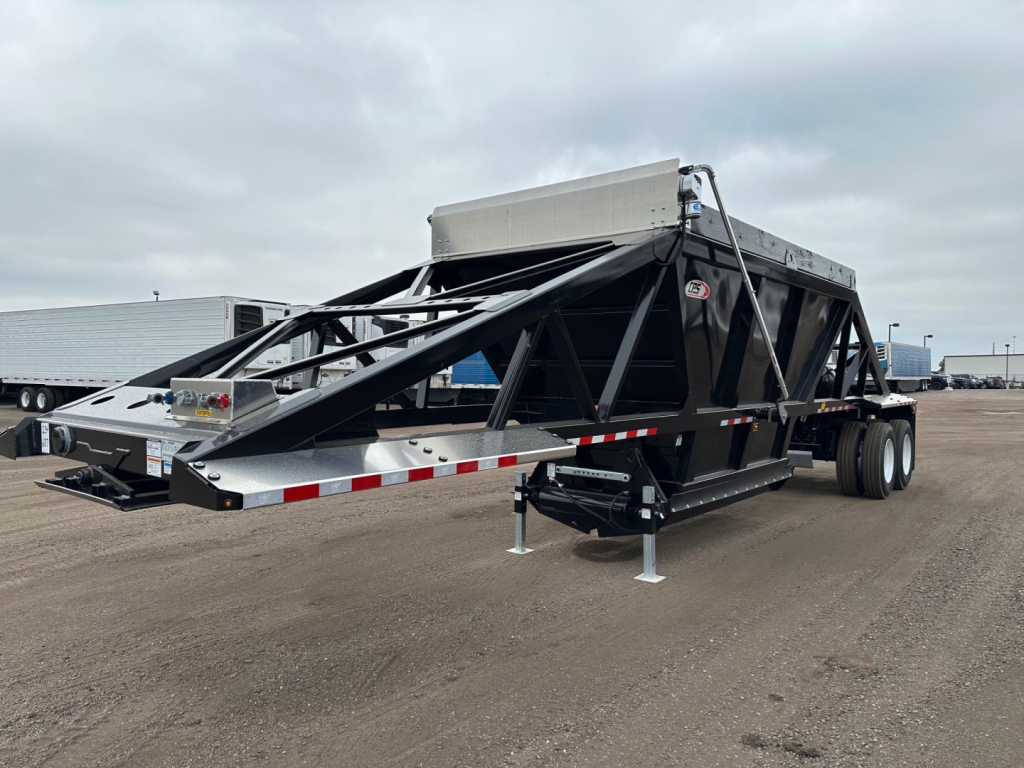
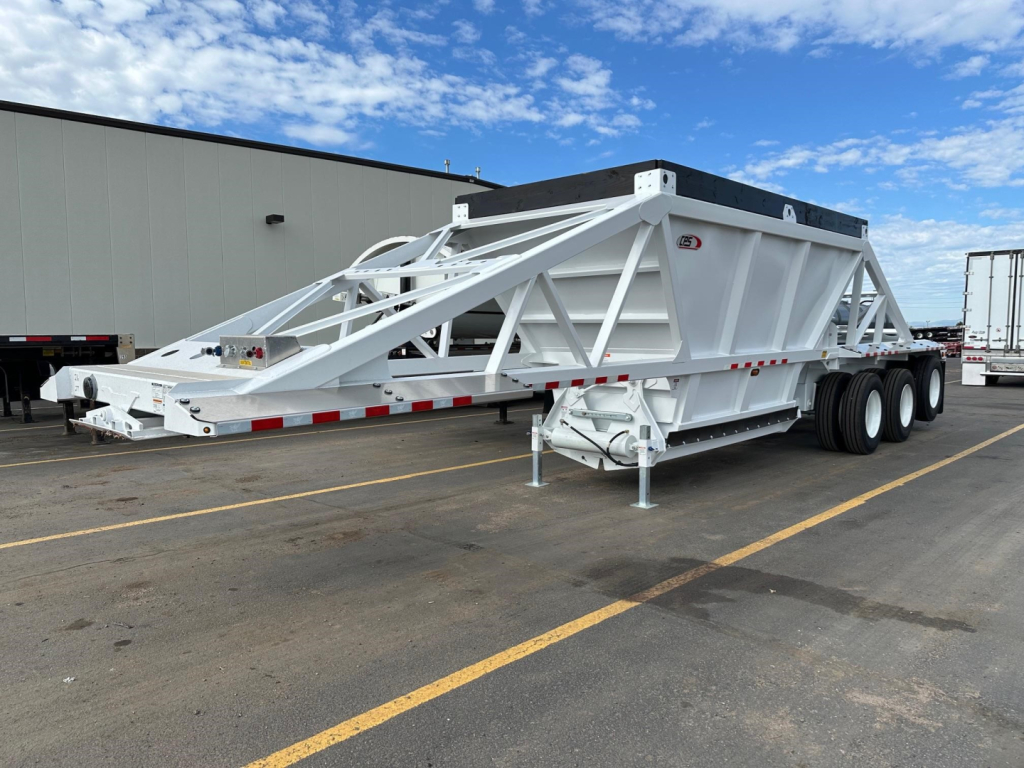
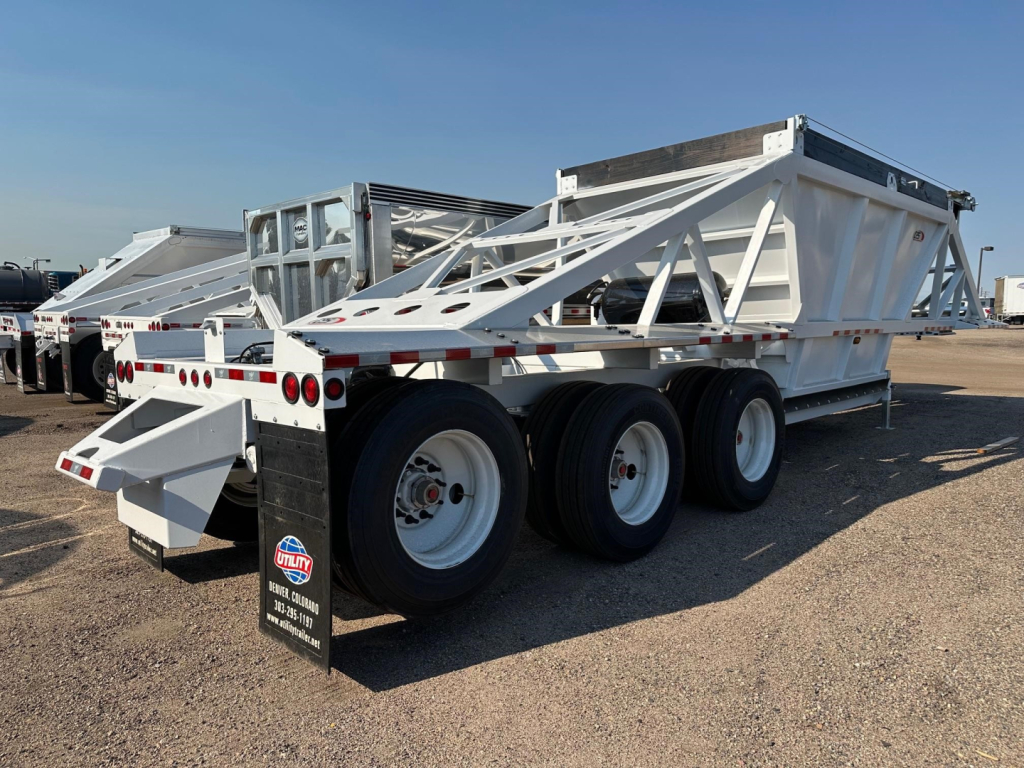
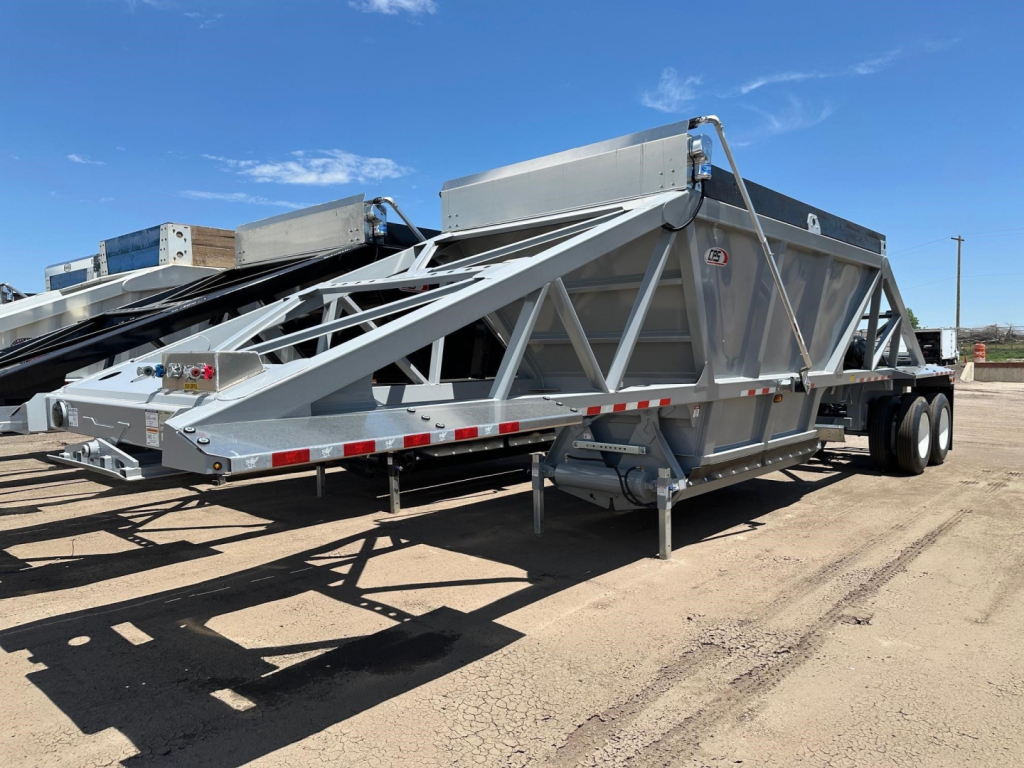
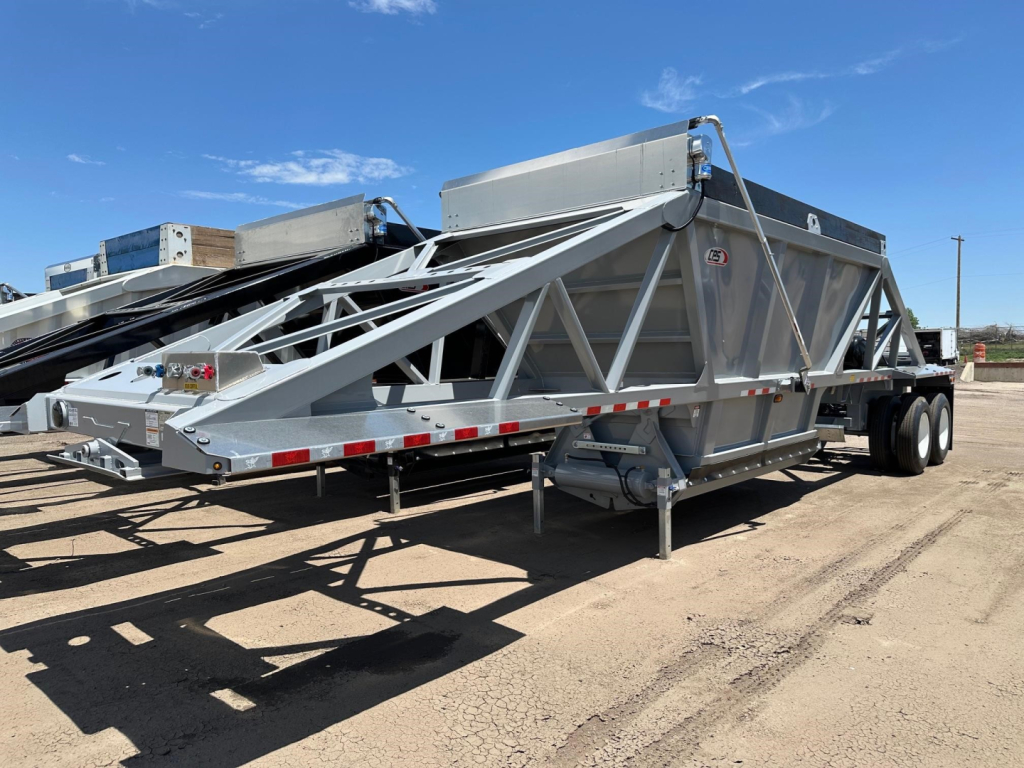
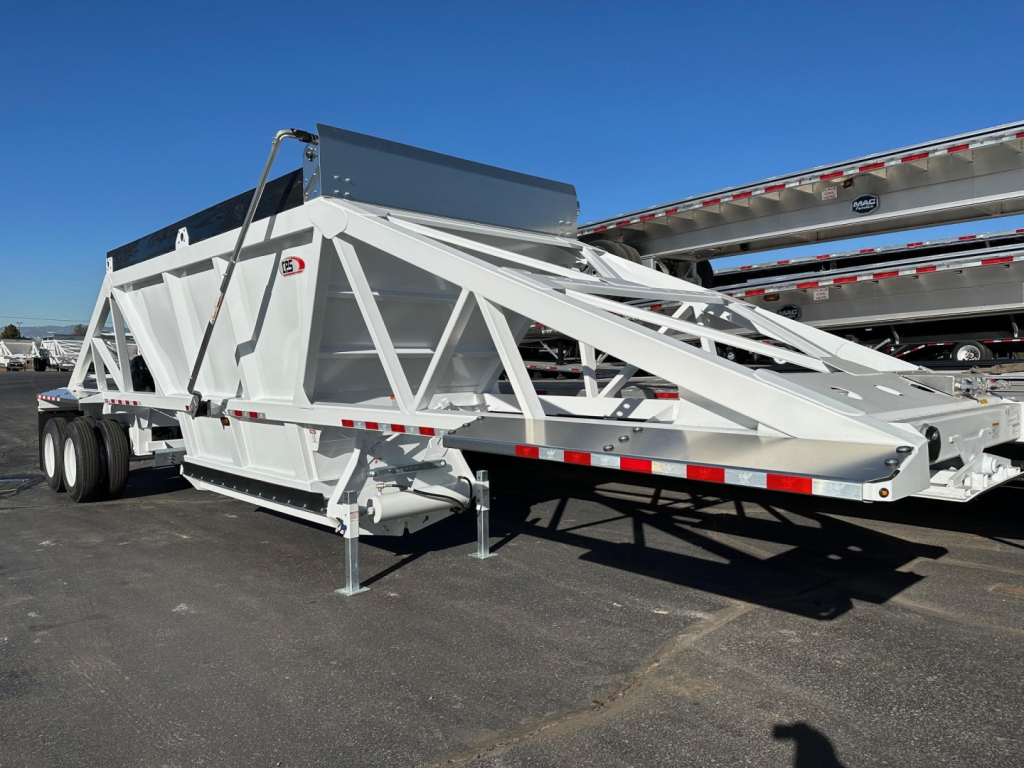
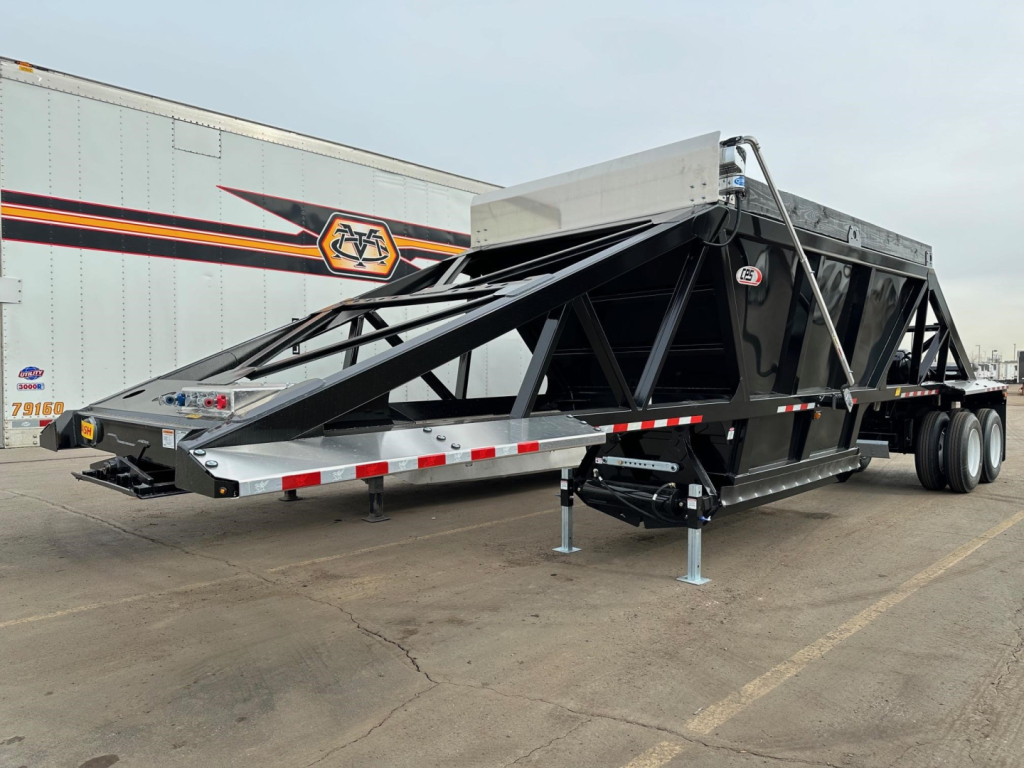
For paving support, aggregate, and construction material delivery, CPS bottom dump trailers are often found in 40-foot to 42-foot lengths with single hopper layouts, air ride suspension, closed tandem or tri-axle setups, and 11R24.5 tires on steel wheels. Features like electric flip tarps or electric slide tarps, pin setting gate limiters, bang boards, windrow deflectors, and Versa Valve controls are all practical spec points, not fluff. They affect how precisely the trailer meters material, how quickly the operator can tarp and untarp, and how well the trailer handles repetitive daily cycles. A tri-axle bottom dump with a rear lift axle and a 95,000 GVWR target can make sense for operators trying to maximize legal payload under state-specific bridge and axle rules.
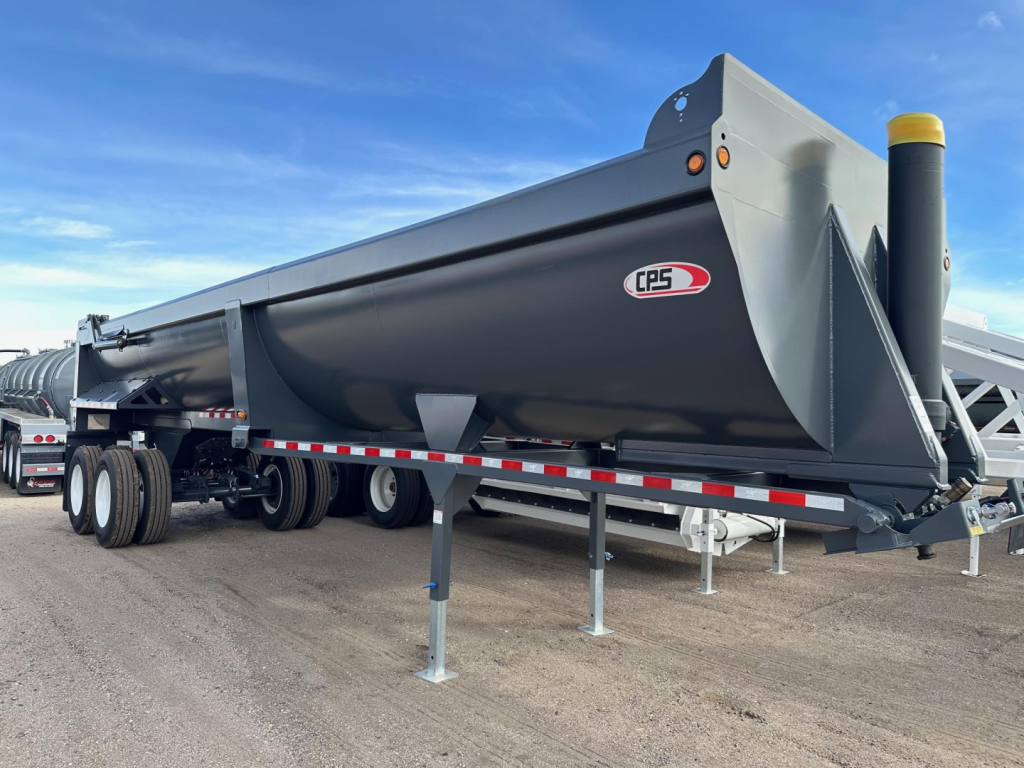
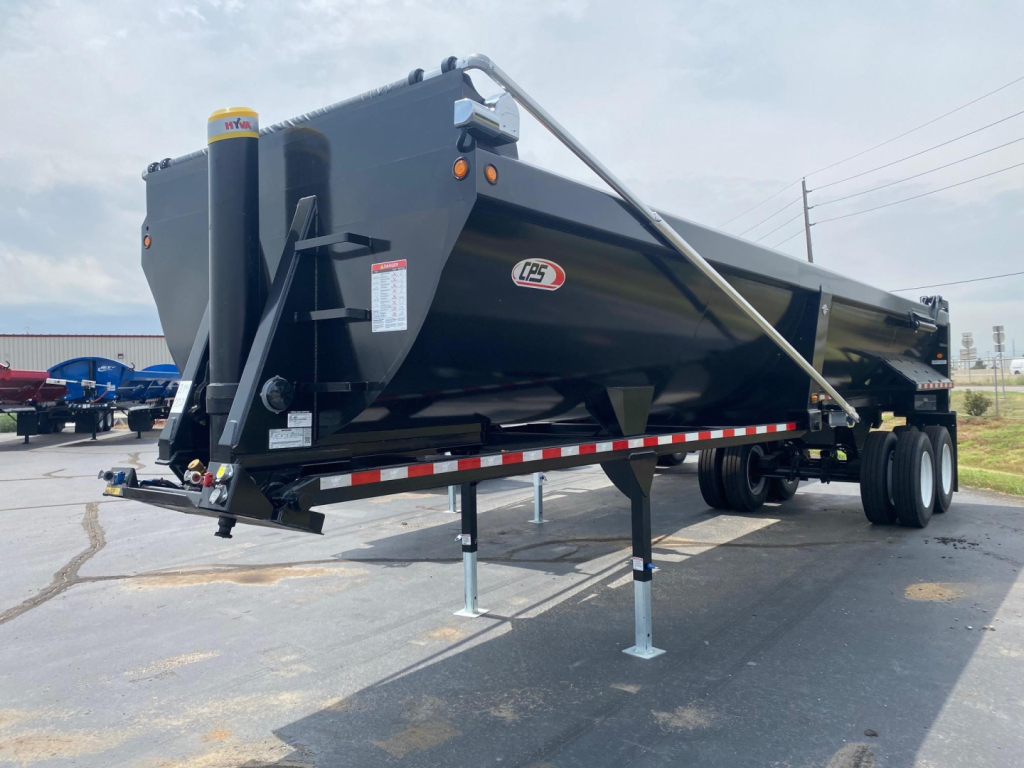
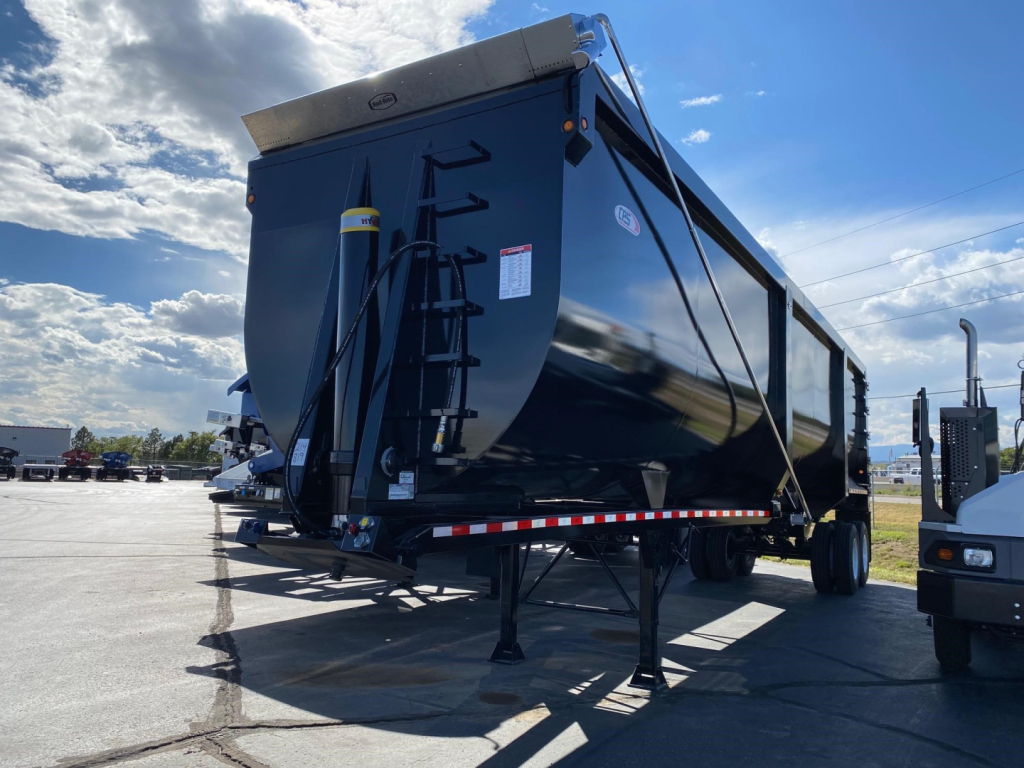
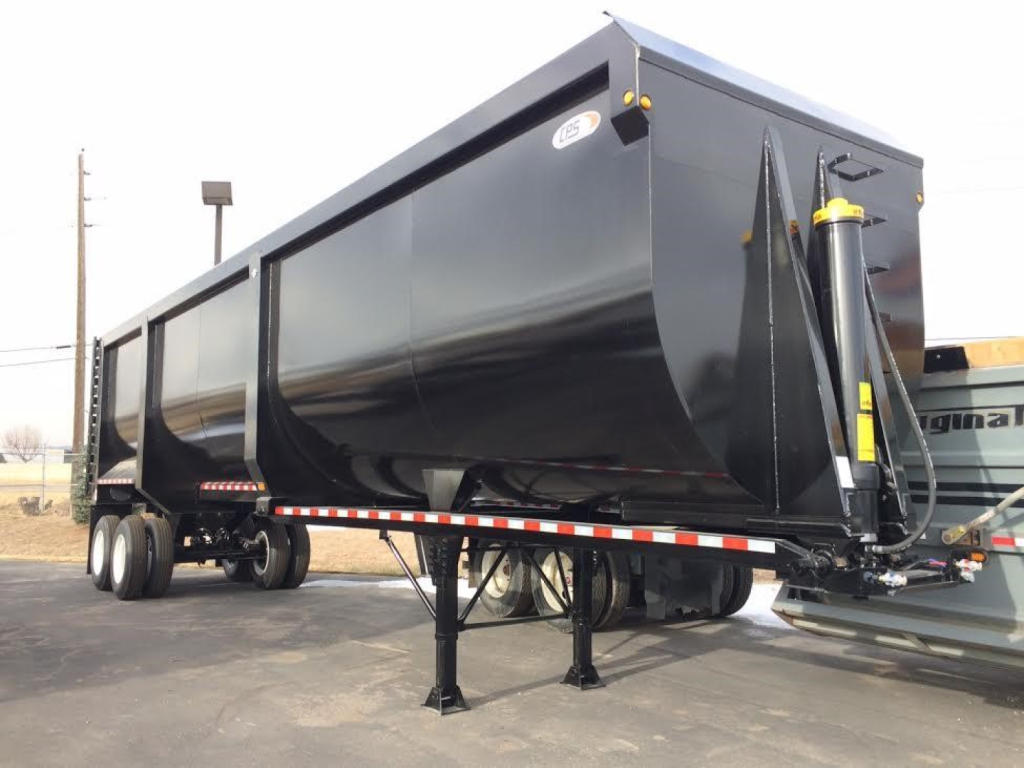
For scrap, demolition, and heavier abrasive loads, CPS frameless end dumps are typically built around a half-round AR450 steel tub with tall sidewalls and a high-cube design. A 40-foot tub on a 42-foot overall trailer with 100-inch sides and capacity in the upper cubic-yard range is designed for volume, but material type still determines real payload. AR450 steel is a major buying point because it stands up better to impact and sliding wear from rubble, metal scrap, and mixed demolition debris than lighter general-purpose bodies. Buyers should pay close attention to gate style, tarp setup, ladder placement, fender configuration, and whether the trailer is optimized for clean dumps or rough transfer environments.
A smart buying decision comes down to matching trailer structure to haul profile. Bottom dumps favor fast, controlled unloading on stable surfaces and are a strong fit for road contractors, aggregate fleets, and material distributors. End dumps favor versatility and bulky or irregular material, but they also demand closer attention to center of gravity, tub construction, and dump-site conditions. In Colorado, suspension choice, axle count, and tare weight can all affect profitability because grades, weather, and state weight compliance put real pressure on trailer spec. Look closely at hopper design, body material, tarp system, push block, lighting, and running gear, because those details shape uptime just as much as the name on the nose.
Frequently Asked Questions about New CPS Trailers in Colorado
What is the difference between a CPS bottom dump trailer and a CPS end dump trailer?
A CPS bottom dump trailer discharges material through gates in the floor, which allows controlled spreading while the trailer is moving. That makes it a strong choice for aggregate base, shoulder rock, and paving support. A CPS end dump trailer raises the body and unloads out the rear, which works better for scrap, demolition debris, and other bulk materials that do not need precise placement. The better choice depends on your material, dump area, and the kind of production pace your jobs require.
Why does AR450 steel matter on a CPS scrap or demolition trailer?
AR450 is an abrasion-resistant steel commonly used in severe-duty trailer bodies because it handles impact and wear better than standard steel in abrasive applications. On a scrap or demolition trailer, that can mean better resistance to denting, gouging, and long-term floor and sidewall wear from concrete, brick, metal, and mixed debris. It does not eliminate maintenance, but it is an important durability upgrade for fleets that run hard in demolition, recycling, and rock applications.
What should I look for in a new CPS bottom dump trailer spec?
Key spec points include overall length, hopper design, gate controls, suspension type, axle configuration, tarp system, tire size, and GVWR target. Features like pin setting gate limiters, Versa Valve controls, bang boards, and windrow deflectors directly affect material flow and placement accuracy. Air ride suspension can help protect the trailer and improve ride quality, while tandem versus tri-axle layouts change legal payload options and maneuverability. The right spec is the one that matches your route, material density, and state weight rules.
Is a tri-axle CPS bottom dump worth considering in Colorado?
A tri-axle bottom dump can be a strong option in Colorado when legal payload, axle distribution, and route flexibility are priorities. A rear lift axle setup may help balance loaded capacity with tire wear and maneuverability when empty or lightly loaded. The added axle is not automatically the best answer for every operation, because maintenance, tare weight, and turning radius all matter. It makes the most sense when your haul profile and state compliance requirements support the extra running gear.
What materials are CPS dump trailers commonly used to haul?
CPS dump trailers are commonly used for sand, gravel, road base, asphalt millings, riprap, dirt, scrap metal, demolition debris, and other bulk materials. Bottom dump models are usually preferred for free-flowing material that benefits from controlled placement, while frameless end dumps are better suited to bulky, irregular, or abrasive loads. Material density and load behavior are critical, because cubic-yard capacity does not always translate into legal payload on the road.