
New 2027 CPS Trailers For Sale in Colorado
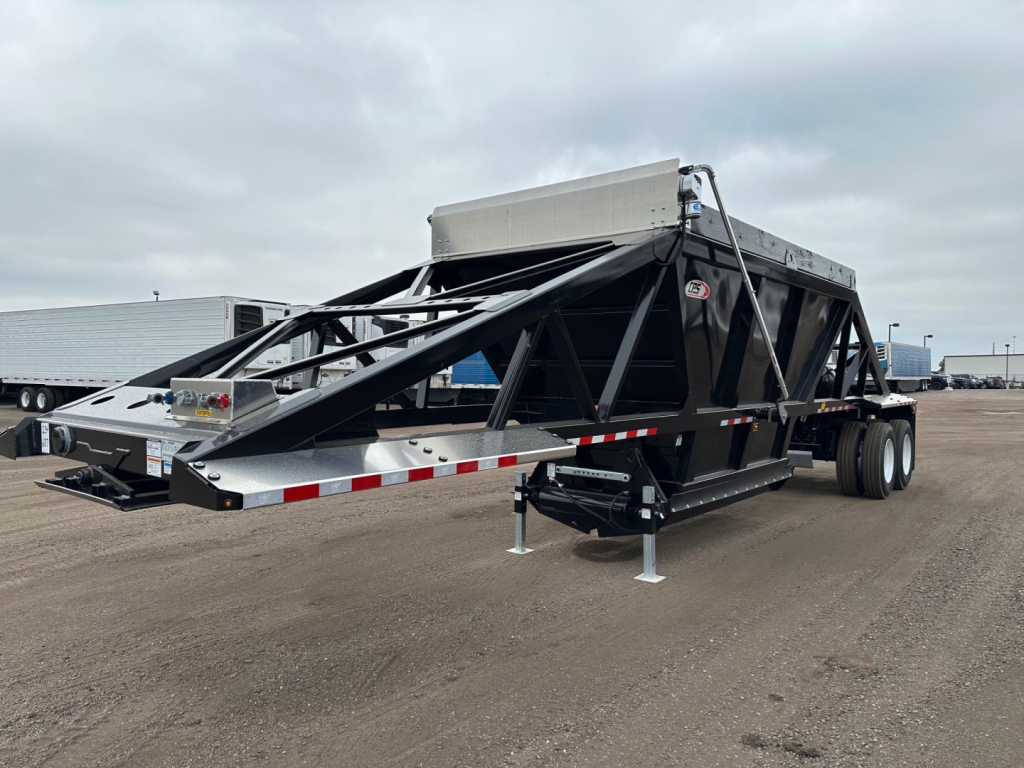
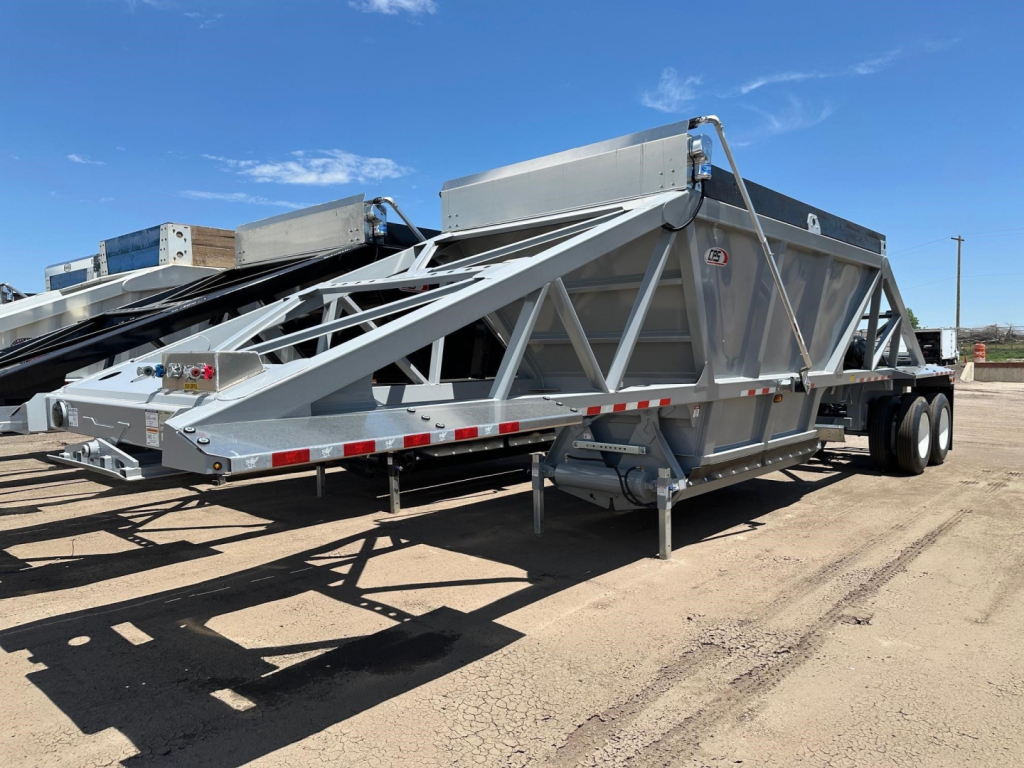
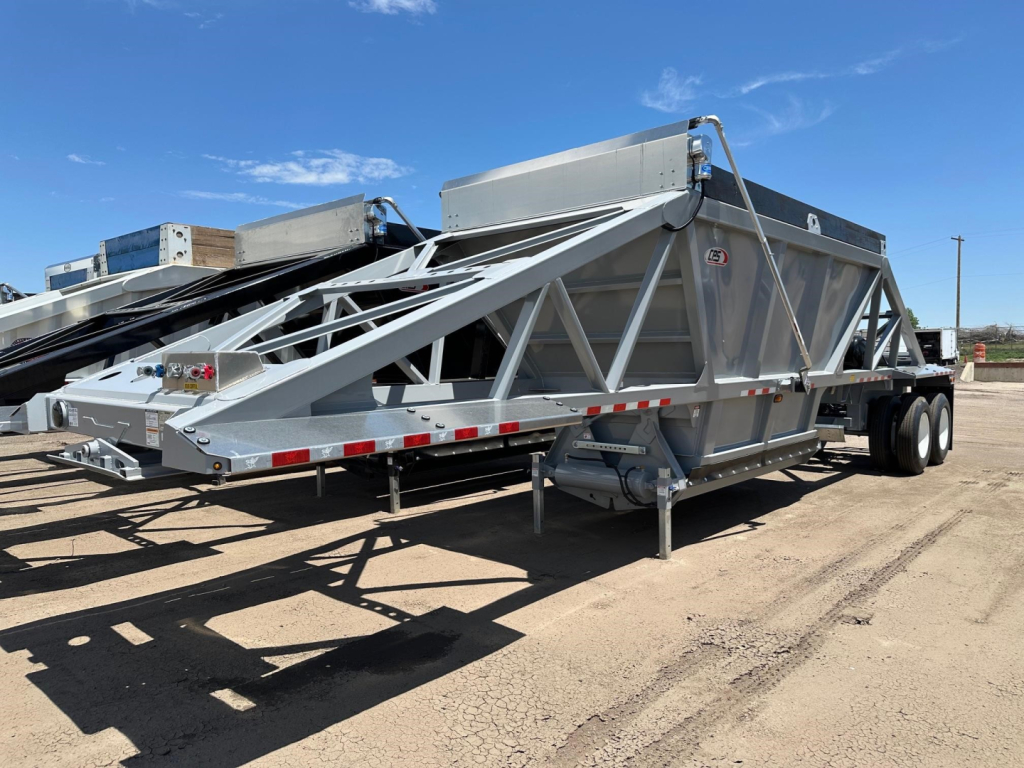
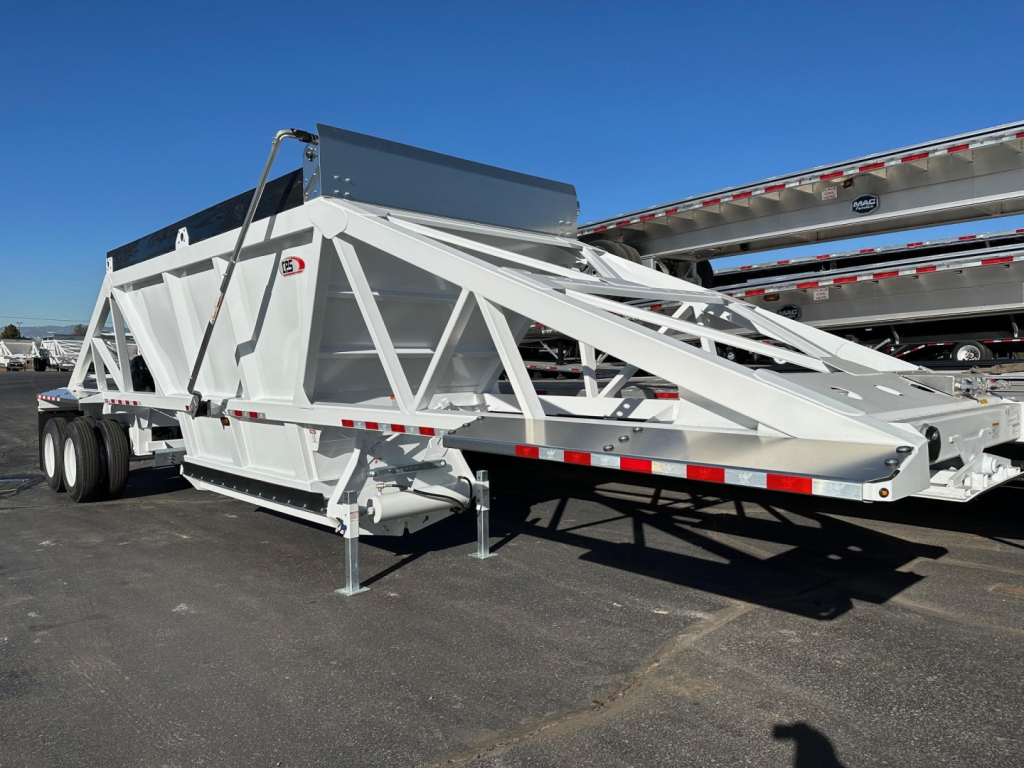
Shop new 2027 CPS trailers for sale, including bottom dump and end dump models built for aggregate, paving, rock, scrap, and demolition work.
Selling a new 2027 cps trailer? List your new 2027 cps trailer for sale and reach thousands of commercial buyers.
New 2027 CPS Trailers in Colorado
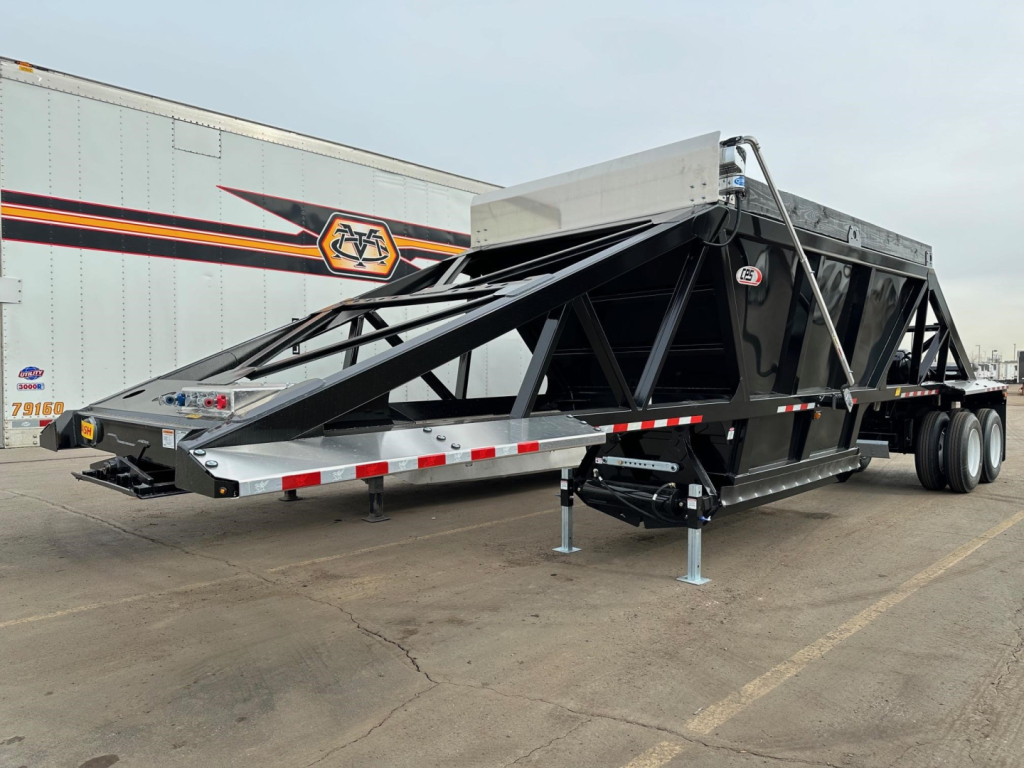
On the bottom dump side, buyers will usually focus first on length, hopper configuration, and gate control. A 40-foot lightweight bottom dump with a single hopper is a common choice for road base, sand, gravel, and asphalt-related work where controlled spread and fast unloading matter more than maximum box volume. Specs like air ride suspension, closed tandem layouts, electric flip tarps, pin setting gate limiters, Versa Valve controls, windrow deflectors, push blocks, and front and rear fenders point to a trailer built for paving support and aggregate hauling. Tire size, wheel type, and kingpin setting also matter because they affect bridge compliance, maneuverability, and how well the trailer matches the tractor and route profile.
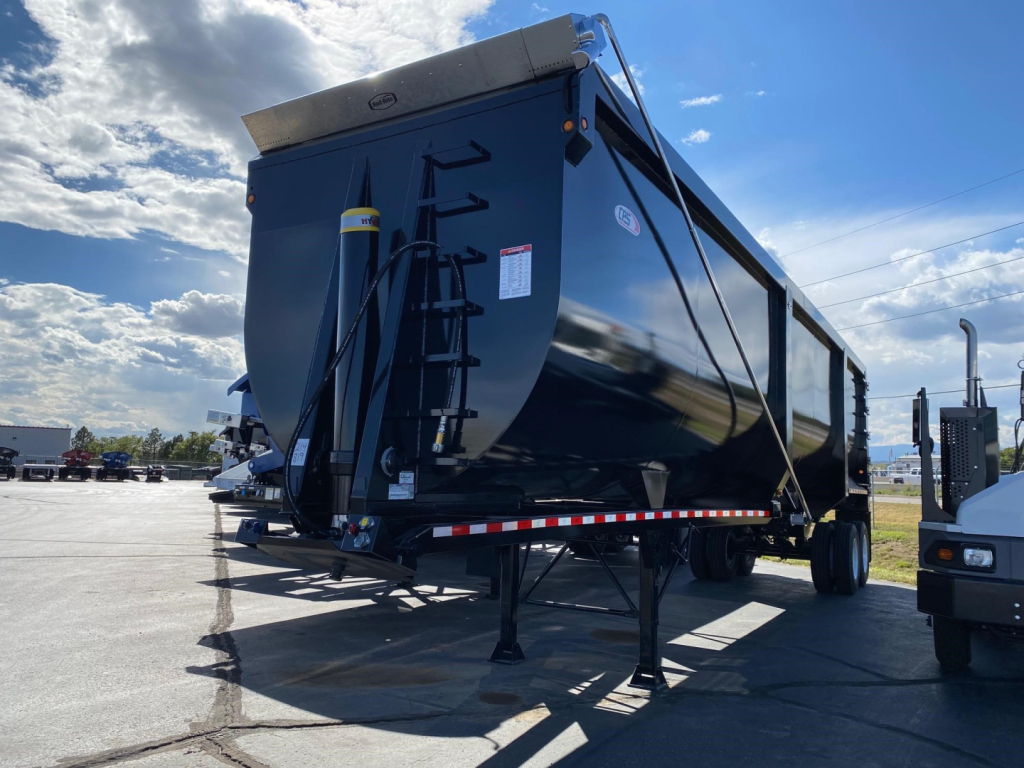
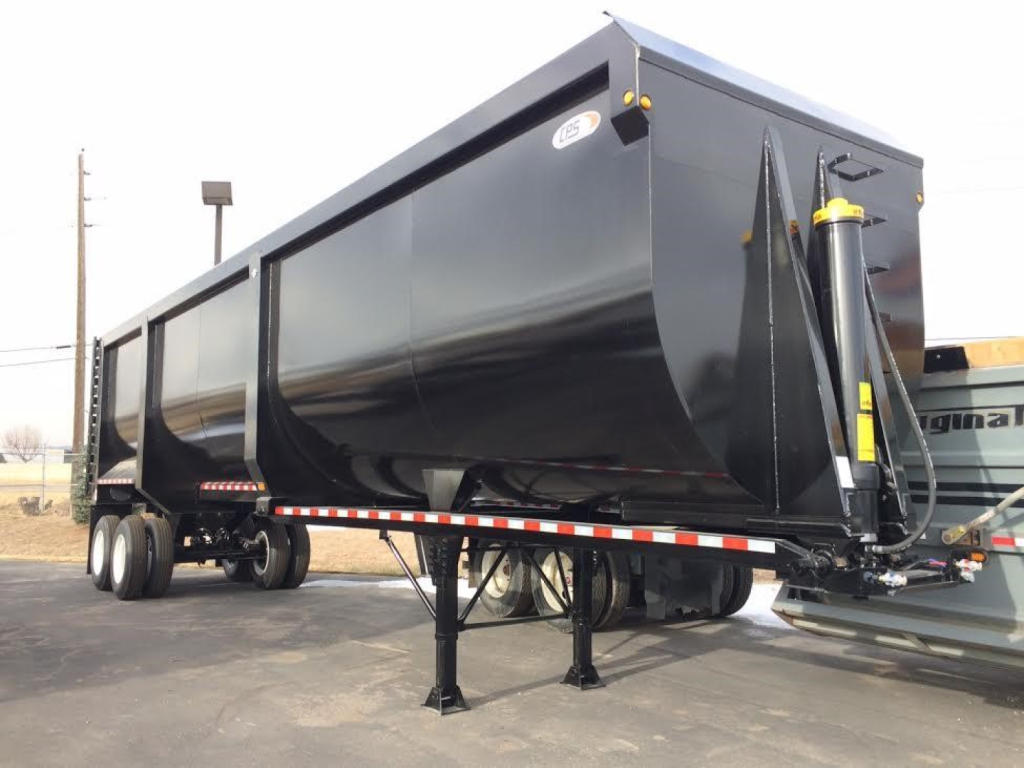
For harder impact loads, frameless steel end dumps are the more relevant comparison. A half-round AR450 steel tub is a common spec for rock, scrap, and demolition because it resists abrasion and sheds material better than a square body in many severe-duty applications. Buyers comparing rock end dumps should pay close attention to tub length, side height, cubic yard rating, suspension design, gate style, and tarp system. Features such as high lift gates, barn door swing gates, mesh electric flip tarps, rear fenders, side ladders, and single point suspension setups typically indicate a trailer intended for rough aggregate sites or bulk debris work where durability and unloading clearance are more important than minimizing tare weight.
The right CPS trailer comes down to material type and unloading method. Bottom dump trailers are also known as belly dumps, and they are typically preferred when you need an even windrow and quick discharge without raising the body. End dumps are better suited for large rock, demolition debris, and high-cube scrap where direct rear discharge is the priority. Buyers should compare steel grade, body shape, suspension, gate hardware, tarp design, overall length, and legal payload strategy before narrowing down listings. On a new 2027 trailer, those spec decisions will affect uptime, liner wear, rollover risk, unloading speed, and how well the trailer fits the work for the next several seasons.
Frequently Asked Questions about New 2027 CPS Trailers in Colorado
What is the difference between a bottom dump trailer and an end dump trailer?
A bottom dump trailer, also called a belly dump, unloads through gates on the bottom of the trailer and is commonly used for aggregate, road base, and paving support because it can lay material in a controlled windrow without raising the body. An end dump trailer unloads out the rear by raising the tub and is generally better for rock, demolition debris, scrap, and other materials that need a direct rear discharge. The choice usually comes down to the material being hauled, the dump site conditions, and whether controlled spreading or maximum dump clearance is more important.
Why is AR450 steel important on a dump trailer?
AR450 steel is an abrasion-resistant material commonly used in severe-duty dump applications because it stands up well to repeated contact with rock, scrap, and demolition material. On a frameless half-round end dump, AR450 helps reduce wear in the tub and can improve long-term durability when the trailer sees sharp, heavy, or high-impact loads. It does not eliminate the need for regular inspections, but it is a meaningful spec for buyers focused on service life and body integrity.
Is air ride or single point suspension better for a dump trailer?
Air ride suspension is often chosen for bottom dump and highway-focused aggregate work because it can improve ride quality, help protect the trailer structure, and support smoother handling on paved routes. Single point suspension is common on severe-duty end dumps because of its simplicity and durability in rough jobsite conditions. The better choice depends on how much time the trailer will spend on-road versus off-road, the type of load, and how much importance you place on ride quality versus ruggedness.
What should I look for in a bottom dump trailer for aggregate or paving work?
Key specs include overall length, hopper design, gate controls, suspension, tarp system, and tandem configuration. Features like a single hopper, pin setting gate limiters, Versa Valve controls, windrow deflectors, electric flip tarps, and air ride suspension are all relevant when the trailer will be used to place aggregate efficiently and maintain material control during transport. Buyers should also verify tire size, wheel spec, kingpin setting, and compatibility with the intended tractor because those details affect legal payload and operating efficiency.
What gate style is best on an end dump trailer?
The best gate style depends on the material. A high lift gate is useful when hauling rock or other bulk material that needs maximum discharge opening and clean unloading. A barn door swing gate is often preferred for scrap, demolition, or oversized debris because it allows large material to exit without hanging up as easily. Gate choice should be matched to load type, dump clearance requirements, and the conditions at the unloading site.