
New 2027 CPS Trailers For Sale
New 2027 CPS trailers for sale, including bottom dump and end dump models with air ride, AR450 tubs, high-cube bodies, and jobsite-ready specs.
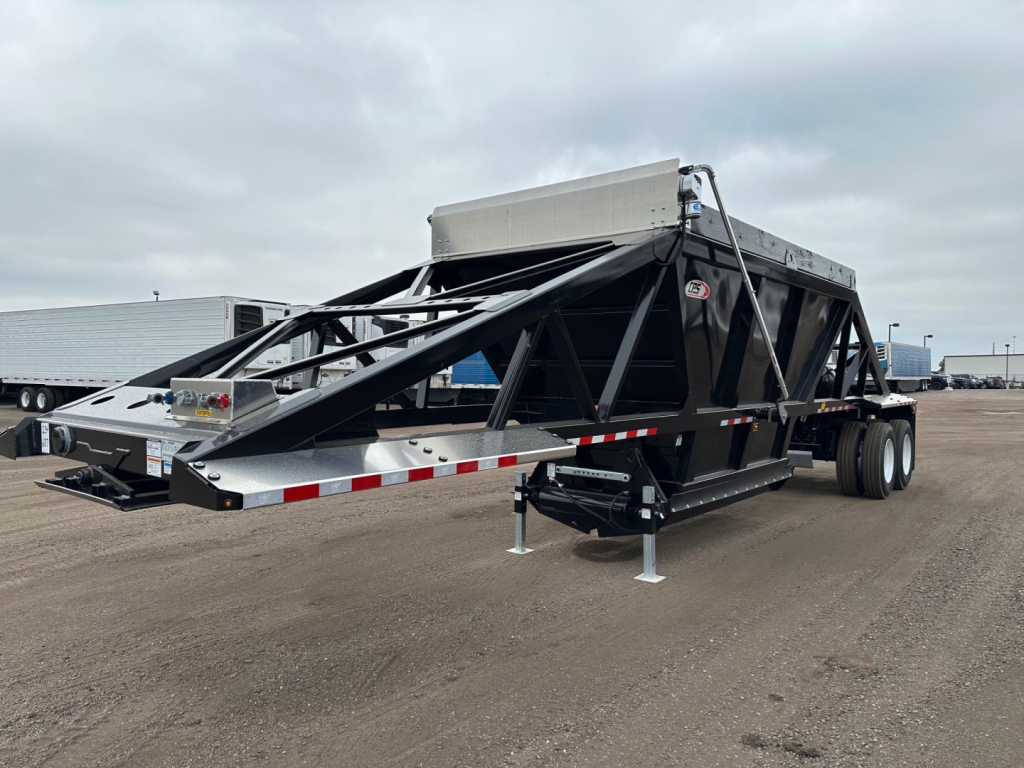
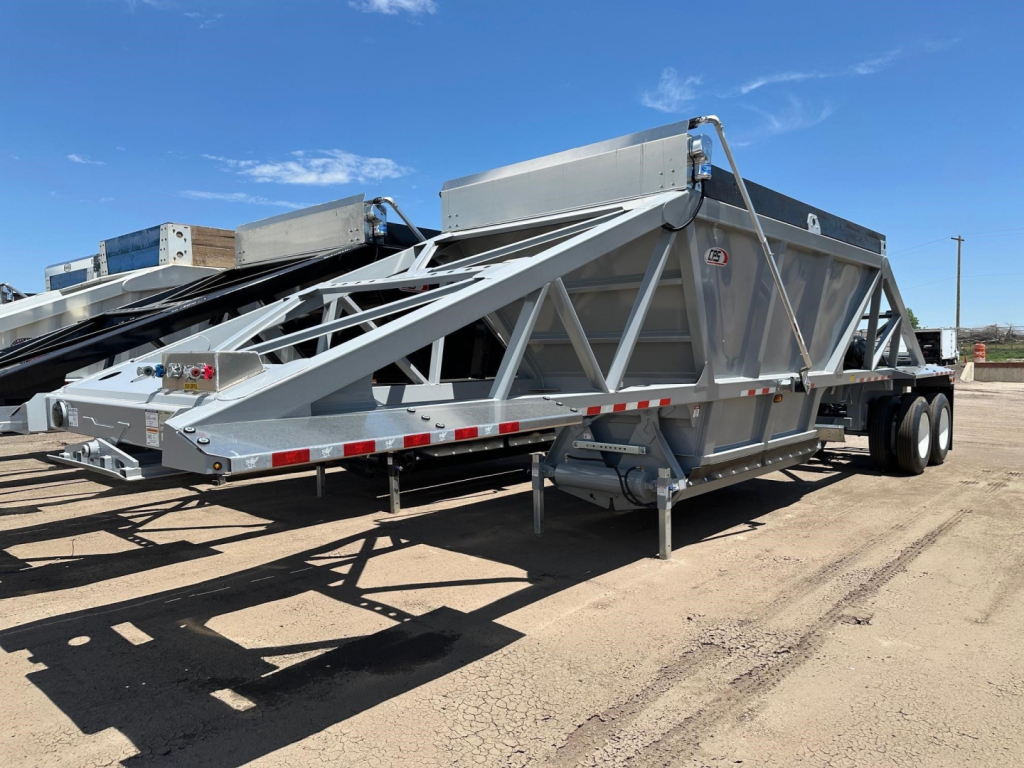
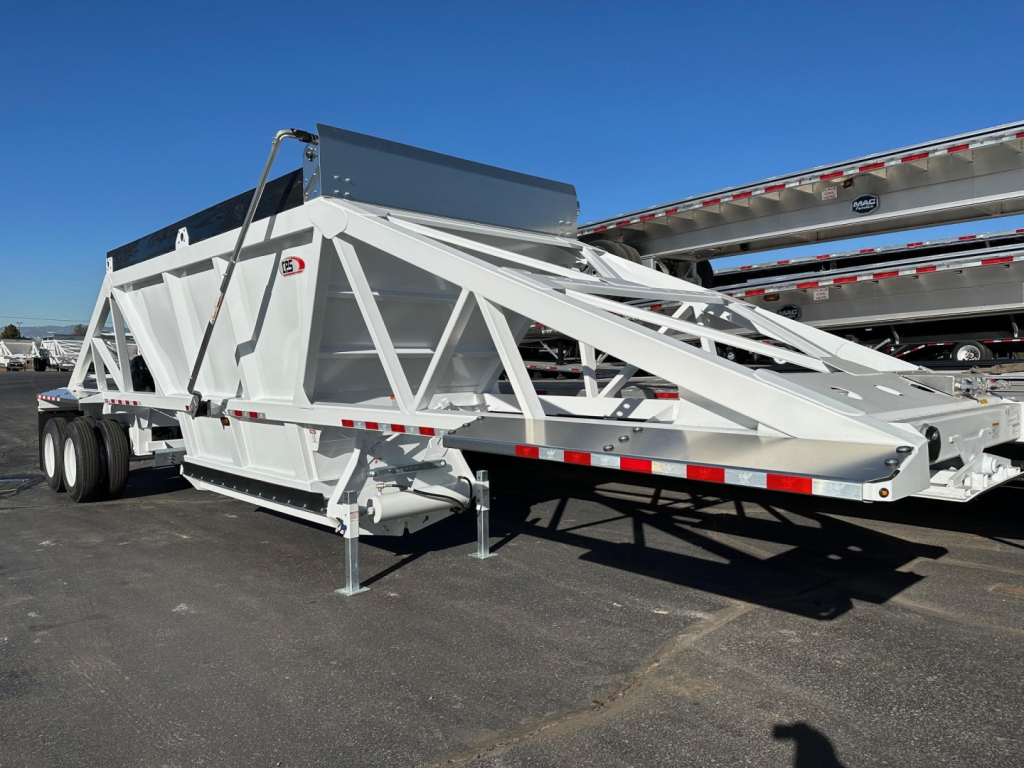
Selling a new 2027 cps trailer? List your new 2027 cps trailer for sale and reach thousands of commercial buyers.
New 2027 CPS Trailers
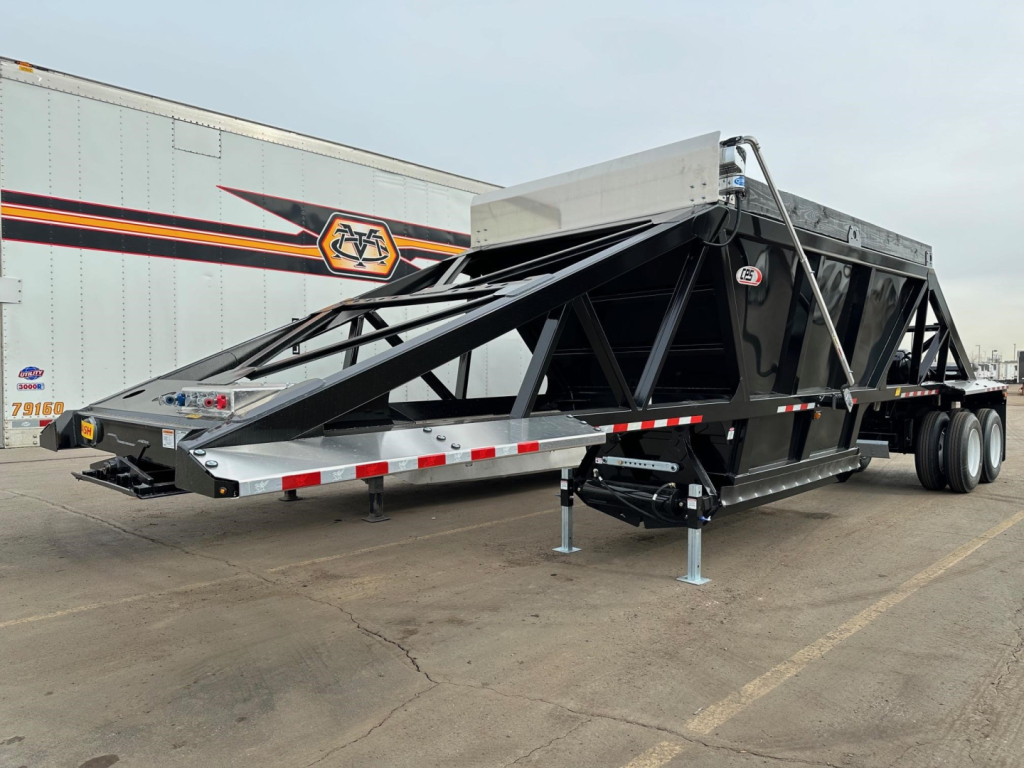
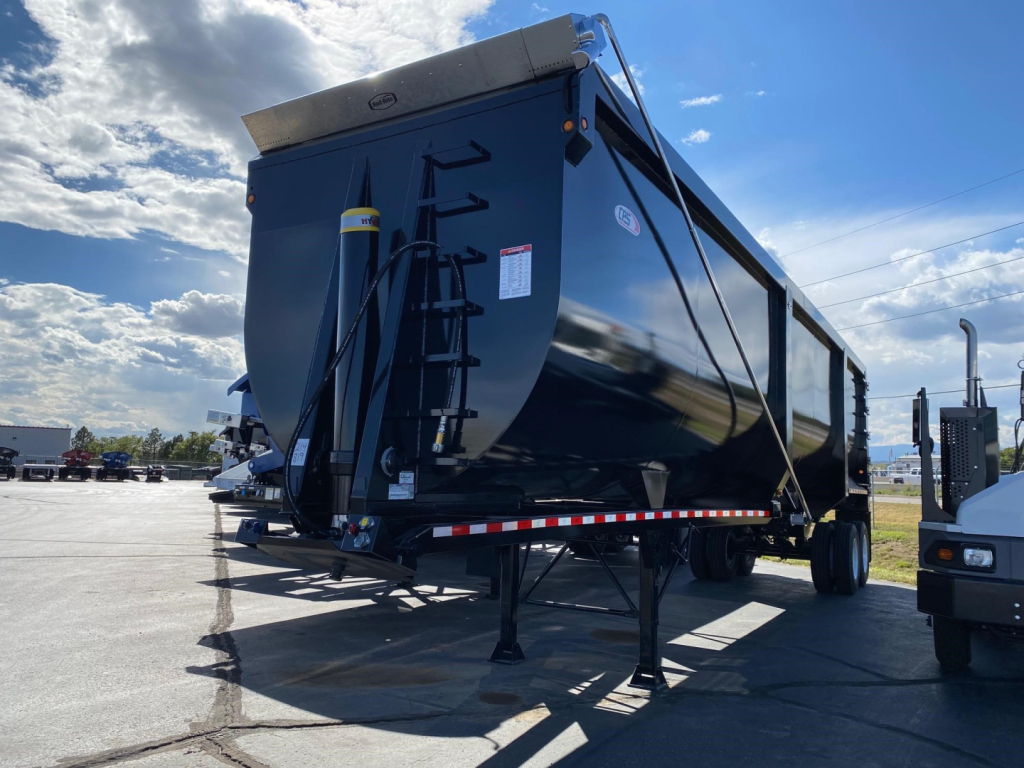
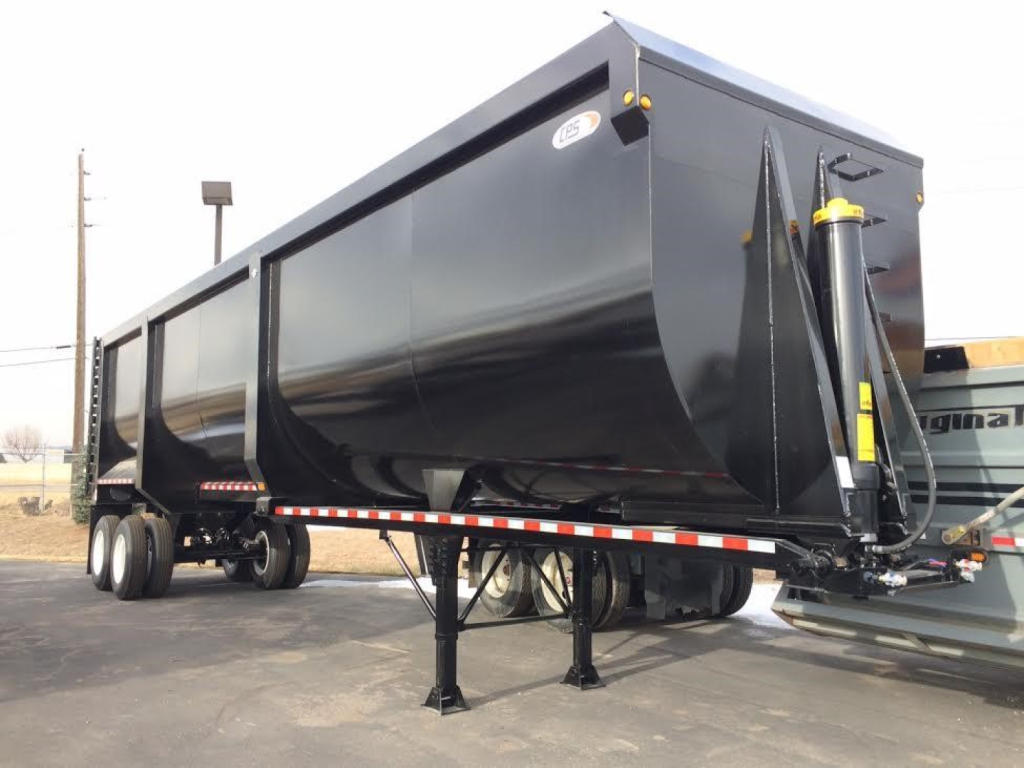
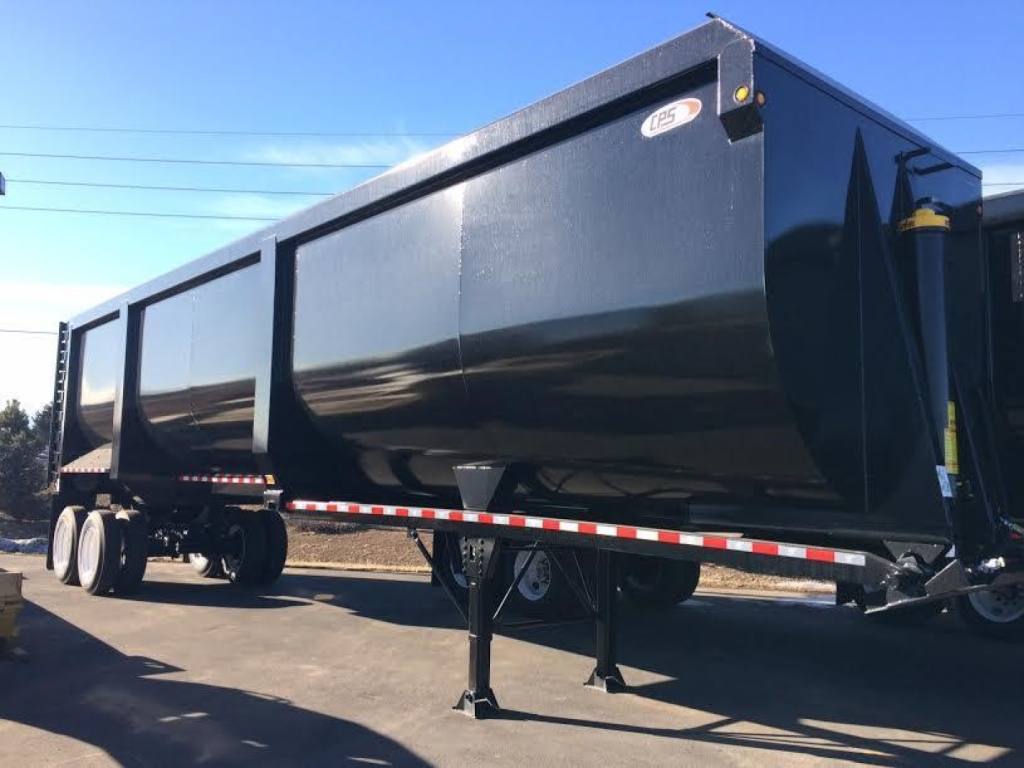
On CPS dump trailers, the details that matter most are body material, tub shape, axle setup, suspension, and gate hardware. High-cube end dumps in the 40 to 42 foot range are commonly spec'd with tall sides and large cubic-yard capacity for lighter bulk materials, while still using abrasion-resistant steel for tougher demolition or rock service. Bottom dumps are often seen in tandem or tri-axle layouts with single-hopper designs, pin-setting gate limiters, Versa Valve controls, windrow deflectors, and heavy-duty push blocks. Air ride suspension is a common spec because it improves ride quality, helps protect the trailer on rough haul roads, and can be a better match for fleets that balance payload with component life.
A buyer comparing new CPS trailers should look closely at how the trailer will load, unload, and live day to day. AR450 tubs hold up well in abrasive applications, but capacity, side height, and gate style need to match the material stream. Barn door swing gates are common on scrap and demolition end dumps, while bottom dumps depend more on hopper control, bang boards, and limiter settings to get a clean, consistent spread. Tire size, wheel material, fender design, rear lift axle configuration, tarp equipment, and single-point suspension controls all affect uptime and driver ease of use. If the trailer is headed into municipal work, paving support, or quarry service, GVWR and local bridge formula should be reviewed along with kingpin setting and axle spacing.
CPS trailers are generally aimed at operators who want straightforward vocational specs without giving up the core features that matter on tough jobsites. For end dump work, that means durable steel construction, stable frameless design, and practical access features like ladders and fenders. For bottom dump work, it means clean gate actuation, stable tracking, and suspension options that support both road speed and jobsite durability. The best spec comes down to material type, haul distance, legal payload targets, and how precise the discharge needs to be.
Frequently Asked Questions about New 2027 CPS Trailers
What is the difference between a CPS end dump trailer and a CPS bottom dump trailer?
A CPS end dump trailer raises the body to discharge material out the rear, making it a strong choice for scrap, demolition debris, riprap, and bulk material that does not need controlled placement. A CPS bottom dump trailer releases material through one or more gates in the floor, which makes it better suited for spreading aggregate, road base, and shoulder material in a controlled windrow. The decision usually comes down to load type, unload surface, and how precisely the material needs to be placed.
Why is AR450 steel important on a dump trailer?
AR450 is an abrasion-resistant steel commonly used in dump tubs that see rock, concrete, scrap, and other hard or sharp material. It helps reduce wear in the body compared with lighter-duty steel, especially in high-impact loading and frequent abrasive hauling. For buyers running demolition, quarry, or heavy aggregate applications, AR450 can extend body life and lower long-term repair frequency.
What should I look for when buying a new bottom dump trailer?
Focus on hopper configuration, gate controls, axle layout, suspension type, and legal payload strategy. Features such as pin-setting gate limiters, Versa Valve controls, bang boards, windrow deflectors, and lift axles directly affect how consistently the trailer spreads material and how easily it fits different job requirements. It is also important to confirm axle spacing, kingpin setting, GVWR, and tare weight so the trailer matches local bridge laws and the tractor that will pull it.
Are air ride suspensions a good choice for CPS dump trailers?
Air ride is a strong choice for many dump trailer applications because it improves ride quality, reduces shock transfer to the trailer, and can help protect the structure and running gear over time. It is especially useful for fleets that spend significant time on paved roads or want better stability with varying load conditions. The right suspension still depends on terrain, maintenance practices, and how aggressively the trailer will be used off-road.
How do I choose the right dump trailer capacity and body size?
Capacity should be matched to the material, not just the biggest cubic-yard number available. Light materials can justify a high-cube body with taller sides, while dense materials like sand, rock, or broken concrete will hit weight limits long before the trailer is full. Buyers should compare cubic-yard capacity, tub length, side height, tare weight, and legal payload in the states where the trailer will run to avoid buying a trailer that is oversized for the material or too heavy for the intended route.