
New 2026 CPS Trailers For Sale in Colorado
Shop new 2026 CPS trailers for sale, including bottom dump and end dump models built for aggregate, scrap, demolition, and paving work.
Selling a new 2026 cps trailer? List your new 2026 cps trailer for sale and reach thousands of commercial buyers.
New 2026 CPS Trailers in Colorado
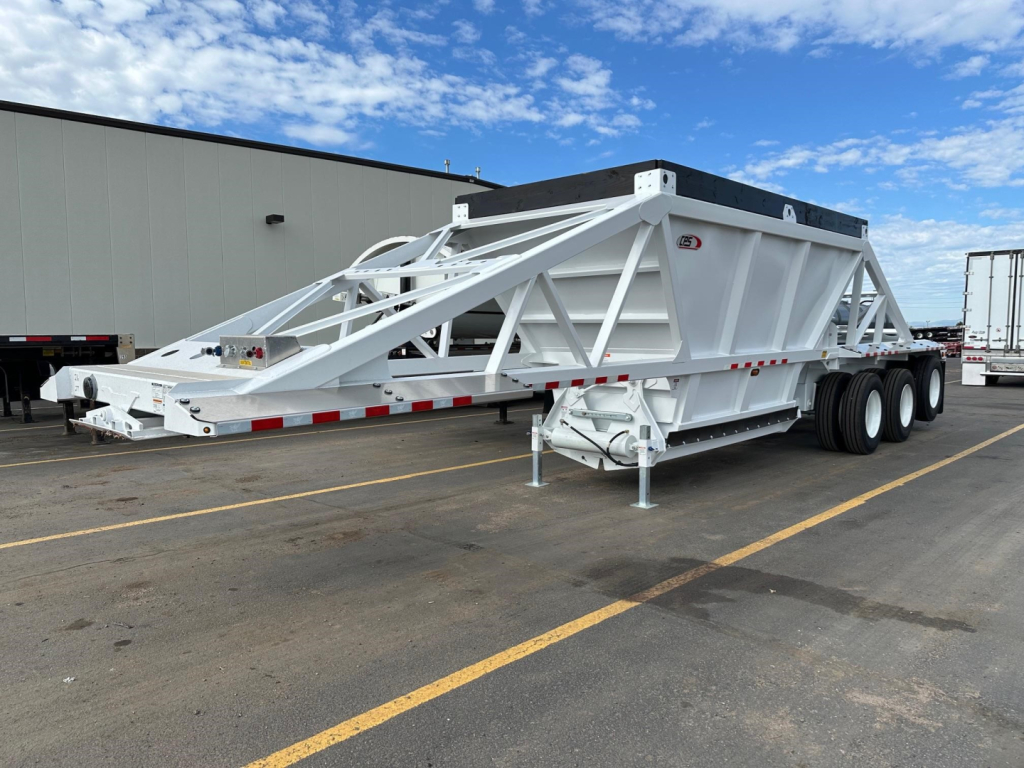
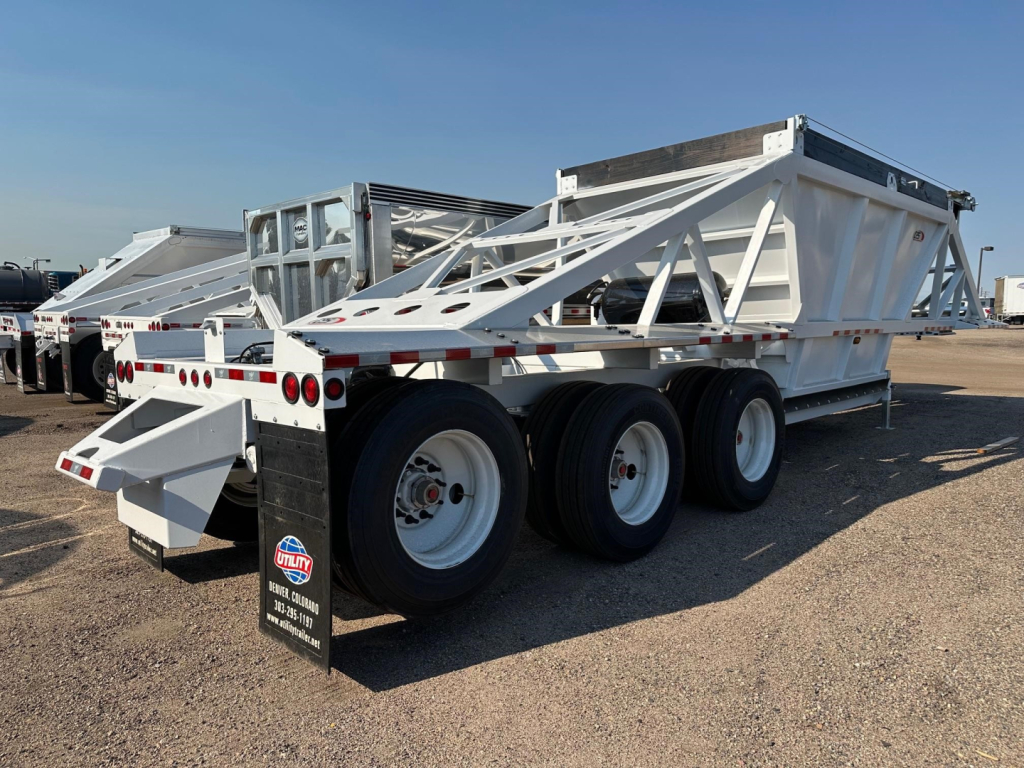
On bottom dump trailers, the main buying decisions are suspension, axle layout, gate control, and tarp system. Air ride tandems are common for road-friendly aggregate hauling, while tri-axle setups with a lift axle can help operators manage payload targets and axle laws. Features like pin-setting gate limiters, Versa Valve controls, windrow deflectors, bang boards, and electric flip or slide tarps matter because they directly affect material flow, paving accuracy, and cycle time. Buyers hauling sand, gravel, road base, or asphalt-related materials should pay close attention to hopper design, gate response, closed tandem spacing, tire size, and overall GVWR.
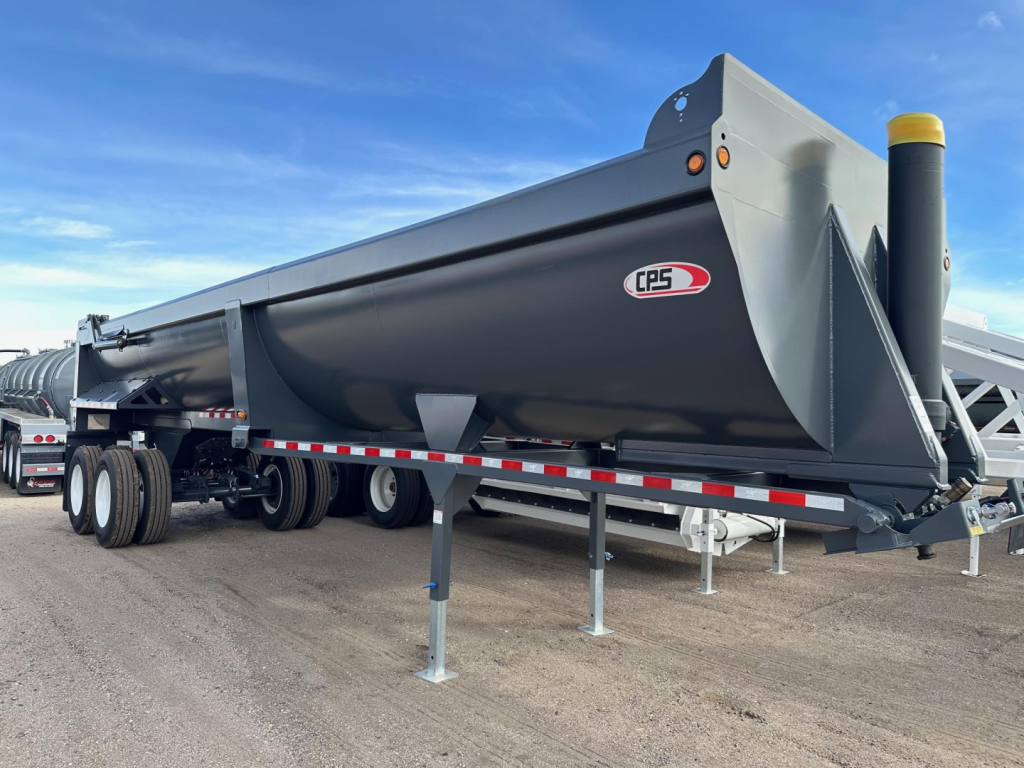
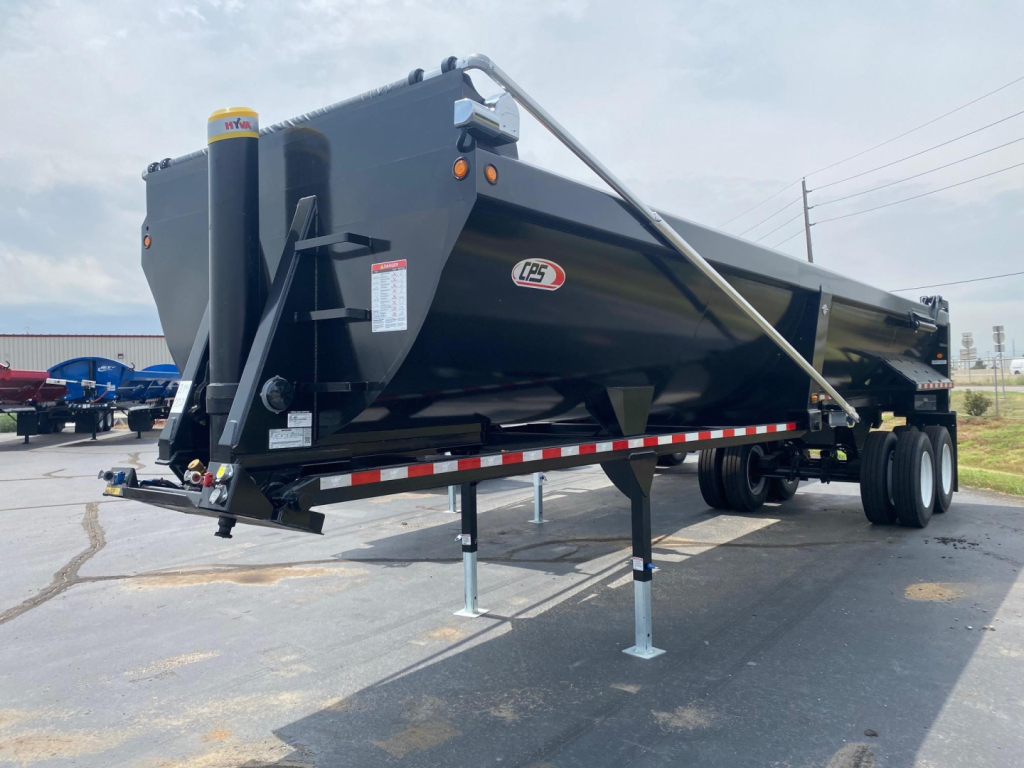
For end dump work, CPS trailers are often spec'd as frameless steel units with AR450 tubs, high sides, and high-lift or barn-door gate options. That combination is suited for abrasive rock, demolition debris, scrap, and other harsh material streams that can punish lighter bodies. A half-round tub generally sheds material better than a square body when hauling wet clay, shot rock, or mixed debris, and frameless construction can reduce empty weight while still delivering good cubic capacity. Suspension choice, liner or tub material, gate style, fender setup, and tarp arrangement all deserve close review because they influence stability, maintenance, and unloading performance.
A buyer comparing CPS trailers should focus less on brand-name add-ons and more on how the trailer is spec'd for the lane it will run every day. In Colorado, that often means balancing payload with durability, accounting for mountain grades, variable weather, and mixed highway-jobsite use. Check body material, cubic yard rating, axle configuration, brake and lighting package, wheel and tire spec, and push block design if the trailer will see paver or push-loading support. A properly spec'd CPS dump trailer can be a productive choice for fleets and owner-operators that need simple, serviceable equipment for aggregate, rock, scrap, and demolition hauling.
Frequently Asked Questions about New 2026 CPS Trailers in Colorado
What types of new 2026 CPS trailers are most common?
The most common 2026 CPS trailer types in this category are dump trailers, especially bottom dump and end dump models. Bottom dumps are typically used for aggregate, road base, and paving support because they meter material through gates under the hopper. End dumps are more common for rock, scrap, demolition debris, and other bulk materials that need to be discharged from the rear. CPS models are often spec'd with steel construction, practical jobsite options, and axle layouts suited to higher payload work.
What should I look for in a CPS bottom dump trailer?
Focus on hopper configuration, gate controls, suspension, and axle layout first. A single hopper bottom dump with features like pin-setting gate limiters, Versa Valve controls, and a windrow deflector is built for controlled material placement and repeatable flow. Air ride suspension can improve ride quality and reduce vibration on-road, while tandem or tri-axle setups affect payload, bridge compliance, and maneuverability. Tarp type, push block, tire size, and GVWR should also match the material and route requirements.
Are CPS end dump trailers a good choice for rock and demolition work?
They can be a strong fit when the trailer is spec'd with the right body and gate package. Frameless CPS end dumps with AR450 steel tubs are designed for abrasive and heavy materials, and a half-round tub helps material release more cleanly than many square-body designs. High-lift gates or barn-door gates change how the trailer unloads and what material it handles best. Buyers hauling shot rock, broken concrete, scrap, or demolition debris should pay close attention to tub thickness, side height, cubic yard capacity, and suspension design.
How does axle configuration affect a new dump trailer purchase?
Axle configuration affects legal payload, tire wear, maneuverability, and how the trailer fits your operating area. Closed tandem trailers are common for straightforward aggregate work, while tri-axle trailers with a rear lift axle can give more flexibility for heavier payloads and changing state weight rules. The right setup depends on the roads you run, how often you enter tight jobsites, and whether minimizing empty tire scrub matters to your operation. In states with strict bridge and axle requirements, axle layout can have just as much impact as body size.
Why do tarp and gate options matter so much on dump trailers?
Tarp and gate systems directly affect safety, compliance, and unloading efficiency. An electric flip tarp or electric slide tarp speeds up loading cycles and helps keep material contained during transport, which is especially important for aggregate and debris hauling. Gate options such as high-lift gates, barn doors, or metering gates determine how material exits the trailer and how well the trailer handles different commodities. Small spec differences in these systems can make a big difference in cycle time, cleanup, and material control.