
New 2026 Trailers For Sale in Illinois
Shop new 2026 trailers for sale in Illinois, including dry vans, flatbeds, and drop decks with current specs, materials, and axle options.
Selling a new 2026 trailer? List your new 2026 trailer for sale and reach thousands of commercial buyers.
New 2026 Trailers in Illinois
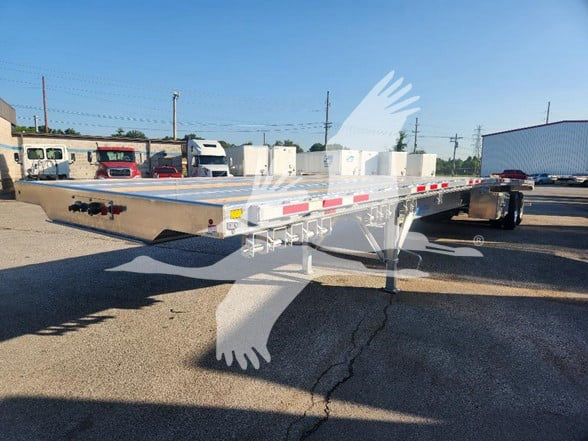
Flatbeds and drop decks are the go-to trailer classes for freight that cannot be loaded through the rear or needs overhead crane access. A standard flatbed is commonly used for steel, building materials, machinery, pipe, and packaged industrial freight. Key spec decisions include aluminum versus steel construction, axle spread, rear axle slide, winch track configuration, coil package, and deck rating. Drop deck trailers add height flexibility for taller cargo while helping stay legal on overall loaded height. Illinois buyers frequently compare deck height, loaded tare weight, ramp options, and tie-down layout because those details directly affect what freight a trailer can handle and how efficiently it can be loaded.
For buyers evaluating new 2026 trailers, construction details matter as much as category. Suspension type, kingpin setting, crossmember spacing, floor design, wheel-end package, and brake configuration all influence maintenance cost and resale value. Air ride is common on highway trailers where cargo protection and ride quality matter, while heavier vocational or equipment-hauling applications may call for different axle and brake setups. Features like PSI or similar automatic tire inflation systems, aluminum wheels, Jost landing gear, bolt-together rear underride assemblies, and sealed lighting can reduce downtime and simplify service over the life of the trailer.
Illinois operators also tend to buy with seasonality, legal compliance, and route flexibility in mind. Spread axles, tandem sliders, and California-legal axle configurations each serve different needs depending on freight network and bridge law requirements. If the trailer will run dense urban delivery, dock work, or mixed regional lanes, practical details such as dock bumpers, swing clearance, rear frame protection, and securement access can matter more than headline specs. A new 2026 trailer should be compared not just by price, but by tare weight, expected payload, corrosion resistance, securement versatility, and how well its build matches the freight you plan to haul every week.
Frequently Asked Questions about New 2026 Trailers in Illinois
What types of new 2026 trailers are most common in Illinois?
The most common new 2026 trailers in Illinois are dry vans, flatbeds, and drop deck trailers. Dry vans are used for enclosed general freight, flatbeds are used for freight that loads from the side or top, and drop decks are preferred for taller cargo that needs lower deck height to stay within legal height limits. The right category depends on cargo dimensions, loading method, and route requirements.
What should I look for when comparing a new dry van trailer?
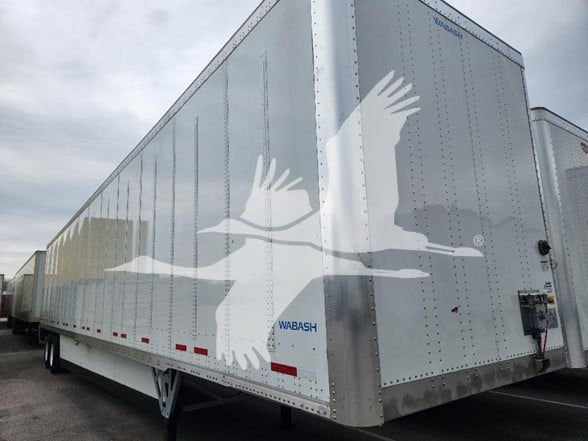
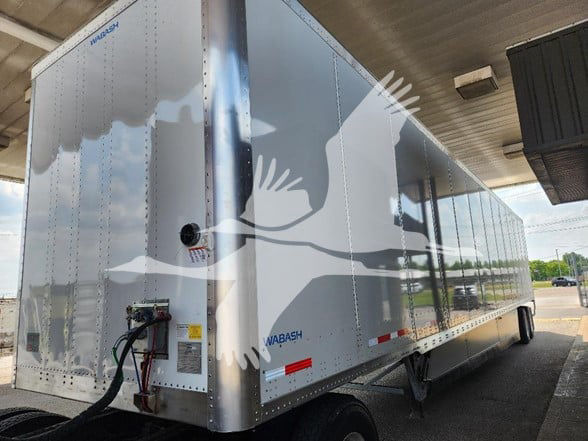
Focus on interior width, wall construction, floor system, suspension, and corrosion protection. Many buyers compare sheet-and-post versus composite-style designs, logistic post spacing, scuff liners, threshold reinforcement, rear frame galvanizing, and tire inflation systems. In Illinois, corrosion resistance is especially important because winter conditions and road salt can shorten trailer life if exposed steel is not well protected.
Is an aluminum flatbed better than a steel flatbed?
An aluminum flatbed usually offers lower tare weight, which can improve payload capacity and fuel efficiency. A steel flatbed can make sense in certain severe-duty applications where impact resistance and repair considerations are priorities. The decision often comes down to your freight mix, target payload, expected operating environment, and total lifecycle cost rather than purchase price alone.
Why would I choose a drop deck instead of a standard flatbed?
A drop deck is used when freight is too tall to ride legally on a standard flatbed. The lower main deck helps keep overall loaded height within legal limits while still allowing open-deck loading. Buyers should compare upper deck length, main deck length, loaded deck height, ramp availability, securement points, and axle configuration because those specs determine how well the trailer handles machinery, palletized cargo, or taller industrial loads.
Which trailer specs have the biggest impact on long-term operating cost?
The biggest long-term cost drivers are suspension and axle package, brake system, wheel-end design, flooring, corrosion protection, lighting, and tire management. Features such as air ride suspension, automatic tire inflation systems, galvanized components, sealed harnesses, and serviceable rear frame designs can reduce downtime and maintenance expense. Tare weight and securement layout also affect profitability because they influence payload capacity and loading efficiency on every trip.