
New 2026 Dorsey Trailers For Sale
Shop new 2026 Dorsey trailers including flatbeds and drop decks. Compare specs, weights, suspension types, decking, and axle setups.
Selling a new 2026 dorsey trailer? List your new 2026 dorsey trailer for sale and reach thousands of commercial buyers.
New 2026 Dorsey Trailers
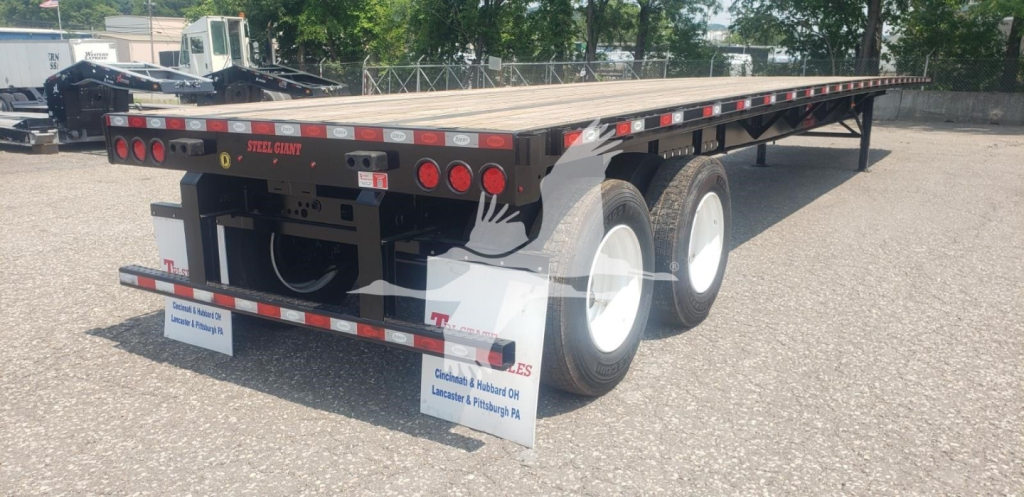
For flatbed work, Dorsey commonly appears in 48-foot and 53-foot configurations with 102-inch width, 1 1/8-inch Apitong flooring, steel front and rear members, and a roadside winch track with sliding winches. Structural side rails, pipe spools, and 12-inch crossmember spacing are common signs of a trailer built for concentrated loads and daily securement work. Buyers hauling steel, lumber, pipe, or palletized freight should look closely at side rail design, bulkhead choice, and axle arrangement. A 49-inch spread axle or sliding tandem setup changes bridge compliance, turning characteristics, and tire wear, so the right choice depends on lane mix and state routing. Air ride suspensions are often preferred for ride quality and cargo protection, while spring ride can still make sense for straightforward applications where simplicity and lower upfront cost are priorities.
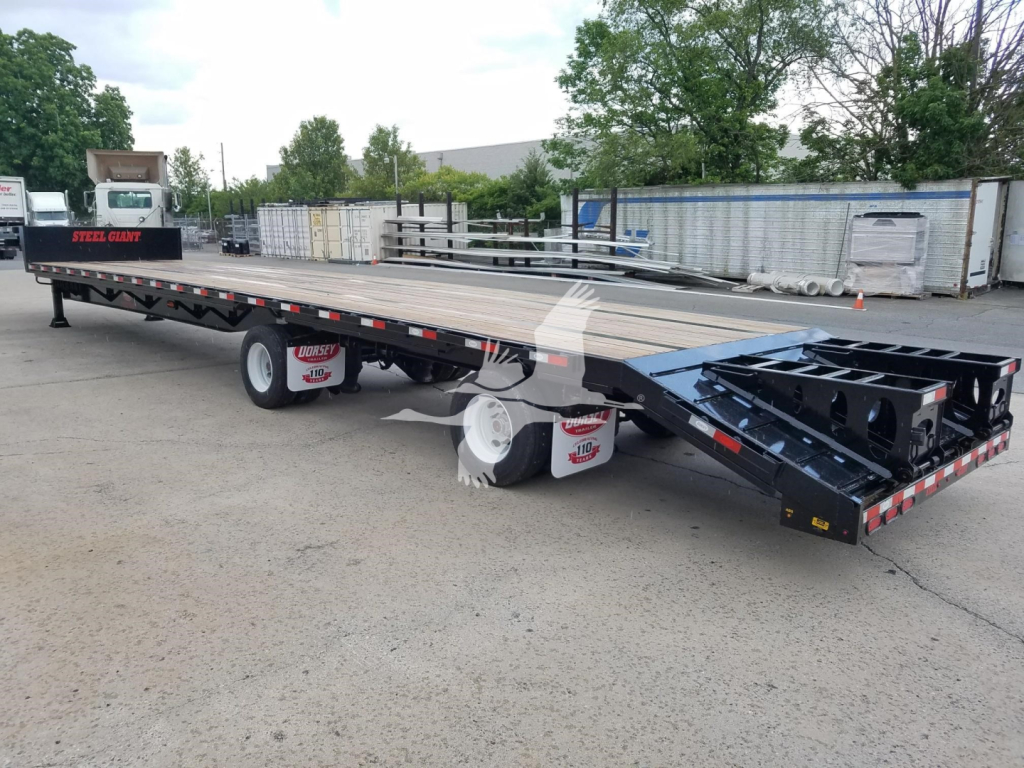
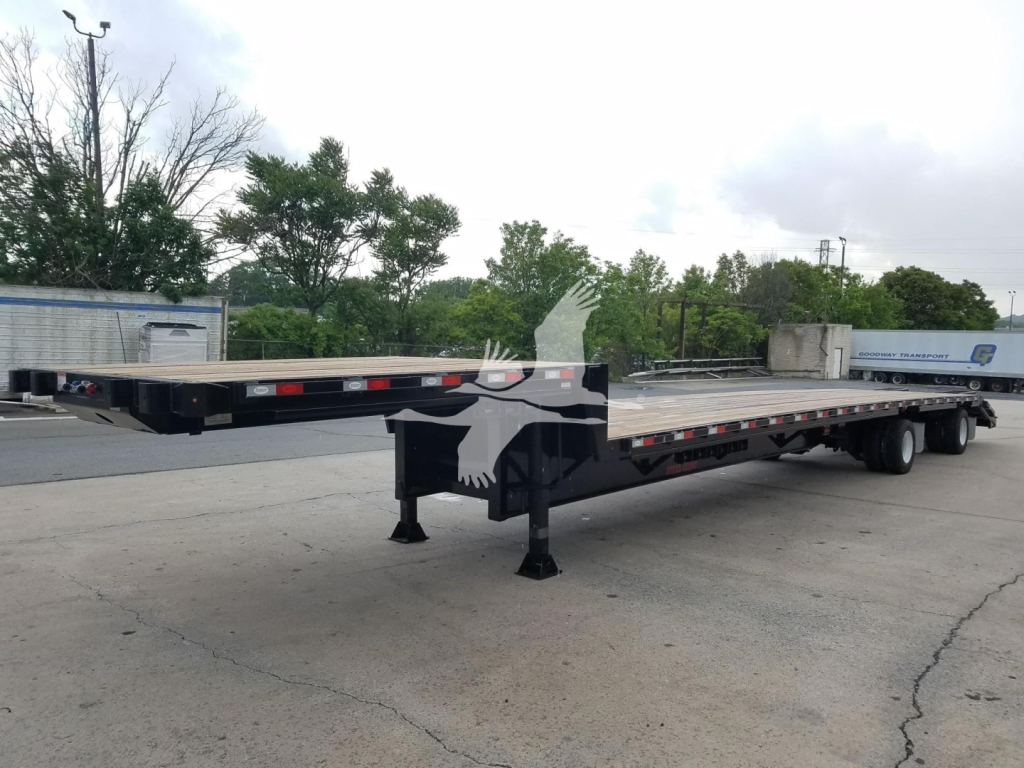
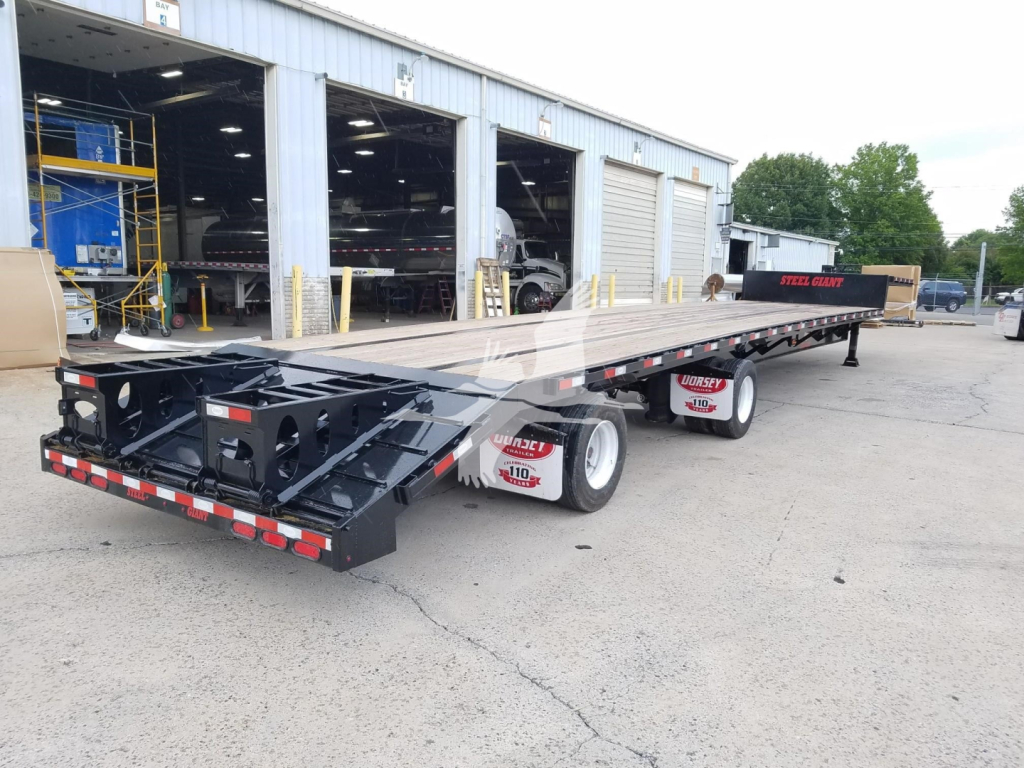
On the drop deck side, Dorsey beavertail trailers are a practical fit for equipment and mixed-height freight that will not load efficiently on a standard flatbed. Typical specs include a top deck around 10 feet, a main deck in the high-30-foot range, loaded deck height in the upper-30-inch range, spring-assisted ramps, and an 80,000-pound GVWR with strong concentrated load ratings. Features like a steel beavertail with traction bars, manual dump valve, and deep side rail for flat-hook strap securement add real day-to-day value for operators loading skid steers, compact equipment, or wheeled machinery. Tire size, suspension brand, and kingpin setting also deserve attention because they affect dock approach, turning clearance, and serviceability.
A buyer comparing new Dorsey trailers should focus less on model year alone and more on how the trailer is spec'd for the freight. Empty weight is critical if payload revenue drives the operation. Flooring, crossmember centers, and side rail strength matter more if the trailer will see forklifts, steel coils, or dense building materials. Suspension, wheel-end setup, and lighting package matter if uptime and easy parts replacement are the priority. Dorsey trailers are generally selected by fleets and owner-operators that want a straightforward open-deck spec with proven components such as Hendrickson suspensions, Jost landing gear, LED lighting, and standard tire sizes that are easy to support in the field.
Frequently Asked Questions about New 2026 Dorsey Trailers
What types of new 2026 Dorsey trailers are most common?
The most common new Dorsey trailers in this group are flatbed trailers and drop deck trailers, including beavertail designs. Flatbeds are used for general open-deck freight such as lumber, steel, pipe, and building materials. Drop decks are chosen when lower deck height is needed for taller freight or easier equipment loading. The right type depends on freight profile, loading method, and route restrictions.
Is a steel or aluminum Dorsey trailer better for my operation?
A steel Dorsey trailer usually offers a lower purchase price and a robust structure for hard daily use, especially in applications with concentrated loads or repeated forklift traffic. An aluminum trailer reduces tare weight and can improve payload, which matters in freight where every pound counts. The tradeoff is application-specific. Buyers should compare empty weight, repair environment, expected corrosion exposure, and the type of freight being hauled before deciding.
What should I look for in a Dorsey flatbed spec?
The most important flatbed spec points are trailer length, axle configuration, suspension type, flooring, crossmember spacing, and securement hardware. Apitong flooring, 12-inch crossmember centers, double pipe spools, a winch track, and enough sliding winches are all useful indicators of a work-ready trailer. Kingpin setting and tandem or spread-axle layout also matter because they affect weight distribution, bridge law compliance, and maneuverability.
Why would I choose a Dorsey beavertail drop deck over a standard flatbed?
A beavertail drop deck makes sense when freight includes compact equipment, wheeled machines, or taller cargo that benefits from a lower deck height. The beavertail and ramp package simplify loading without requiring a separate dock or loading machine. This design is especially useful for contractors, rental fleets, and haulers moving mixed freight where a standard flat deck would create loading or height limitations.
Are air ride suspensions worth it on a new Dorsey trailer?
Air ride is often worth the added cost if the trailer carries equipment, finished materials, or freight sensitive to vibration and shock. It can also improve ride quality and reduce some cargo-related damage claims. For more basic freight lanes, a spring ride trailer may still be a sound option because it is simpler and often less expensive to buy. The best choice depends on cargo sensitivity, maintenance preference, and total cost over the trailer's service life.