
New 2026 Dorsey Trailers For Sale in Pennsylvania
Shop new 2026 Dorsey trailers for sale in Pennsylvania, including flatbed and drop deck specs, common applications, and key buying points.
Have new 2026 dorsey trailer to sell? List it here to reach thousands of buyers.
New 2026 Dorsey Trailers in Pennsylvania
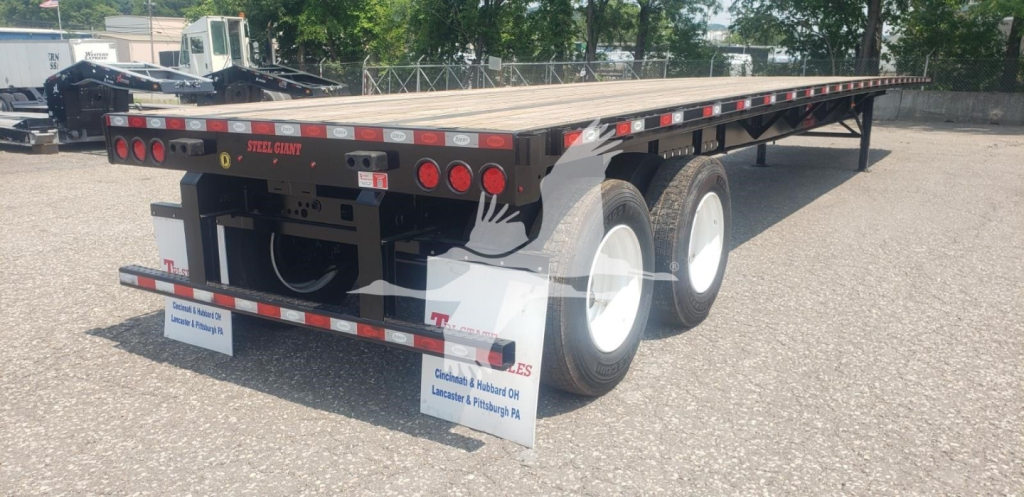
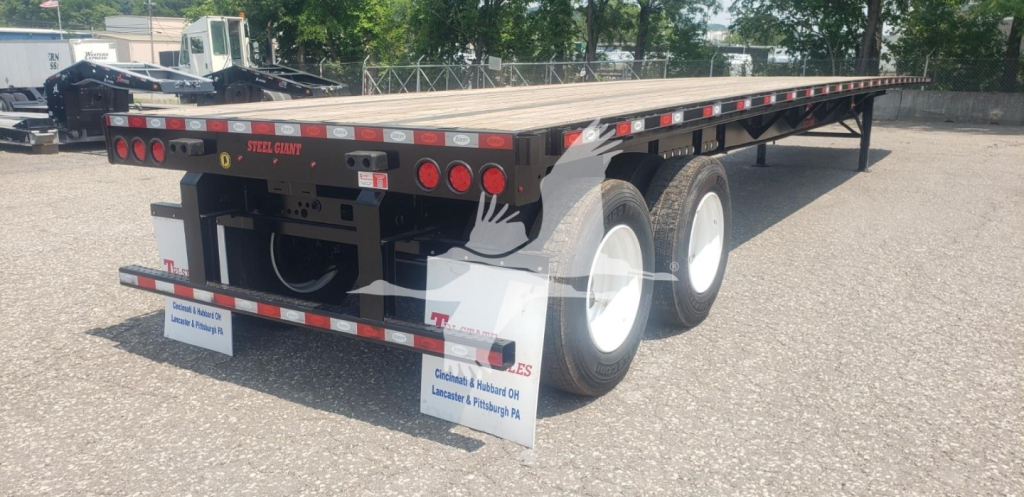
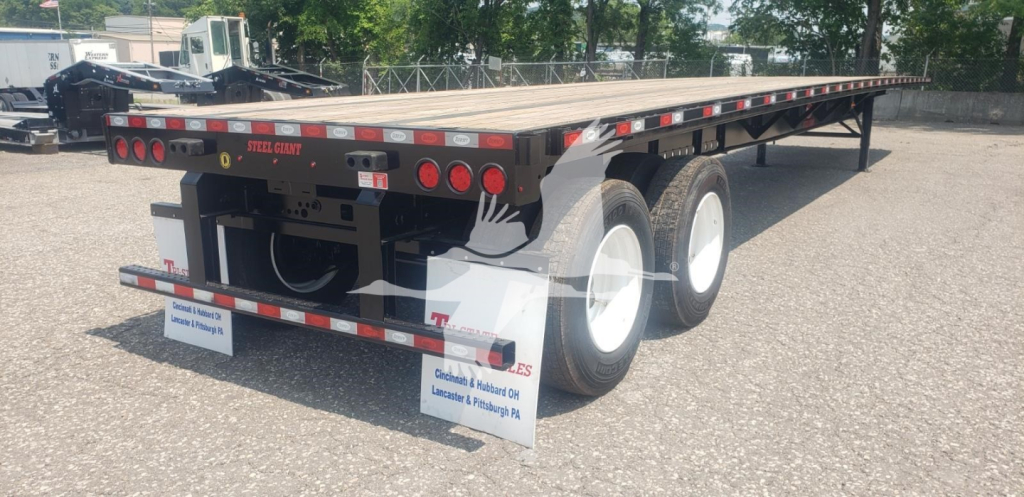
For flatbeds, the main decisions usually come down to steel versus combo construction, sliding tandem setup, floor type, and how the trailer is outfitted for securement. A steel air ride sliding tandem flatbed tends to appeal to buyers who want durability and a familiar repair profile, especially in regional steel and construction freight. Common specs include 1 1/8-inch Apitong flooring, structural channel side rails, roadside winch tracks, sliding winches, double pipe spools, and 49-inch spread slider suspension settings. Kingpin setting, crossmember spacing, and side rail design matter because they affect bridge law flexibility, load placement, and how easily the trailer handles chains, straps, and flat hooks.
On the drop deck side, Dorsey units often show up in 53-foot overall length with a short top deck, longer main deck, and loaded deck heights around 41 inches. That layout is popular for taller freight that still needs legal height without stepping into specialized heavy haul equipment. Buyers looking at beavertail or ramp-equipped models should pay close attention to ramp style, beavertail length, main deck length, and suspension setting. Spring-assisted ramps, full aluminum ramp kits, chain tie-down packages, coil package options, and dump valves all change how well the trailer fits equipment hauling versus general open-deck freight. A combo drop deck can save weight and increase payload, while an all-steel configuration may be preferred for harder service and repeated loading of dense freight.
Pennsylvania buyers often look closely at corrosion resistance, serviceability, and axle spread because these trailers may see a mix of interstate work, rough jobsite access, and four-season weather. Air ride suspensions from Hendrickson are common in this category, along with Jost two-speed landing gear, LED lighting, steel or aluminum wheels, and tire sizes such as 255/70R22.5 or 295/75R22.5. If the trailer will haul coils, equipment, or concentrated steel loads, check crossmember spacing, coil package details, and the 60,000-in-10-foot rating. If the work is more general freight, focus on tare weight, securement layout, and deck usability. The right new Dorsey trailer is usually the one that matches freight profile first, then balances empty weight, durability, and loading convenience for the lanes it will actually run.
Frequently Asked Questions about New 2026 Dorsey Trailers in Pennsylvania
What types of new Dorsey trailers are most common in this category?
The most common new Dorsey trailers in this category are flatbed trailers and drop deck trailers, including beavertail and ramp-equipped models. Flatbeds are used for standard open-deck freight such as steel, lumber, pipe, and building materials. Drop decks are chosen when freight needs lower deck height for legal overall height or easier loading of machinery and equipment. Many buyers narrow the choice by freight type first, then compare deck length, construction material, and securement package.
What should I look for when comparing a Dorsey flatbed to a Dorsey drop deck?
The key difference is deck height and freight profile. A flatbed is usually simpler, lighter in some specs, and ideal for standard legal-height loads loaded by crane or forklift from the side. A drop deck gives you a lower main deck, which helps with taller freight and some equipment loads. Buyers should compare top deck length, main deck length, loaded deck height, ramp or beavertail configuration, and the trailer's tare weight because those factors directly affect what freight the trailer can legally and efficiently haul.
Are steel or combo Dorsey trailers better for Pennsylvania hauling?
That depends on freight density and operating conditions. Steel trailers are often favored for rugged service, repeated loading of dense freight, and simpler repair work after hard use. Combo or aluminum-heavy designs reduce trailer weight and can improve payload, which matters for operations trying to maximize revenue on every load. In Pennsylvania, where trailers may see winter road treatment, mixed highway and jobsite use, and a wide range of freight, many buyers choose based on the tradeoff between durability, corrosion resistance, and empty weight.
Why do kingpin setting and tandem spread matter on a new Dorsey trailer?
Kingpin setting and tandem configuration affect bridge law compliance, axle loading, turning behavior, and how the trailer matches different tractors and freight patterns. A sliding tandem gives more flexibility to move weight where it needs to be for legal loading. Spread axle and slider dimensions can also influence maneuverability and regional legality. These are not minor details, because the wrong setup can limit usable payload or create problems with common load lengths and customer docks.
What securement features are important on a new Dorsey open-deck trailer?
The most important securement features are winch track style, number of sliding winches, chain tie-down locations, pipe spools, side rail design, and floor construction. Buyers hauling steel or machinery should also pay attention to crossmember spacing, coil package options, and whether the side rail will accept flat hooks easily. A good securement package reduces setup time, improves load versatility, and can save money by making the trailer usable across more freight types instead of forcing it into a narrow application.