
New 2026 Dorsey Flatbed Trailers For Sale in Pennsylvania
Shop new 2026 Dorsey flatbed trailers with 48' x 102" specs, Apitong floors, sliding tandems, and heavy-duty hauling capability.
Have new 2026 dorsey flatbed trailer to sell? List it here to reach thousands of buyers.
New 2026 Dorsey Flatbed Trailers in Pennsylvania
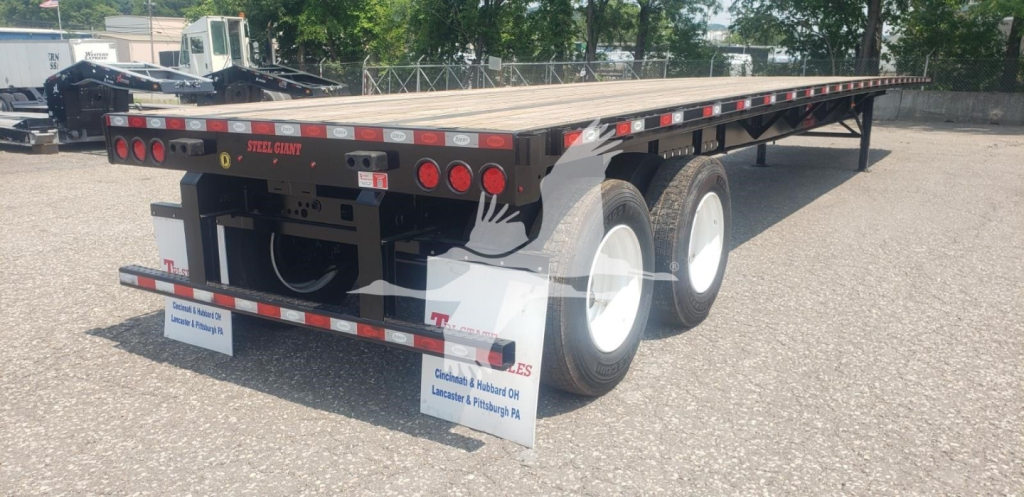
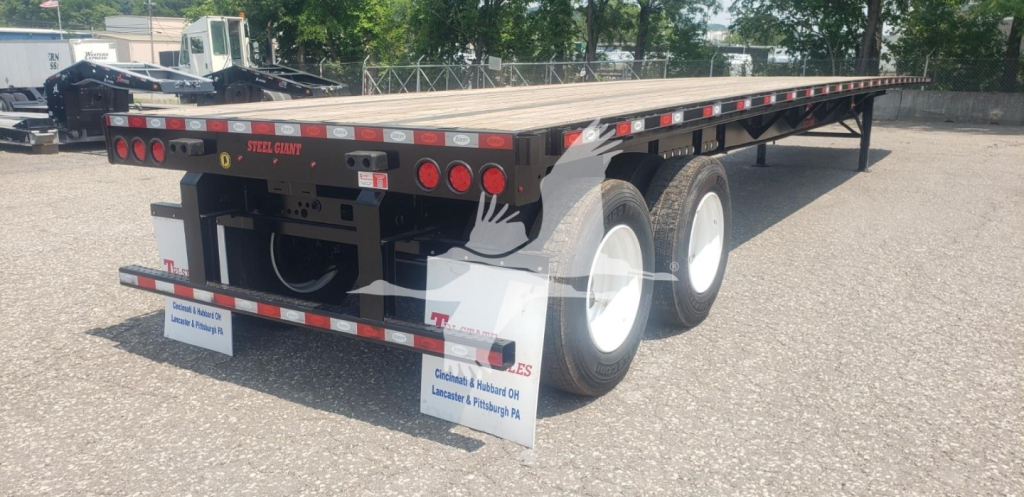
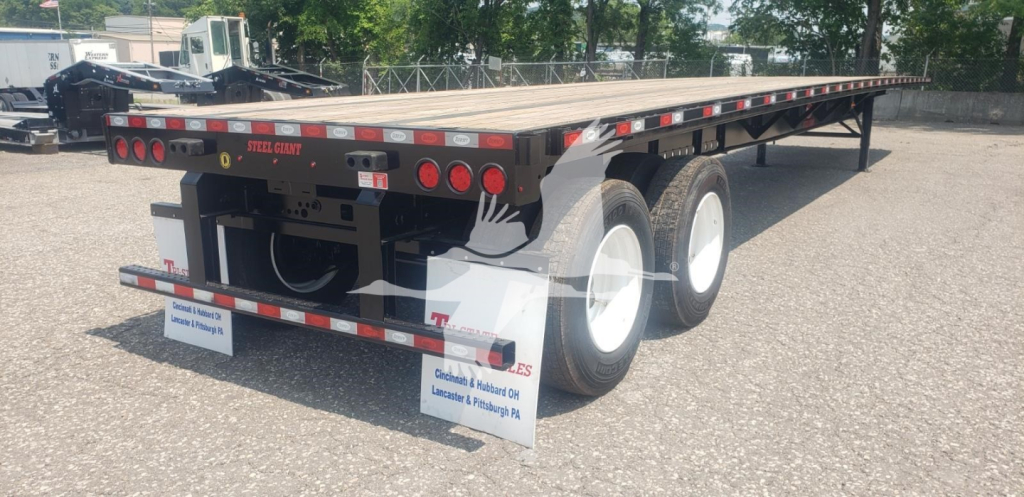
For buyers comparing trailers, deck construction and suspension setup usually matter first. Many Dorsey flatbeds in this class use Apitong flooring, typically around 1-1/8-inch to 1-5/16-inch thick, paired with 12-inch crossmember spacing for added deck support. Steel and galvanized configurations are both common. A galvanized trailer can be attractive in Pennsylvania and other road-salt regions because corrosion resistance helps preserve the frame, crossmembers, and side rails over time. Steel models remain a strong value choice and are common in fleets that prioritize lower upfront cost and familiar repairability. Roadside winch tracks, sliding winches, double pipe spools, and open deck access are standard features that directly affect how efficiently the trailer can be loaded and secured.
Suspension choice changes ride quality, maintenance profile, and weight distribution flexibility. Spring ride flatbeds are simple, proven, and often favored in tougher vocational use. Air ride setups, including spread slider configurations, are better suited for freight that benefits from a smoother ride and easier dock-height control. A 49-inch sliding tandem or spread slider is a common configuration on Dorsey trailers and gives operators room to manage axle weights across different states and load patterns. Typical specs in this category also include a 30-inch kingpin setting, 80,000-pound GVWR, 60,000 pounds in 10 feet, Jost two-speed landing gear, 295/75R22.5 tires, and steel wheels. Those details matter because they affect bridge compliance, tractor compatibility, serviceability, and total payload strategy.
A buyer should also pay attention to side rail design, front and rear members, lighting harness quality, and axle placement. Structural channel side rails and fully sealed harness systems are practical durability features on a working flatbed. If the trailer will spend its life hauling dense freight like steel, coil-related products on dunnage, or machinery with concentrated point loads, crossmember layout and deck condition are worth close scrutiny even on a new unit. If the work is more regional building products or palletized freight under tarps, securement layout and ease of access may matter more than small differences in tare weight. Dorsey flatbed trailers fit fleets that want a conventional open-deck platform with familiar parts, standard dimensions, and specifications that align with everyday freight lanes.
Frequently Asked Questions about New 2026 Dorsey Flatbed Trailers in Pennsylvania
What are the most common specs on a new 2026 Dorsey flatbed trailer?
A common specification in this category is a 48-foot by 102-inch tandem axle flatbed with an Apitong wood floor, 12-inch crossmember spacing, a 30-inch kingpin setting, and an 80,000-pound GVWR. Many units also include roadside winch tracks, sliding winches, double pipe spools, Jost two-speed landing gear, and 295/75R22.5 tires. Suspension can vary between spring ride sliding tandems and air ride spread sliders, depending on the intended freight and operating preferences.
Is a galvanized Dorsey flatbed better than a painted steel flatbed?
A galvanized Dorsey flatbed can offer a real advantage in corrosive environments because the coating helps protect the trailer structure from rust, especially in northern states where winter road treatment is common. A painted steel flatbed is still a durable and widely used choice, and it often appeals to buyers focused on lower purchase cost and straightforward repair practices. The better option depends on lifecycle expectations, operating region, and how long the trailer is expected to stay in the fleet.
Should I choose air ride or spring ride on a Dorsey flatbed?
Air ride is generally preferred for freight that benefits from a smoother ride, such as palletized products, machinery, and loads that can shift or suffer damage from vibration. Spring ride remains popular because it is simple, durable, and proven in harder-use applications. If the trailer will run mixed freight and longer highway miles, air ride often improves load protection and driver satisfaction. If the priority is rugged simplicity and predictable maintenance, spring ride is still a solid fit.
Why do sliding tandems and spread sliders matter on a flatbed trailer?
A sliding tandem or spread slider gives the operator flexibility to adjust axle position for legal weight distribution and state bridge compliance. That matters when hauling different commodity types, varying load lengths, or dense freight that needs precise axle loading. It also helps the trailer adapt to different tractors, customer loading practices, and regional regulations. For many fleets, slider flexibility is one of the most important everyday usability features on a flatbed.
What freight is a Dorsey flatbed trailer commonly used for?
Dorsey flatbed trailers are commonly used for steel, lumber, machinery, construction materials, crated equipment, palletized products, and other freight that can be loaded from above or from the side. They are a practical choice for freight that does not require enclosure and can be secured with chains, straps, edge protection, and tarps when needed. The standard 48-foot open deck makes this category especially versatile for general freight operations and building product lanes.