
Dorsey Flatbed Trailers For Sale
Shop Dorsey flatbed trailers with steel or aluminum builds, 48-53 ft lengths, air ride or spring suspension, and common freight-ready specs.
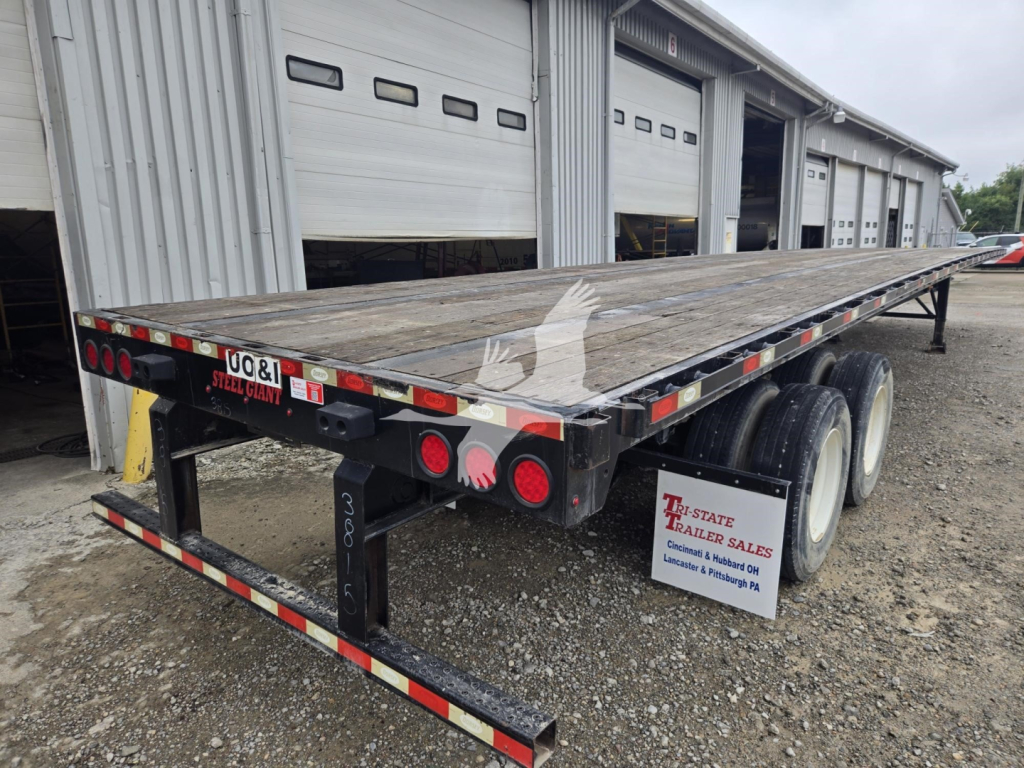
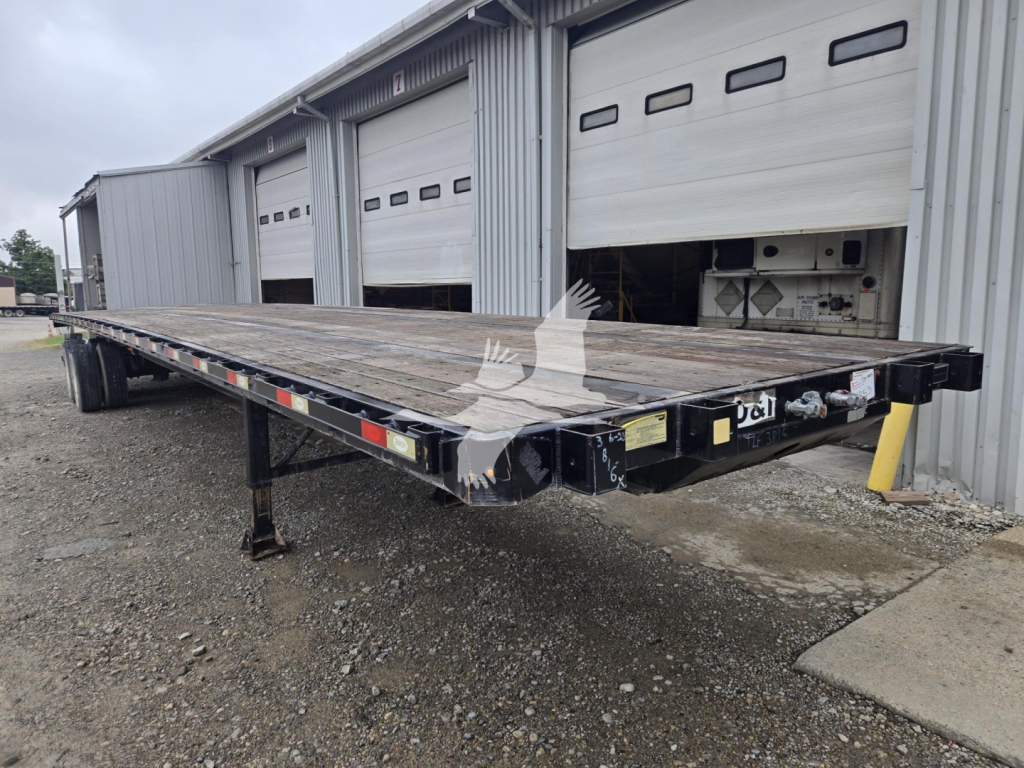
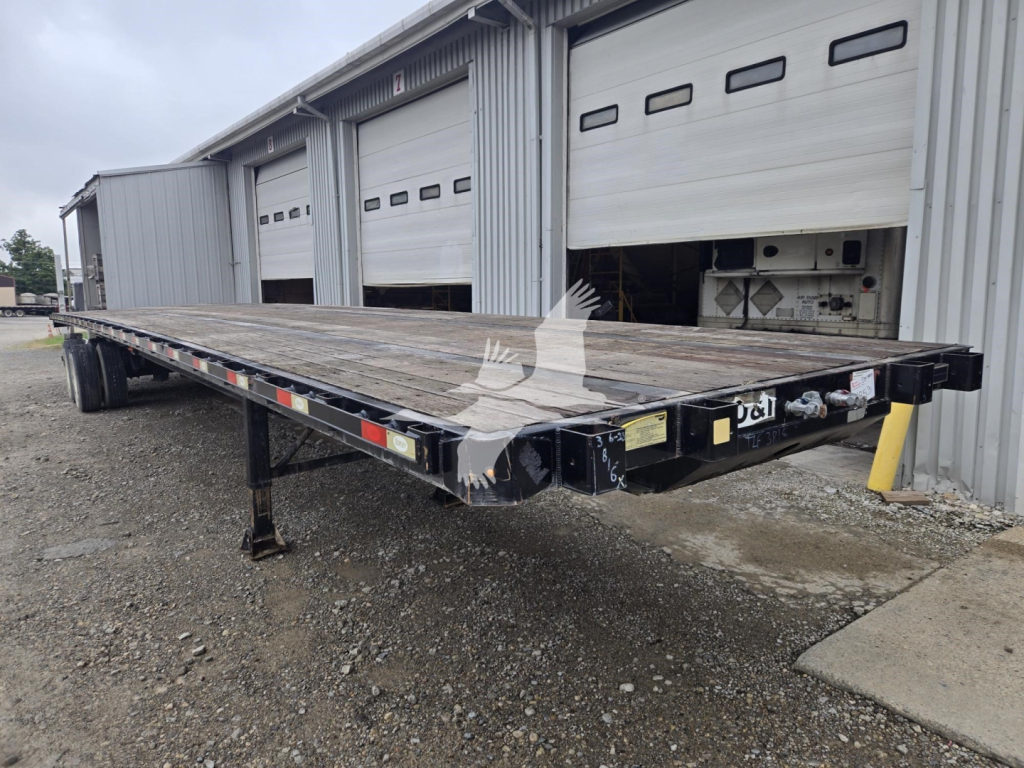
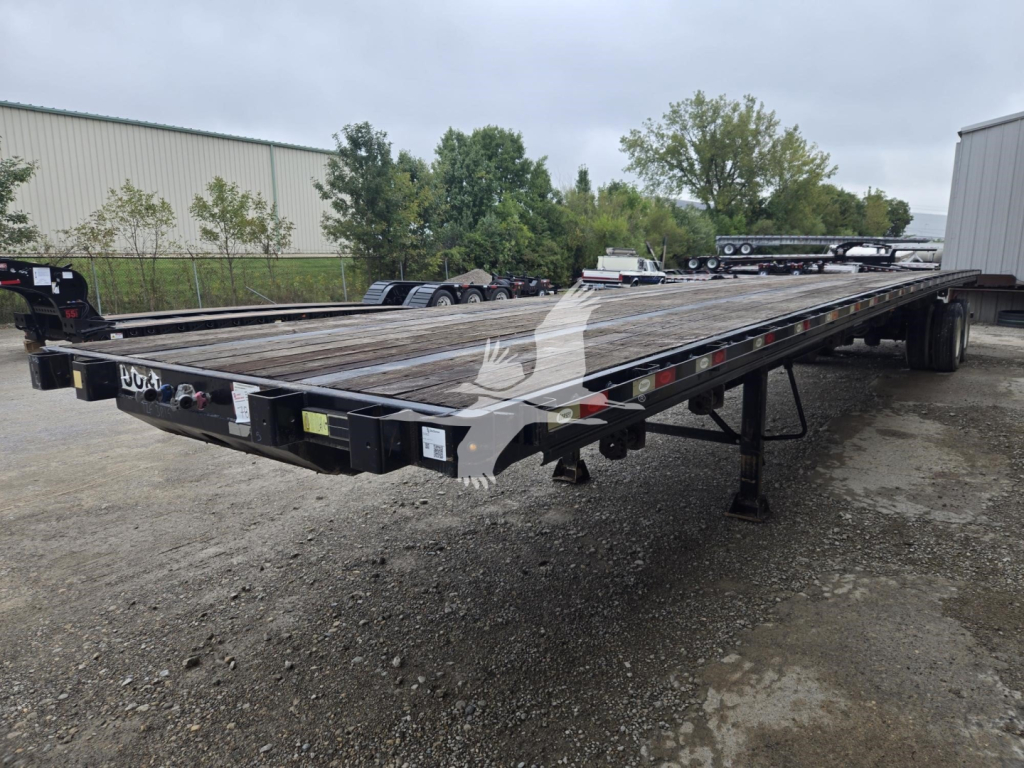
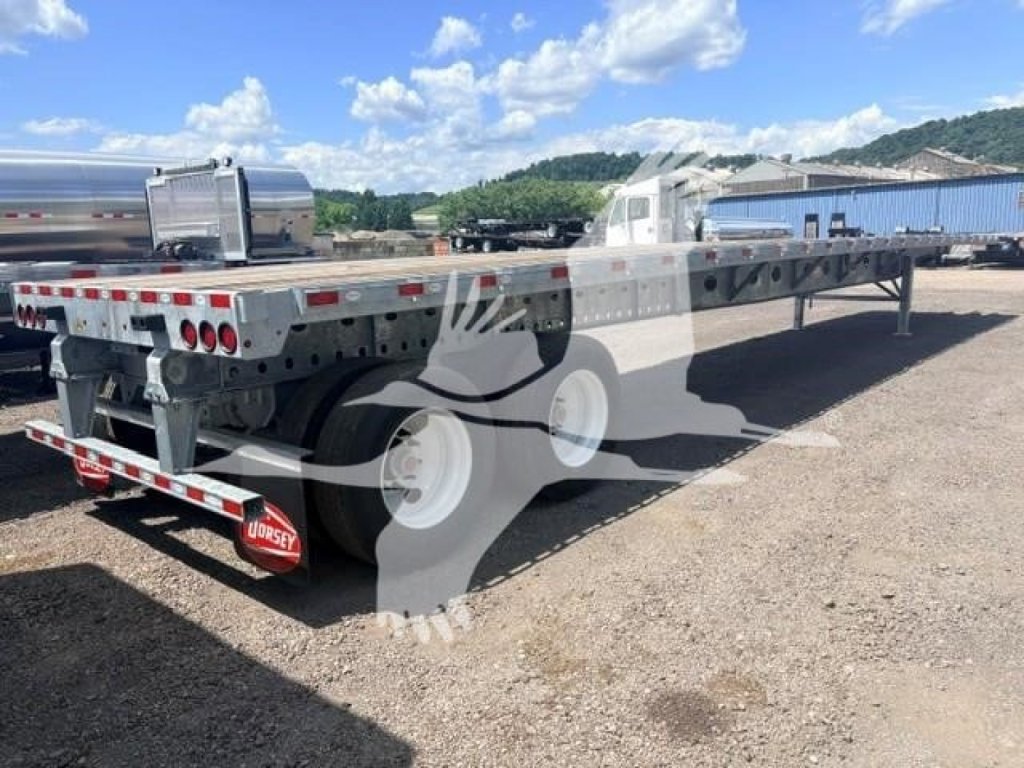
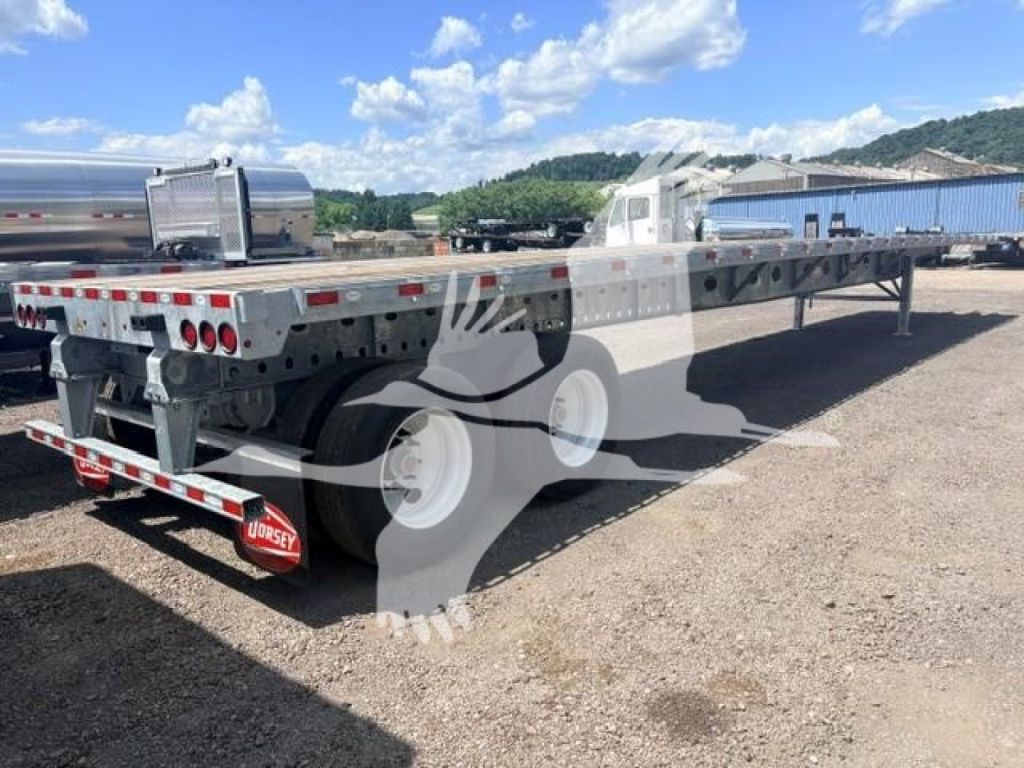
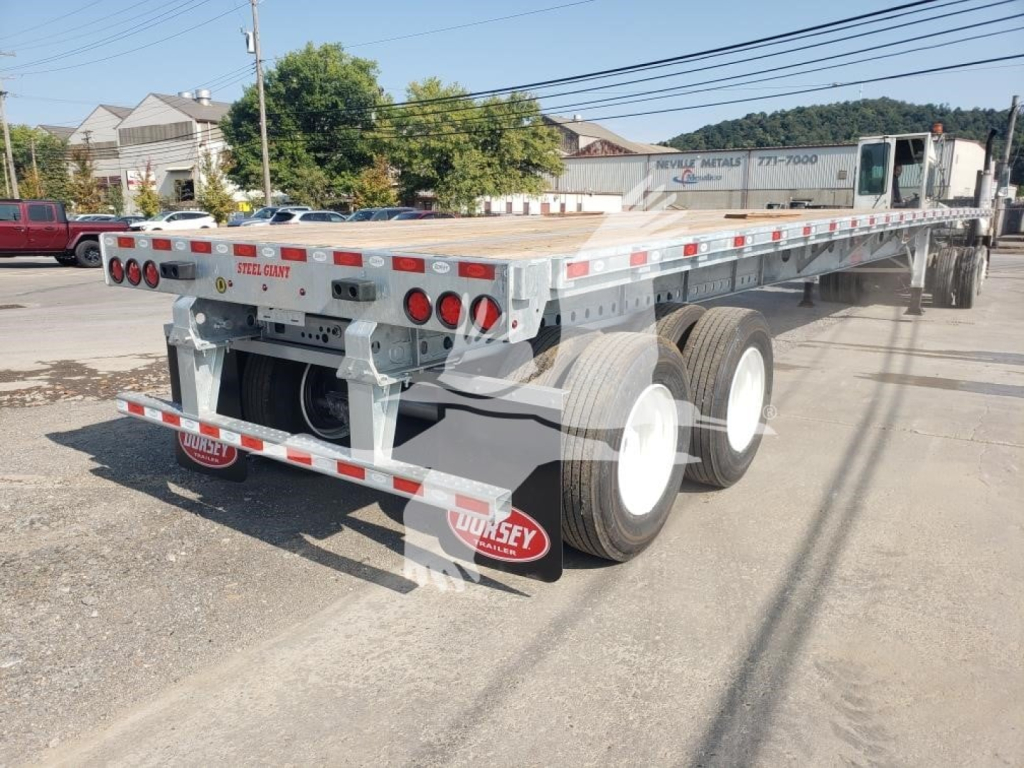
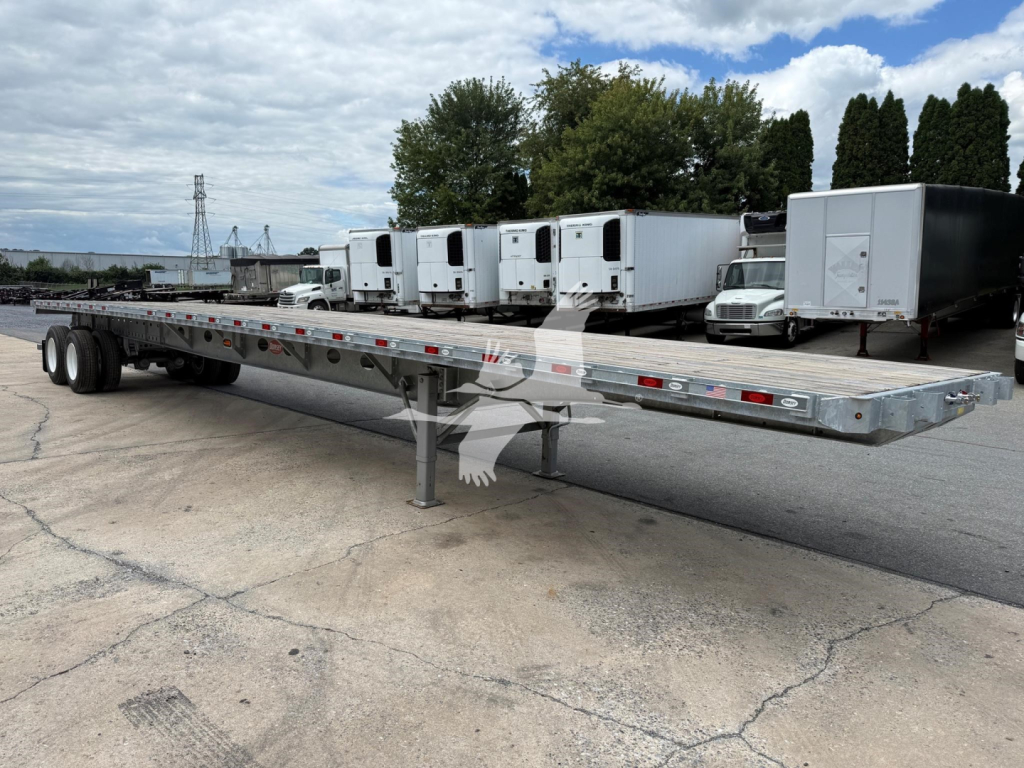
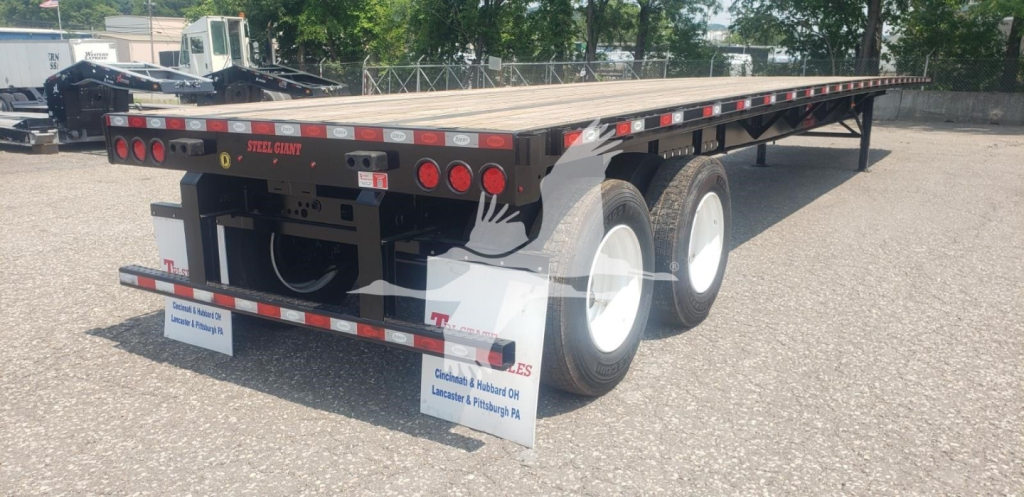
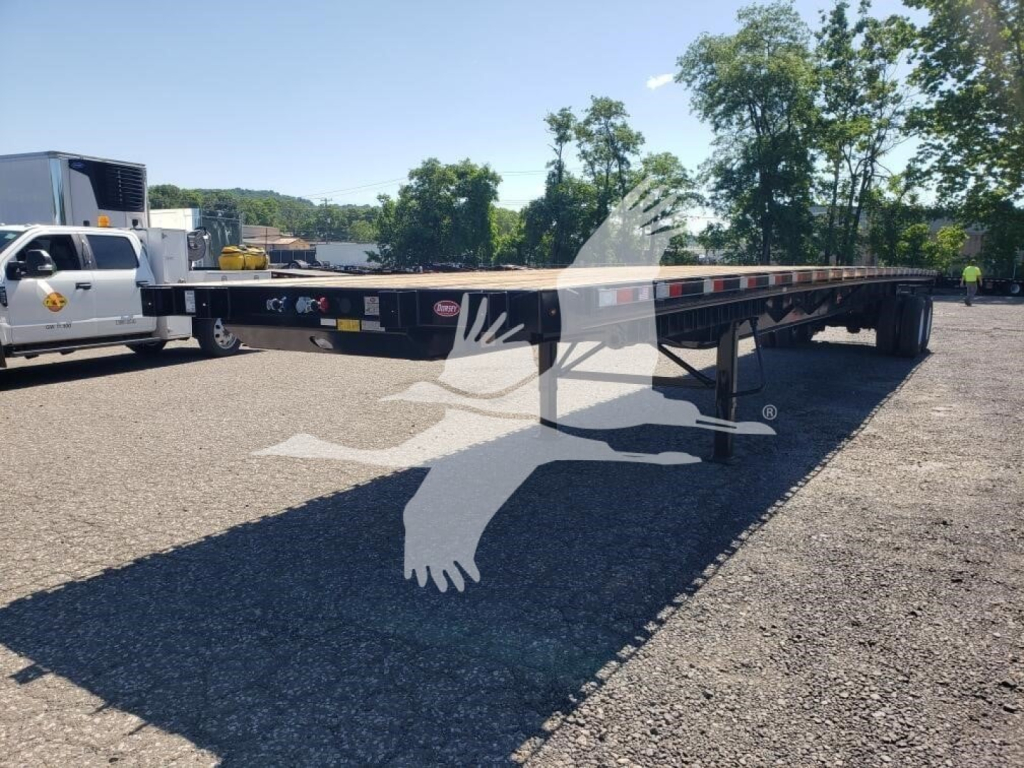
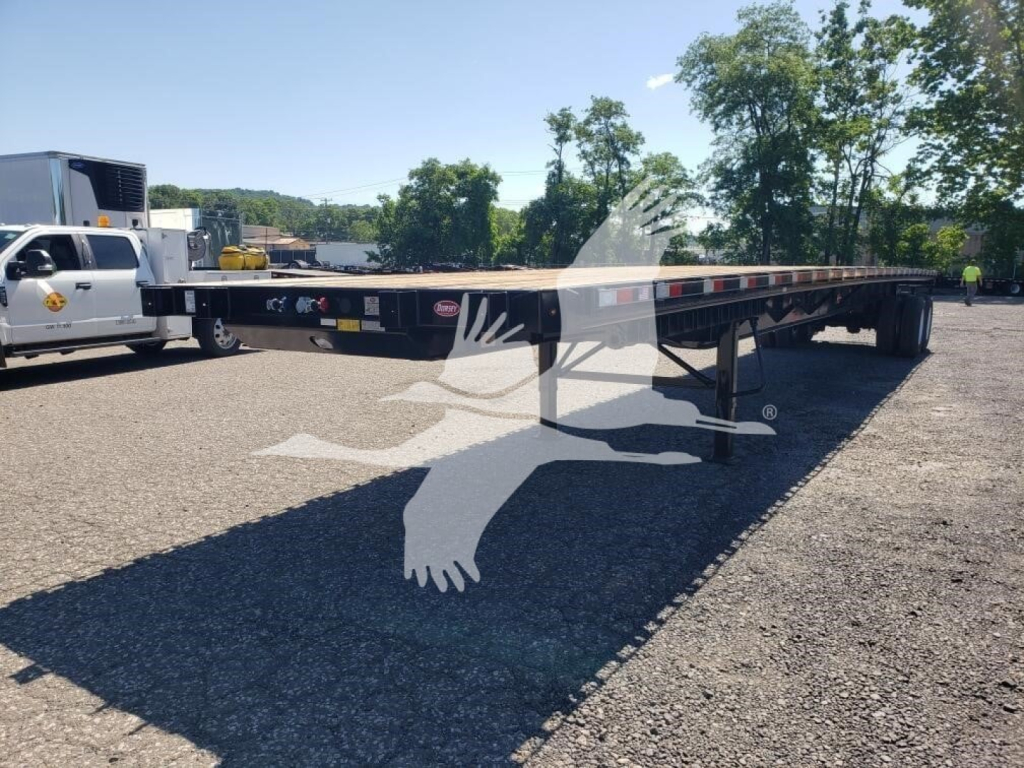
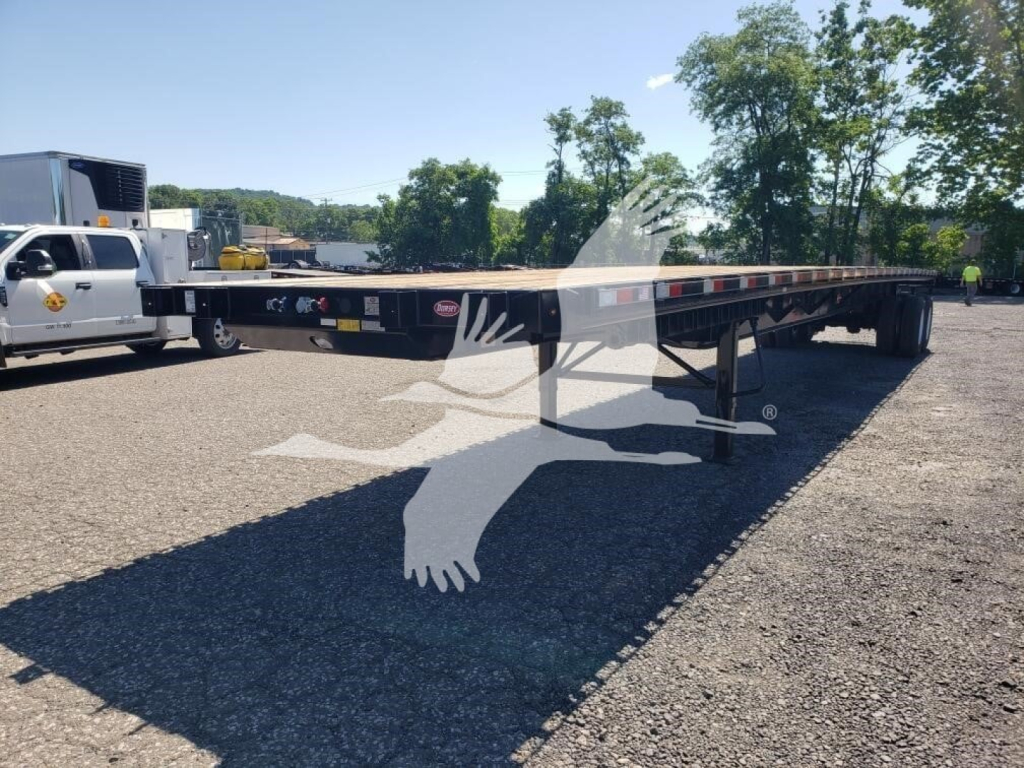
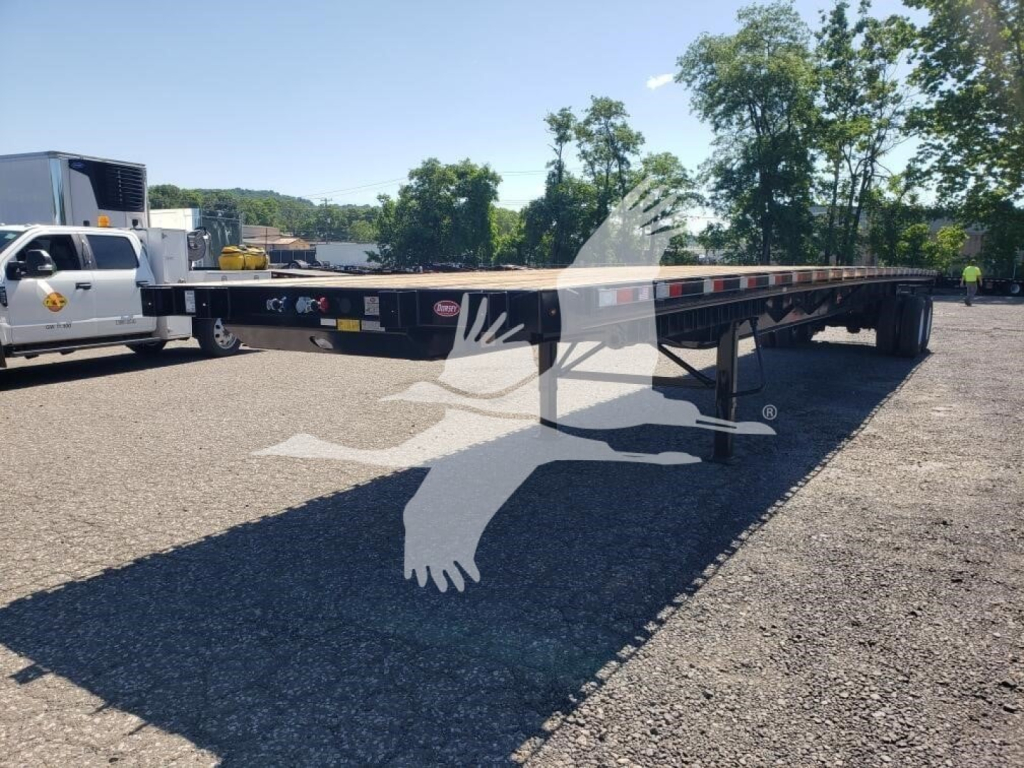
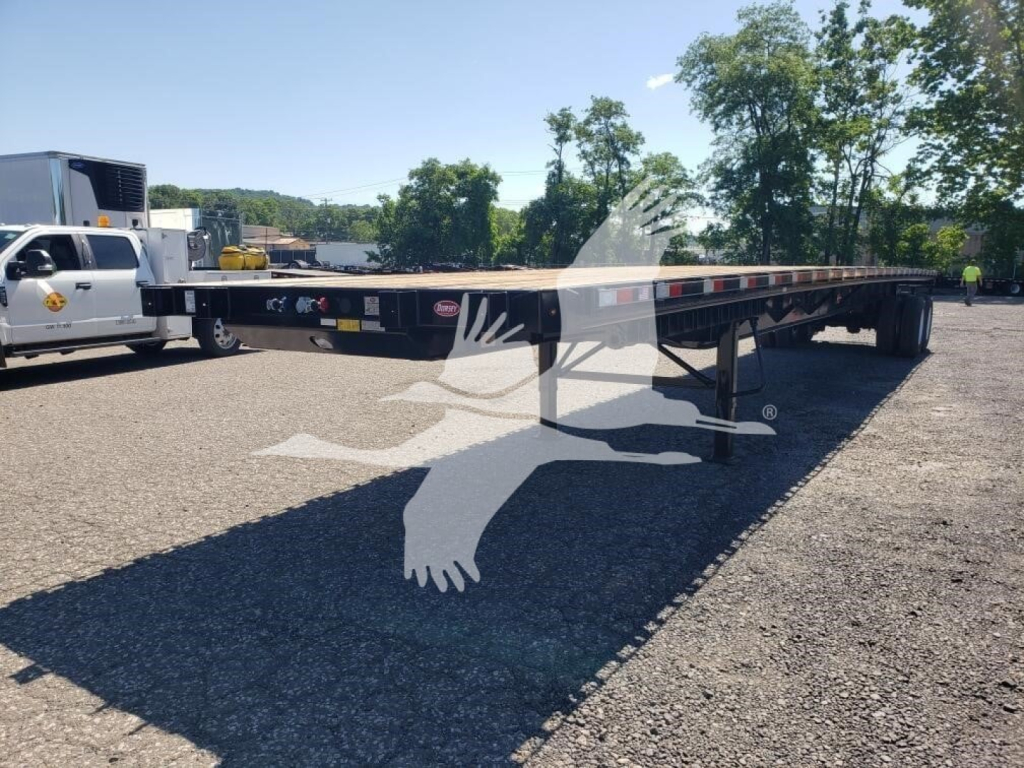
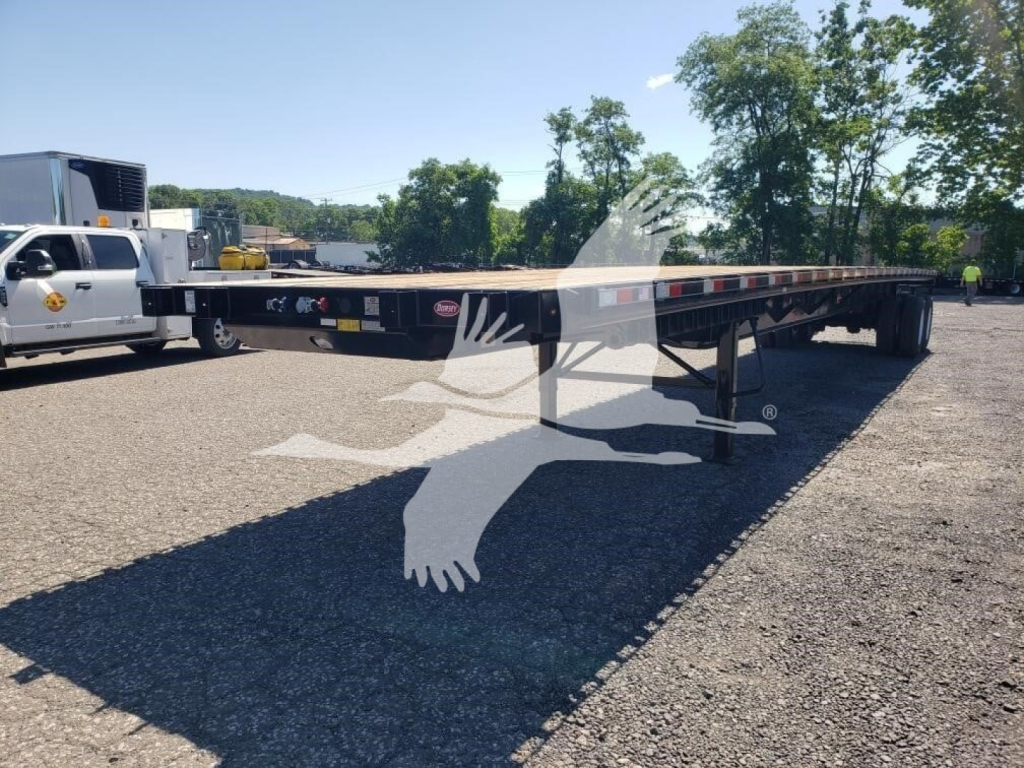
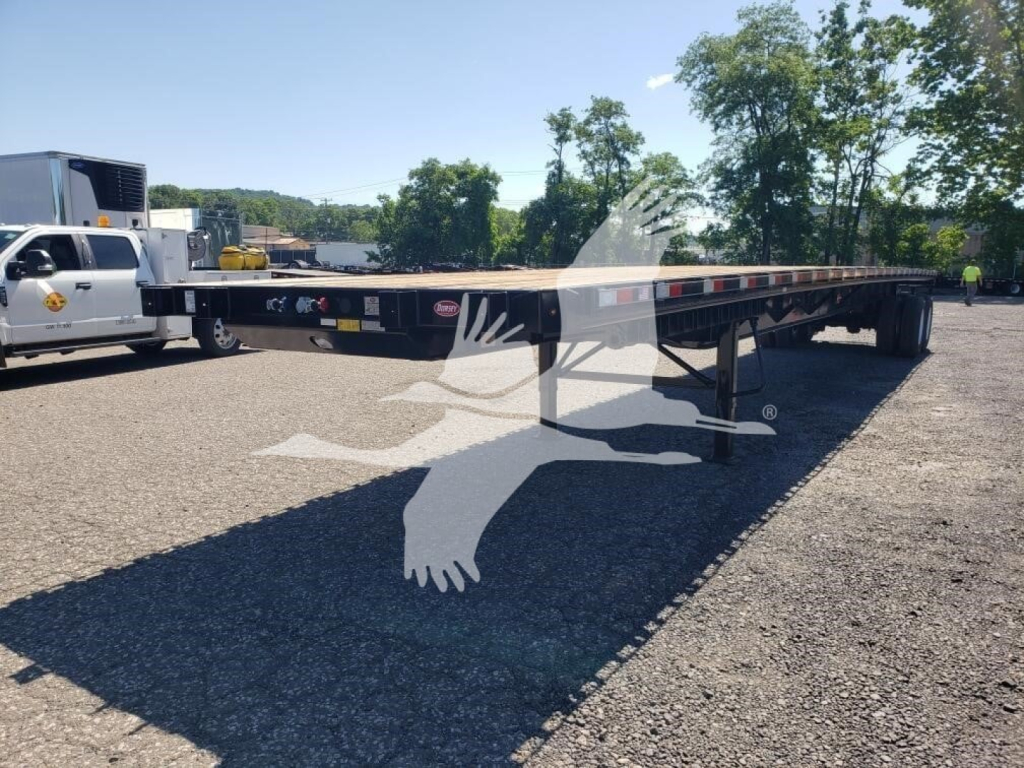
Showing 1 to 28 of 37 results
Selling a dorsey flatbed trailer? List your dorsey flatbed trailer for sale and reach thousands of commercial buyers.
Dorsey Flatbed Trailers
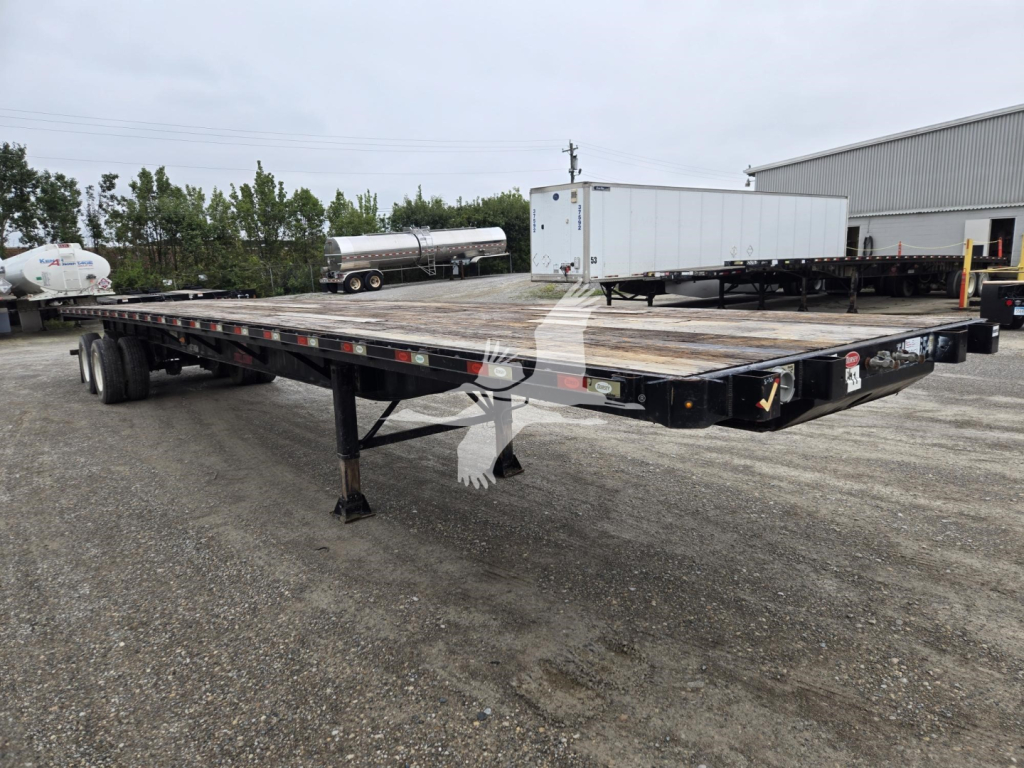
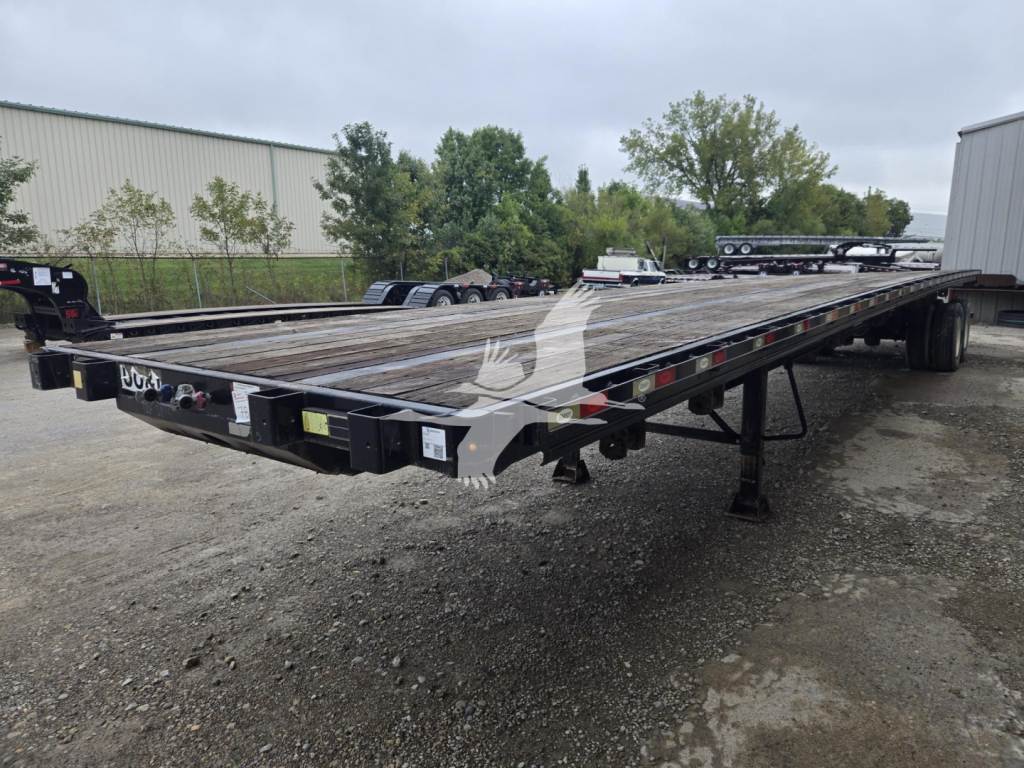
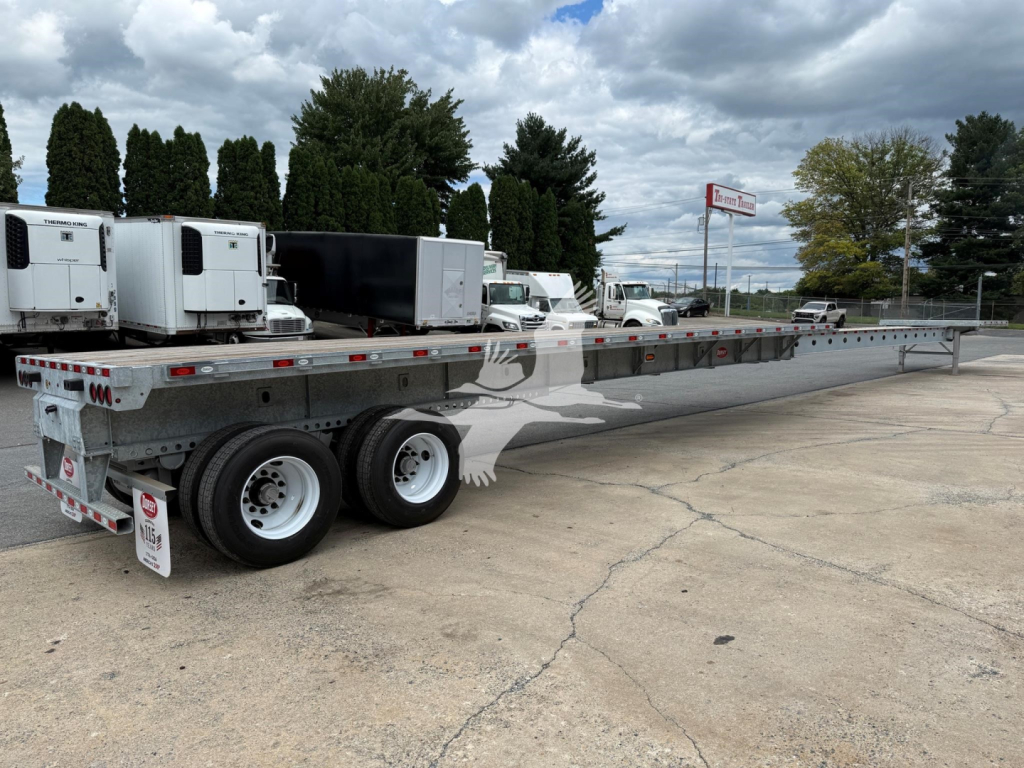
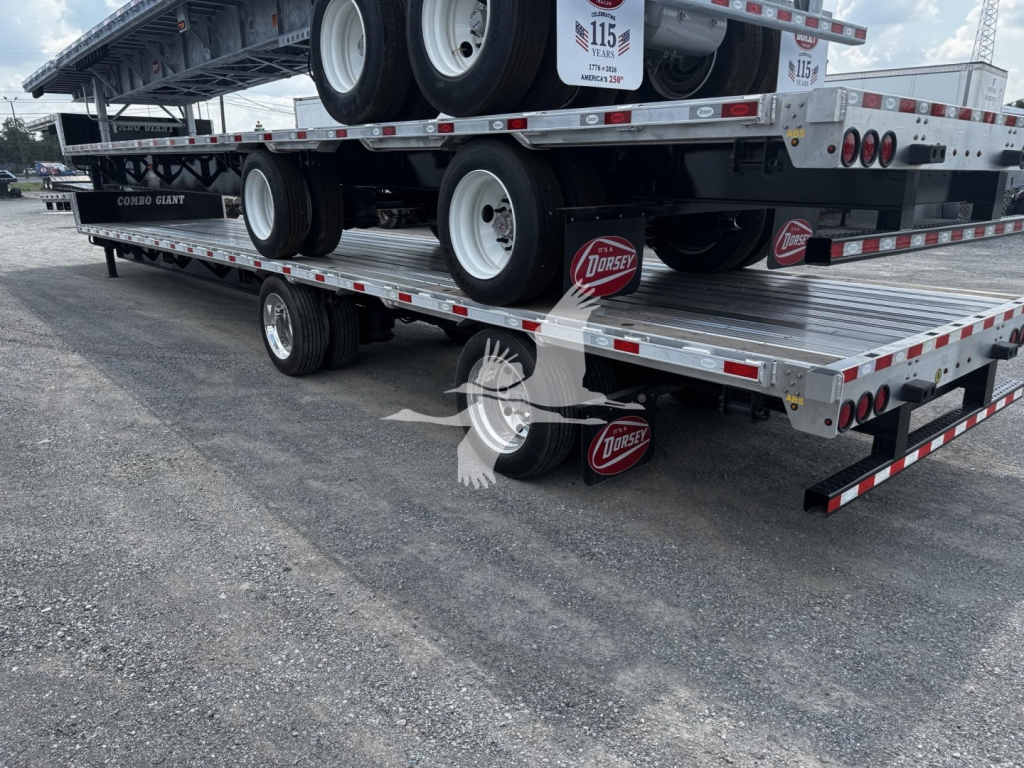
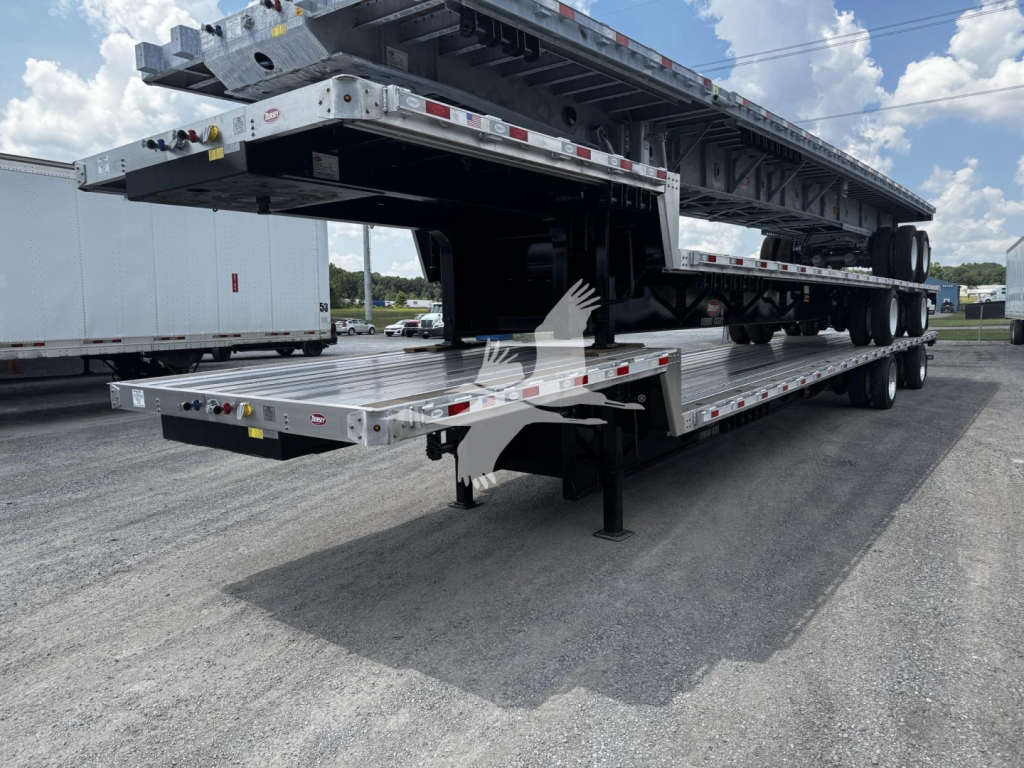
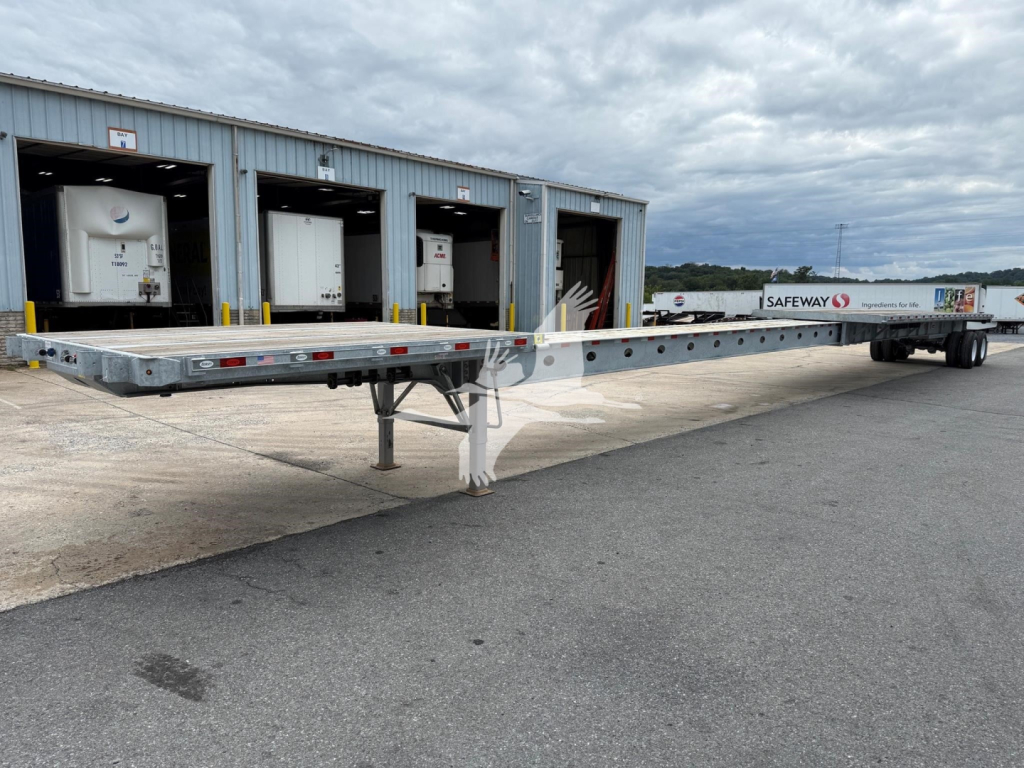
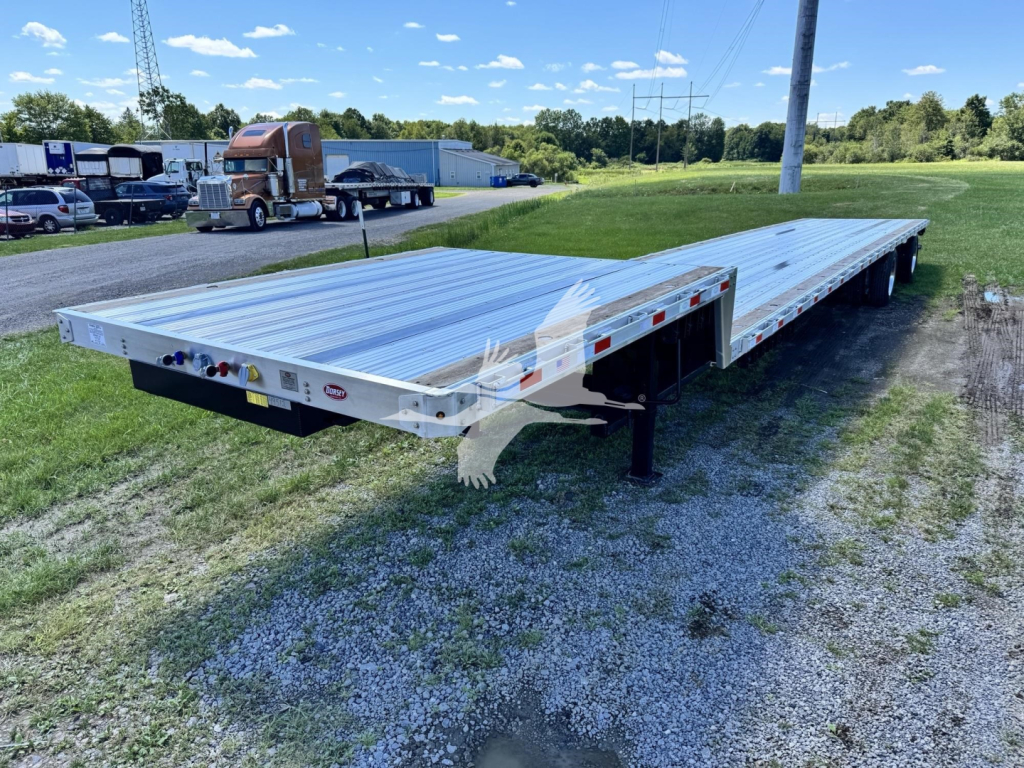
The biggest buying decision is usually trailer construction and axle setup. A steel Dorsey flatbed with an Apitong wood floor is a common specification for fleets hauling mixed freight, coils, pipe, or palletized material because it offers a durable deck and familiar repairability. Aluminum flatbeds can cut thousands of pounds from empty weight, which helps maximize legal payload on high-volume lanes. Buyers should also compare sliding tandems versus spread axles based on bridge laws, tire wear, maneuverability, and dock access in the regions they run.
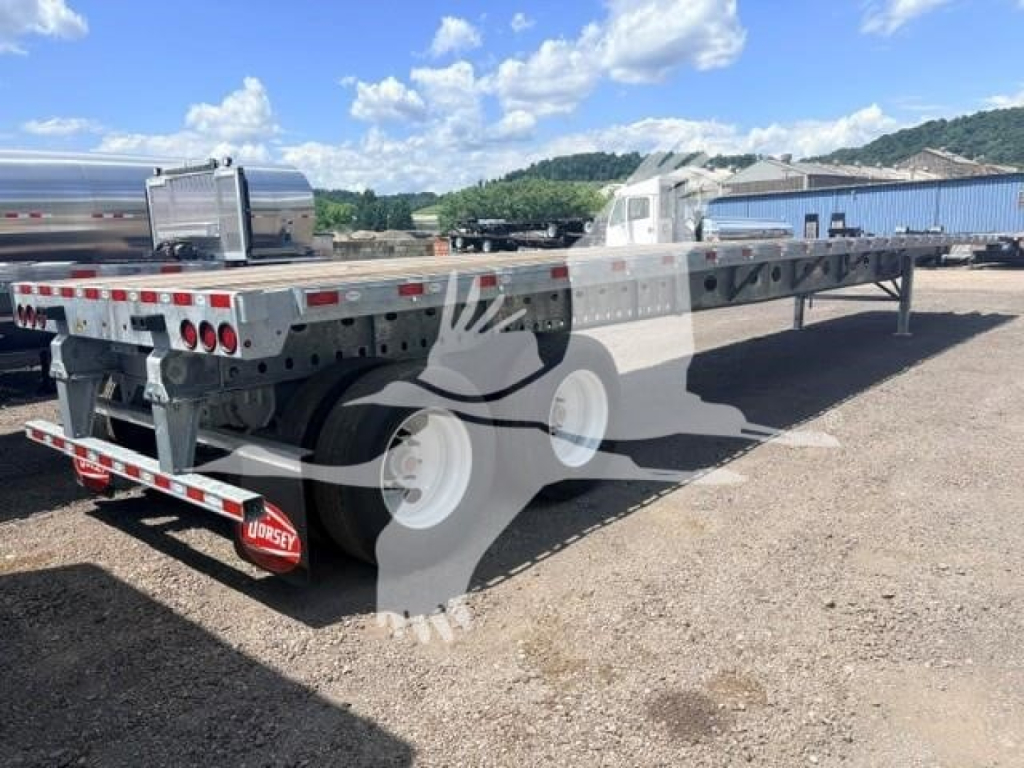
On the spec side, many Dorsey flatbeds are equipped with full or roadside winch tracks, sliding winches, stake pockets, pipe spools, and 1 1/8-inch wood flooring. Suspension can vary between spring ride and air ride, with air ride generally preferred for broader freight compatibility and ride quality. Common details to review include kingpin setting, crossmember spacing, side rail design, landing gear brand, tire size, wheel material, and the trailer's weight rating such as 80,000 GVWR and concentrated load rating like 60,000 pounds in 10 feet. Those numbers tell you a lot about how the trailer will handle dense freight.
Condition and corrosion resistance also deserve close attention on a Dorsey flatbed. Galvanized steel variants can be attractive for operators in northern climates or high-moisture regions where road salt shortens trailer life. On used trailers, inspect floor condition, side rail wear, winch track integrity, tandem slide operation, suspension components, and any cracking around crossmembers or rear frame sections. A well-spec'd Dorsey flatbed is a straightforward, versatile platform, but the right one depends on freight mix, payload targets, securement needs, and where the trailer will spend most of its service life.
Frequently Asked Questions about Dorsey Flatbed Trailers
What lengths are most common for Dorsey flatbed trailers?
Dorsey flatbed trailers are commonly found in 48-foot and 53-foot lengths, although older or more specialized units may also appear in 45-foot configurations. A 48-foot flatbed is still popular for dense freight and certain regional operations, while a 53-foot trailer offers more deck space for lighter or mixed loads. The right choice depends on freight profile, legal weight distribution, and customer loading requirements.
Should I choose a steel or aluminum Dorsey flatbed trailer?
A steel Dorsey flatbed usually costs less upfront and is favored for rugged service, frequent loading abuse, and easier structural repairs. An aluminum Dorsey flatbed is lighter, which can increase payload and improve operating efficiency on weight-sensitive lanes. Buyers should compare tare weight, expected maintenance, corrosion exposure, and freight type before deciding, because the best value depends on how the trailer earns its keep.
Is air ride or spring ride better on a Dorsey flatbed?
Air ride is generally the more flexible choice because it offers better ride quality and is preferred for a wider range of freight, including materials that are more sensitive to vibration or impact. Spring ride can still make sense for straightforward commodity hauling and buyers looking for a simpler, lower-cost setup. Suspension choice should match the cargo, route conditions, and maintenance strategy of the operation.
What deck and securement features should I look for on a Dorsey flatbed?
Most buyers should focus on floor material, winch track layout, number of sliding winches, stake pockets, pipe spools, and crossmember spacing. Apitong wood floors remain a standard choice because they hold up well and are practical to repair, while securement hardware determines how efficiently the trailer can handle different load shapes. A trailer with the right securement package can save time at every pickup and reduce the need for added equipment.
What should I inspect on a used Dorsey flatbed trailer?
Pay close attention to the floor, crossmembers, side rails, rear frame, tandem slide assembly, suspension, landing gear, and the condition of the winch track and stake pockets. Corrosion around structural steel, cracks near high-stress areas, and excessive wear in the slider can all affect service life and repair cost. Tire condition, wheel type, and signs of uneven axle alignment are also worth checking before purchase.