
2026 Dorsey Flatbed Trailers For Sale
Shop 2026 Dorsey flatbed trailers with specs buyers want: steel or aluminum builds, 48' to 53' lengths, axle options, payload and securement details.
Selling a 2026 dorsey flatbed trailer? List your 2026 dorsey flatbed trailer for sale and reach thousands of commercial buyers.
2026 Dorsey Flatbed Trailers
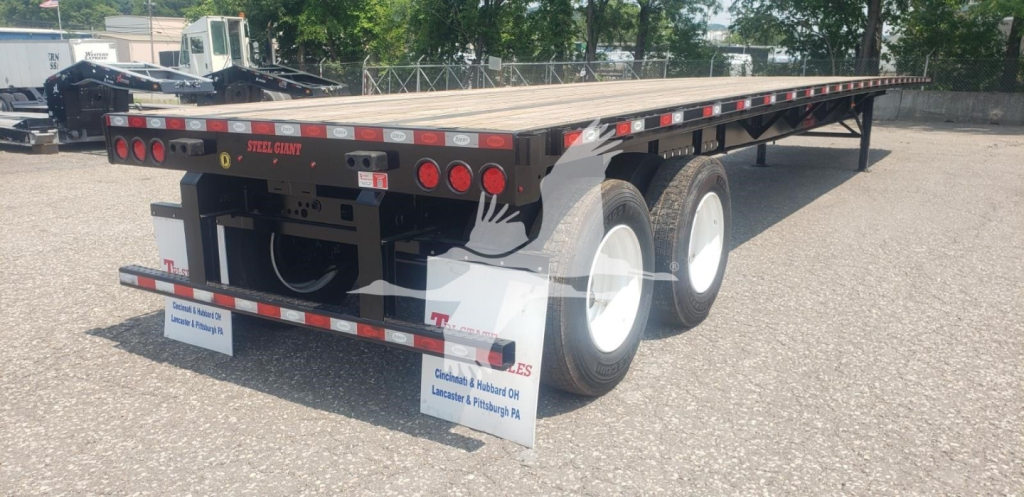
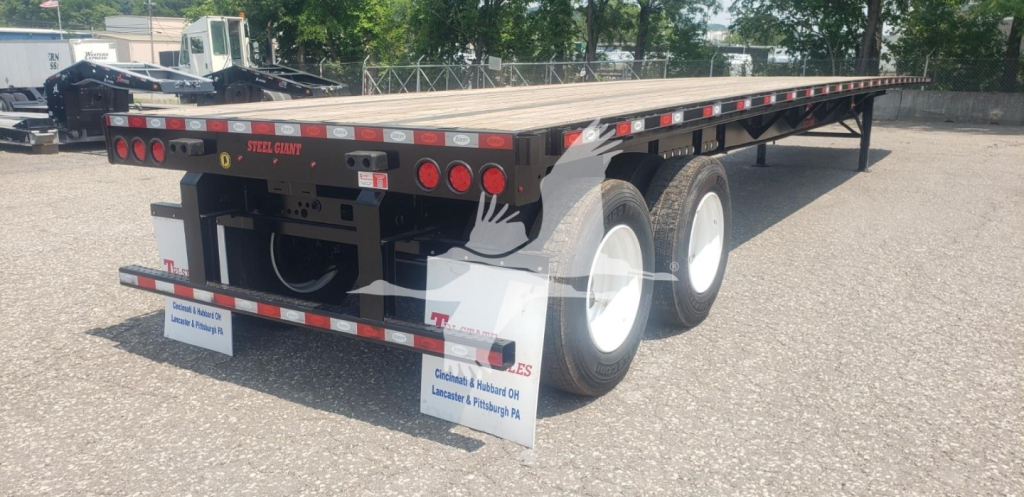
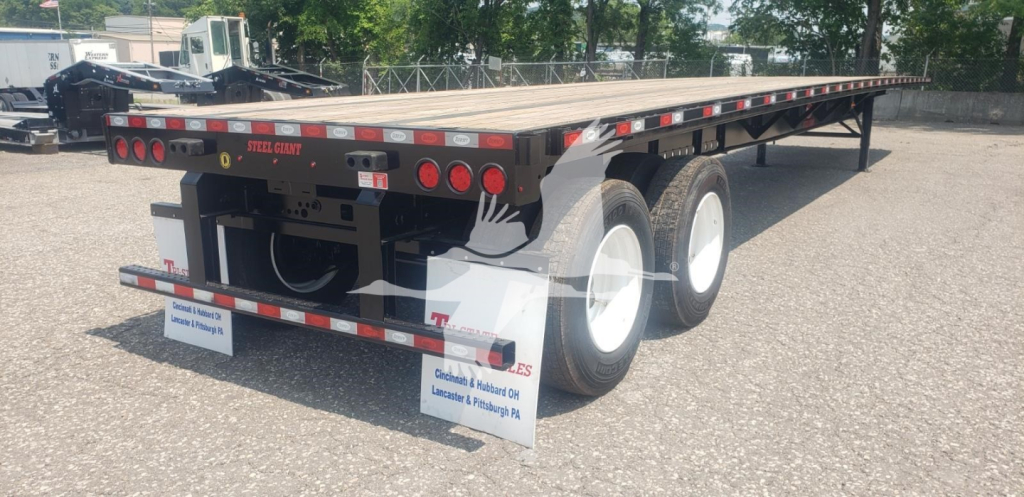
A key decision is steel versus all-aluminum construction. Steel flatbeds generally offer a lower acquisition cost and a rugged frame that holds up well in high-abuse freight lanes, especially where forklifts, concentrated loads, and rough yard conditions are common. Aluminum Dorsey flatbeds cut tare weight significantly, which can open up more legal payload and improve revenue on dense freight. Common lengths are 48 feet and 53 feet with 102-inch width, and many buyers will look closely at floor type such as 1-1/8-inch Apitong, crossmember spacing, side rail design, full-length winch tracks, sliding winches, and pipe spool arrangements. If the trailer will haul coils, machinery, or other point-load freight, frame design and concentrated load ratings deserve extra attention.
Suspension and axle configuration matter just as much as deck construction. Tandem axle setups with sliding tandems remain common for operational flexibility and bridge-law compliance, while spread axle configurations are often preferred for load distribution and deck stability on certain freight. Spring ride is still valued for simplicity and lower parts cost, but air ride is often chosen when cargo protection and ride quality matter more. Buyers should also verify kingpin setting, landing gear brand, tire size, wheel type, and rear light configuration, especially if the trailer will rotate through multi-state service or customer docks with specific dimensional requirements.
On a 2026 Dorsey flatbed, the best value usually comes from matching the trailer to the freight mix rather than chasing one spec in isolation. A lighter all-aluminum 48-footer may be the right fit for maximizing payload on regional building materials, while a heavier steel 53-foot flatbed may make more sense for hard-use general freight service with frequent securement changes. Look for a securement package that supports your operation from day one, including enough sliding winches, continuous winch track, chain tie-down points, and practical add-ons such as dunnage racks, toolboxes, and bulkhead options if the freight requires them. The right flatbed should reduce compromise on payload, securement speed, and long-term maintenance.
Frequently Asked Questions about 2026 Dorsey Flatbed Trailers
What is the difference between a steel and an aluminum Dorsey flatbed trailer?
A steel Dorsey flatbed typically costs less upfront and is favored for demanding service where the trailer sees frequent forklift traffic, heavy point loads, and rough jobsite conditions. An aluminum Dorsey flatbed is lighter, which usually means more legal payload capacity and better efficiency on dense freight. The tradeoff is that the best choice depends on the freight profile, expected abuse level, and how much value the operation places on tare weight reduction versus initial purchase cost.
Are 48-foot or 53-foot Dorsey flatbed trailers better for most fleets?
A 48-foot flatbed is a common choice for operators focused on maneuverability, lower empty weight, and traditional open-deck freight patterns. A 53-foot flatbed offers more deck length for freight flexibility and can be useful in operations handling mixed cargo dimensions or higher cube loads. The right size depends on customer requirements, state bridge considerations, loading dock access, and whether payload or deck space is the bigger operational priority.
What flatbed trailer specs should buyers check first on a 2026 Dorsey?
The first specs to review are trailer length, construction material, empty weight, axle configuration, suspension type, and securement equipment. After that, buyers should verify floor material, crossmember spacing, side rail strength, kingpin setting, tandem or spread axle layout, and tire and wheel package. Those details directly affect payload, load securement speed, maintenance planning, and legal compliance across different freight applications.
Is air ride or spring ride better on a Dorsey flatbed trailer?
Air ride is usually preferred when cargo protection and ride quality are important, especially for freight that can shift, mark, or suffer vibration damage. Spring ride remains popular because it is simple, durable, and often less expensive to maintain. For many buyers, the decision comes down to freight sensitivity, maintenance philosophy, and whether the trailer will spend more time on smooth highway lanes or rough yards and secondary roads.
What freight is a Dorsey flatbed trailer commonly used for?
Dorsey flatbed trailers are commonly used for steel products, lumber, pipe, machinery, palletized building materials, fabricated components, and general open-deck freight. They are a fit for loads that need side, rear, or overhead loading access and can be secured with straps, chains, and edge protection. Trailer setup matters here, because freight type often determines the need for winch tracks, pipe spools, dunnage storage, bulkheads, and deck strength for concentrated loads.