
2026 Dorsey Flatbed Trailers For Sale in Pennsylvania
Shop 2026 Dorsey flatbed trailers in Pennsylvania. Compare 48' and 53' specs, steel construction, tandem axles, flooring, suspension, and load setup.
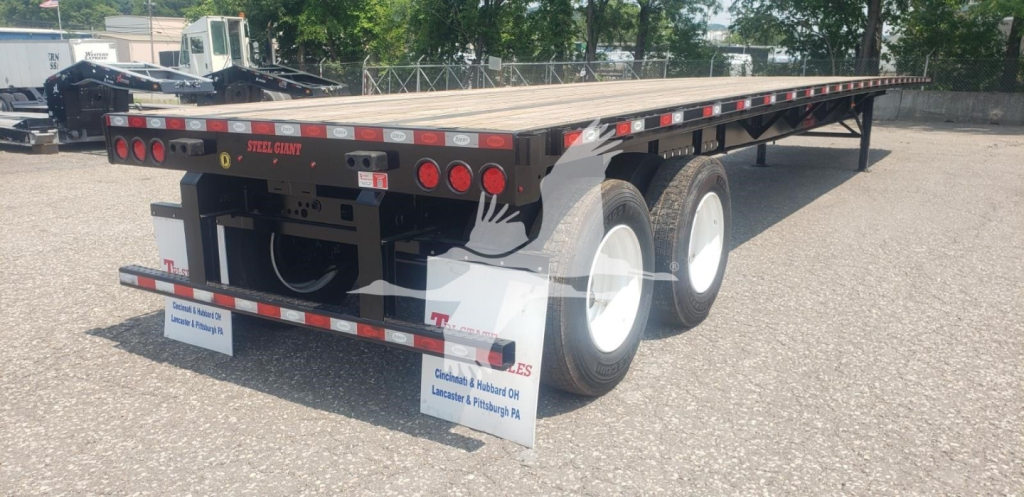
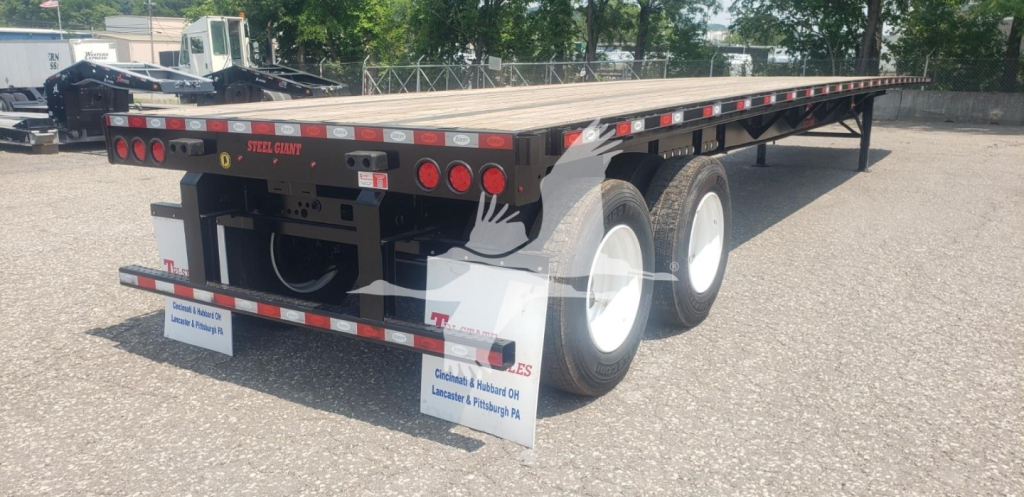
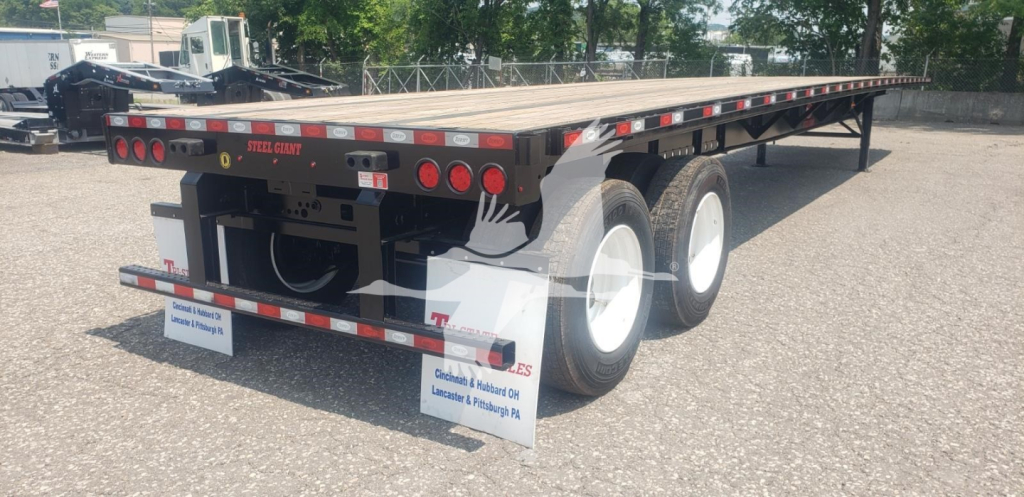
Looking for the easiest place to sell your 2026 dorsey flatbed trailer? List it here to reach thousands of buyers.
2026 Dorsey Flatbed Trailers in Pennsylvania
Construction details matter on a flatbed because they affect both empty weight and long-term abuse tolerance. Dorsey trailers in this class are often steel flatbeds with 102-inch overall width, steel front and rear members, structural channel side rails, and steel I-beam crossmembers on 12-inch centers. Many are spec'd with 1 1/8-inch Apitong flooring, which remains a preferred deck material for strength, fastener holding, and forklift resistance. Roadside winch tracks, sliding winches, double pipe spools, and open side access are key advantages for drivers hauling strapped freight every day. Common ratings in this segment are 80,000-pound GVWR with concentrated load capacity such as 60,000 pounds in 10 feet, which is important for steel, lumber packs, and dense machinery loads.
Running gear on Dorsey flatbeds is typically a tandem axle setup with a 49-inch sliding tandem, 30-inch kingpin setting, 295/75R22.5 tires, and two-speed landing gear from suppliers such as Jost. Many are equipped with spring ride suspension, often Hutchens H-9700 3-leaf, which is familiar to fleets that want simple serviceability and proven durability. Buyers in Pennsylvania should pay attention to suspension condition, tandem slide operation, brake and bushing wear, tire matching, and the condition of the deck around the winch track and crossmember attachment points. On used units, the floor, side rails, lighting, mud flap brackets, and rear structure usually tell you a lot about how the trailer was loaded and maintained.
The right Dorsey flatbed spec depends on the freight mix more than anything else. A trailer hauling coils, dense machinery, or frequent forklift traffic needs close attention to frame condition, crossmember spacing, and floor life. A trailer used for lumber, pipe, or general building products benefits from enough sliding winches, clean chain tie-down access, and a deck length that matches customer loading patterns. Dorsey flatbeds are also commonly referred to simply as flatbeds or open-deck trailers, and they remain a staple for carriers that want a versatile platform without the added tare weight and complexity of specialty decks. When comparing listings, focus on deck length, trailer weight, suspension type, securement setup, and structural condition before brand cosmetics.
Frequently Asked Questions about 2026 Dorsey Flatbed Trailers in Pennsylvania
What length is better for a Dorsey flatbed trailer, 48 feet or 53 feet?
The best length depends on the freight you haul and the lanes you run. A 48-foot Dorsey flatbed is often easier to work with in regional service, tighter yards, and customer locations with limited space. A 53-foot flatbed gives more deck area for longer freight, mixed loads, and customers that regularly use the full platform. If your freight is light but bulky, the extra 5 feet can improve load flexibility. If your freight is dense and usually scales out before it cubes out, a 48-foot trailer may be the more efficient choice.
What are the most common specs on a Dorsey steel flatbed?
Common specs in this category include a 102-inch wide steel flatbed deck, tandem axles, 295/75R22.5 tires, a 49-inch sliding tandem, and a 30-inch kingpin setting. Many Dorsey steel flatbeds use 1 1/8-inch Apitong flooring, structural channel side rails, steel I-beam crossmembers on 12-inch centers, roadside winch tracks, and multiple sliding winches. Spring ride suspension is also common, especially on fleet-oriented trailers where durability and easier maintenance are priorities.
Is a steel flatbed better than an aluminum flatbed for my operation?
A steel flatbed usually offers strong durability and can hold up well in hard-use applications like steel hauling, machinery, building materials, and repeated forklift loading. The tradeoff is higher tare weight compared with aluminum construction. If payload is the top priority and you haul lighter, volume-oriented freight, aluminum may offer an advantage. If your operation values ruggedness, structural toughness, and lower repair complexity in rough service, a Dorsey steel flatbed is often a very practical fit.
What should I inspect first on a used Dorsey flatbed trailer?
Start with the deck, frame, and running gear. Check Apitong floor wear, broken or loose boards, and any damage around the winch track or side rail where securement gear is used heavily. Inspect crossmembers, the main frame, rear impact area, and tandem slider structure for cracks, rust scale, or prior repairs. Then look at suspension components, brake condition, tire wear patterns, wheel ends, lights, and landing gear operation. A flatbed's value is tied closely to its structural condition and securement readiness, not just its appearance.
Why does concentrated load rating matter on a flatbed trailer?
Concentrated load rating tells you how much weight the trailer can handle in a short section of the deck, not just the overall gross vehicle weight rating. That matters when hauling dense freight like steel bundles, equipment, or machinery that puts a lot of weight into a small footprint. A trailer rated for 60,000 pounds in 10 feet is better suited for heavy point loads than a trailer with similar GVWR but less deck concentration capacity. Buyers hauling dense commodities should verify this rating before comparing price alone.