
2020 Dorsey Flatbed Trailers For Sale
Shop 2020 Dorsey flatbed trailers for sale. Compare 48 ft and 53 ft specs, steel construction, axle setups, payload potential, and deck details.
Selling a 2020 dorsey flatbed trailer? List your 2020 dorsey flatbed trailer for sale and reach thousands of commercial buyers.
2020 Dorsey Flatbed Trailers
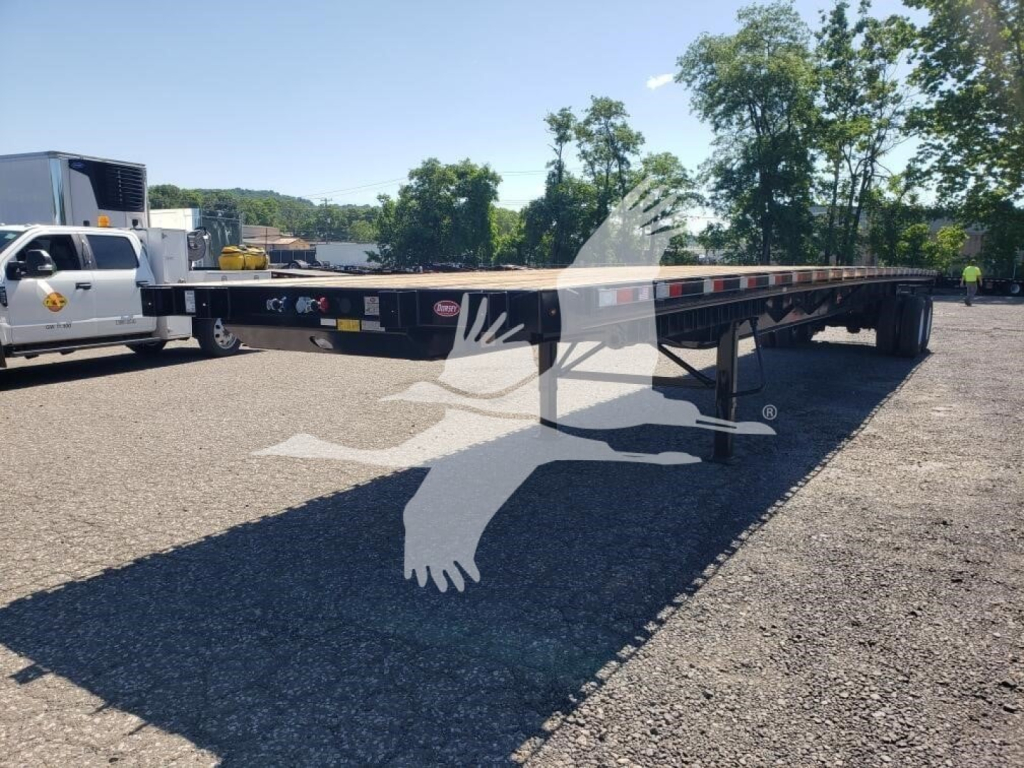
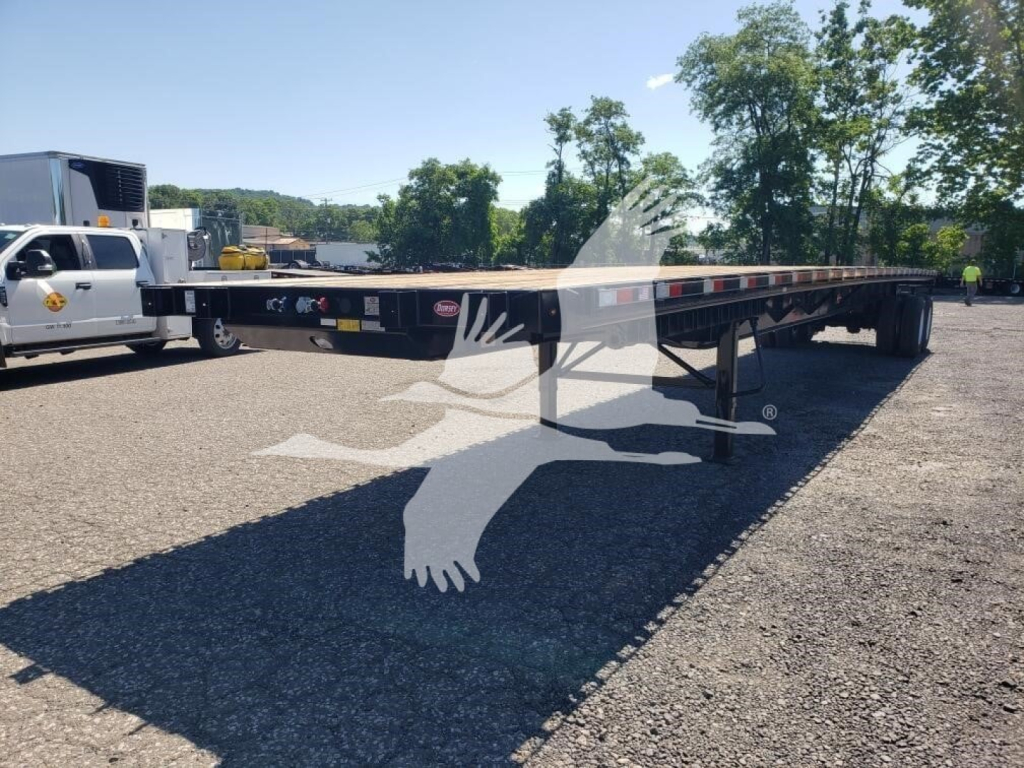
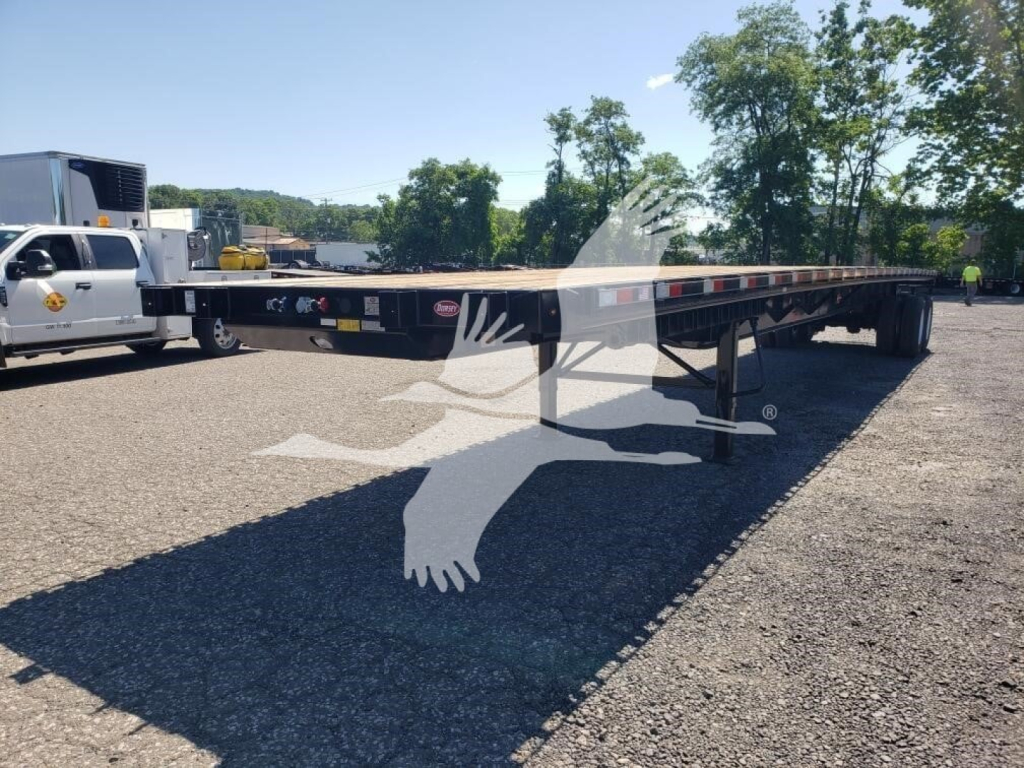
Steel construction is a major part of the buying decision on many Dorsey flatbeds. A steel trailer generally gives up some tare weight compared with an all-aluminum flatbed, but it is often favored for durability, repair familiarity, and lower acquisition cost. Common details include 1 1/8-inch Apitong flooring, steel crossmembers spaced on 12-inch centers, structural channel side rails, and roadside or full-length winch tracks with sliding winches. Buyers hauling dense freight should pay close attention to side rail condition, crossmember straightness, floor wear around forklift traffic zones, and signs of concentrated point-loading. A clean deck, solid rub rail, usable stake pockets, and intact pipe spools matter just as much as the headline specs because they affect securement speed and daily usability.
Running gear matters because flatbeds live hard lives and often see mixed routes. Many trailers in this class use spring ride suspension, which is simple and durable, while some operations may prefer air ride for more fragile or premium freight. Tandem sliding suspension settings around 49 inches are common and give flexibility for bridge law and axle weight distribution. Tire size is typically 295/75R22.5, and landing gear, hub-piloted wheels, lighting, mud flap brackets, and rear structure should all be inspected closely on a used 2020 model. On a flatbed, alignment issues, uneven tire wear, bent axle components, and damage at the rear sill or impact zone can tell you more than paint condition ever will.
The right 2020 Dorsey flatbed trailer depends on what you haul and how often you tarp, coil, or load from the side. A 48 ft flatbed can be a smart fit for regional hauling and jobs where maneuverability matters, while a 53 ft trailer gives more deck space for legal-length general freight and can be easier to keep loaded in higher-volume lanes. Buyers should also think about securement layout, including the number of sliding winches, stake pocket spacing, presence of a bulkhead or lack of one, and any added toolboxes or dunnage storage. Dorsey remains a recognized name in the open-deck market because these trailers are built around familiar specs, serviceable components, and the kind of deck design most drivers and shops already know how to work with.
Frequently Asked Questions about 2020 Dorsey Flatbed Trailers
What are the most common specs on a 2020 Dorsey flatbed trailer?
A 2020 Dorsey flatbed trailer is commonly found in 48 ft or 53 ft lengths, 102-inch width, tandem axle configuration, and steel construction. Many use 1 1/8-inch Apitong flooring, a 30-inch kingpin setting, 295/75R22.5 tires, and spring ride or air ride suspension. Winch tracks, sliding winches, stake pockets, and double pipe spools are also typical features buyers expect on a general freight flatbed.
Is a steel Dorsey flatbed a good choice compared with aluminum?
A steel Dorsey flatbed is often a strong choice when durability, purchase price, and repair simplicity matter more than shaving every possible pound from trailer weight. Steel trailers usually weigh more than aluminum flatbeds, which can reduce payload on weight-sensitive freight, but many fleets like steel for hard use applications such as steel products, lumber, machinery, and building materials. The tradeoff comes down to tare weight versus structural ruggedness and cost.
What should I inspect first on a used 2020 Dorsey flatbed?
Start with the frame, crossmembers, side rails, floor condition, suspension, and axle alignment. On a flatbed, damage from forklifts, chains, coils, and side loading is common, so bent crossmembers, worn Apitong, cracked welds, and rail damage deserve close attention. Also inspect the winch track, stake pockets, landing gear, tire wear, wheel ends, lights, and rear structure. Uneven tire wear or visible misalignment can point to suspension or axle issues that are more expensive than routine deck repairs.
Should I choose a 48 ft or 53 ft Dorsey flatbed trailer?
A 48 ft Dorsey flatbed trailer can make sense for regional work, tighter delivery points, and operations that do not need maximum deck length on every load. A 53 ft flatbed gives more usable deck space and can be easier to dispatch in general freight lanes where longer trailers are preferred. The better option depends on your typical freight dimensions, route density, customer dock access, and how often extra deck length helps you combine or position loads.
What kind of freight is a 2020 Dorsey flatbed trailer built to handle?
A 2020 Dorsey flatbed trailer is suited for a wide range of open-deck freight including lumber, steel, machinery, palletized materials, pipe, construction products, and equipment that can be loaded from the side, top, or rear. The exact freight mix depends on deck length, trailer weight, securement setup, and any special options like bulkheads or extra dunnage storage. For general commodity hauling, it is one of the most versatile trailer types on the road.