
2020 Dorsey Flatbed Trailers For Sale in Pennsylvania
Shop 2020 Dorsey flatbed trailers for sale. Compare steel flatbed specs, 48' to 53' lengths, tandem axles, floor type, and suspension setup.
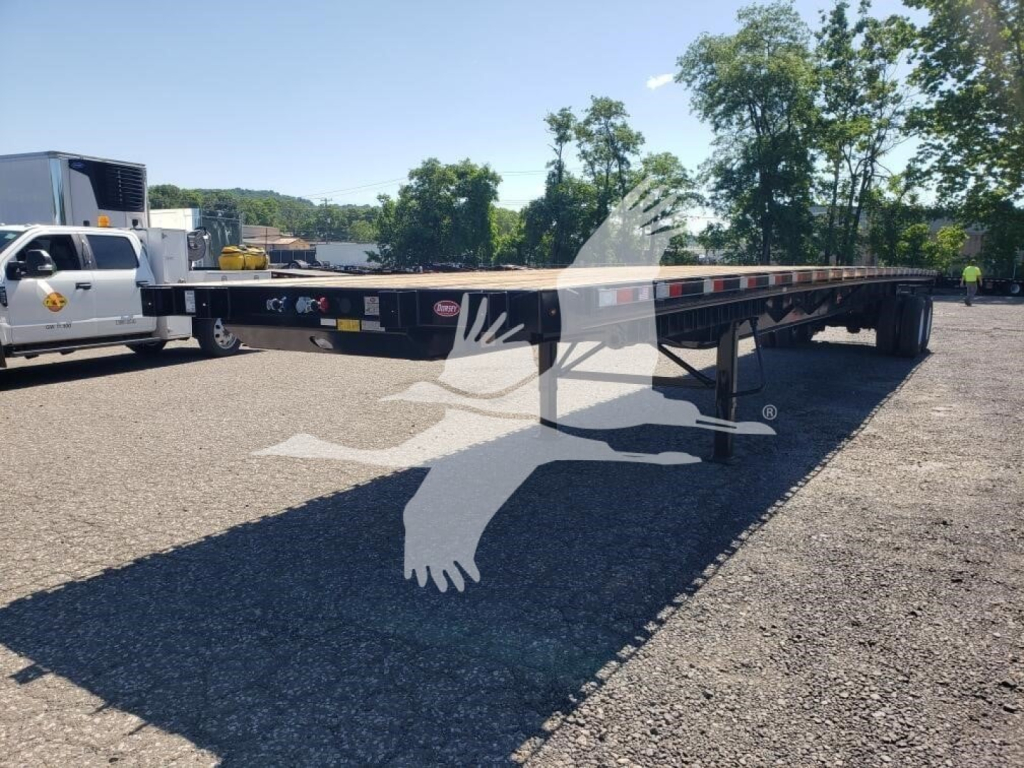
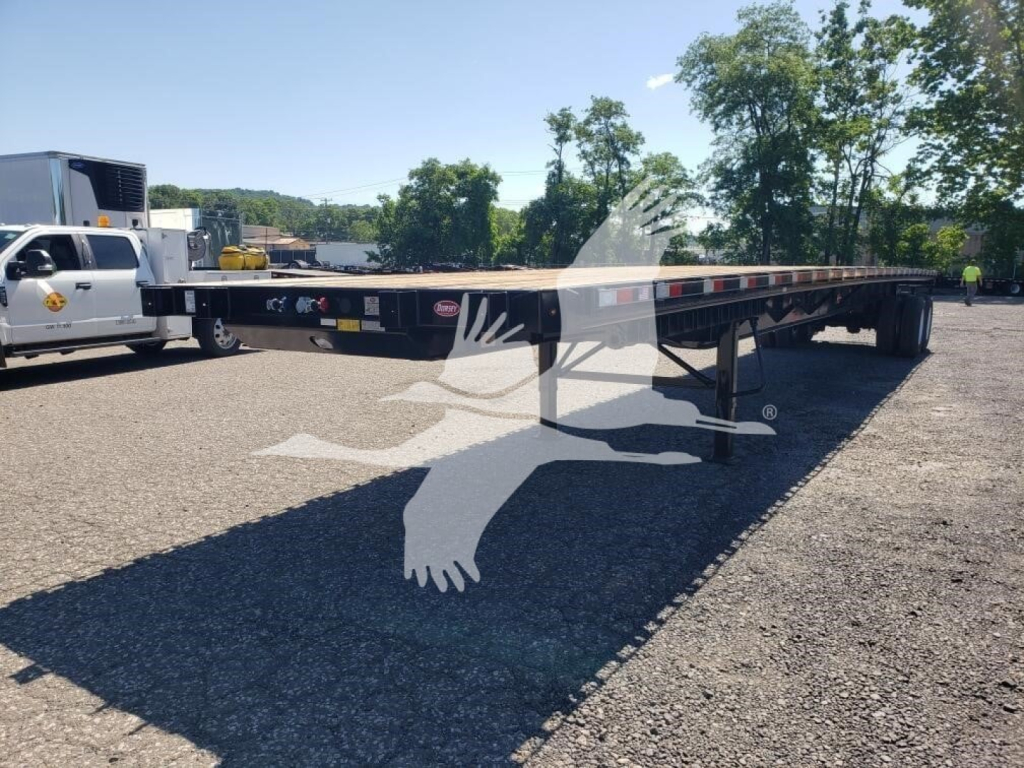
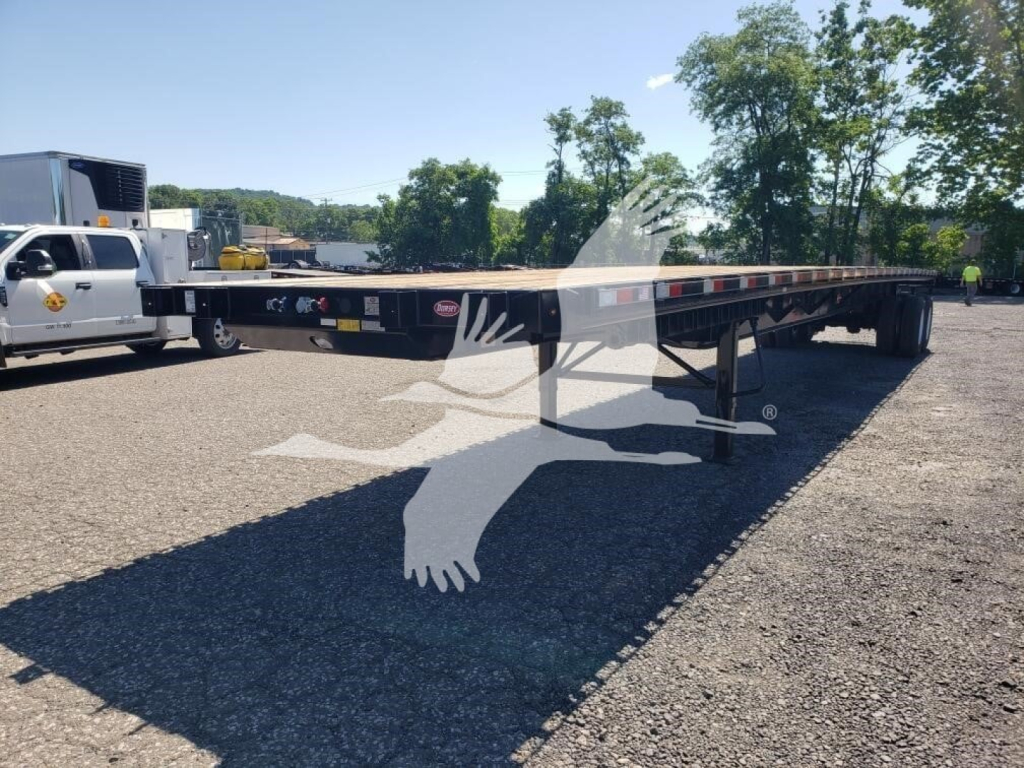
Selling a 2020 dorsey flatbed trailer? List your 2020 dorsey flatbed trailer for sale and reach thousands of commercial buyers.
2020 Dorsey Flatbed Trailers in Pennsylvania
Dorsey flatbeds from this era are often steel construction with steel front and rear members, structural channel side rails, and Apitong wood flooring. That combination is popular because it balances repairability, deck durability, and securement flexibility. Buyers should pay close attention to crossmember spacing, winch track layout, number of sliding winches, pipe spool placement, and kingpin setting, since these details affect daily usability more than brochure language does. Common specs seen on Dorsey flatbeds include 30-inch kingpin settings, 49-inch sliding tandems, 295/75R22.5 tires, and two-speed landing gear. If the trailer will spend time in dense freight lanes or uneven jobsite conditions, inspect tire wear patterns, spring ride components, and frame straightness closely.
For Pennsylvania operators, corrosion exposure is a real buying factor. Road salt, wet seasonal conditions, and repeated freeze-thaw cycles can show up as rust scale on the frame, landing gear, crossmembers, light boxes, and slider rails. A used 2020 flatbed should be checked for floor integrity, cracked welds around suspension hangers, wear at the tandem slide, and damage at the rear impact area. Brake condition, bushing wear, and air system leaks also deserve a close look, especially on trailers that have spent time in heavy stop-and-go regional work. If the trailer has a full-length winch track, make sure it is still straight and usable across the deck rather than bent or patched in high-stress sections.
Flatbed trailers are also known simply as open-deck trailers, and they remain one of the most flexible trailer categories in trucking. A 2020 Dorsey flatbed can be suited for lumber, steel products, palletized machinery, construction materials, pipe, and equipment that cannot be loaded into a dry van. The best buying approach is to match the trailer's deck length, floor condition, suspension type, and securement layout to the freight you actually haul. A clean used flatbed with a solid frame, healthy wood deck, and properly functioning tandem and landing gear will usually deliver more value than a newer-looking trailer with hidden structural wear.
Frequently Asked Questions about 2020 Dorsey Flatbed Trailers in Pennsylvania
What should I inspect first on a used 2020 Dorsey flatbed trailer?
Start with the frame, crossmembers, floor, and tandem slide. Those areas tell you how the trailer has been used and how much life is left in the structure. Check for rust scale, cracked welds, bent side rails, soft or broken floorboards, worn suspension parts, and damage around the rear underride area. After that, inspect brakes, tires, wheel ends, lighting, landing gear, and the winch track to make sure the trailer is ready for regular work instead of immediate shop time.
Are 48-foot or 53-foot Dorsey flatbeds better for most fleets?
It depends on freight mix and route profile. A 48-foot flatbed is common for regional hauling, dense delivery areas, and freight that does not require maximum deck length. A 53-foot flatbed gives more loading flexibility for longer products, partial combinations, and shippers that want extra deck space. The tradeoff is usually a little more tare weight and less maneuverability in tighter locations.
What are common specs on a 2020 Dorsey steel flatbed?
Typical specs include steel construction, 102-inch width, tandem axles, spring ride suspension, a sliding tandem, 295/75R22.5 tires, and two-speed landing gear. Many units also use Apitong wood flooring, structural channel side rails, roadside winch tracks, and multiple sliding winches. Exact setup varies by original buyer, so securement equipment and crossmember configuration should be verified on each trailer.
Is spring ride a drawback on a flatbed trailer?
Not necessarily. Spring ride remains a common and durable choice on flatbeds because it is simple, proven, and generally less expensive to maintain than more complex systems. For many steel, lumber, and construction applications, spring ride is perfectly acceptable. The main concern is condition, not just type. Worn bushings, tired leaf packs, and neglected suspension components can create handling and tire-wear issues on any used trailer.
Why does trailer location matter when buying a used flatbed in Pennsylvania?
Location matters because climate and road treatment affect corrosion. In Pennsylvania, trailers often see road salt, moisture, and winter exposure that can accelerate rust on frames, slider rails, landing gear, and electrical components. A Pennsylvania trailer is not automatically a poor choice, but it should be inspected carefully for structural corrosion and seized or heavily worn moving parts before purchase.