
New Dorsey Flatbed Trailers For Sale
Shop new Dorsey flatbed trailers with specs buyers want: 48-foot decks, air ride, sliding tandems, Apitong flooring, and heavy-duty steel construction.
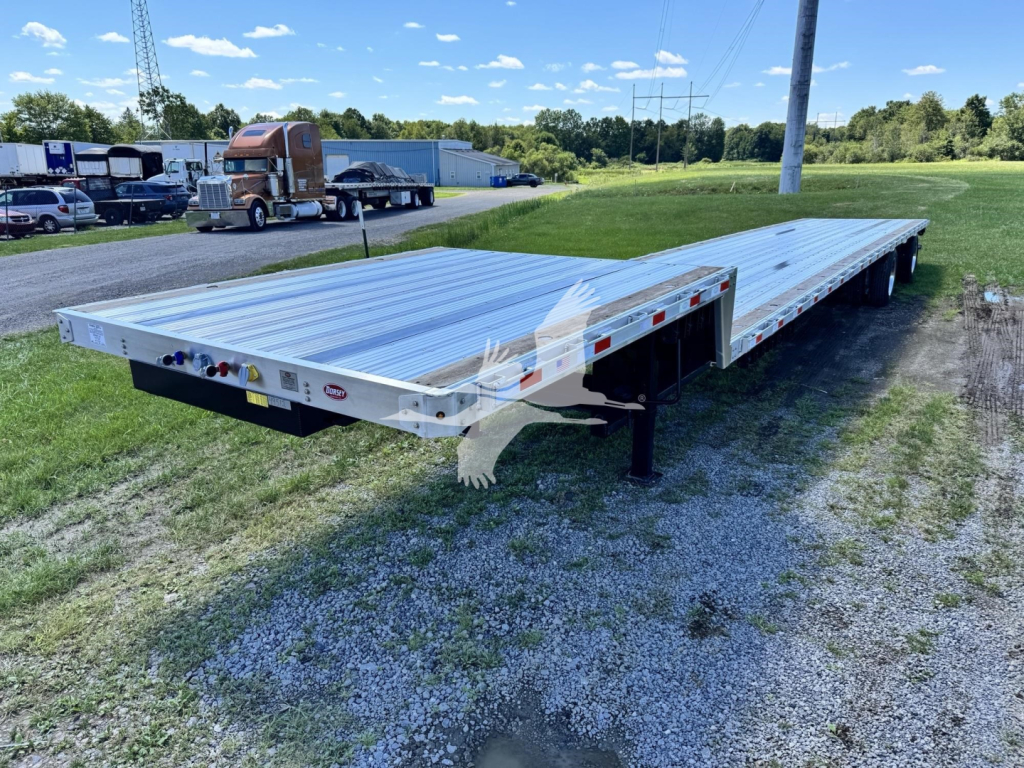
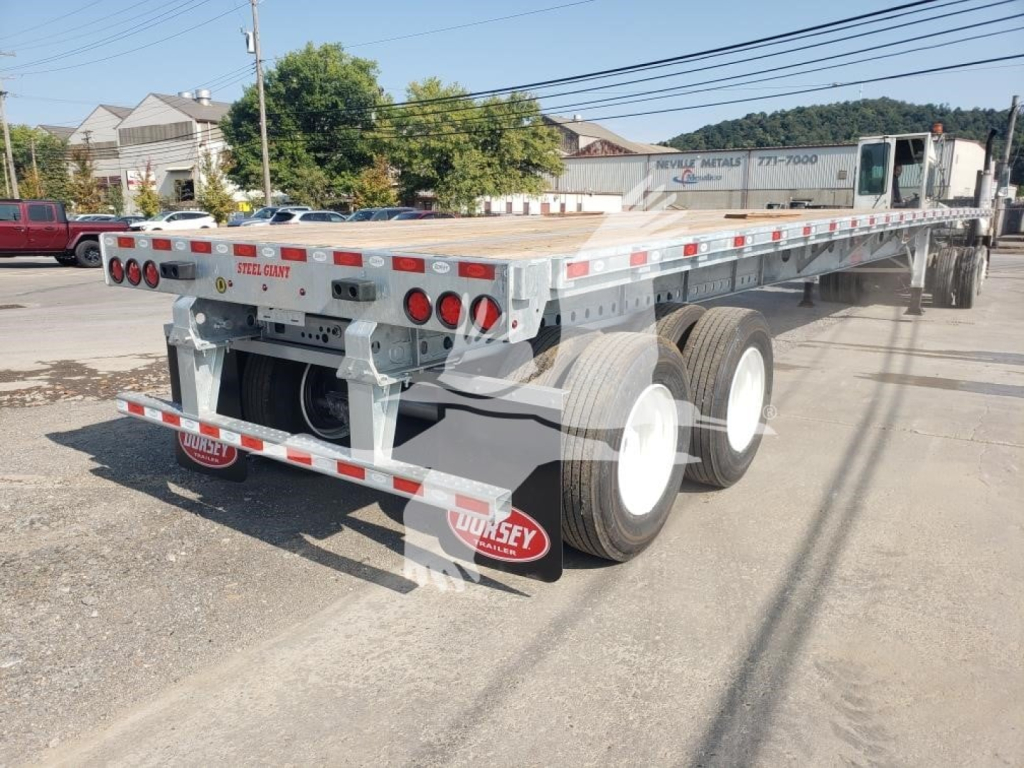
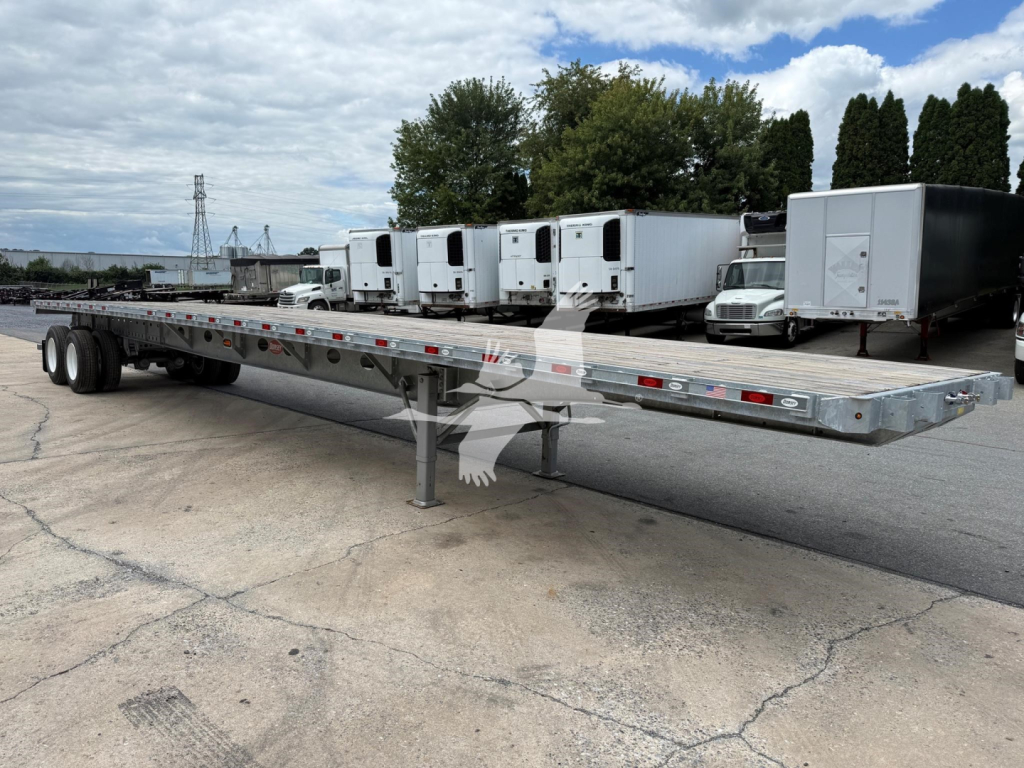
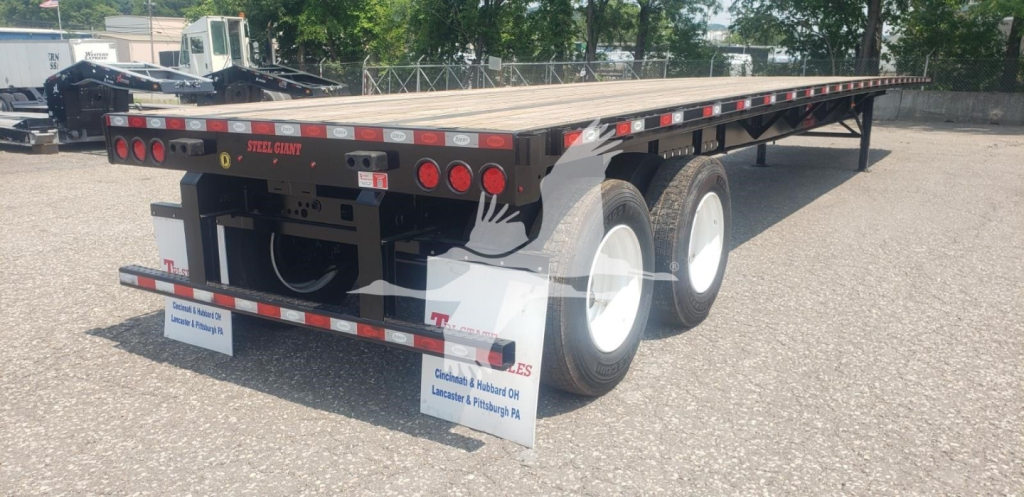
Selling a new dorsey flatbed trailer? List your new dorsey flatbed trailer for sale and reach thousands of commercial buyers.
New Dorsey Flatbed Trailers
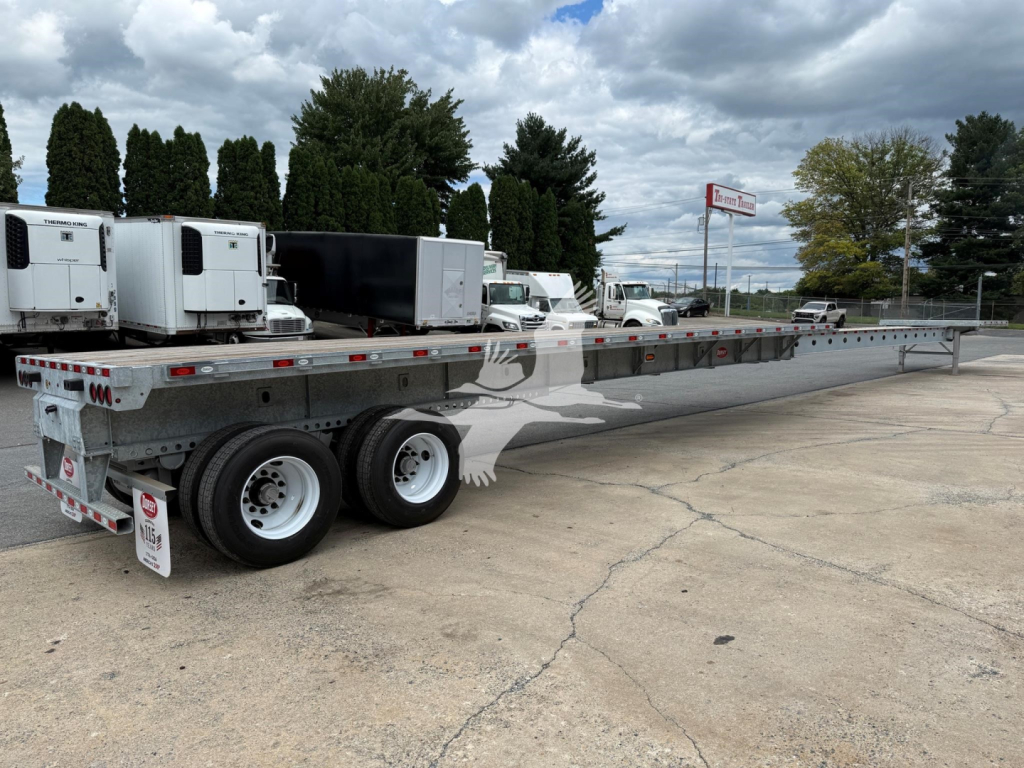
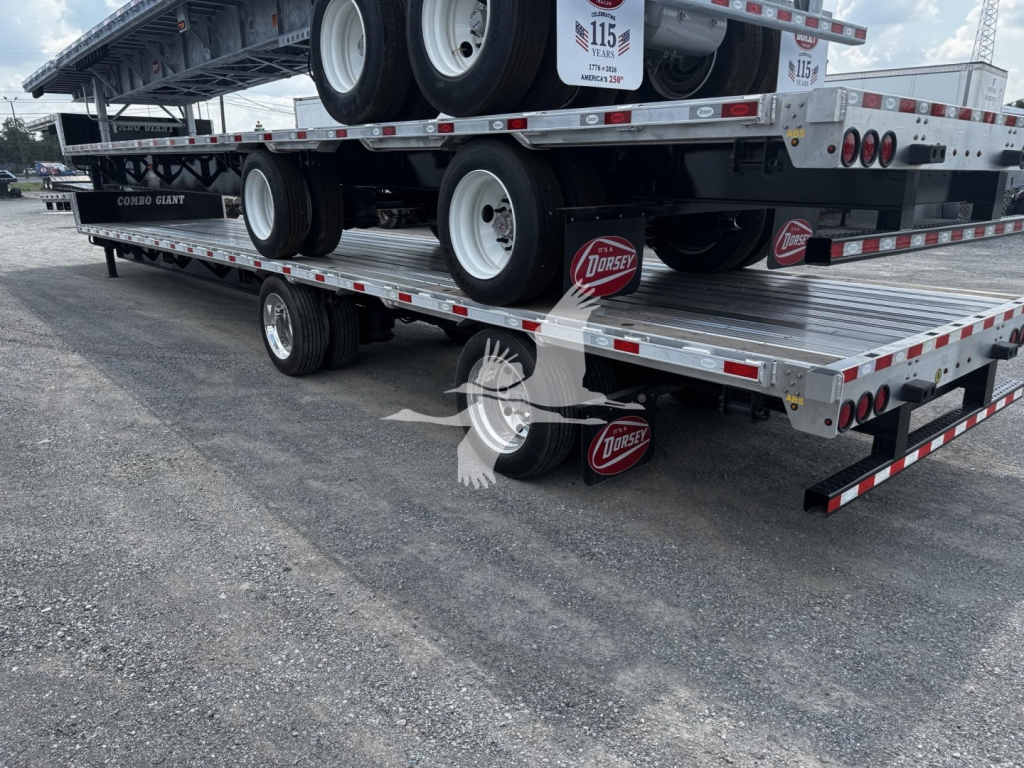
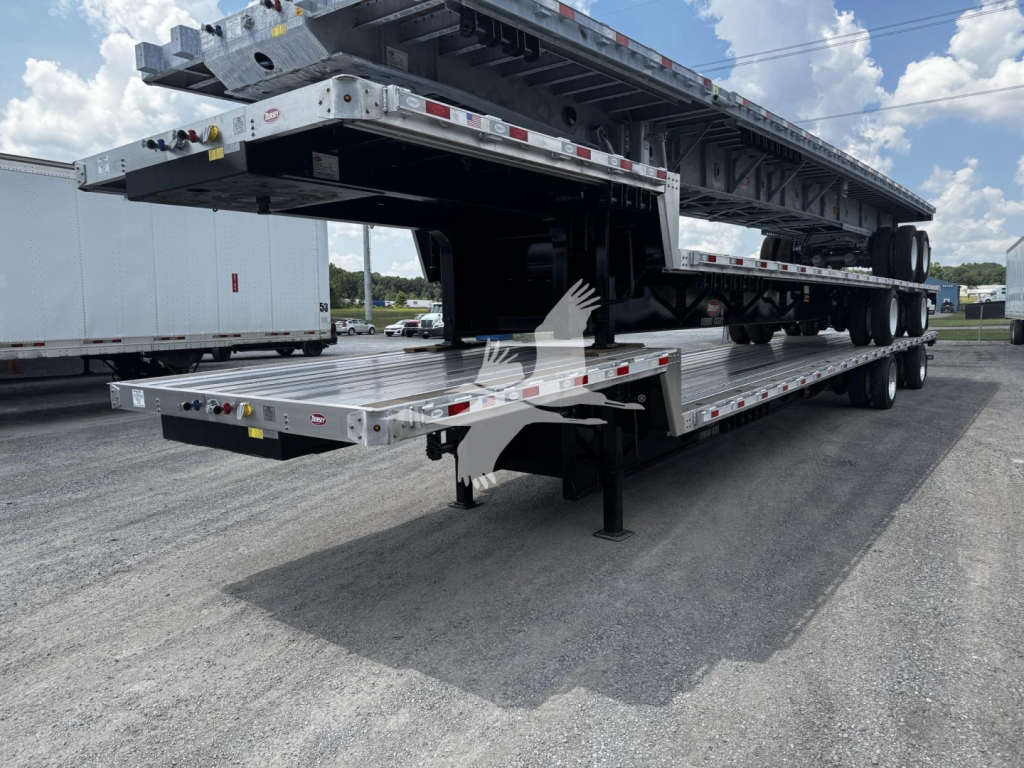
A lot of the buying decision comes down to deck construction and running gear. Common specs in this class include a 1 1/8-inch Apitong wood floor, steel front and rear members, 6-inch structural channel side rails, and 12-inch crossmember spacing for better floor support under concentrated loads. Roadside winch tracks, sliding winches, and double pipe spools matter if your freight mix changes often and you need flexible tie-down points. On the chassis side, air ride suspensions such as Hendrickson INTRAAX, 49-inch spread slider settings, and 295/75R22.5 tires are typical on new Dorsey flatbed trailers. These specs are popular because they help balance ride quality, axle positioning flexibility, and serviceability.
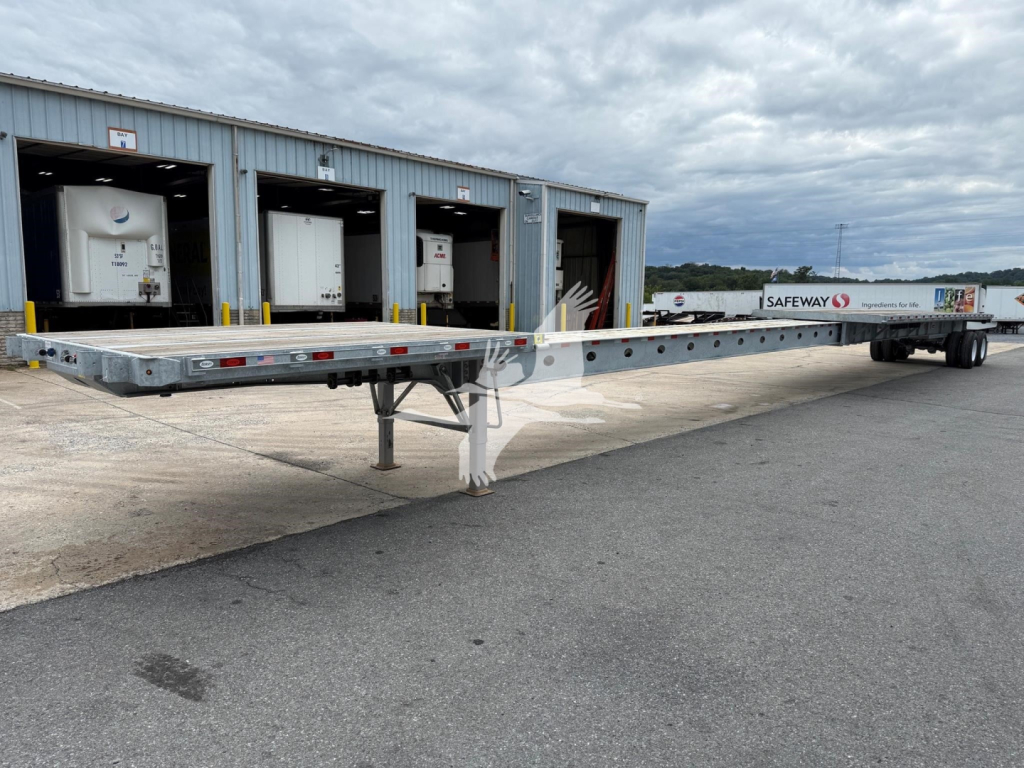
If your operation regularly deals with bridge laws, axle distribution, or mixed-state freight lanes, pay close attention to kingpin setting, axle spread, and whether the trailer uses a sliding tandem or spread axle slider arrangement. A 30-inch kingpin setting and a sliding rear suspension can make a difference when matching the trailer to your tractor wheelbase and your freight profile. Weight is another key point. New steel flatbeds in this size often land around the 12,000-pound range, which is heavier than some aluminum platforms but typically preferred by buyers who prioritize ruggedness, repair familiarity, and long-term durability in tougher loading environments.
For many buyers, a new Dorsey flatbed is less about extra complexity and more about getting a proven open-deck trailer with the right basic equipment. Features like Jost two-speed landing gear, LED lighting, mud flap brackets, dump valve setups, and standard steel wheels are all part of the everyday ownership picture. If you haul coil, packaged steel, pipe, palletized freight, or equipment that does not require enclosure, a new flatbed trailer in this class offers broad application without locking you into a specialized trailer type. Also known simply as a platform trailer or flatbed semi-trailer, this category remains one of the most versatile choices in commercial trucking.
Frequently Asked Questions about New Dorsey Flatbed Trailers
What are the most common specs on a new Dorsey flatbed trailer?
A new Dorsey flatbed trailer is commonly spec'd as a 48-foot by 102-inch steel platform with tandem axles, air ride suspension, an Apitong wood floor, steel wheels, and a roadside winch track with sliding winches. Many buyers will also see 12-inch crossmember spacing, a 30-inch kingpin setting, and a sliding axle arrangement designed to help with bridge compliance and load distribution.
Is a steel Dorsey flatbed better than an aluminum flatbed?
A steel Dorsey flatbed is usually chosen for durability, repair simplicity, and lower concern about jobsite abuse. Steel trailers generally weigh more than aluminum models, so they can reduce payload slightly, but they are often favored in operations hauling steel products, machinery, and dense freight where toughness matters more than chasing the lightest empty weight.
Why does sliding tandem or spread axle setup matter on a flatbed trailer?
A sliding tandem or spread axle setup matters because it gives the driver and fleet more flexibility in axle placement, bridge law compliance, and weight distribution. That can be especially important when freight varies in length, density, or loading position. Buyers running multi-state lanes or heavy point loads often treat suspension position and axle spread as a major spec decision, not a minor detail.
What type of freight is a Dorsey flatbed trailer used for?
Dorsey flatbed trailers are used for general open-deck freight such as lumber, pipe, steel, machinery, building materials, crated equipment, and palletized products that can be secured with straps, chains, and edge protection. They are a strong fit for freight that loads from the side, top, or rear and does not need the weather protection of a dry van or the side structure of a step deck with specialized accessories.
What should a buyer inspect first on a new flatbed trailer spec sheet?
Start with overall length and width, trailer weight, suspension type, axle configuration, kingpin setting, floor material, crossmember spacing, and tie-down equipment. Those items affect payload, loading method, securement flexibility, and legal operation more than cosmetic details. On a new flatbed, the spec sheet tells you very quickly whether the trailer is built for general freight, dense commodities, or a more specialized hauling pattern.