
New Dorsey Flatbed Trailers For Sale in Pennsylvania
Shop new Dorsey flatbed trailers in Pennsylvania. Compare steel and galvanized 48-foot specs, air or spring ride, slider tandems, and deck details.
Selling a new dorsey flatbed trailer? List your new dorsey flatbed trailer for sale and reach thousands of commercial buyers.
New Dorsey Flatbed Trailers in Pennsylvania
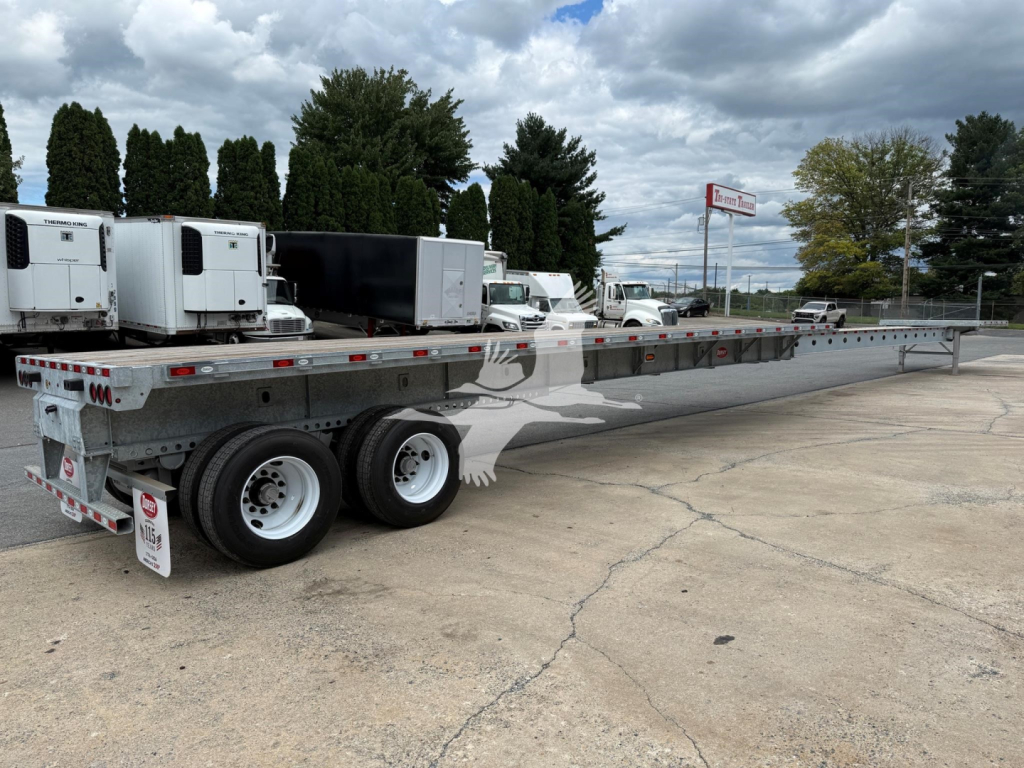
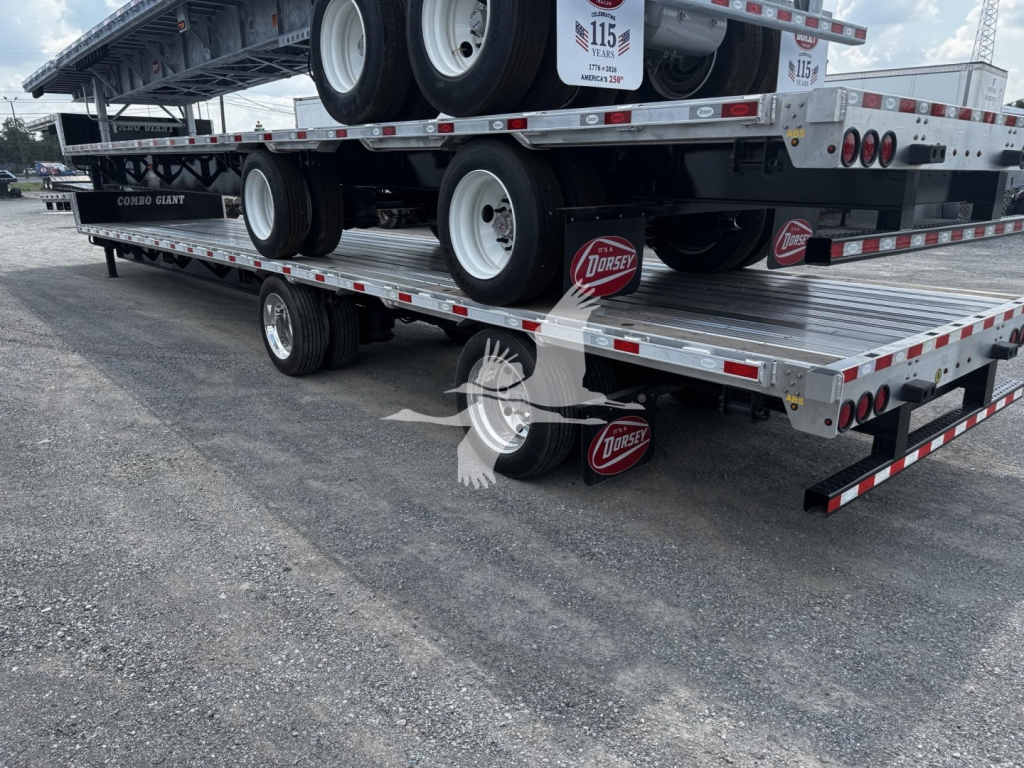
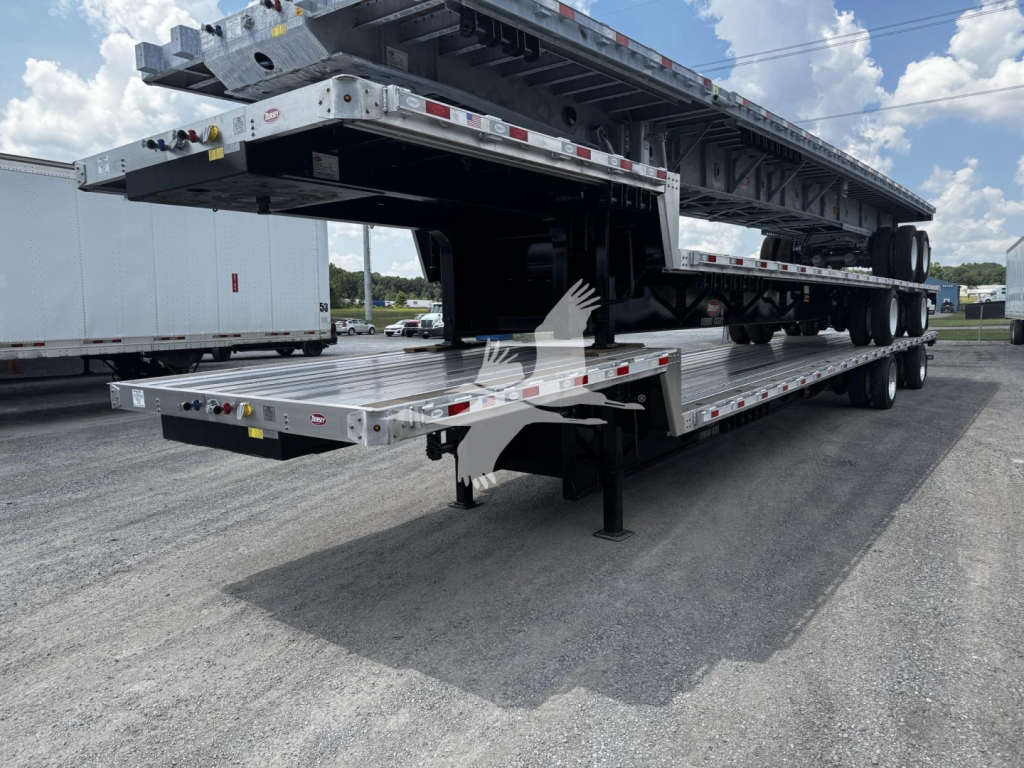
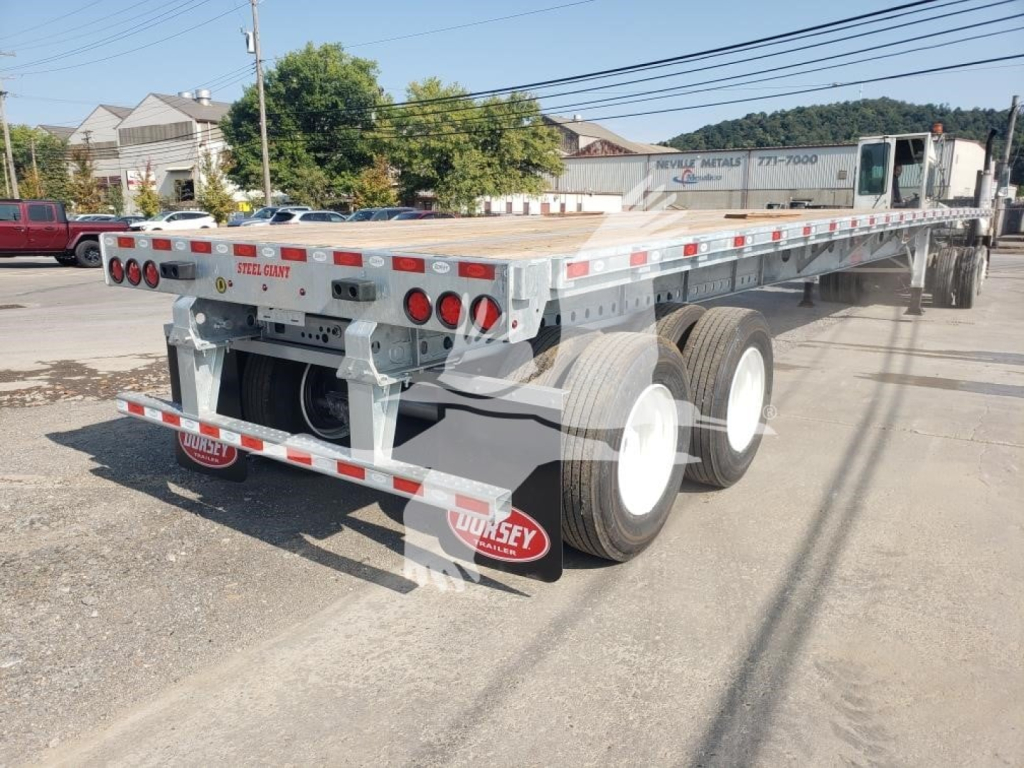
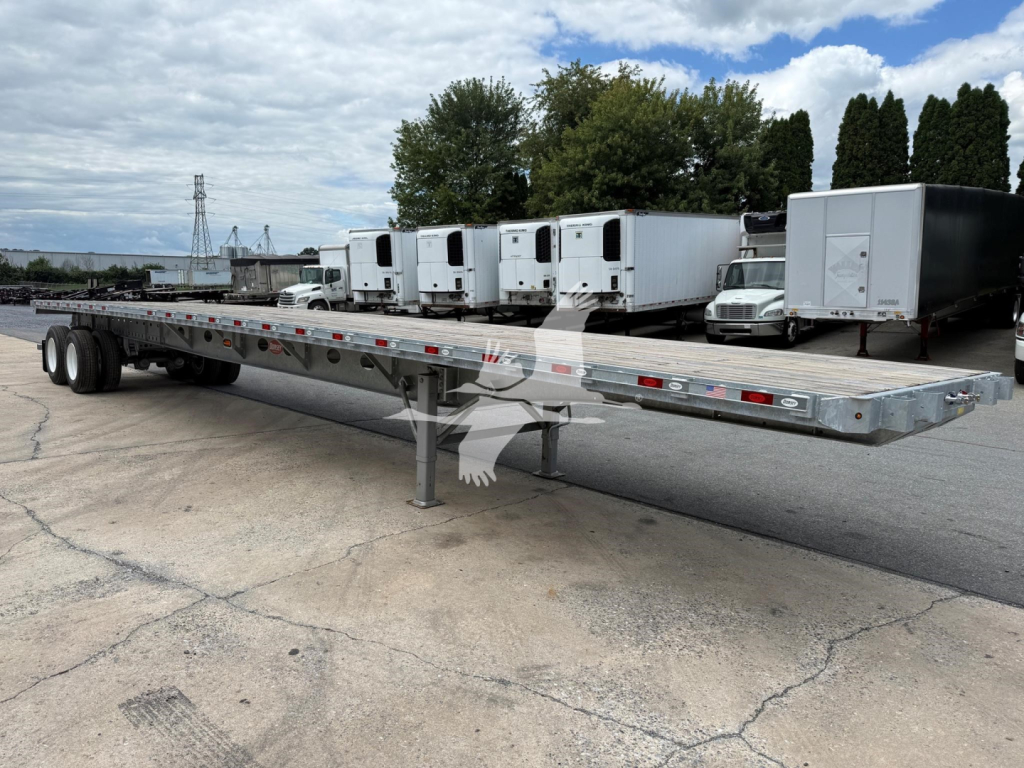
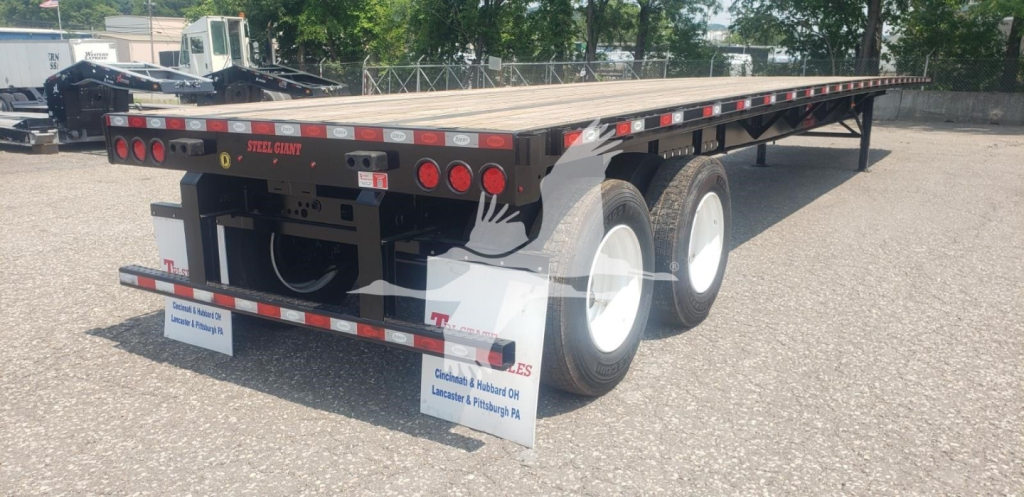
One of the first decisions is steel versus galvanized construction. A steel Dorsey flatbed is the familiar fleet spec and usually keeps acquisition cost down while delivering the deck strength most open-deck operations need. A galvanized Dorsey flatbed can make a strong case in northern states because the coating helps resist corrosion on crossmembers, side rails, and other exposed structure. Many new Dorsey flatbeds in this class use Apitong flooring, commonly 1 1/8-inch or heavier, which remains a preferred deck material for forklifts, concentrated loads, and repeated securement work. Details like a 6-inch structural channel side rail, roadside winch track, double pipe spools, and sliding winches are worth comparing closely because they directly affect how quickly the trailer can be loaded and secured.
Suspension spec should match the freight and lanes. Spring ride models are simple, proven, and often favored for lower maintenance and rugged regional use. Air ride flatbeds, especially with Hendrickson-style slider setups and dump valves, are a better fit for carriers hauling freight that benefits from a smoother ride or for operations that frequently fine-tune axle position to manage bridge law and weight distribution. A 49-inch sliding tandem or spread slider gives the flexibility many buyers want when balancing axle weights across different commodities. Tire size, wheel type, landing gear brand, sealed harnesses, and light packages may sound routine, but they matter on flatbeds that spend their lives exposed to weather, vibration, and constant loading.
A good new Dorsey flatbed trailer is less about flashy options and more about matching deck, suspension, corrosion protection, and securement layout to the work. Buyers should pay close attention to trailer tare weight, deck height, number of sliding winches, side rail strength, and whether the trailer has a bulkhead or open front design. If the freight mix includes coils, bundled steel, palletized building products, or oversized equipment, the right flatbed spec can improve legal payload, reduce securement time, and hold up better over years of hard service. Dorsey flatbeds are also commonly referred to simply as flatbed trailers or open deck trailers, and the best spec is the one that fits the freight first, then the route, then the maintenance environment.
Frequently Asked Questions about New Dorsey Flatbed Trailers in Pennsylvania
What size and configuration are most new Dorsey flatbed trailers built in?
Most new Dorsey flatbed trailers in this category are 48 feet long and 102 inches wide with tandem axles. Common specs include an 80,000 lb GVWR, 30-inch kingpin setting, 12-inch crossmember spacing, and a sliding tandem suspension. That configuration fits a broad range of general flatbed freight and gives carriers flexibility for weight distribution and bridge compliance.
Is a galvanized Dorsey flatbed better than a painted steel flatbed?
A galvanized Dorsey flatbed can be a smart upgrade for operations running in Pennsylvania and other northern markets where trailers see road salt, wet winters, and year-round exposure. Galvanized structural components help slow corrosion and can improve long-term appearance and durability. Painted steel flatbeds still make sense for many fleets because they are proven, straightforward to repair, and often more economical up front.
Should I choose air ride or spring ride on a Dorsey flatbed trailer?
Air ride is usually the better choice when the freight is sensitive to shock, when axle position needs to be adjusted often, or when ride quality is a priority for the customer. Spring ride remains popular because it is simple, durable, and familiar to many maintenance shops. The right choice depends on the freight mix, road conditions, and how much value the operation places on ride quality versus simplicity.
Why does Apitong flooring matter on a flatbed trailer?
Apitong is widely used on flatbeds because it handles repeated forklift traffic, concentrated loads, and daily securement work better than many lighter wood options. It is dense, durable, and well suited for steel, machinery, lumber, and construction materials. Buyers should still inspect floor thickness, condition, and how the deck is supported by the crossmember layout because the full deck system matters, not just the wood species.
What securement features should buyers compare on a new Dorsey flatbed?
The most important securement features usually include winch track location, number of sliding winches, pipe spool arrangement, side rail construction, and lighting visibility along the rail. A roadside winch track with enough sliding winches can speed up loading and securement across different freight profiles. Strong side rails and a practical spool layout matter just as much because they affect how efficiently chains, straps, and binders can be staged and used in real work.