
New 2027 Dorsey Flatbed Trailers For Sale
Shop new 2027 Dorsey flatbed trailers with common specs, payload features, deck options, and hauling applications for general freight.
Selling a new 2027 dorsey flatbed trailer? List your new 2027 dorsey flatbed trailer for sale and reach thousands of commercial buyers.
New 2027 Dorsey Flatbed Trailers
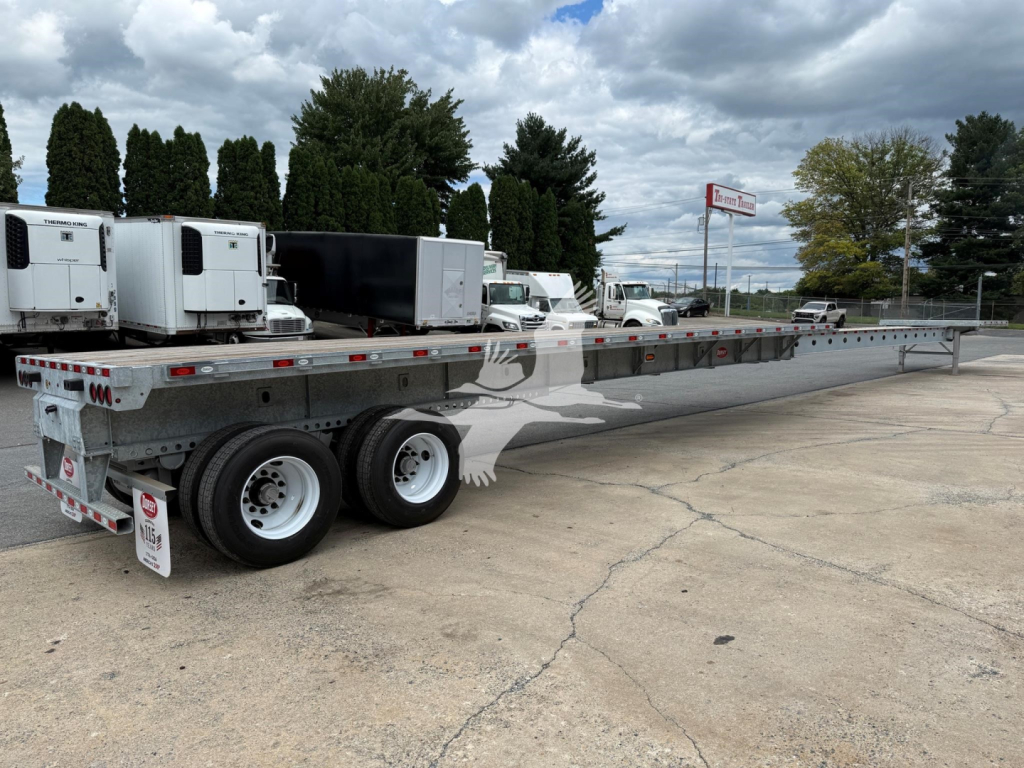
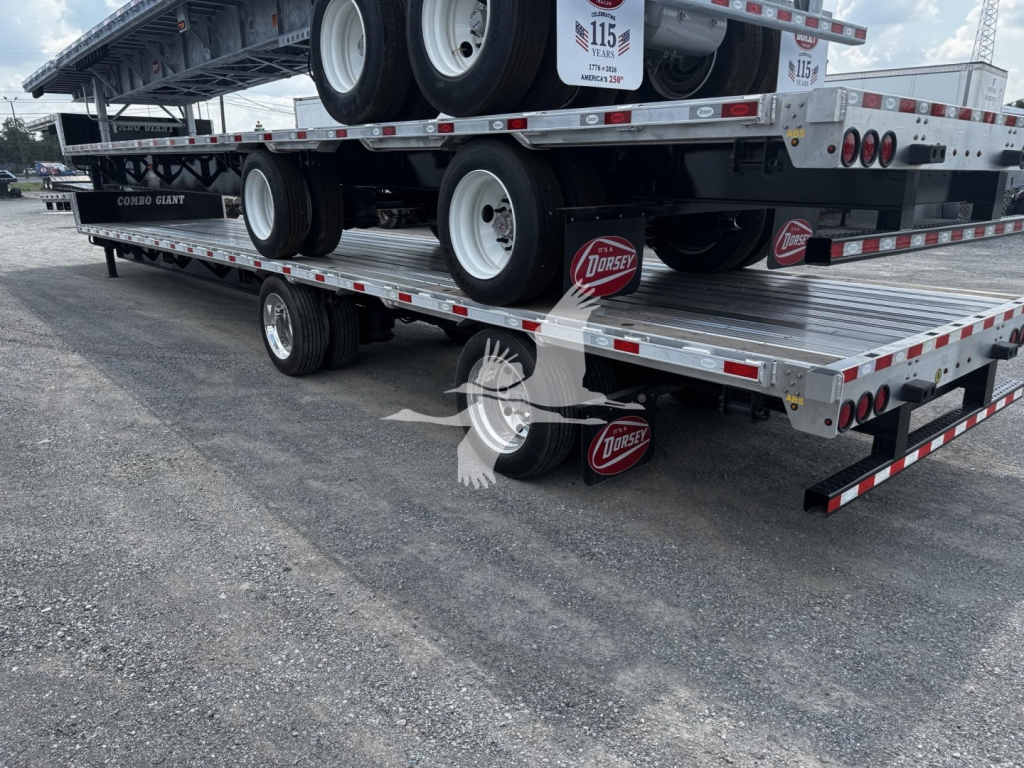
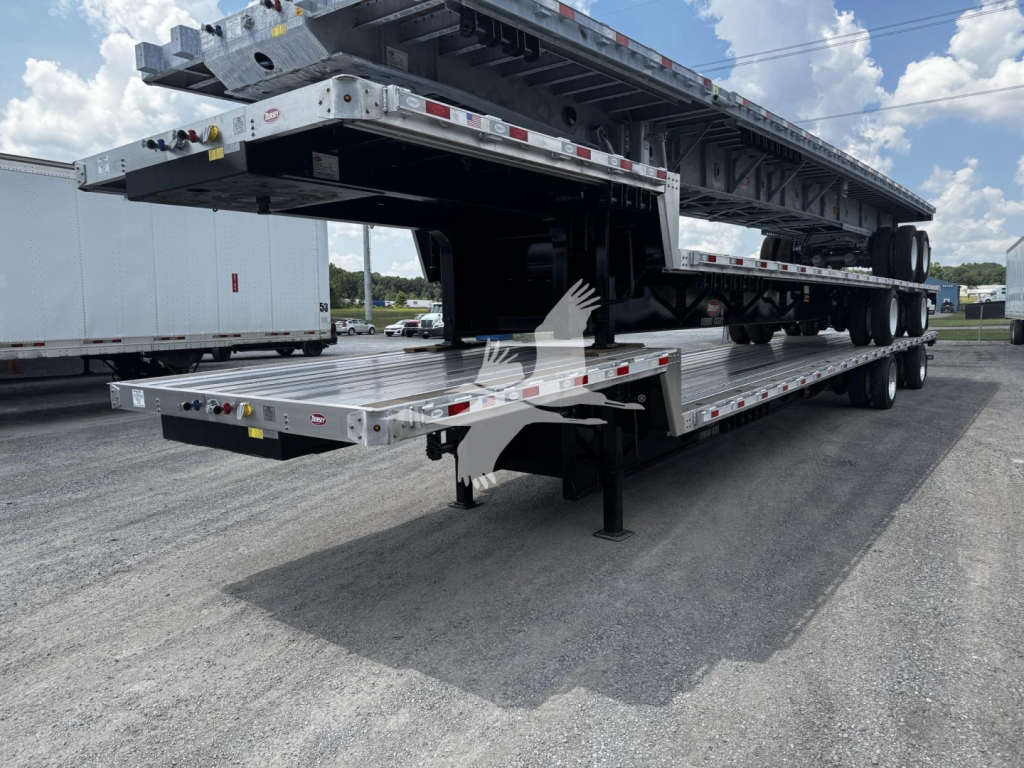
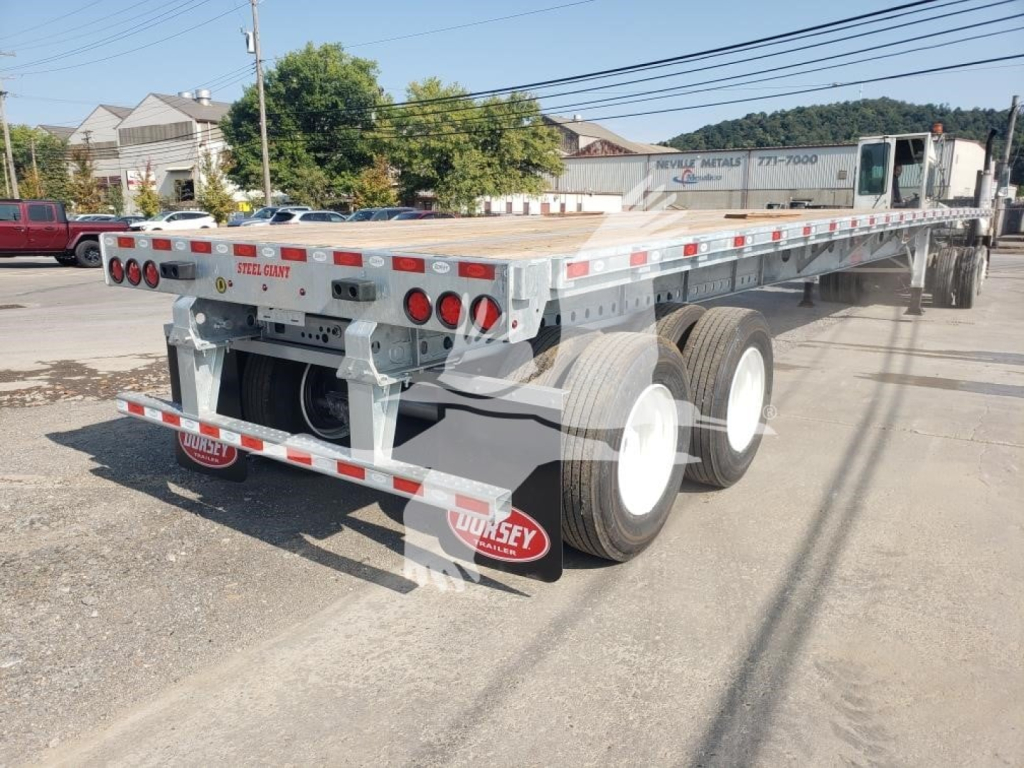
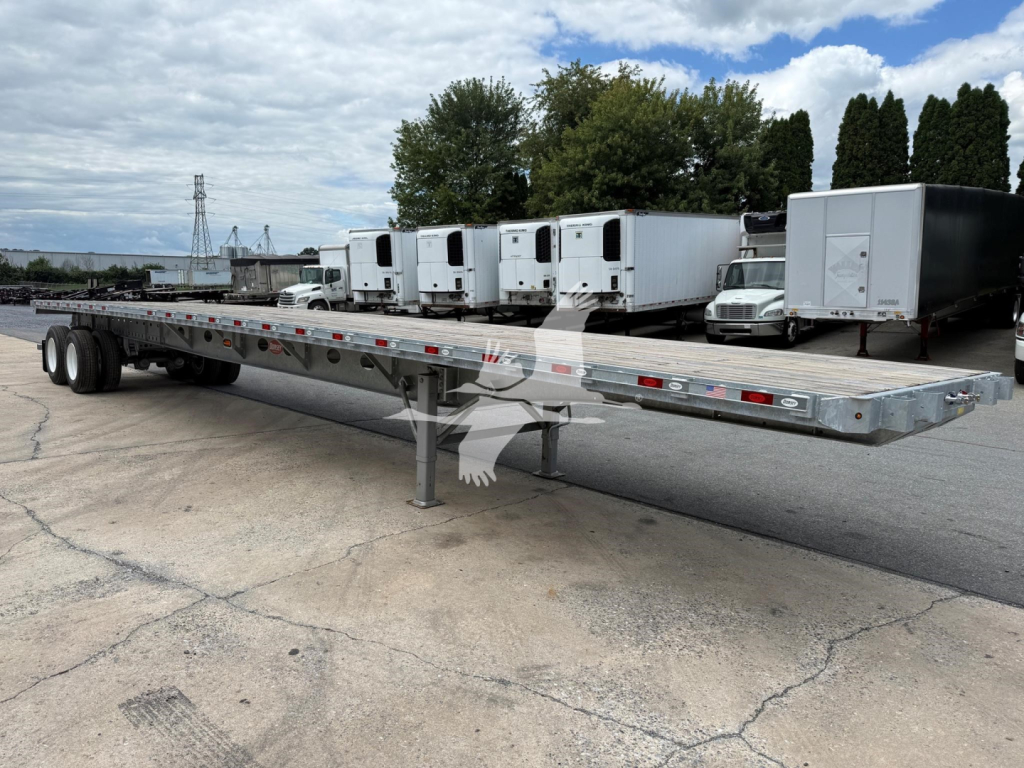
A lot of buyers start with the deck and frame. Apitong flooring remains a popular choice because it holds up well under forklifts, concentrated point loads, and daily chain-and-strap work. Common construction details in this class include 12-inch crossmember spacing, structural steel side rails, double pipe spools, roadside winch tracks, and sliding winches for flexible tie-down placement. Kingpin settings around 24 to 30 inches and 49-inch sliding tandems are also typical, giving operators room to balance bridge laws and axle weight distribution. If the freight mix includes coils, machinery, or dense palletized freight, side rail strength, crossmember spacing, and rated concentrated load capacity matter more than just trailer tare weight.
Suspension choice affects both ride quality and maintenance strategy. Spring ride flatbeds are still common because they are simple, durable, and familiar to most shops. Air ride versions are often preferred for freight that benefits from reduced vibration, and they can help protect more sensitive loads. Tire size in this segment is commonly 295/75R22.5, with steel hub-piloted wheels and standard two-speed landing gear from suppliers like Jost. Buyers comparing new Dorsey flatbed trailers should also look closely at lighting harness quality, hub specification, dump valve setup on air ride units, and how the tandem slider is configured for daily use.
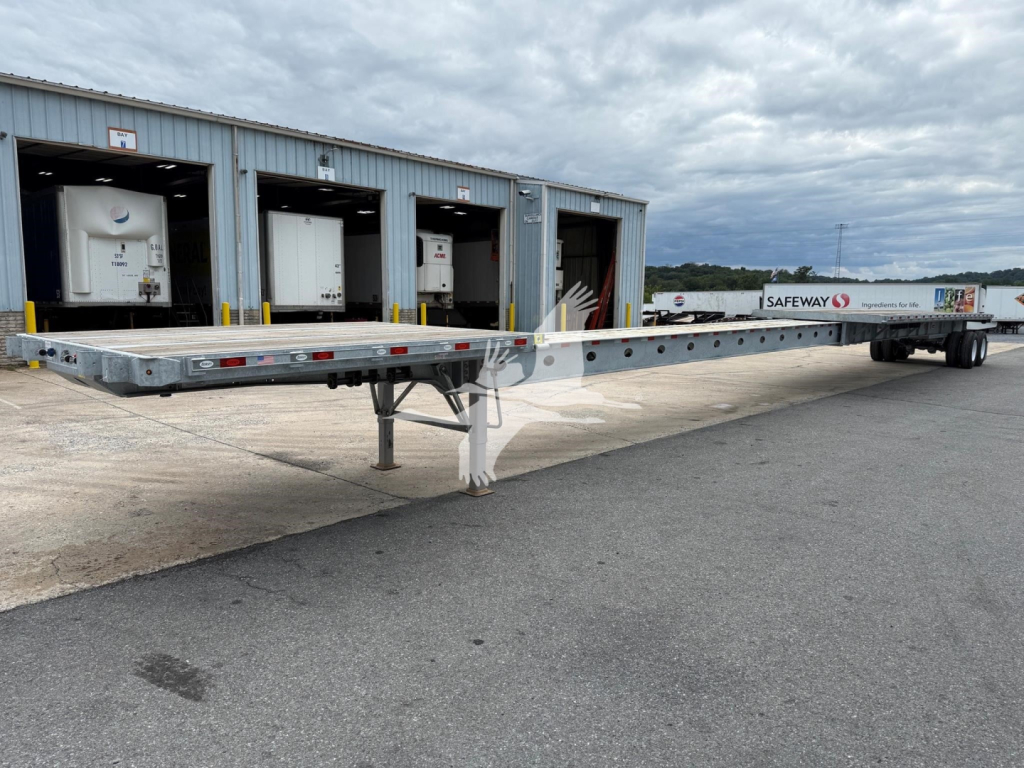
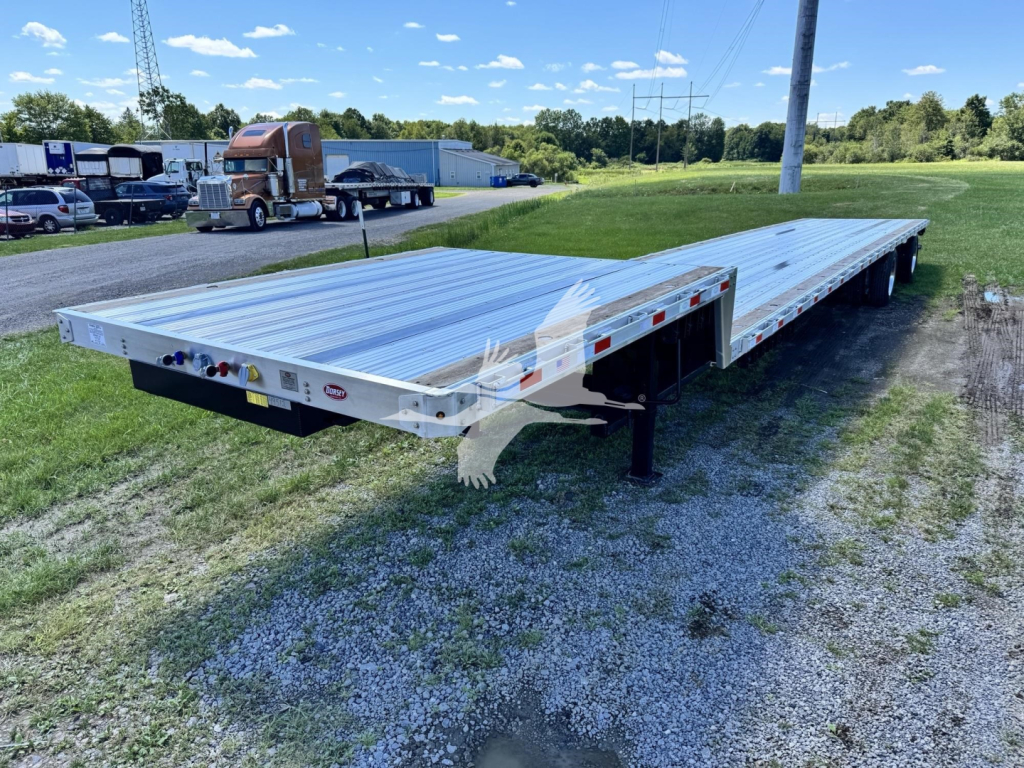
Galvanized construction is a major point of interest in this category, especially for operators in snow-belt states, coastal areas, or any application where road chemicals accelerate corrosion. A fully galvanized trailer can offer a longer service life and stronger resale appeal than a painted frame in harsh environments. Standard flatbeds handle a broad range of freight, while extendable Dorsey models add flexibility for longer loads such as steel, precast, pipe, and structural components. If the job regularly involves overlength freight, an extendable flatbed can reduce the need to source a specialized trailer later. Buyers should match trailer length, suspension type, securement package, and finish to the lanes they run and the freight they haul most often.
Frequently Asked Questions about New 2027 Dorsey Flatbed Trailers
What are the most common specs on a new Dorsey flatbed trailer?
Common specs in this category include a 48-foot deck, 102-inch width, tandem axles, a 49-inch sliding tandem, and an 80,000 lb GVWR. Many units are built with Apitong flooring, 12-inch crossmember spacing, roadside winch tracks, sliding winches, and steel or galvanized structural components. Tire size is often 295/75R22.5, and kingpin settings frequently fall in the 24-inch to 30-inch range. Exact spec priorities depend on freight density, loading method, and regional bridge requirements.
Is a galvanized flatbed trailer worth it?
A galvanized flatbed can be a smart long-term choice for buyers operating in wet climates, northern states, or corrosive road conditions. Galvanizing helps resist rust on the frame, crossmembers, and side rails, which can reduce cosmetic deterioration and slow structural corrosion over time. It may also help resale value if the trailer is kept in service for several years. Buyers in dry climates or lower-hour applications may find painted trailers perfectly suitable, but corrosion protection becomes more important as trailer age and exposure increase.
Should I choose spring ride or air ride on a flatbed trailer?
Spring ride is a common choice because it is straightforward, durable, and generally less complex to maintain. Air ride is often preferred when load protection and ride quality matter more, especially for machinery, finished products, or freight that does not respond well to vibration. The right choice depends on the cargo mix, maintenance preferences, and operating environment. For many general freight applications, either setup works well when the trailer is spec'd correctly.
What is the advantage of an extendable flatbed trailer?
An extendable flatbed gives the operator the ability to handle longer freight without committing every load to a fixed-length deck. This is useful for steel products, pipe, trusses, precast, and other overlength cargo that may not fit efficiently on a standard 48-foot flatbed. It adds versatility, but buyers should also consider tare weight, maintenance on the extension system, and whether their freight mix justifies the extra capability. For operations with recurring long-load work, an extendable trailer can be more practical than relying on outside equipment.
What securement features should buyers focus on in a flatbed trailer?
The securement package affects daily efficiency as much as the frame and suspension. Buyers should pay attention to winch track placement, number of sliding winches, pipe spool arrangement, side rail strength, and deck construction. These details influence how easily the trailer can handle chains, straps, edge protectors, and mixed freight sizes. A flatbed used for steel, machinery, or dense industrial cargo needs a securement layout that matches the real load profile, not just a basic general freight setup.