
New Dorsey Flatbed Trailers For Sale in Ohio
Shop new Dorsey flatbed trailers in Ohio, including combo drop and extendable models with aluminum, steel, and heavy-haul spec options.
Have new dorsey flatbed trailer to sell? List it here to reach thousands of buyers.
New Dorsey Flatbed Trailers in Ohio
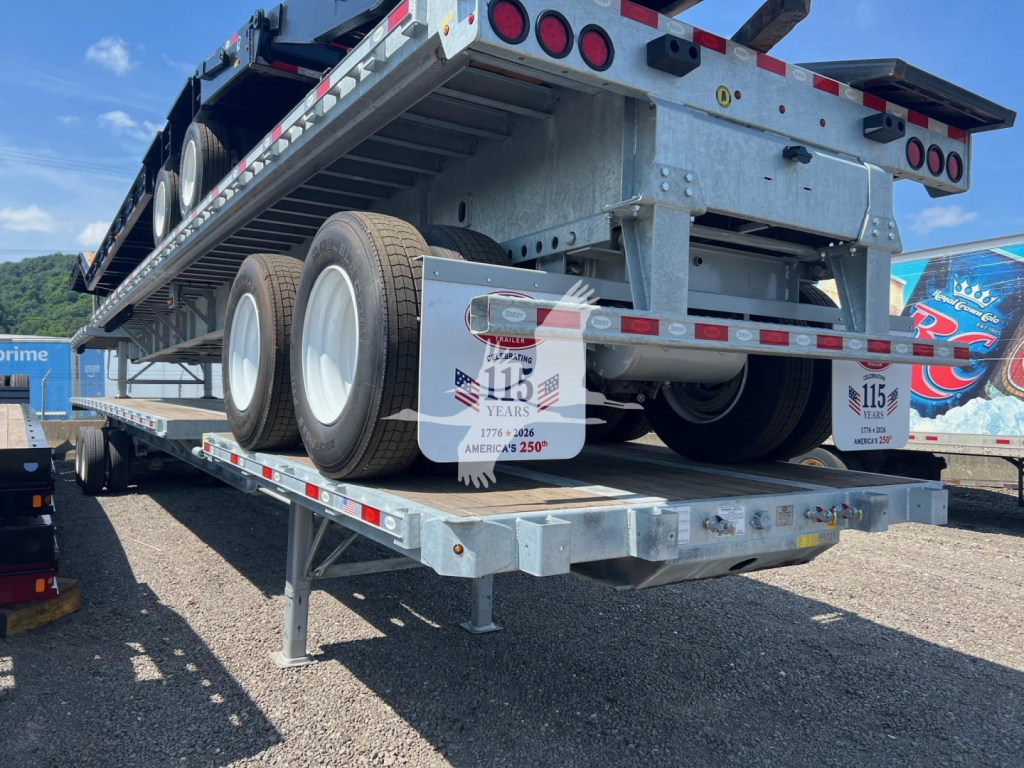
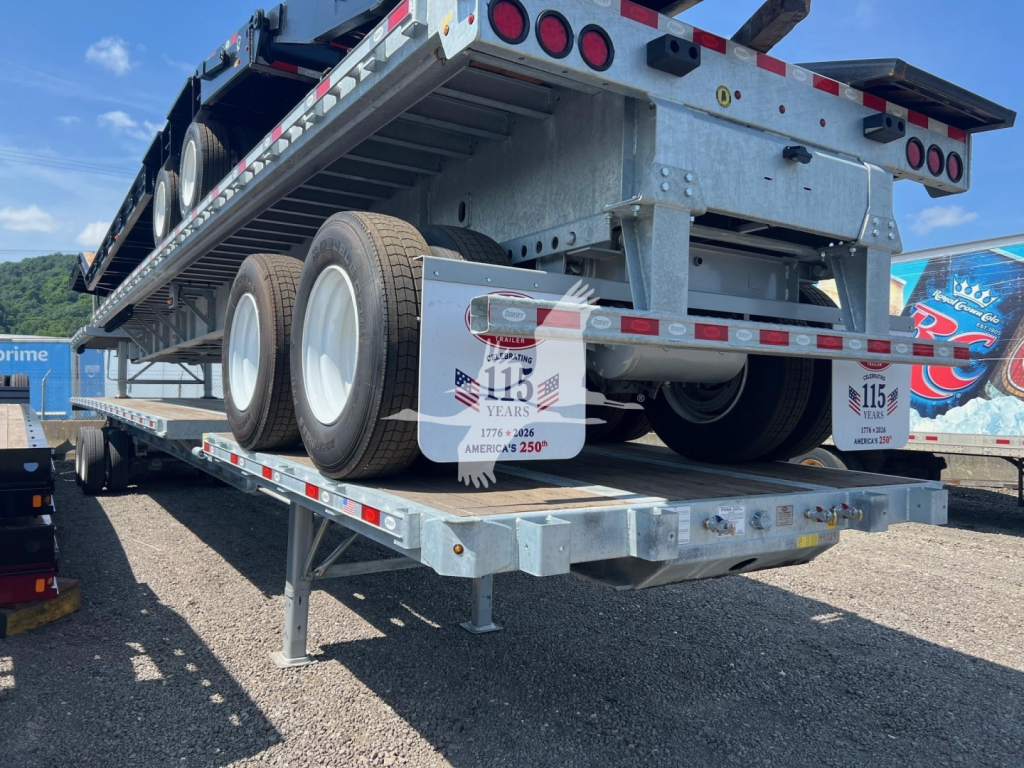
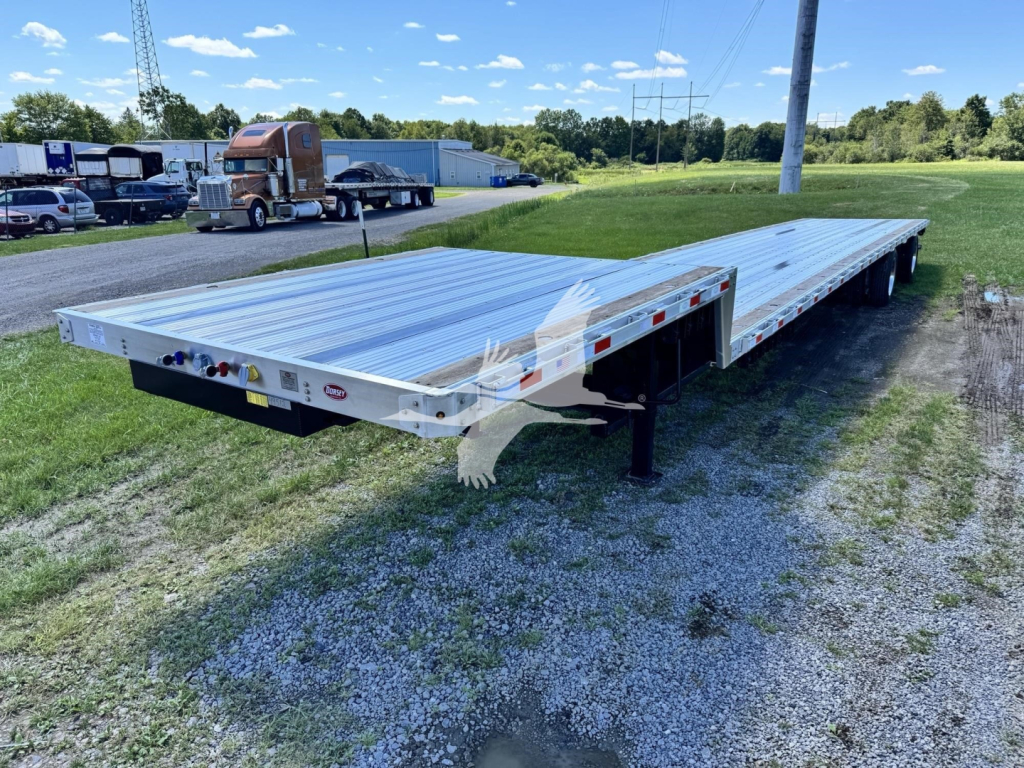
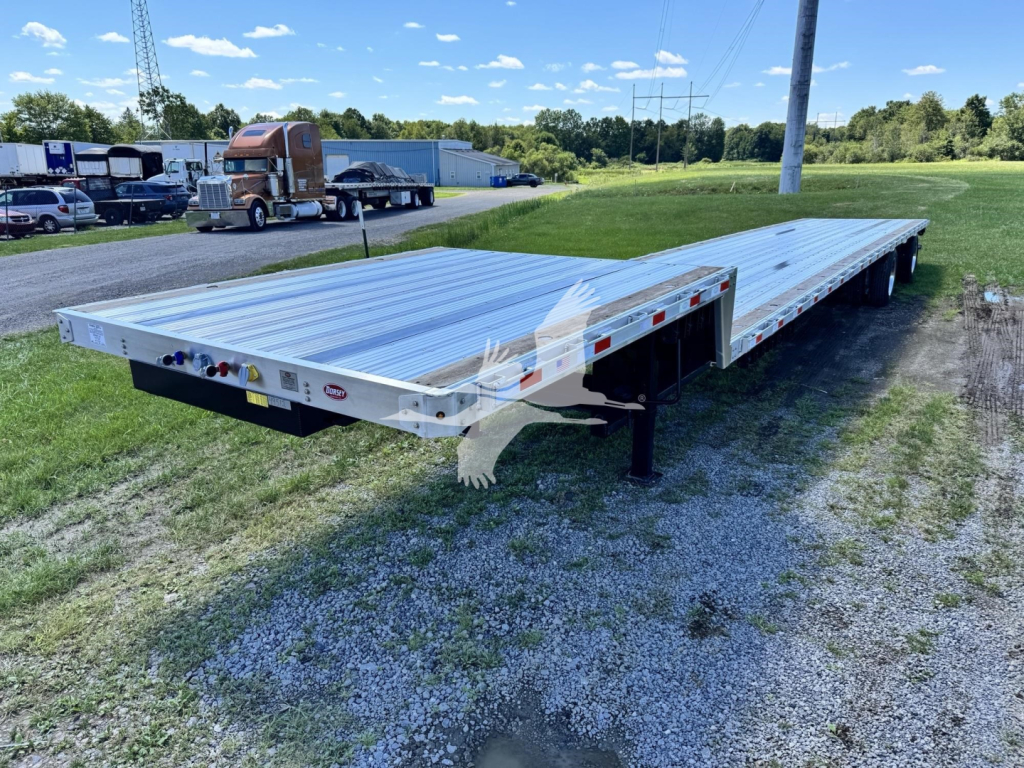
Dorsey is well known for practical specs that work in day-to-day freight. Common configurations in this category include 53-foot combo drop models with a 10-foot upper deck and 43-foot lower deck, along with extendable trailers that stretch from 48 feet to 80 feet. Buyers should compare flooring, rail material, and crossmember spacing closely. Aluminum floors and aluminum side rails help reduce trailer weight and protect payload capacity, while Apitong floors remain a strong choice for concentrated load points and mixed cargo. Crossmember spacing matters for durability under forklifts, coils, and uneven deck loading, especially when paired with coil packages, stub crossmembers, and reinforced main deck sections.
Securement and running gear deserve just as much attention as deck length. Many Dorsey flatbeds are equipped with winch tracks, sliding winches, pipe spools, chain tiedowns, and nailing strips that make the trailer more versatile across different commodities. Tandem settings and kingpin settings affect bridge compliance, axle loading, and tractor compatibility, so those numbers should be reviewed against the lanes and states the trailer will run most often. Air ride suspension is typically preferred for ride quality and more sensitive freight, while spring ride can be attractive for simplicity and long-term durability. Tire size, wheel material, landing gear brand, and galvanized versus painted construction also influence maintenance cost over time.
For Ohio buyers, trailer spec often comes down to freight mix and route profile. Regional steel, lumber, machinery, and construction freight can call for a heavier securement package, a coil package, or an extendable deck with a sliding tandem. Buyers running taller legal-height freight often lean toward combo drop trailers because a lower main deck can make the difference between standard operation and permit territory. Buyers focused on corrosion resistance may prefer galvanized steel components or fully galvanized extendable models, especially when trailers see year-round road treatment and weather exposure. The right new Dorsey flatbed is usually the one that matches deck height, weight, securement layout, and axle configuration to the freight before the first load is booked.
Frequently Asked Questions about New Dorsey Flatbed Trailers in Ohio
What is the difference between a Dorsey flatbed and a Dorsey combo drop trailer?
A standard flatbed has a continuous deck height from front to rear, while a combo drop trailer has an upper deck and a lower main deck. The lower deck on a combo drop, often called a step deck, allows taller freight to move legally without exceeding height limits. That makes combo drop models a better fit for machinery, crated equipment, and other freight that would sit too high on a standard flatbed.
When does an extendable Dorsey flatbed make sense?
An extendable flatbed is the right choice when freight length changes from load to load and a fixed 48-foot or 53-foot deck is too limiting. These trailers are commonly used for steel products, long construction materials, poles, and oversize loads that need added deck length. Buyers should also consider tandem slide range, kingpin setting, and weight distribution because those factors become more important as trailer length changes.
Which floor type is better on a flatbed trailer, aluminum or Apitong wood?
Aluminum flooring usually helps reduce trailer tare weight, which can increase legal payload. Apitong wood remains popular because it stands up well to general freight, concentrated contact points, and repeated forklift traffic. The better choice depends on the cargo mix, the importance of weight savings, and how the trailer will be loaded and unloaded in daily service.
Why do securement features matter so much on a new flatbed trailer?
Securement layout affects how many different types of freight a trailer can handle efficiently and legally. Features like winch tracks, sliding winches, chain tie-downs, pipe spools, and coil packages reduce the need for workarounds and speed up loading. A trailer with the right securement package is easier to dispatch across mixed freight because it is already set up for common flatbed cargo requirements.
What should Ohio buyers pay attention to when comparing new Dorsey flatbeds?
Ohio buyers should focus on corrosion resistance, freight type, and the roads and states the trailer will operate in. Galvanized components can be valuable where trailers see winter road treatment and year-round moisture. Buyers hauling steel coils, machinery, lumber, or overlength freight should also compare coil packages, deck height, tandem settings, and suspension type so the trailer matches both the cargo and the compliance demands of the route.