
New 2026 Flatbed Trailers For Sale
Shop new 2026 flatbed trailers with combo construction, air ride, coil packages, winch tracks, and specs built for general freight and steel.
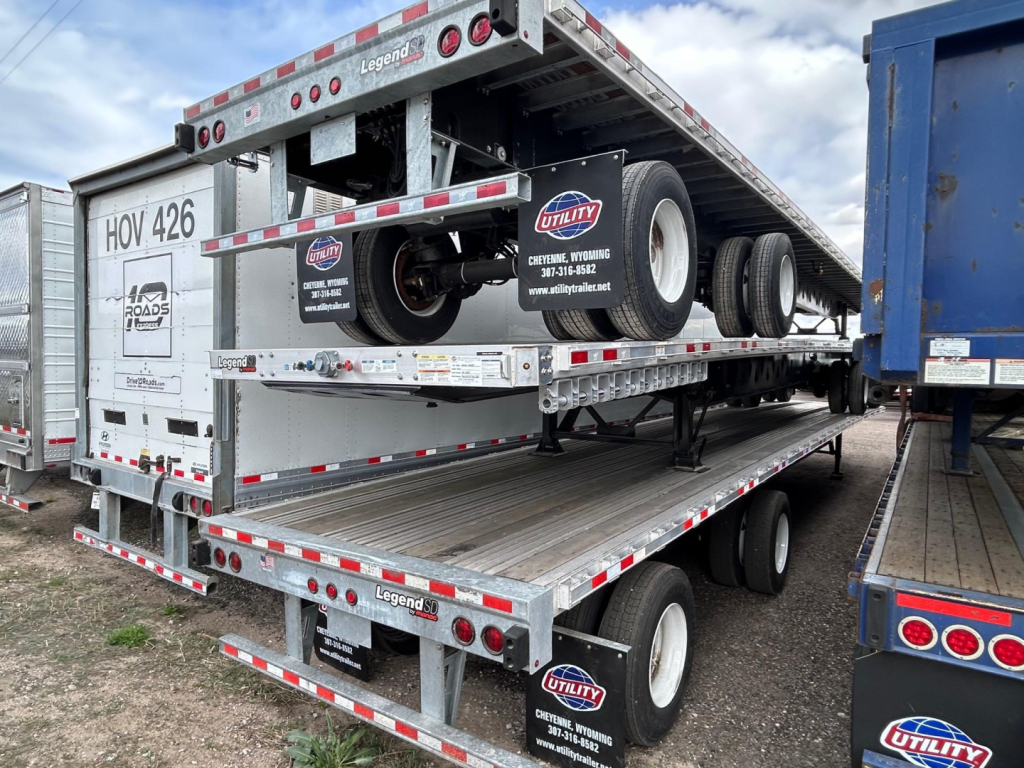
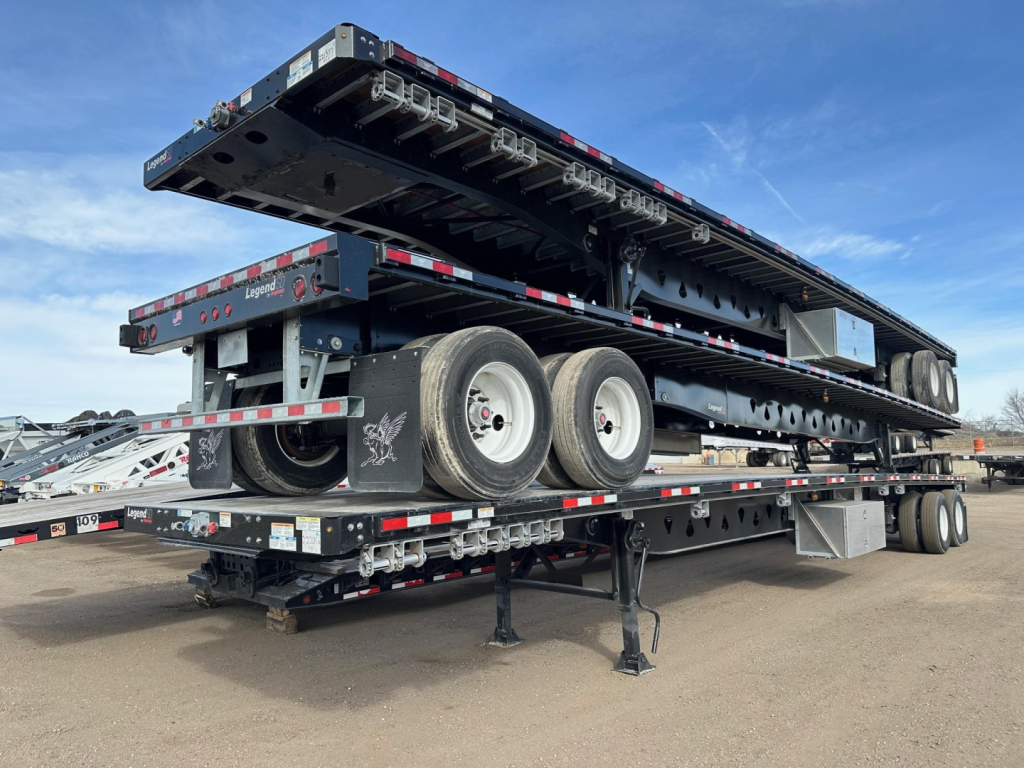
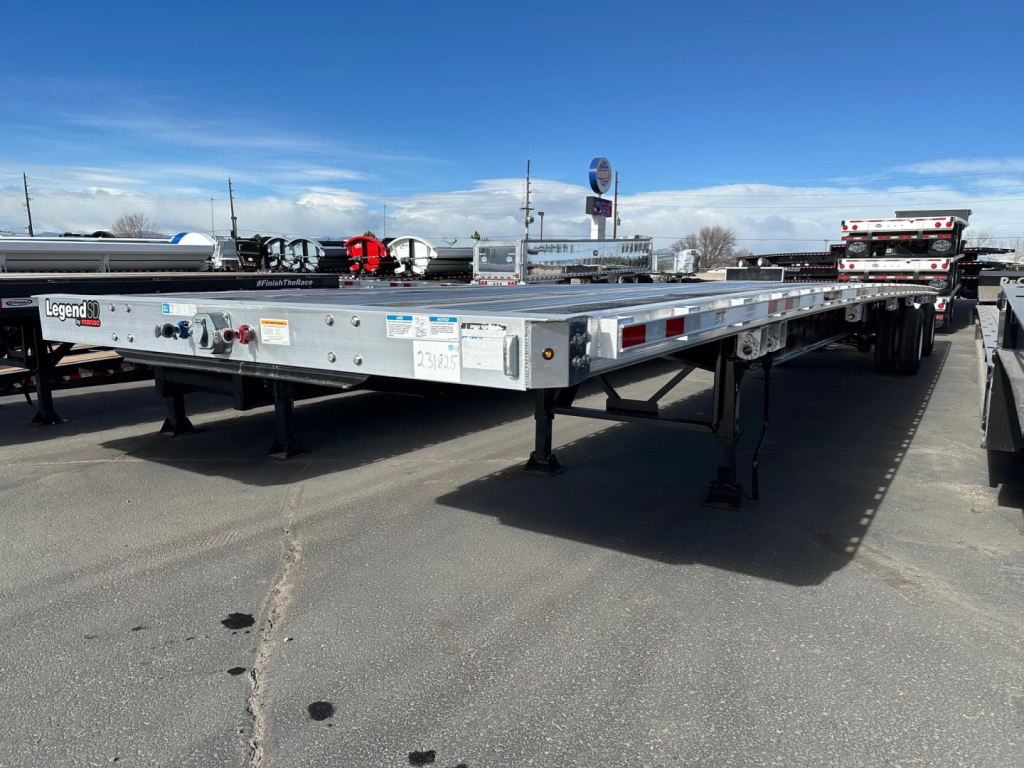
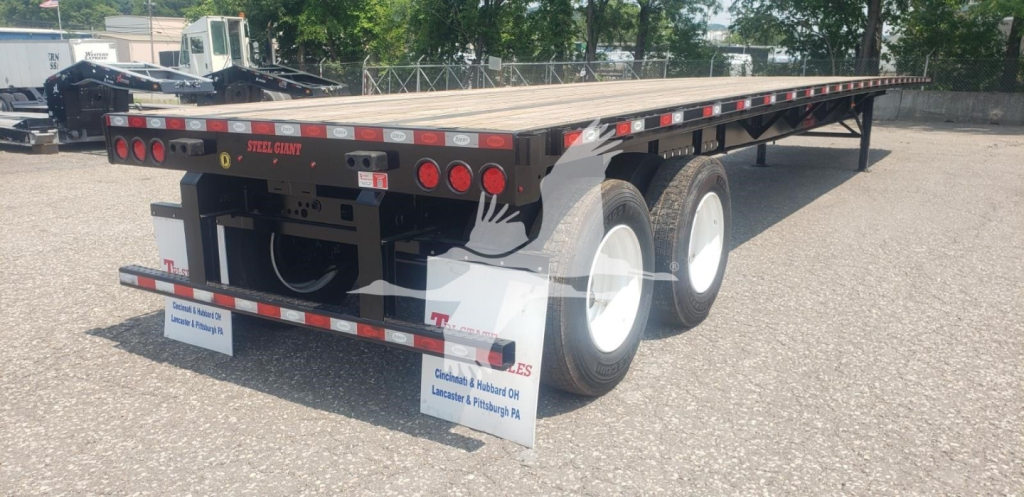
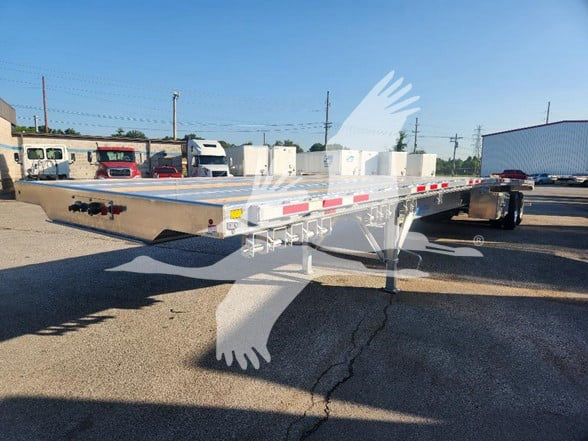
Selling a new 2026 flatbed trailer? List your new 2026 flatbed trailer for sale and reach thousands of commercial buyers.
New 2026 Flatbed Trailers
Deck and securement details matter more than the basic length on a modern flatbed trailer. Many 2026 models are spec'd with full-length winch tracks, sliding winches, stake pockets, double pipe spools, and pop-up or oval chain tie-downs to handle mixed freight without constant rework. Coil packages are especially common and can include added crossmembers, reinforced deck sections, and concentrated load ratings such as 47,000 pounds in a coil well or 55,000 to 60,000 pounds in 4 feet, depending on the build. Buyers hauling machinery, building products, steel, lumber, or palletized freight should pay close attention to crossmember spacing, nail strips, floor material, and side rail design because those details affect securement flexibility and long-term deck life.
Suspension and axle layout are just as important as frame construction. Spread-axle air ride remains a popular choice for ride quality, load distribution, and dock approach stability, with common settings around 10-foot 2-inch to 122-inch spread configurations. Rear axle dump valves, manual dump controls, and widespread tandems are frequently selected for maneuverability and weight transfer. Tire size, wheel material, and hub package also influence maintenance cost and empty weight. Kingpin setting, often around 30 inches on standard flats, should be matched to the tractors in the fleet to maintain bridge compliance and proper axle loading. Landing gear bracing, mud flap bracket placement, sealed harnesses, and LED lighting are small spec items that make a difference in daily service.
A buyer comparing new 2026 flatbed trailers should focus on freight profile first, then match the trailer to the lanes and securement practices. General freight operations usually prioritize lighter combo specs with versatile winch and stake pocket layouts. Steel and dense commodity haulers often move toward heavier coil packages, 12-inch crossmember centers, and stronger concentrated load ratings. Fleets running in harsh weather or high-cycle loading environments may prefer heavier-duty side rails, reinforced rear structures, and premium suspension components for longer service life. Flatbed trailers are also commonly called open deck trailers or standard platform trailers, but the best spec comes down to how often the trailer sees coils, tarped freight, forklifts, and uneven jobsite conditions.
Frequently Asked Questions about New 2026 Flatbed Trailers
What is the most common size for a new flatbed trailer?
The most common standard flatbed trailer size is 48 feet long by 102 inches wide. That size works across a broad range of general freight, steel, building materials, and machinery while staying compatible with common legal load requirements and dock access. Some buyers also consider 53-foot flats for specific operations, but the 48-foot platform remains the benchmark for versatility, weight, and resale.
What is the difference between an aluminum, combo, and steel flatbed trailer?
An aluminum flatbed is typically the lightest option and is chosen when maximum payload is the priority. A combo flatbed uses a mix of steel and aluminum, often with steel main structural components and aluminum deck or rails, to balance strength and tare weight. An all-steel flatbed is generally heavier but may be preferred for severe-duty applications, concentrated loads, or operations that prioritize ruggedness over every pound of payload.
Why does a coil package matter on a flatbed trailer?
A coil package reinforces the trailer deck and structure for concentrated weight from steel coils and other dense freight. It often includes additional crossmembers, reinforced load zones, and securement features designed to handle heavy point loading safely. Even if coils are not hauled every day, a coil-rated trailer can add flexibility for steel, plate, and other compact heavy commodities, but that added capacity usually comes with more tare weight.
Is air ride suspension standard on new flatbed trailers?
Air ride suspension is very common on new flatbed trailers because it improves ride quality, helps protect freight, and supports more consistent load handling. Many buyers also want a spread-axle air ride setup with dump valves for better maneuverability and weight transfer. Suspension choice should be matched to freight type, axle spread requirements, and the operating environment because ride quality, maintenance intervals, and tire wear can vary by spec.
What securement features should buyers look for on a 2026 flatbed trailer?
The right securement package depends on the freight mix, but most buyers look for full-length winch tracks, enough sliding winches, stake pockets, chain tie-downs, and pipe spools. Nail strips, pop-up chain ties, and reinforced side rails are also important if the trailer regularly handles tarped freight, bundled materials, or steel. A trailer that is easy to reconfigure between loads usually reduces loading time and gives the operation more flexibility across different shippers.