
New 2026 Flatbed Trailers For Sale in Pennsylvania
Shop new 2026 flatbed trailers in Pennsylvania. Compare aluminum and steel specs, axle setups, flooring, suspension, and load securement options.
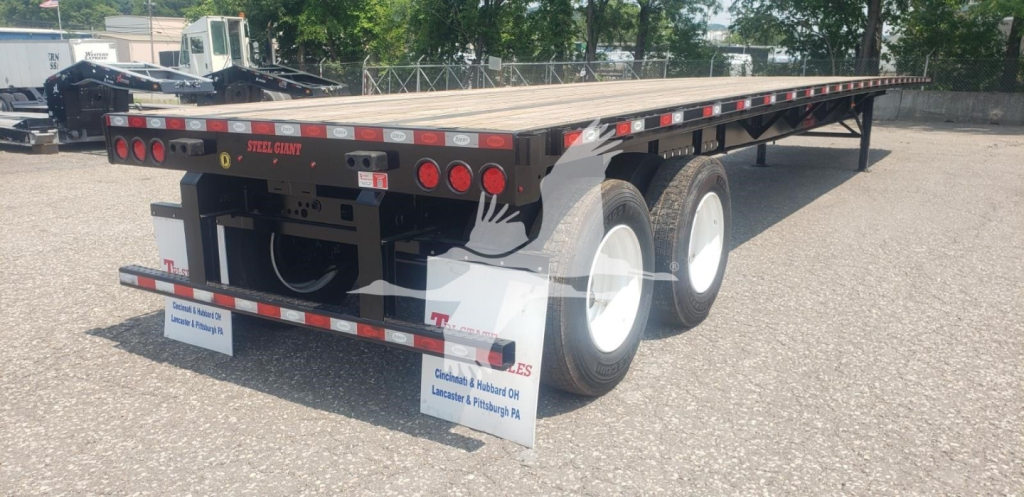
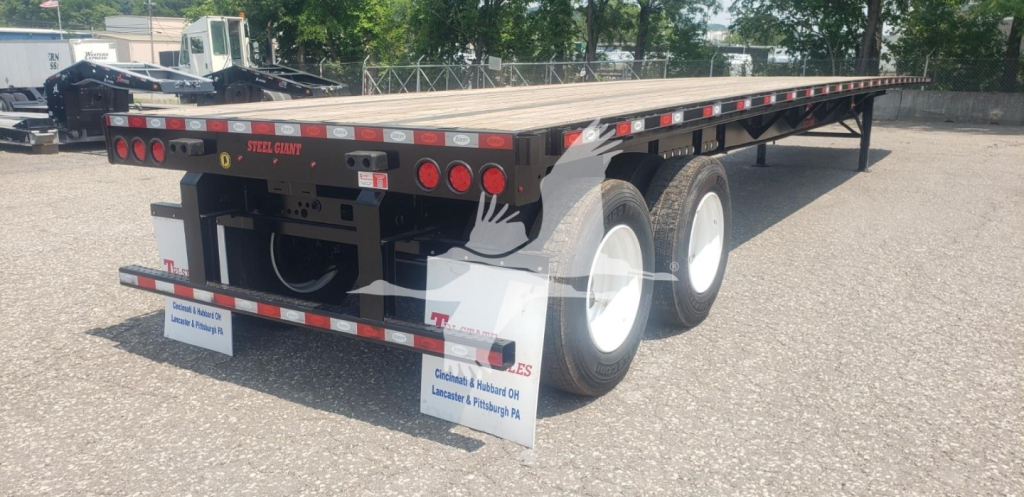
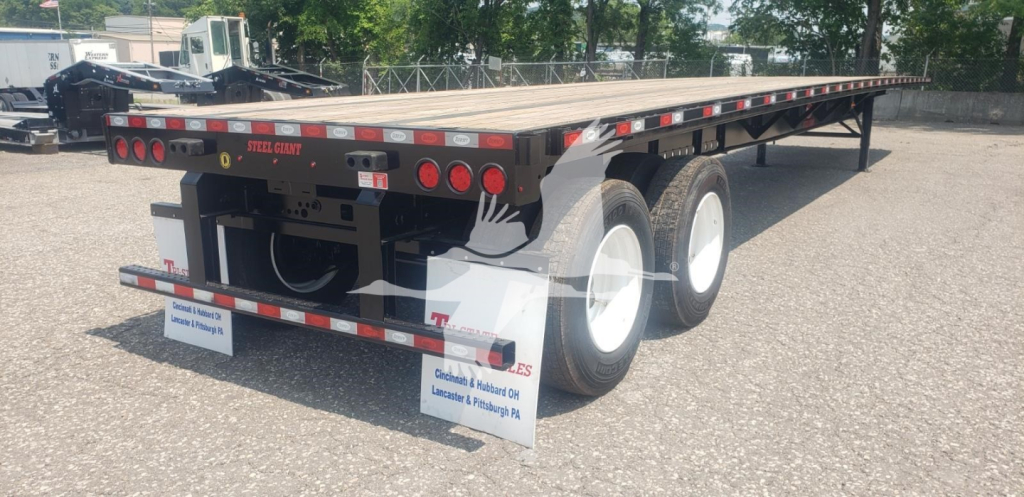
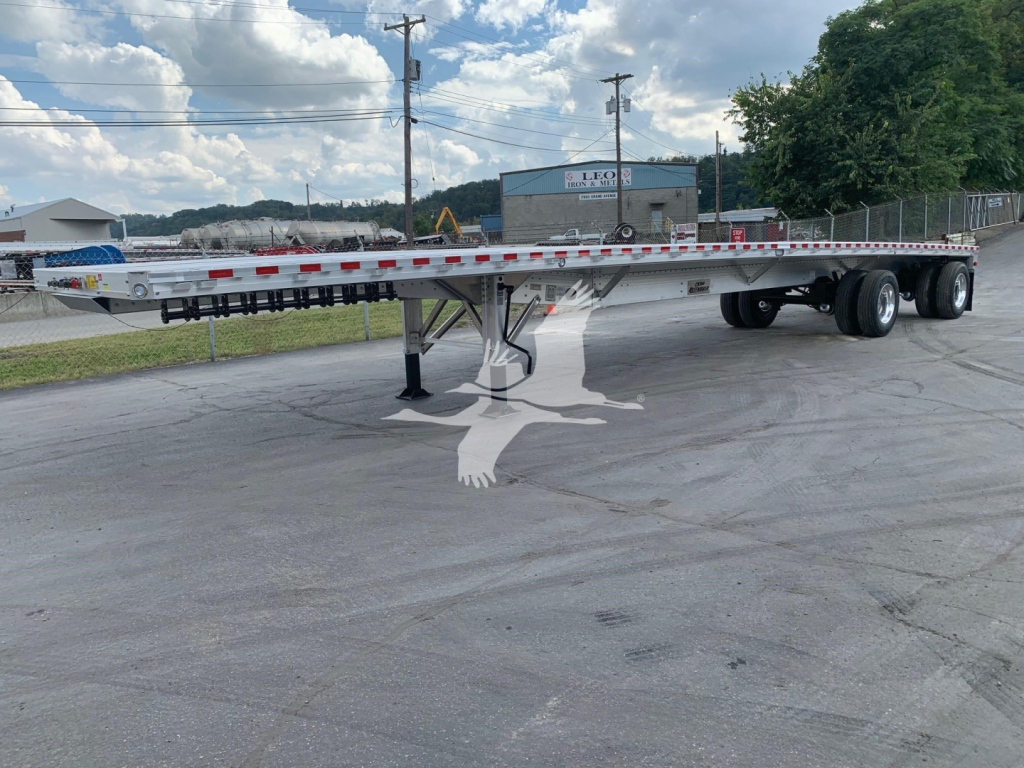
Have new 2026 flatbed trailer to sell? List it here to reach thousands of buyers.
New 2026 Flatbed Trailers in Pennsylvania
Frequently Asked Questions about New 2026 Flatbed Trailers in Pennsylvania
What length and width are most common on new flatbed trailers?
The most common flatbed trailer size is 48 feet or 53 feet long and 102 inches wide. A 48-foot flatbed remains popular for general freight and straightforward axle compliance, while 53-foot aluminum flatbeds are common when buyers want maximum deck space with lower trailer weight. Extendable flatbeds are a separate option for longer freight such as steel, pipe, and structural material.
Should I choose an aluminum or steel flatbed trailer?
Aluminum flatbeds generally offer lower empty weight, better payload potential, and strong corrosion resistance. Steel flatbeds usually cost less upfront and are often selected for demanding service where buyers value a traditional heavy-duty structure. The right choice depends on your freight mix, target payload, maintenance plan, and how long you expect to keep the trailer in service.
Is air ride better than spring ride on a flatbed trailer?
Air ride is commonly chosen for better ride quality, improved cargo protection, and easier handling across mixed road conditions. It is especially useful for freight that benefits from reduced vibration and for operations that want more flexibility with dump valves and sliding suspension setups. Spring ride remains a practical option for buyers who want mechanical simplicity and a lower-cost specification.
What deck and securement features matter most on a flatbed?
Deck material, crossmember spacing, winch track layout, sliding winch count, pipe spools, and coil package options all directly affect how useful a flatbed is day to day. Apitong flooring is still a common choice for durability and traction, while aluminum flooring helps reduce weight. Buyers hauling steel coils, pipe, lumber, or machinery should match the deck structure and tie-down package to the actual freight instead of treating all flatbeds as interchangeable.
What should Pennsylvania buyers pay attention to when specing a new flatbed trailer?
Pennsylvania buyers should pay close attention to corrosion resistance, suspension type, axle spread or sliding tandem configuration, and legal bridge compliance for the lanes they run most often. Galvanized components, sealed wiring, durable lighting, and quality landing gear can make a meaningful difference in year-round service. It also helps to review kingpin setting, suspension setting, and concentrated load ratings so the trailer fits both the tractor and the freight.