
New 2026 Reefer Trailers For Sale
Shop new 2026 reefer trailers for sale. Compare 53' refrigerated trailers, TRU options, axle setups, insulation, floors, and California-legal specs.
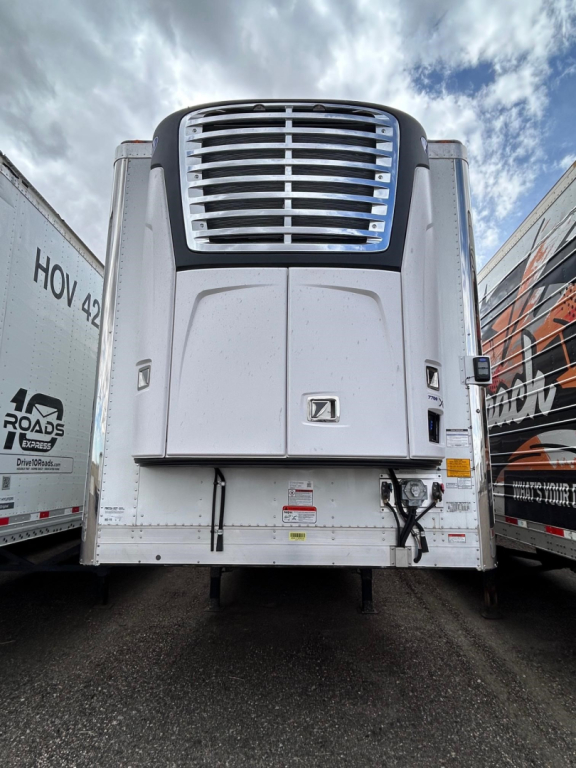
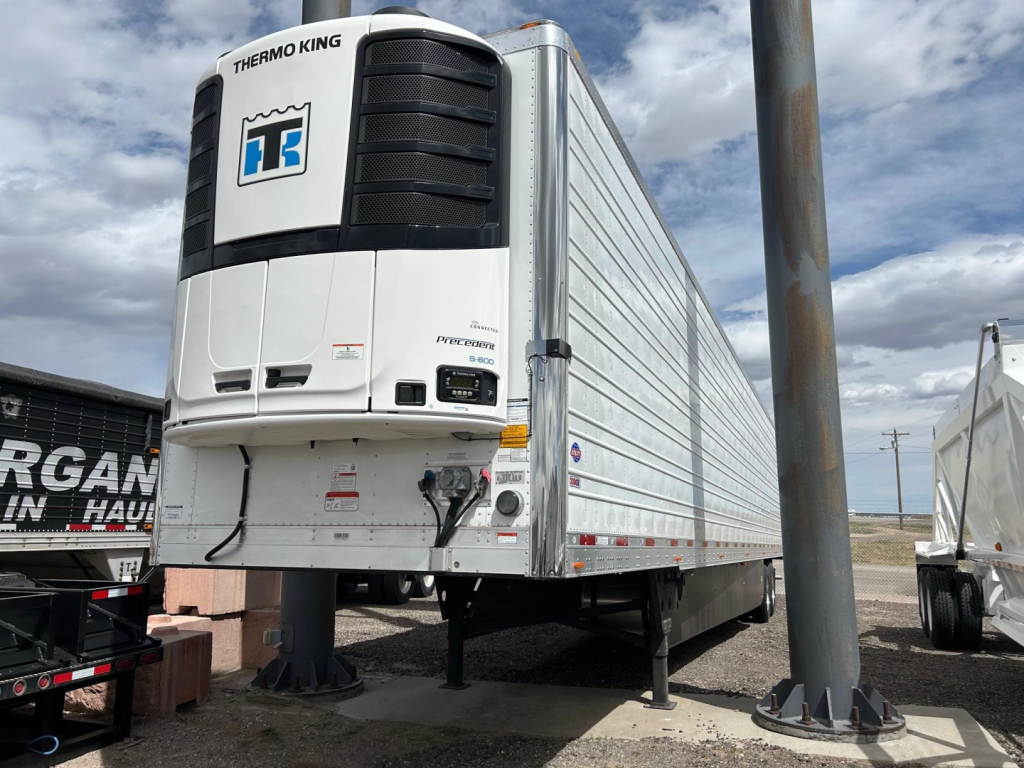
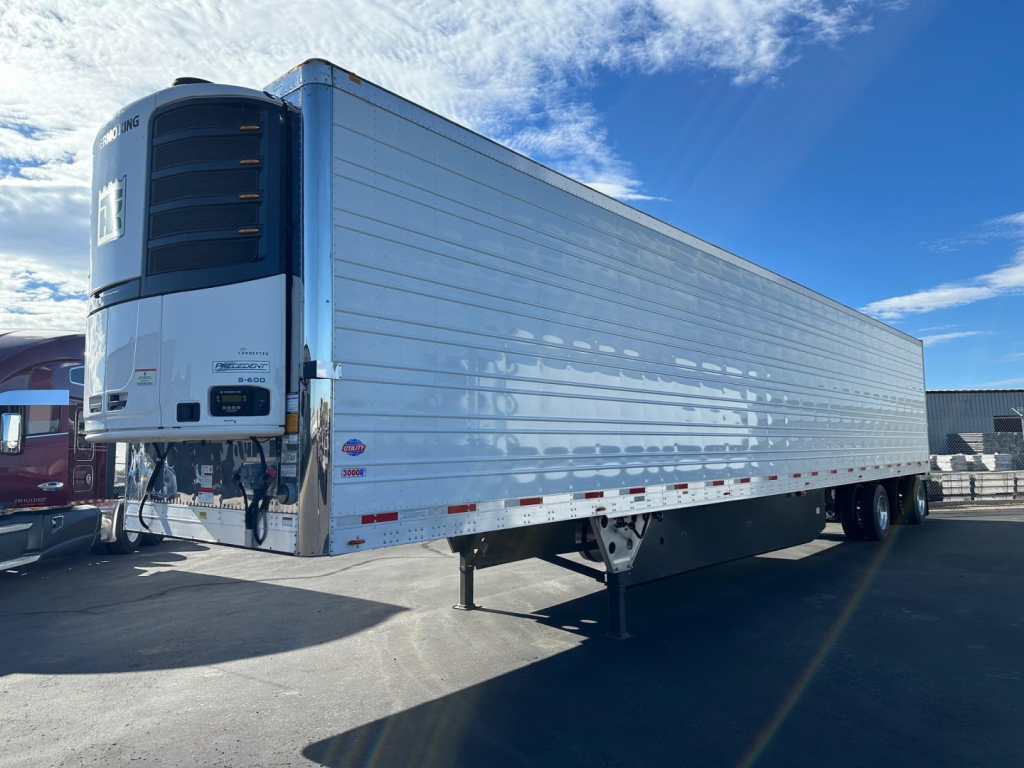
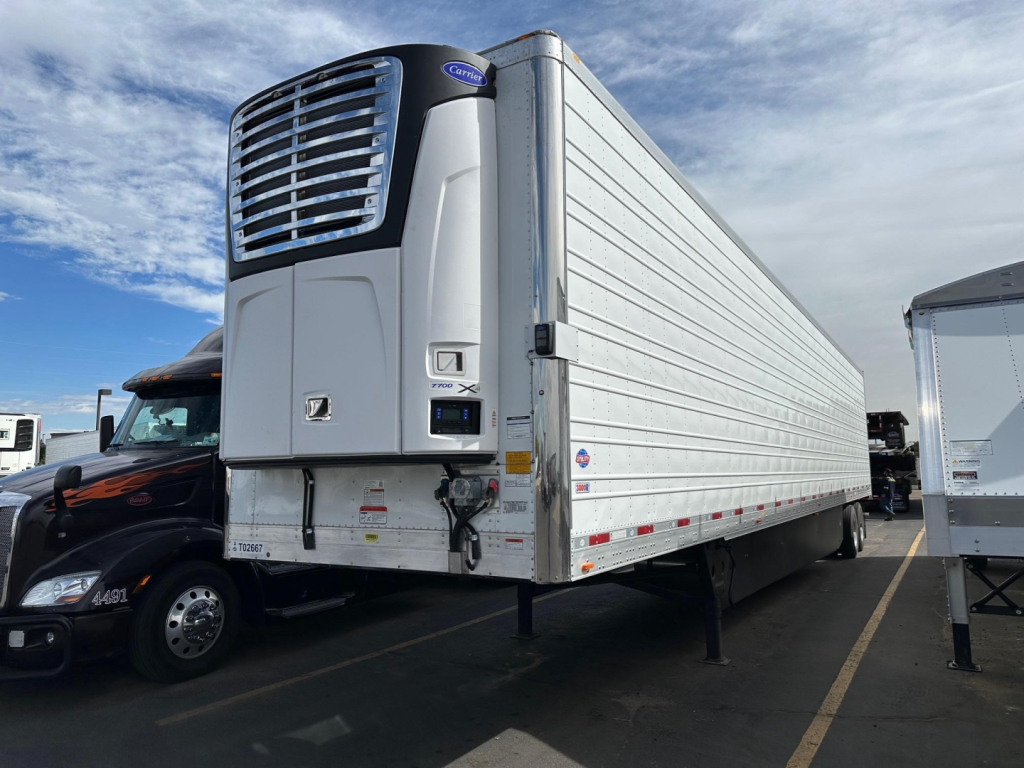
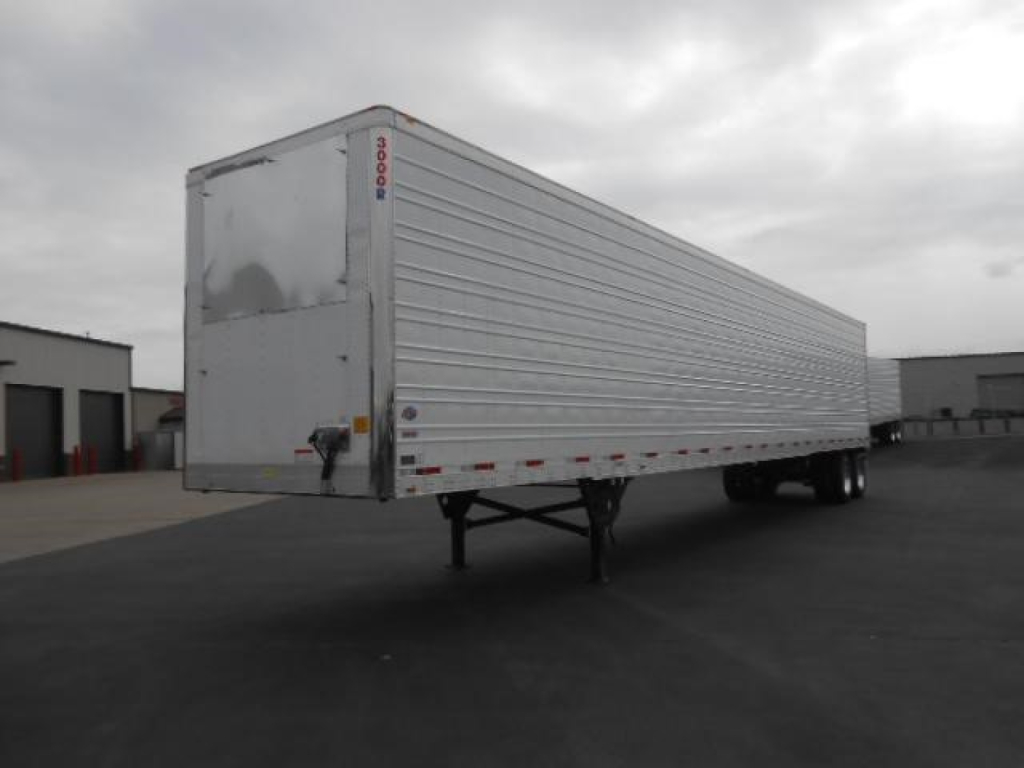
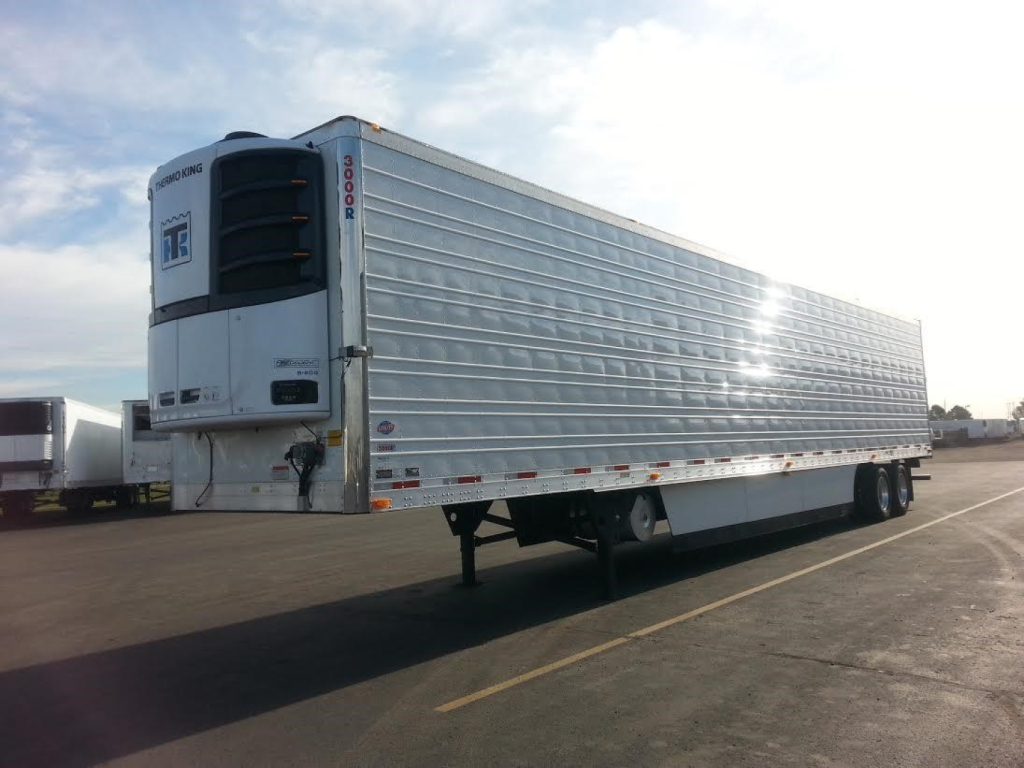
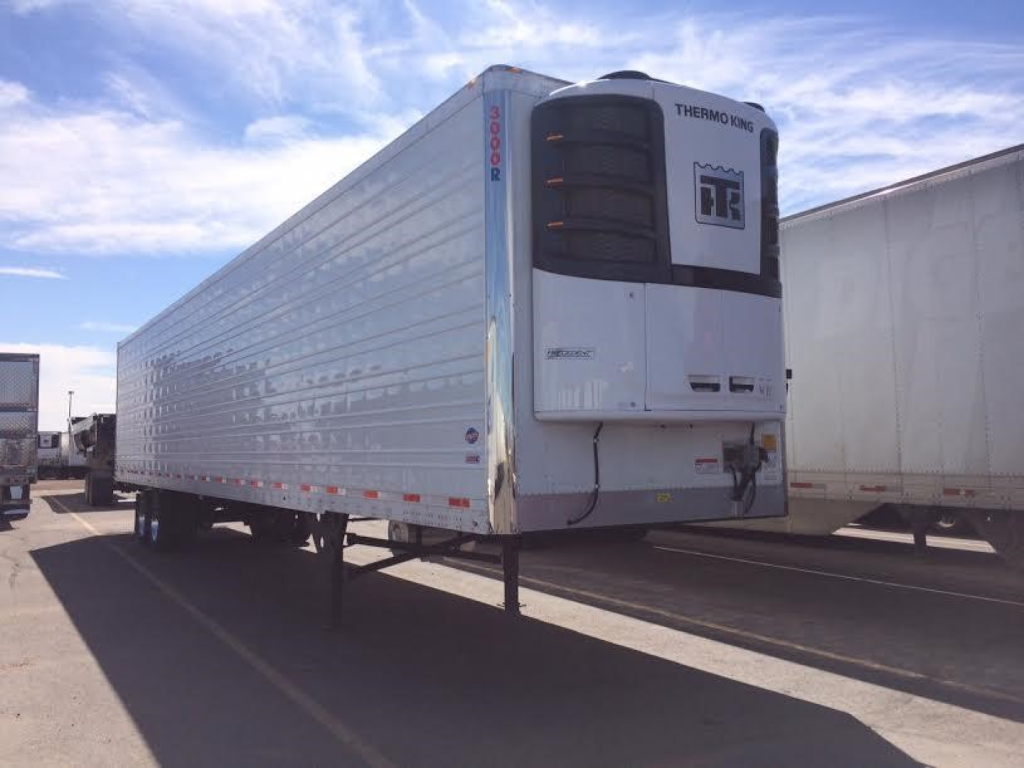
Selling a new 2026 reefer trailer? List your new 2026 reefer trailer for sale and reach thousands of commercial buyers.
New 2026 Reefer Trailers
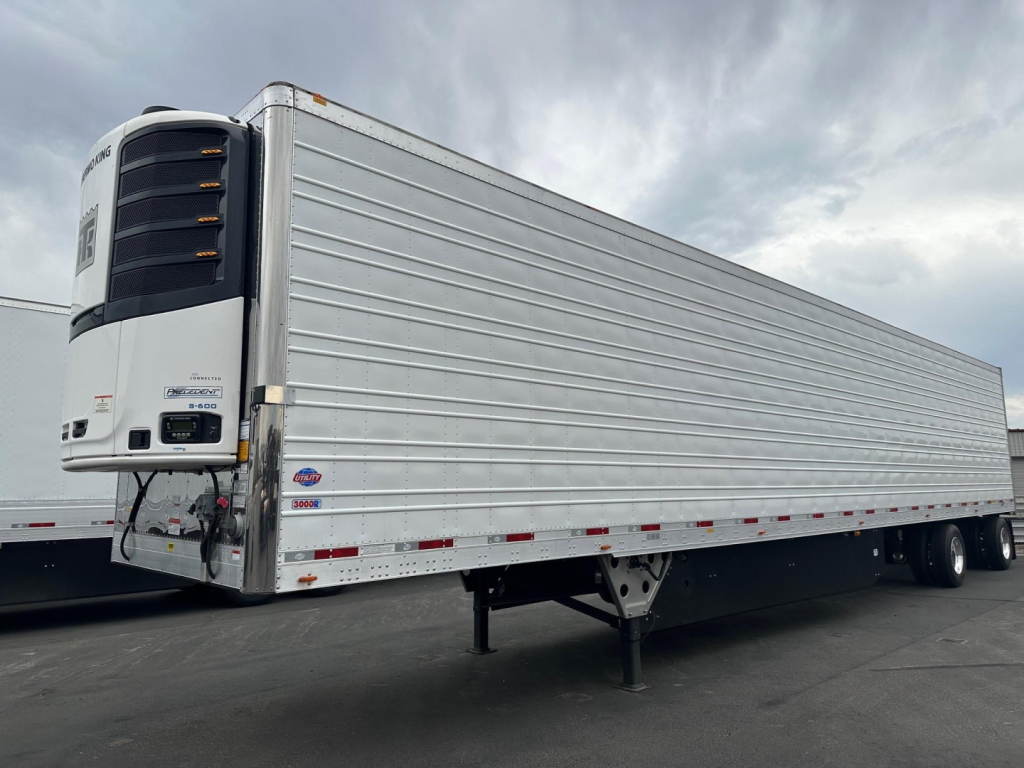
A buyer comparing new reefer trailers should start with the refrigeration package and lane requirements. Single-temp configurations are common for grocery, produce, dairy, frozen foods, and general cold chain freight. California operators often prioritize CARB-compliant or California-legal TRUs, especially for long-service fleets and cross-border regional work. Shore power capability can matter for dock operation, cold storage staging, or reducing diesel run time. Air chutes, bulkheads, rear vents, and heavy-duty duct floors are worth close attention because they directly affect airflow and cargo protection. If the freight is palletized and loaded hard against the nose, a proper chute and floor system can make the difference between uniform box temperature and hot spots at the rear.
Running gear and trailer spec should match the freight network, not just the purchase price. Common setups include closed tandem sliders or sliding spread axles for California-legal bridge compliance. Air ride suspensions, air pin sliders, low-profile 22.5 tires, tire inflation systems, and aerodynamic side skirts are common on new reefer specs because they improve ride quality, uptime, and operating cost. Buyers hauling dense food loads should verify tare weight, floor rating, and wearband protection, while fleets with heavy dock activity should look for anti-dock-walk systems, reinforced rear frames, stainless front corners, stainless rear hardware, and door protector plates. Brake choice also matters. Drum brakes remain familiar and cost-effective, while disc brakes can improve stopping consistency and reduce maintenance in high-mileage service.
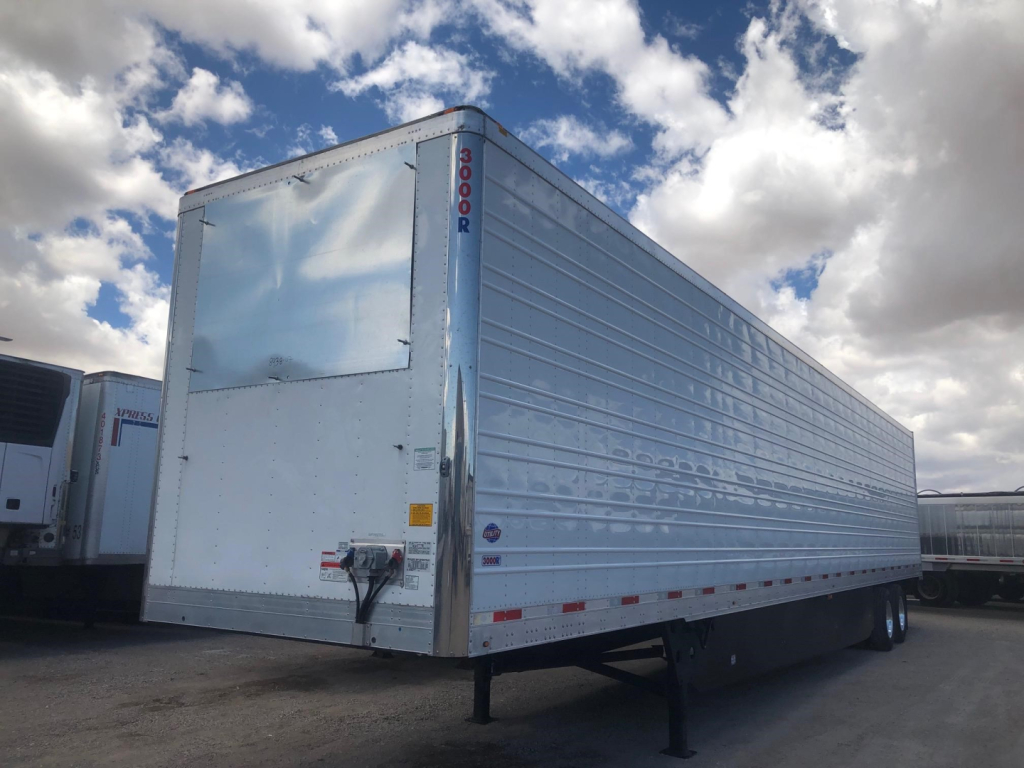
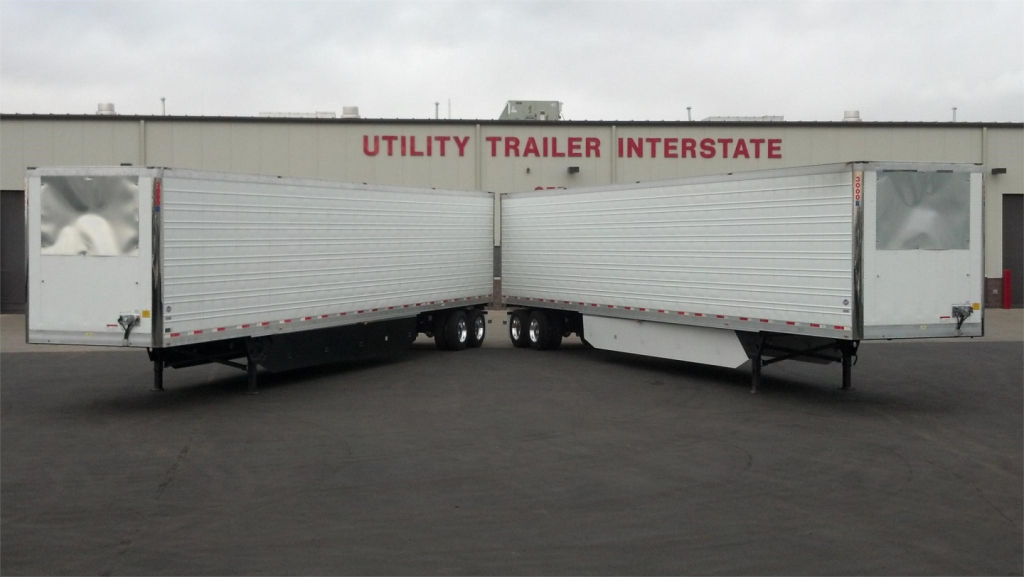
Utility 3000R trailers are common in this class, but the buying logic applies across the reefer category. Focus on insulation package, TRU service network, axle layout, interior airflow components, and durability details that affect resale and maintenance. A new 2026 reefer trailer should be spec'd around commodity mix, lane geography, emissions rules, dock practices, and expected trade cycle. The best trailer in this category is not simply the coldest one. It is the one that maintains setpoint reliably, loads efficiently, stays compliant, and delivers the lowest cost per mile over the life of the equipment.
Frequently Asked Questions about New 2026 Reefer Trailers
What size is most common for a new reefer trailer?
The most common spec in this category is a 53-foot by 102-inch refrigerated trailer. That size fits standard over-the-road grocery, frozen food, dairy, produce, and distribution work while maximizing pallet capacity under common U.S. freight patterns. Buyers should still confirm interior height, floor design, and tare weight because two trailers with the same exterior dimensions can perform differently depending on insulation thickness, floor construction, and refrigeration package.
What is the difference between a closed tandem and a sliding spread reefer trailer?
A closed tandem reefer has both axles grouped together in a more traditional tandem arrangement, while a sliding spread uses wider axle spacing that can help with bridge law and California-legal requirements. Sliding spread setups are often chosen by operators running in California or on routes where axle distribution and kingpin-to-rear-axle measurement matter. Closed tandems are simpler and common in general regional and long-haul service. The right choice depends on the states you run, your commodity weight, and how often axle position needs to be adjusted for legal loading.
Which refrigeration unit brand is better, Thermo King or Carrier?
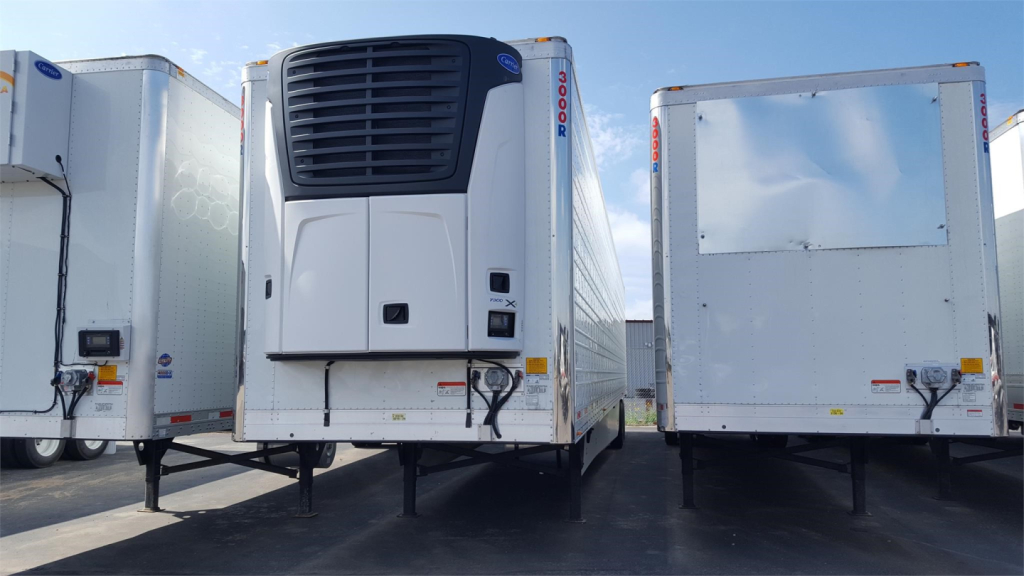
Both Thermo King and Carrier are established TRU suppliers with broad service support, and either can be a strong choice if the model matches the application. The better decision usually comes down to dealer coverage in your lanes, technician familiarity, fuel efficiency, parts availability, emissions compliance, and the temperature control features required by your freight. A buyer hauling sensitive food products or running tight delivery windows should pay as much attention to local service response and preventive maintenance support as to the badge on the unit.
Why do floor and airflow components matter so much on a reefer trailer?
A reefer trailer does not cool freight evenly unless air can move correctly from the unit through the body and back again. Duct floors, air chutes, bulkheads, and rear vents help maintain circulation, protect return airflow, and reduce warm spots caused by tight loading patterns. This is especially important in multi-stop service, dense pallet loading, and mixed frozen or chilled applications. Poor airflow can lead to product claims even when the refrigeration unit itself is operating properly.
What features improve durability and operating cost on a new reefer trailer?
Buyers often look for stainless front corners, stainless rear hardware, quilted rear swing doors, wearbands, door protector plates, anti-dock-walk systems, tire inflation systems, side skirts, and air ride suspensions. These features help reduce body damage, protect the rear frame and doors in dock service, improve tire life, and lower maintenance or fuel cost over time. The value of these options shows up in uptime, resale condition, and fewer temperature-related service issues during the trailer's working life.