
New 2026 Reefer Trailers For Sale in Colorado
Shop new 2026 reefer trailers for sale in Colorado. Compare 53-foot refrigerated trailers, TRU setups, axle options, and fuel-saving specs.
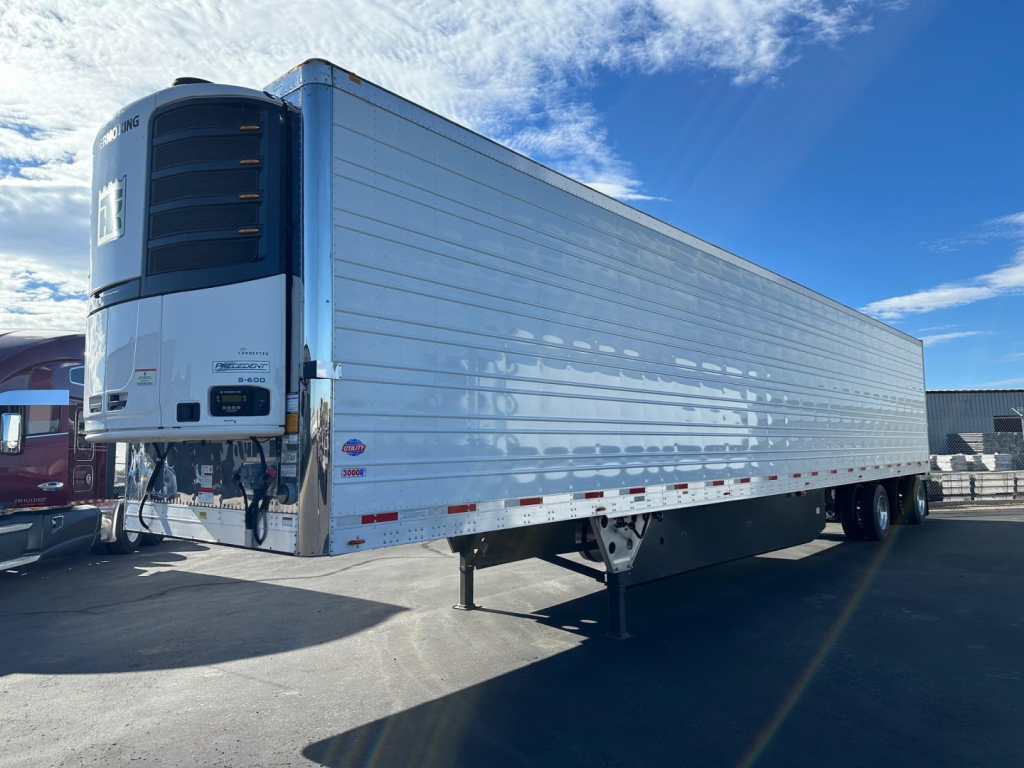
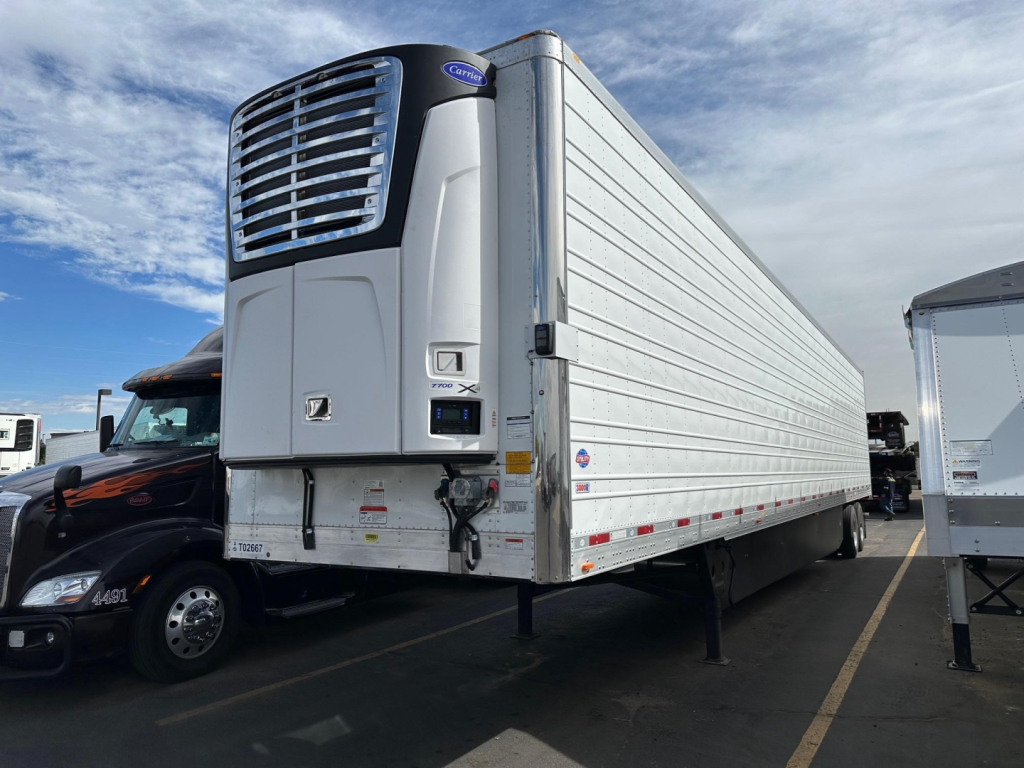
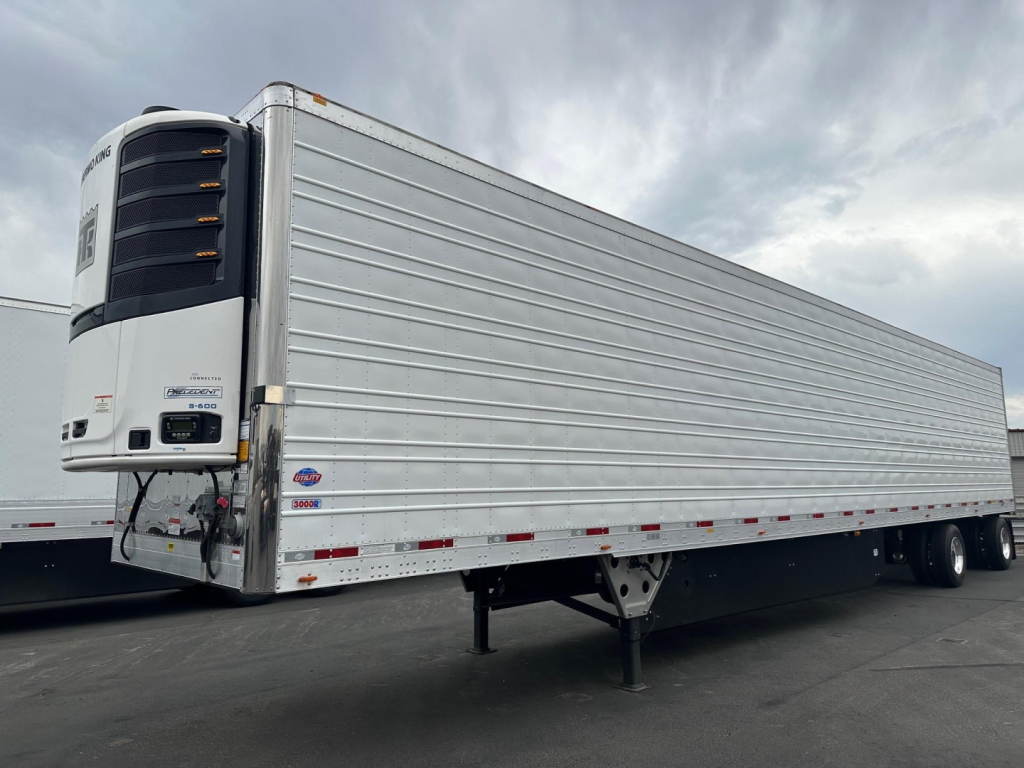
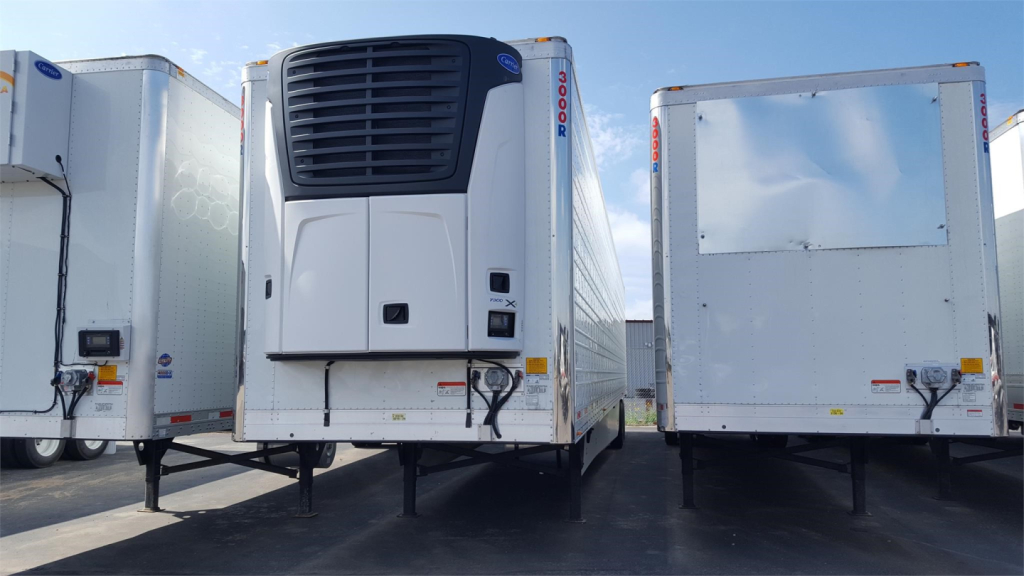
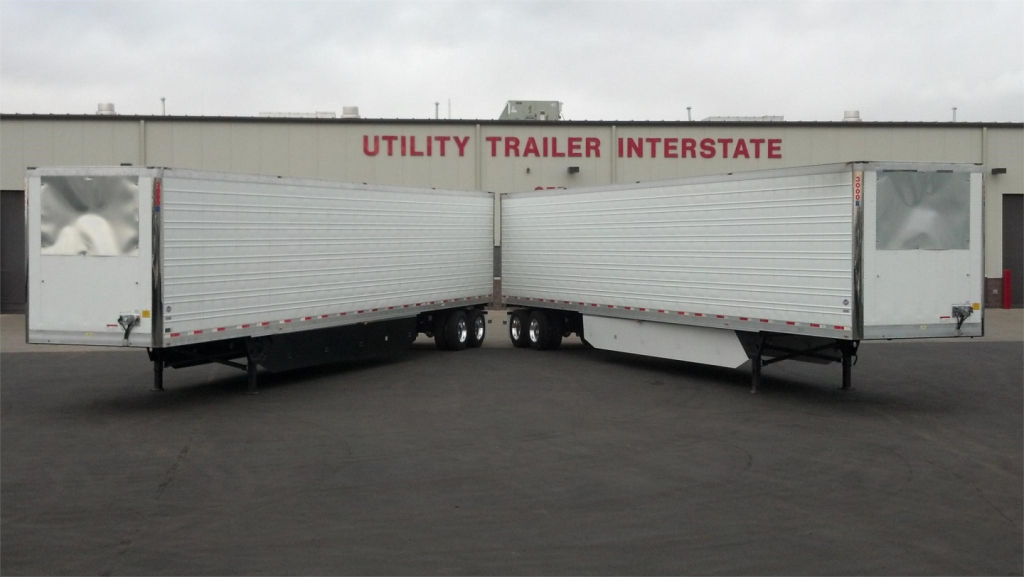
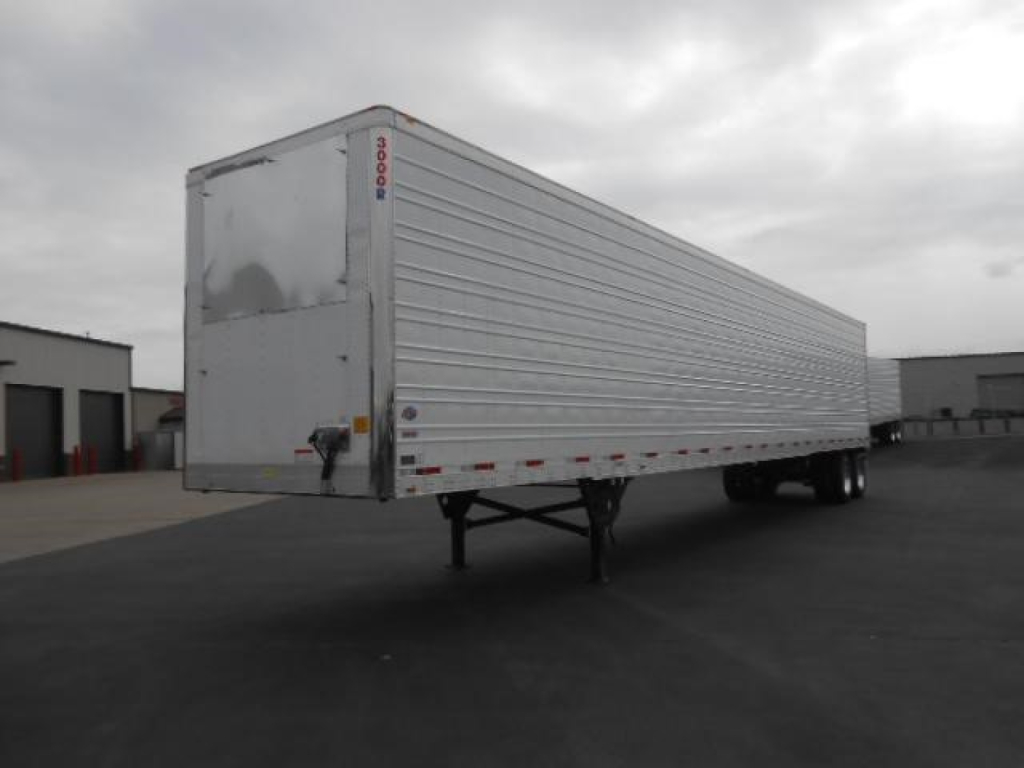
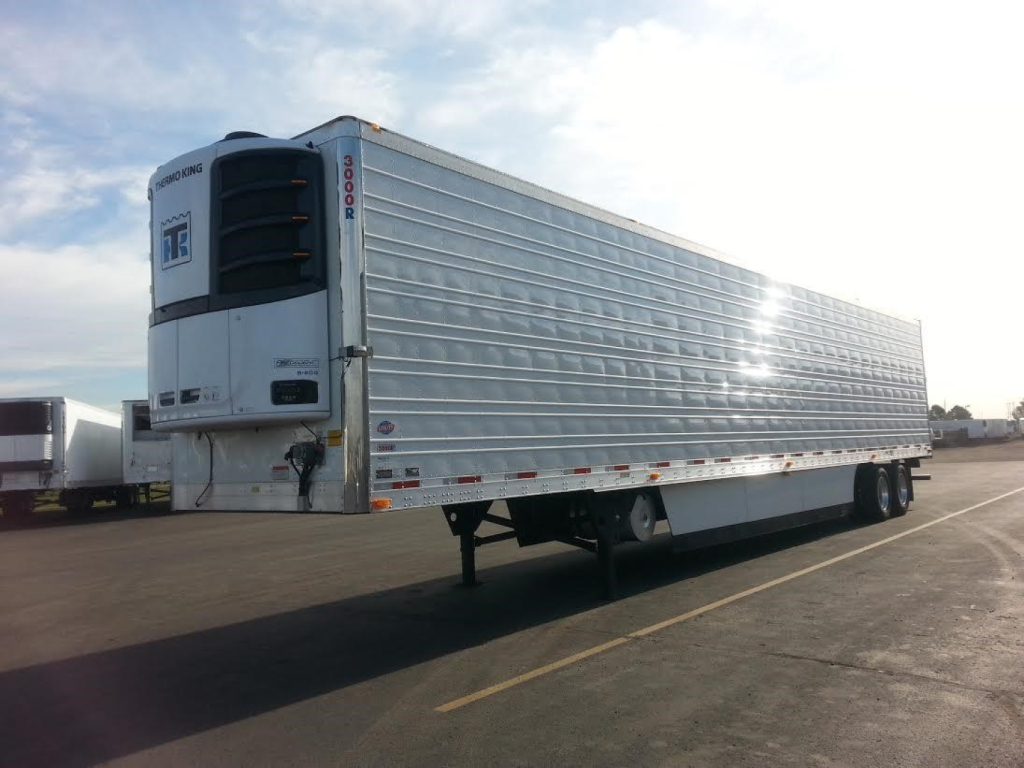
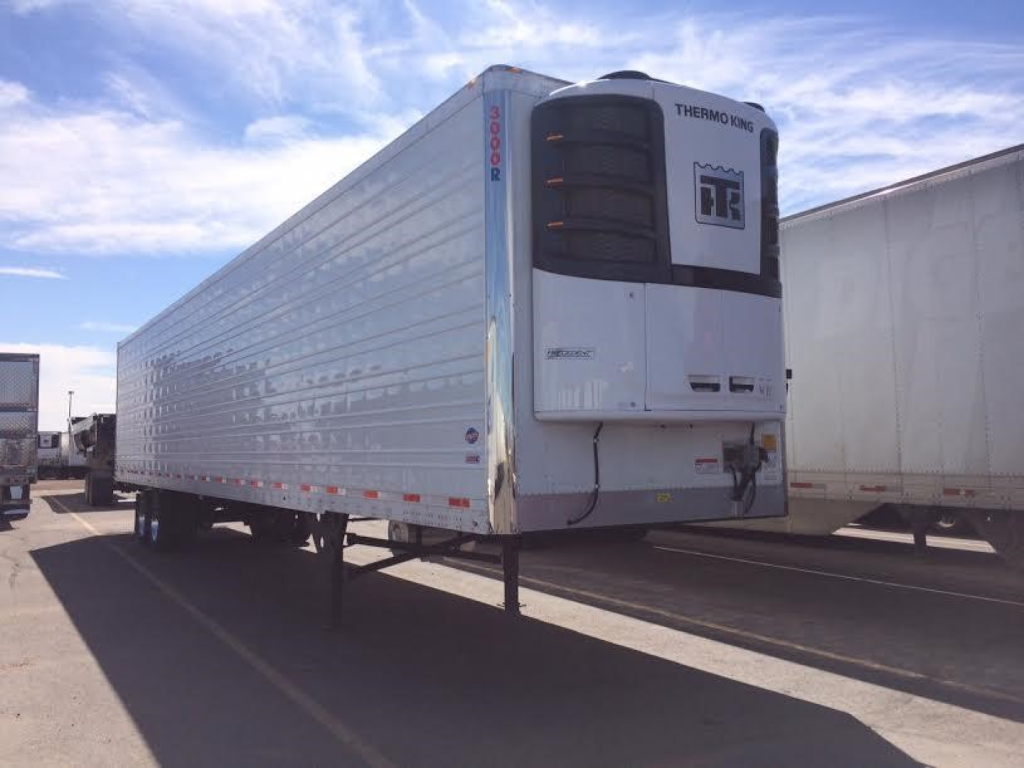
Selling a new 2026 reefer trailer? List your new 2026 reefer trailer for sale and reach thousands of commercial buyers.
New 2026 Reefer Trailers in Colorado
Most late-model reefer specs in this class center on aluminum duct floors, wearbands, rear vents, quilted rear swing doors, corrugated side panels, and air ride suspensions. Common running gear includes Hendrickson air ride, air-operated slider pins, anti-dock walk systems, 22.5 low-profile tires, and a mix of aluminum and steel wheels depending on weight targets and cost control. Many buyers also look closely at side skirts, aerodynamic tails, tire inflation systems such as TireMaaxx Pro, and door protector plates because those options directly affect fuel burn, tire life, and damage prevention. Brake spec matters too. Drum brakes remain common and cost-effective, while air disc brakes can improve stopping performance and reduce maintenance variation across high-mileage fleets.
Axle layout is a major buying decision on a reefer trailer. Standard sliding tandems fit a wide range of lanes and dock situations, while sliding spread or California-legal spread configurations are important for operators running western regional freight and heavier payloads under specific bridge-law requirements. Closed tandem setups can also make sense for fleets standardizing around fixed lane requirements. Inside the trailer, buyers should compare liner material, floor condition, chute configuration, and bulkhead setup if they plan to run frozen or partitioned loads. A heavy-duty duct floor and proper air return path help maintain even temperature from nose to doors, which is critical for sensitive freight and claims prevention.
For a new 2026 reefer trailer, the best value usually comes from matching the trailer body and TRU package to the freight profile instead of just comparing purchase price. A fleet hauling frozen dedicated lanes may prioritize a stronger unit, thicker wear areas, and robust rear door hardware. An operation focused on grocery distribution may care more about dock-friendly options, shore power capability, hybrid refrigeration units, and California compliance. Utility 3000R-style trailers are a common benchmark in this segment because buyers know the platform, parts support, and resale market. When comparing listings, focus on refrigeration unit spec, axle spread, brake type, fuel-saving equipment, and interior airflow design before you focus on cosmetics.
Frequently Asked Questions about New 2026 Reefer Trailers in Colorado
What size is a typical new reefer trailer?
Most new reefer trailers in this category are 53 feet long and 102 inches wide. That size is the standard for over-the-road refrigerated freight because it balances cubic capacity, pallet count, and compatibility with most docks and distribution networks. Buyers should still confirm interior height, floor type, and axle configuration because those details affect payload and route flexibility more than the outside dimensions alone.
What is the difference between a single-temp and multi-temp reefer trailer?
A single-temp reefer trailer is designed to maintain one temperature zone throughout the trailer, which works well for full truckload frozen or chilled freight. A multi-temp setup uses bulkheads, chutes, and zone controls to carry products requiring different temperatures in the same trailer. Single-temp units are generally simpler and lighter, while multi-temp trailers offer more flexibility for grocery and route-distribution work but add equipment complexity and setup requirements.
Why do reefer trailer buyers care about duct floors and chute systems?
The duct floor and chute system control airflow, which is one of the most important parts of temperature management inside a refrigerated trailer. The refrigeration unit can produce cold air, but the trailer still needs a clear path to move that air evenly from the front to the rear and back again. A damaged floor, blocked air channel, or poor chute setup can create hot spots, uneven product temperatures, and rejected loads even if the TRU itself is operating correctly.
Are sliding spread axle reefers important in Colorado and western lanes?
They can be very important for carriers running Colorado into California and other western states where axle laws, bridge formulas, and customer weight expectations vary by lane. A sliding spread reefer can provide better legal flexibility for certain heavier payloads and state-specific requirements, while a standard sliding tandem may be easier to manage for broad national use. The right choice depends on where the trailer will run most often, not just on the base trailer price.
What options on a new reefer trailer help reduce operating cost?
The most useful cost-saving options usually include side skirts, tire inflation systems, aerodynamic devices, air ride suspension, and durable dock-protection components. Side skirts and tails can help reduce fuel consumption at highway speeds. Automatic tire inflation systems help protect tires from irregular wear and heat-related failures. Anti-dock walk systems, door protectors, and quality rear hardware can also lower repair expense by reducing common yard and dock damage.