
2025 Trailers For Sale
Shop 2025 trailers for sale including flatbed, dry van, reefer, and step deck models with current specs, materials, axle setups, and options.
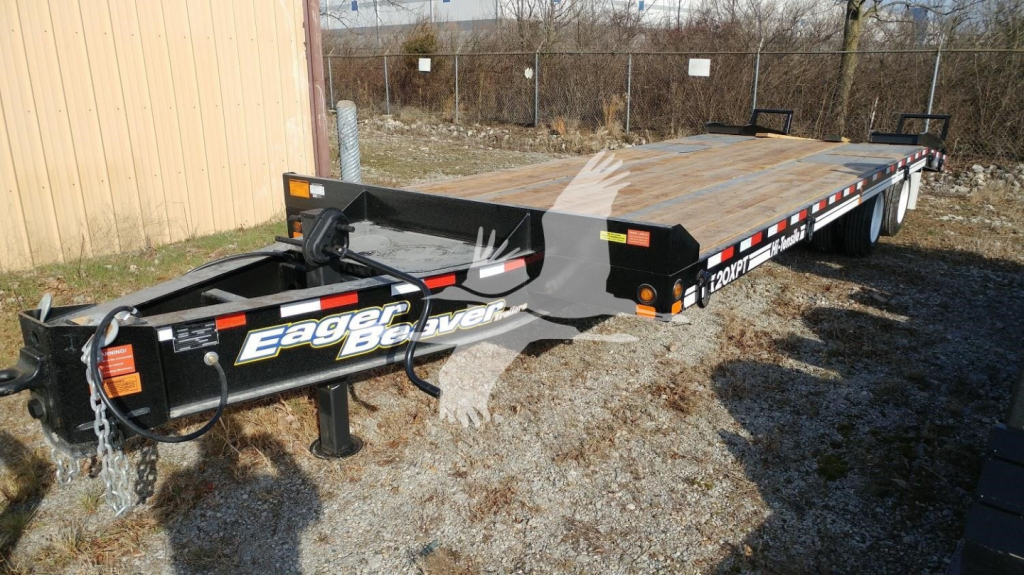
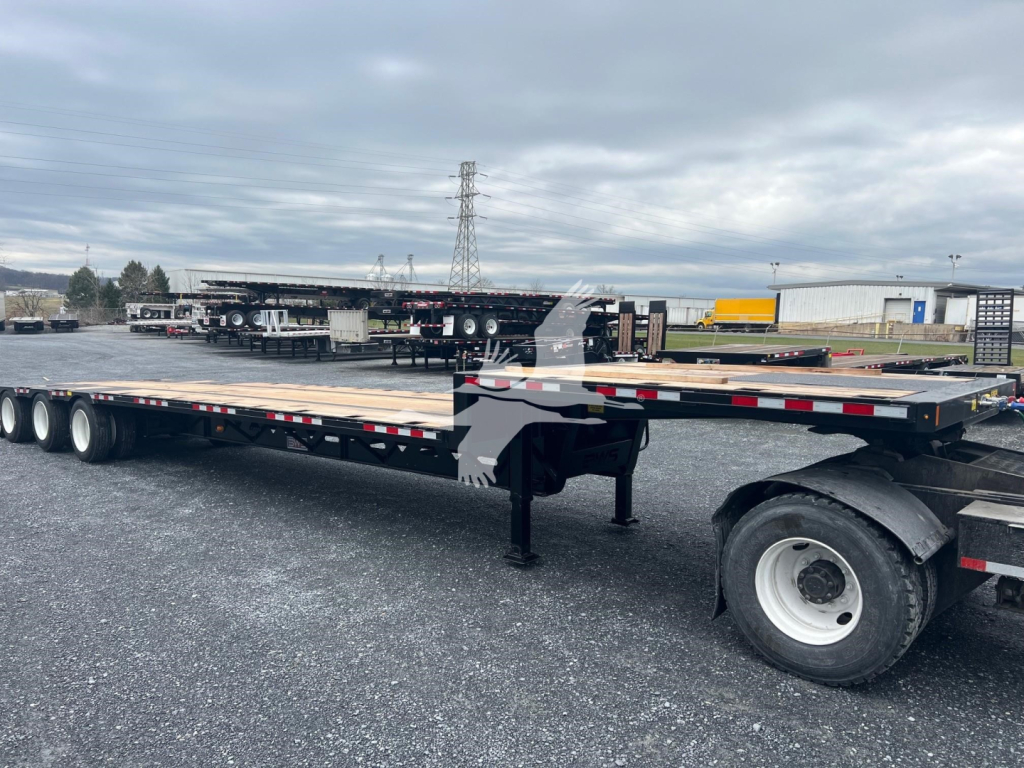
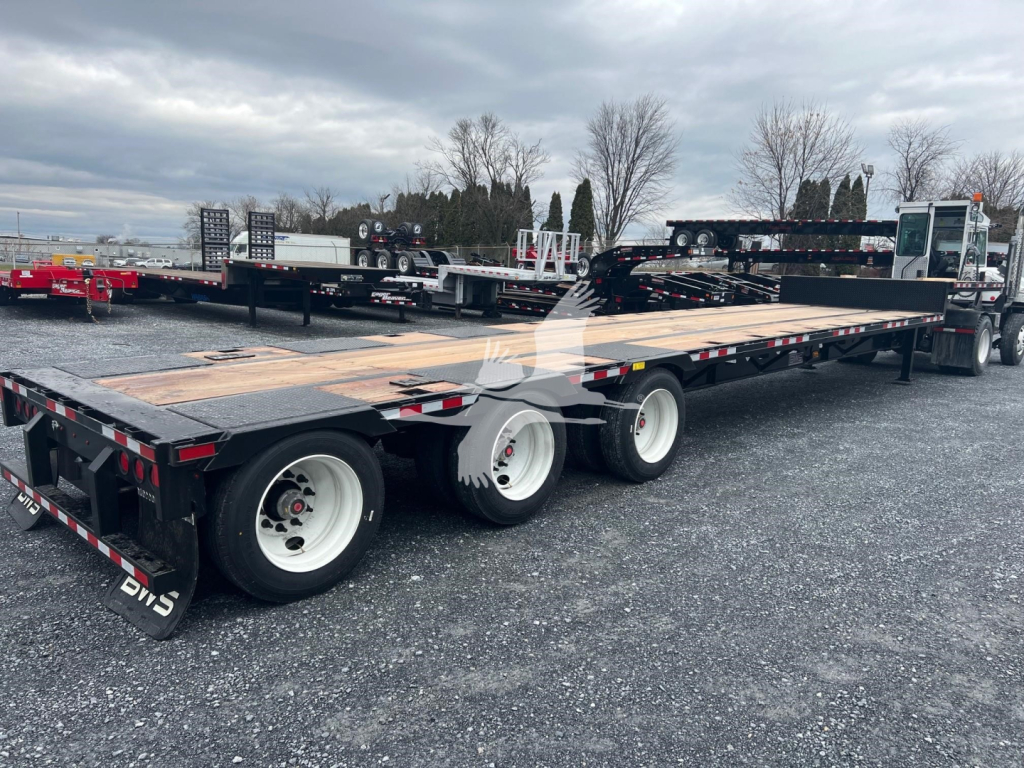
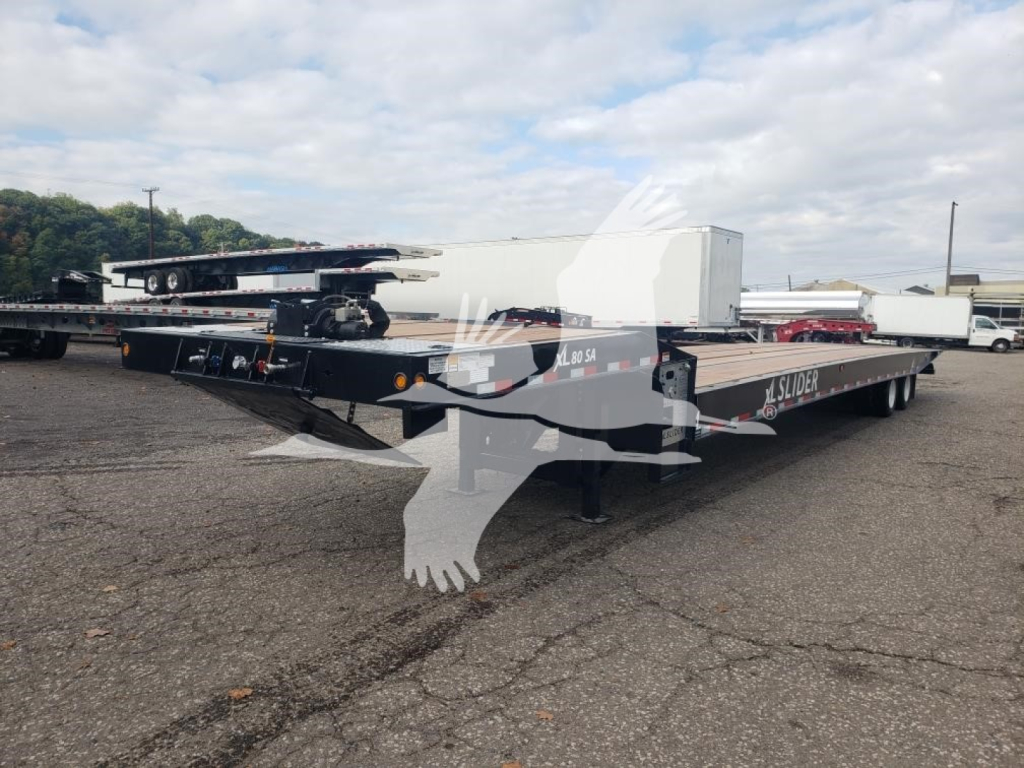
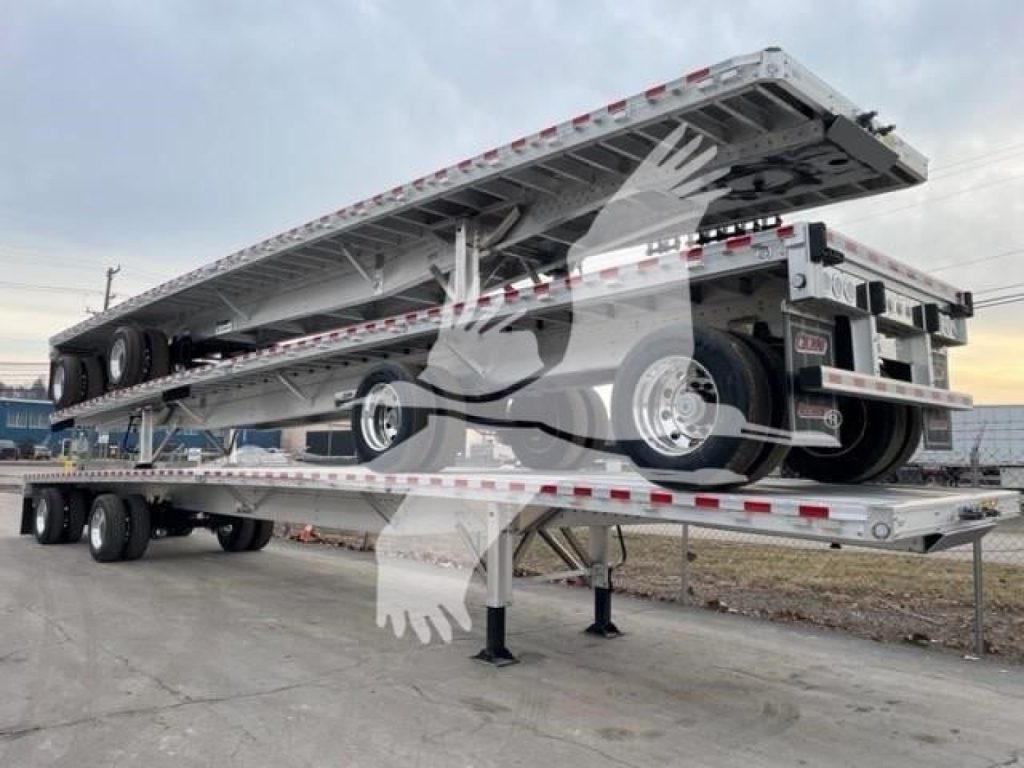
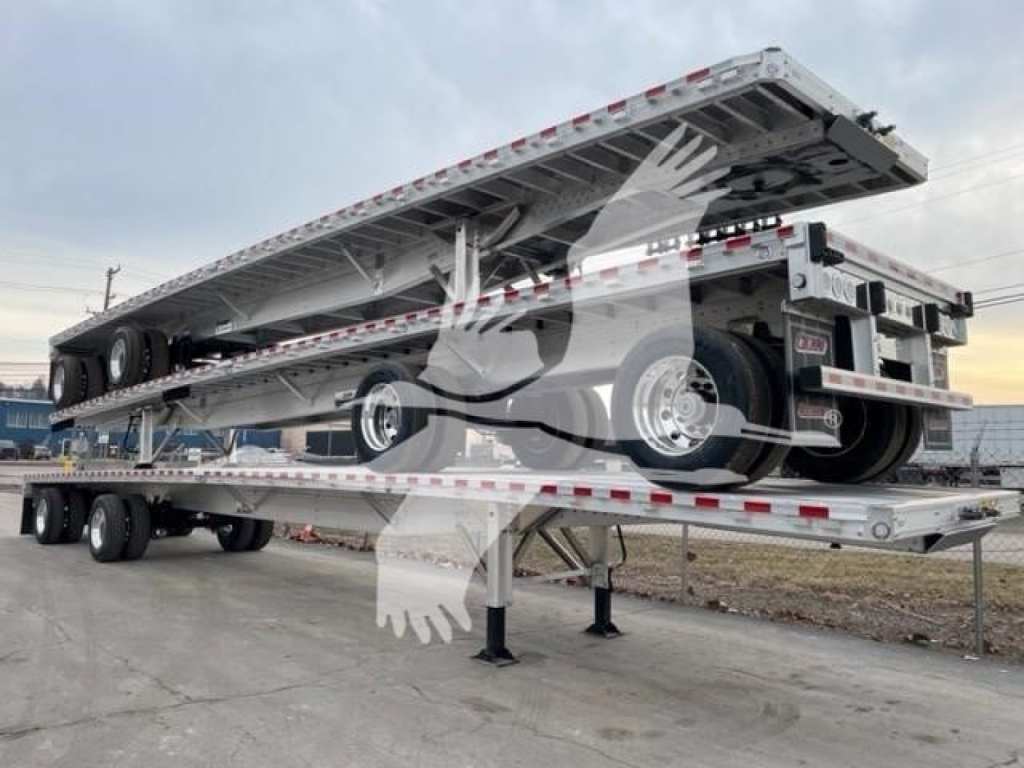
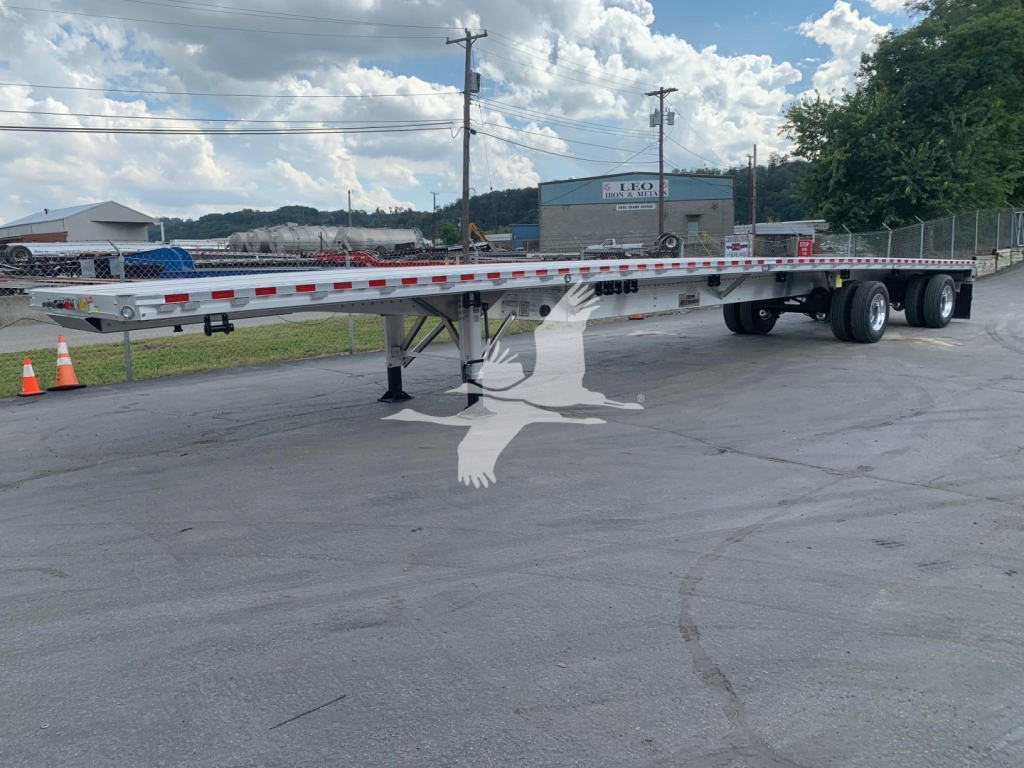
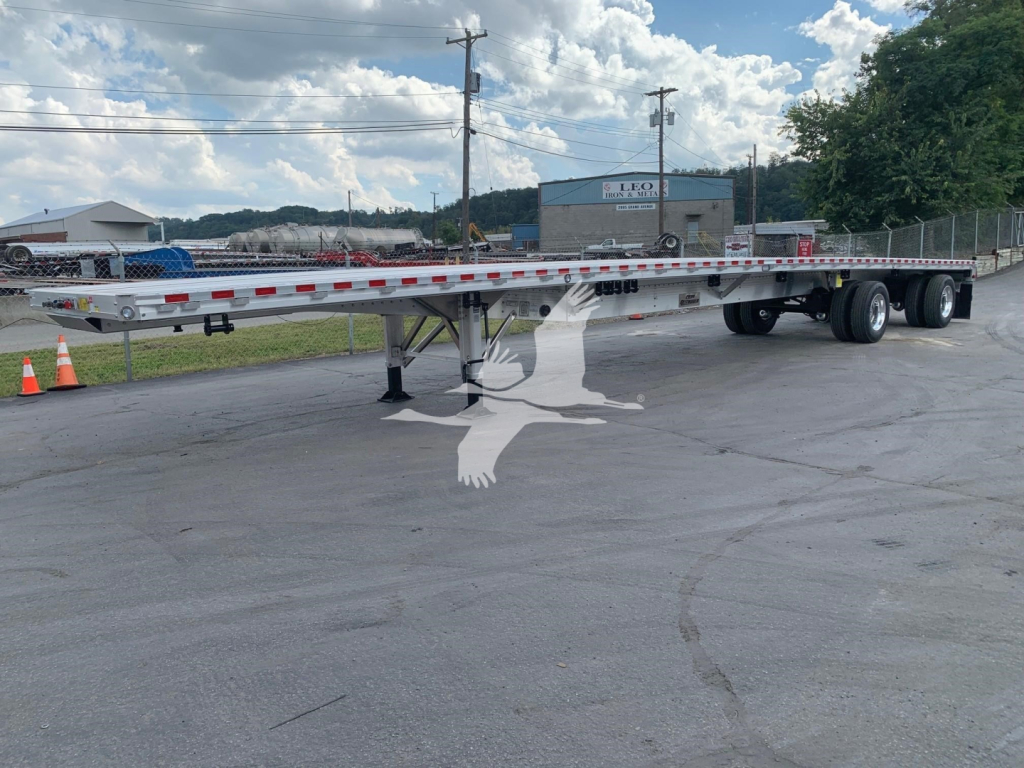
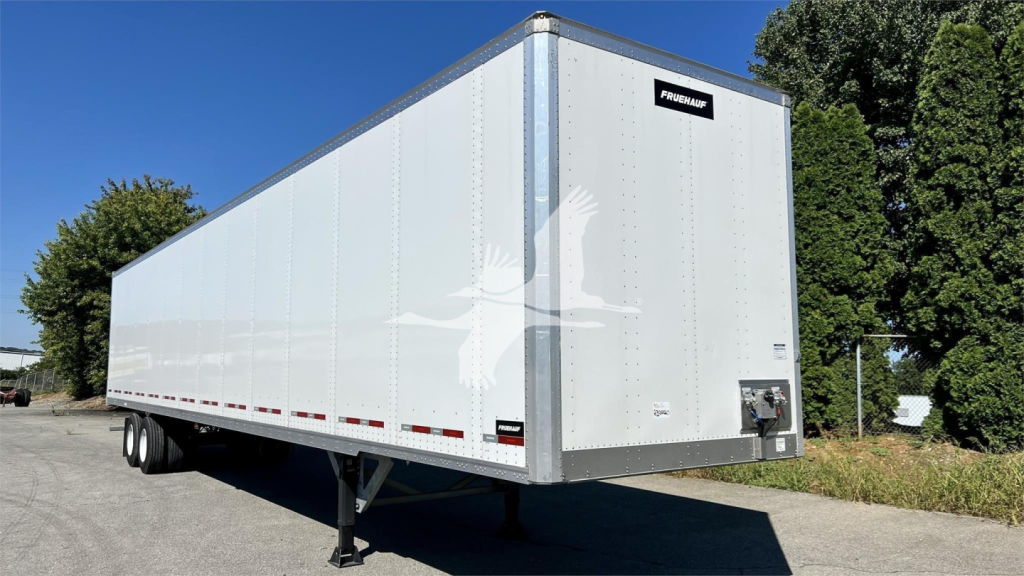
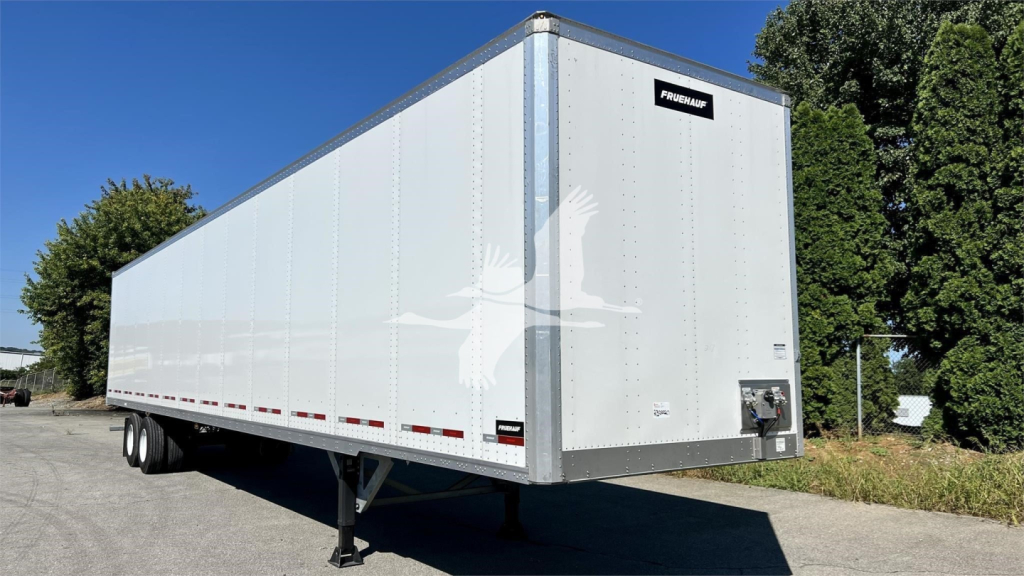
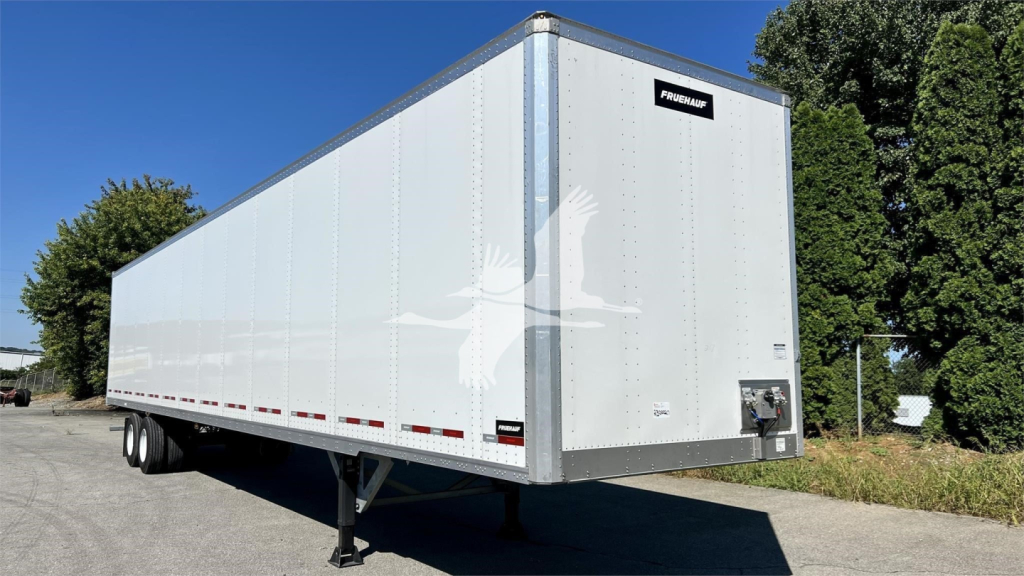
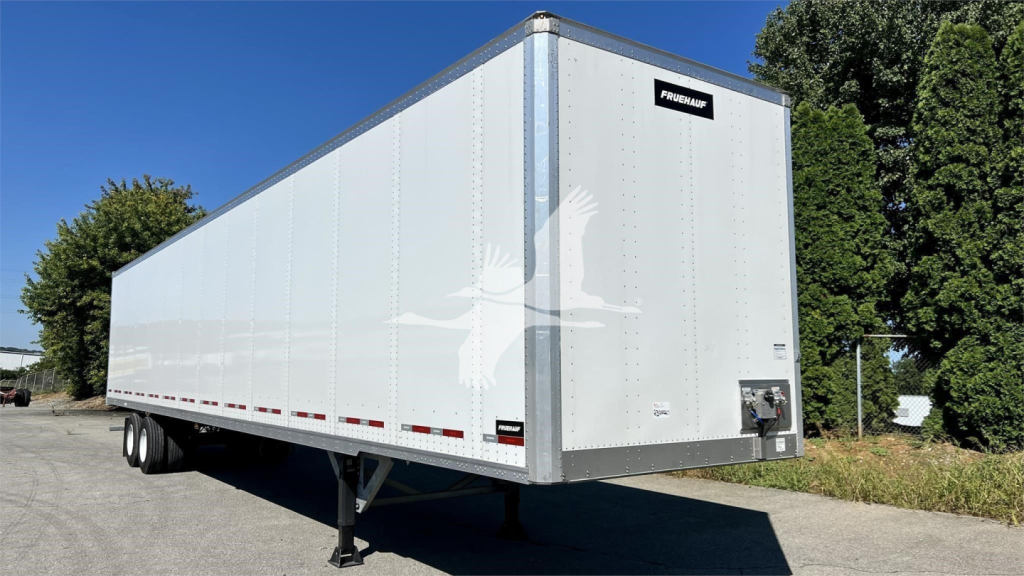
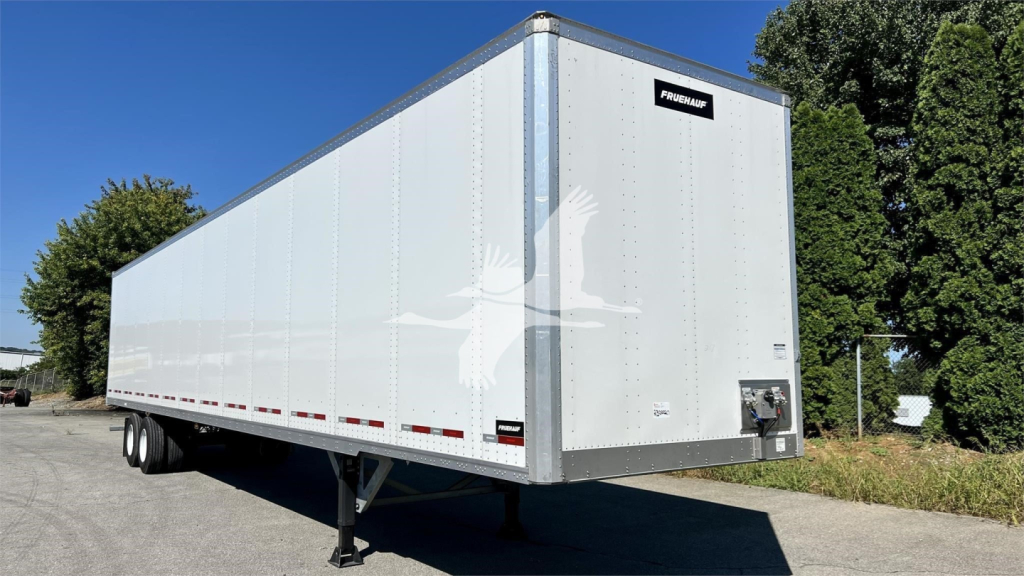
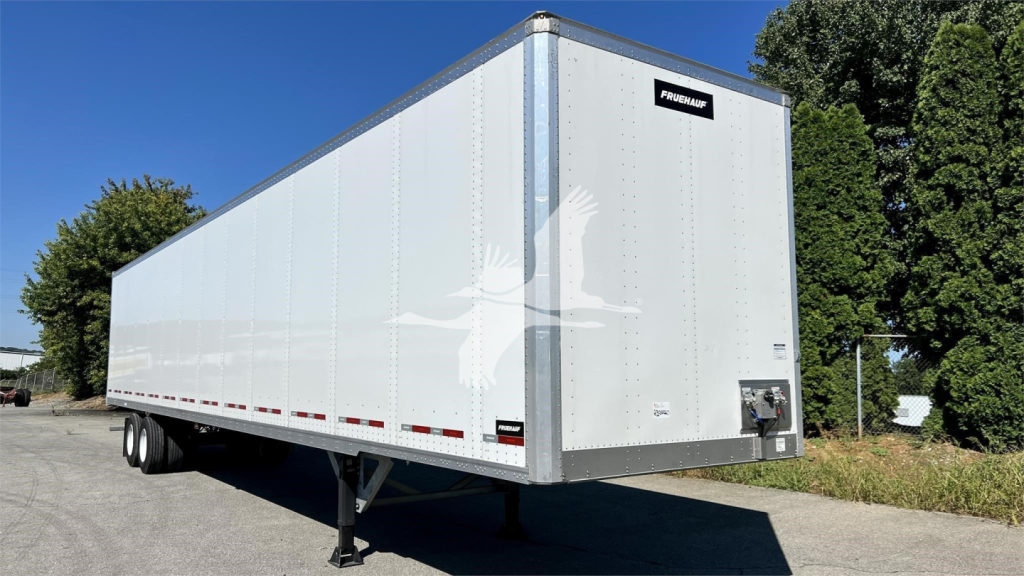
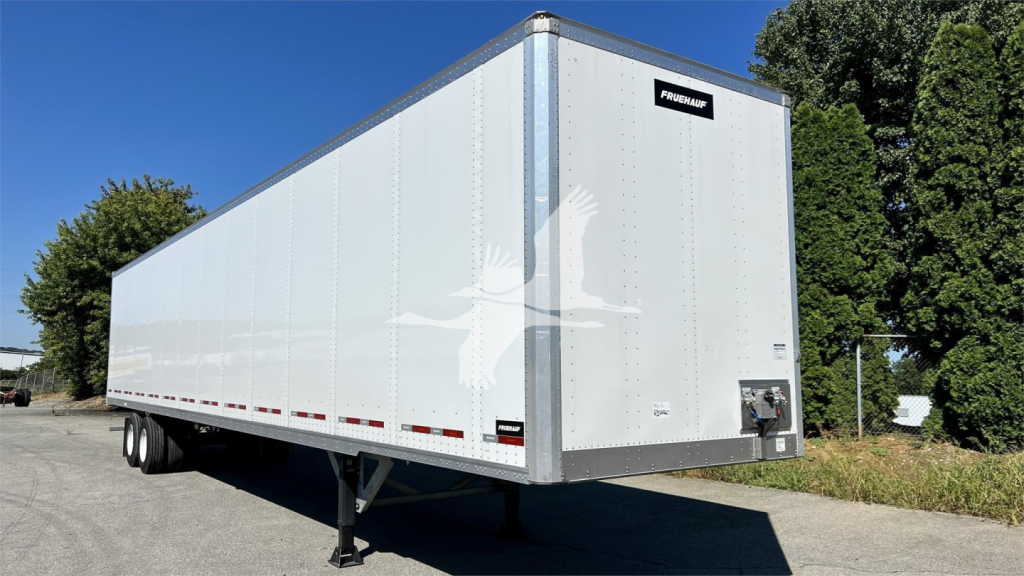
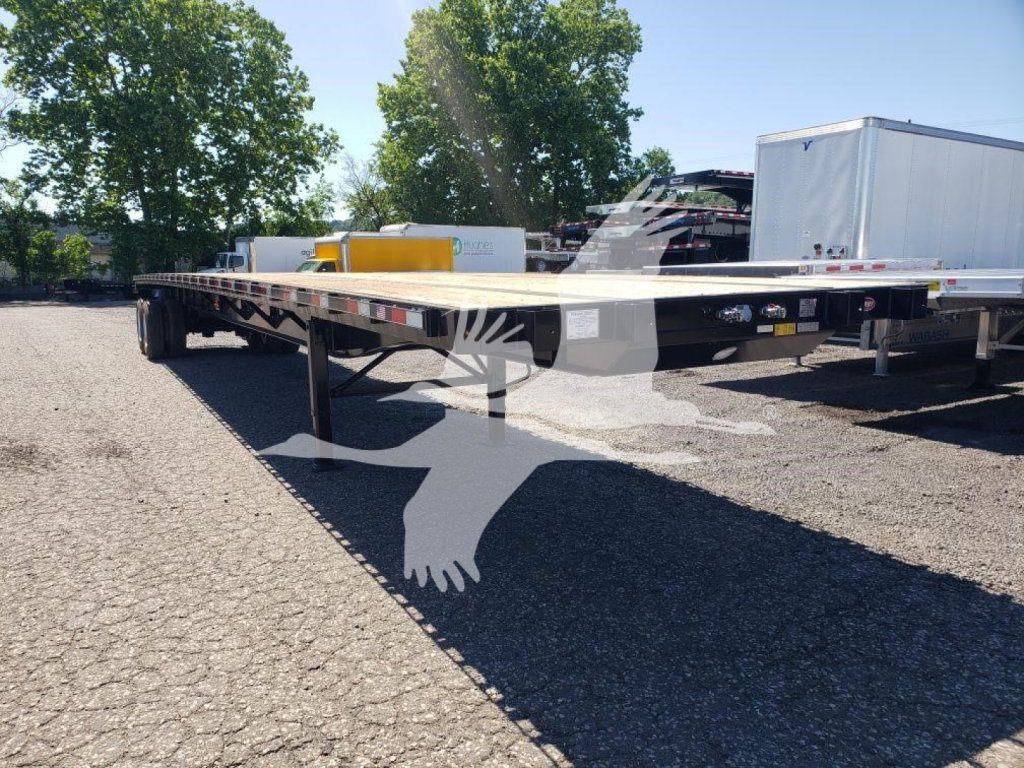
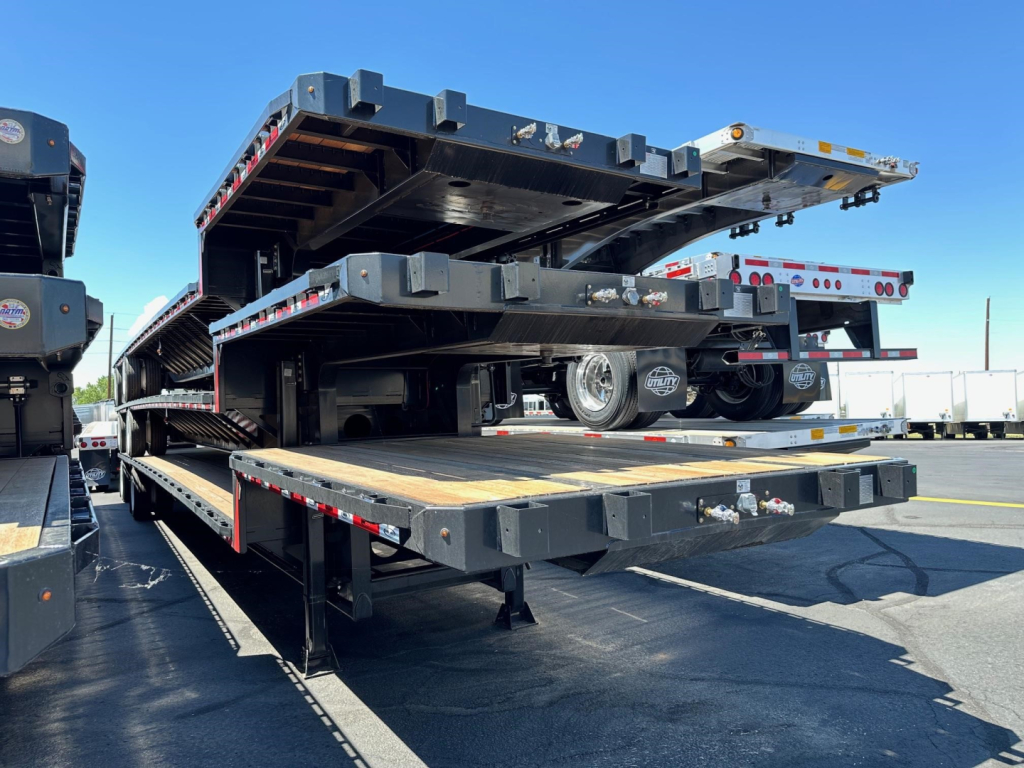
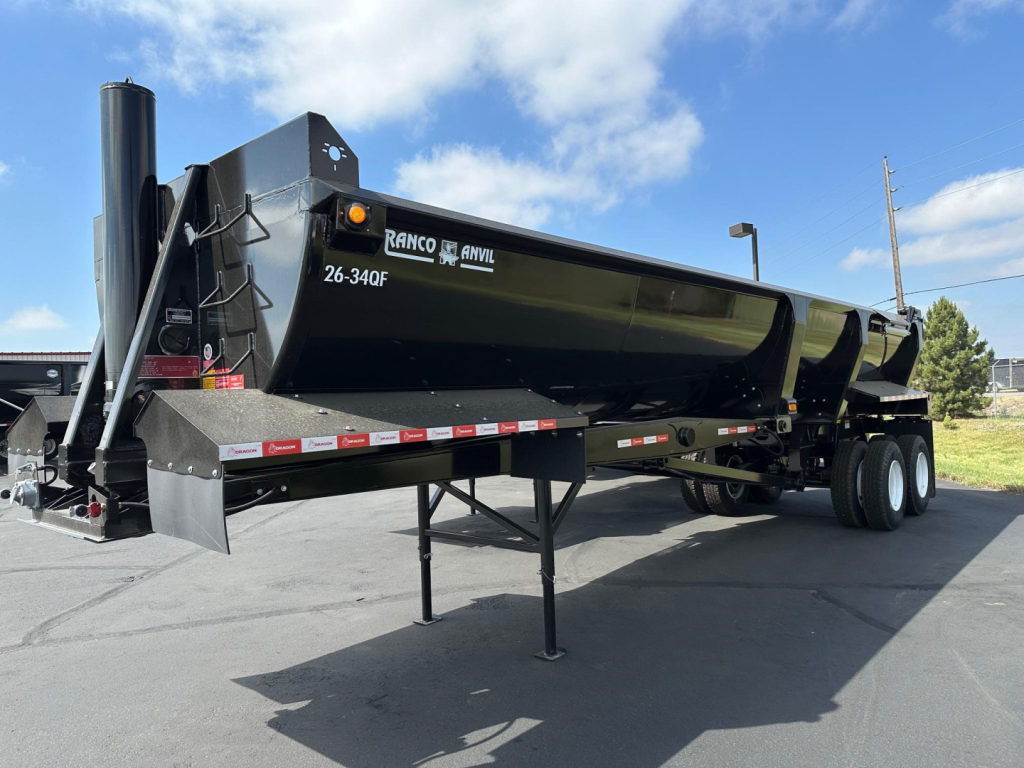
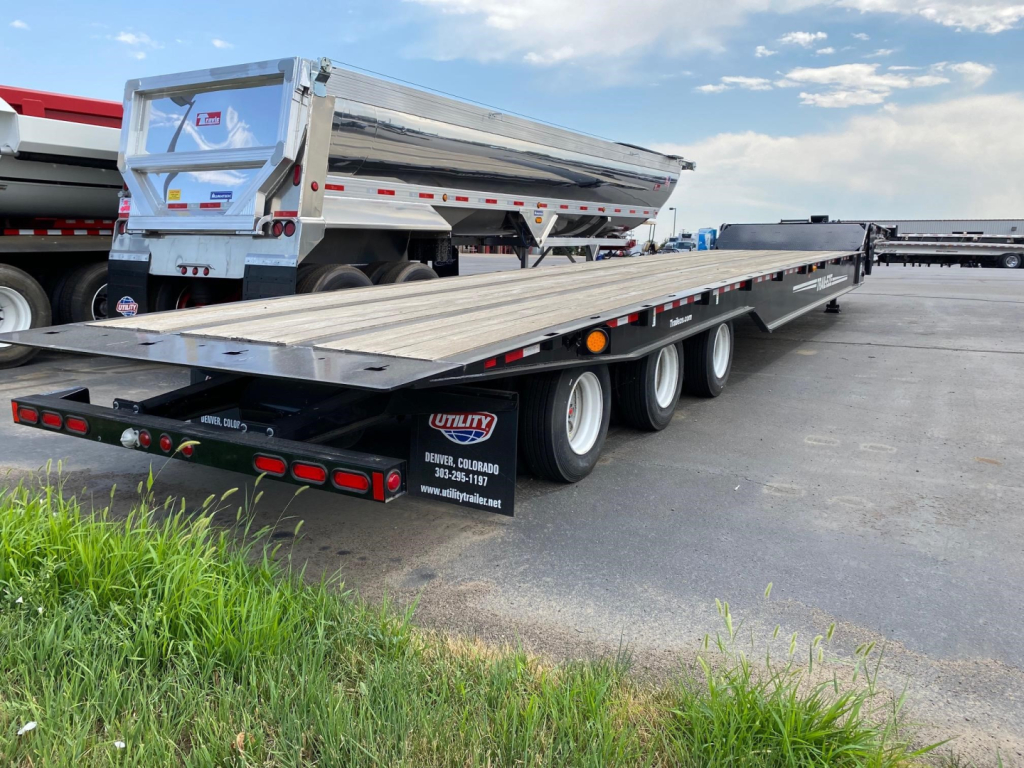
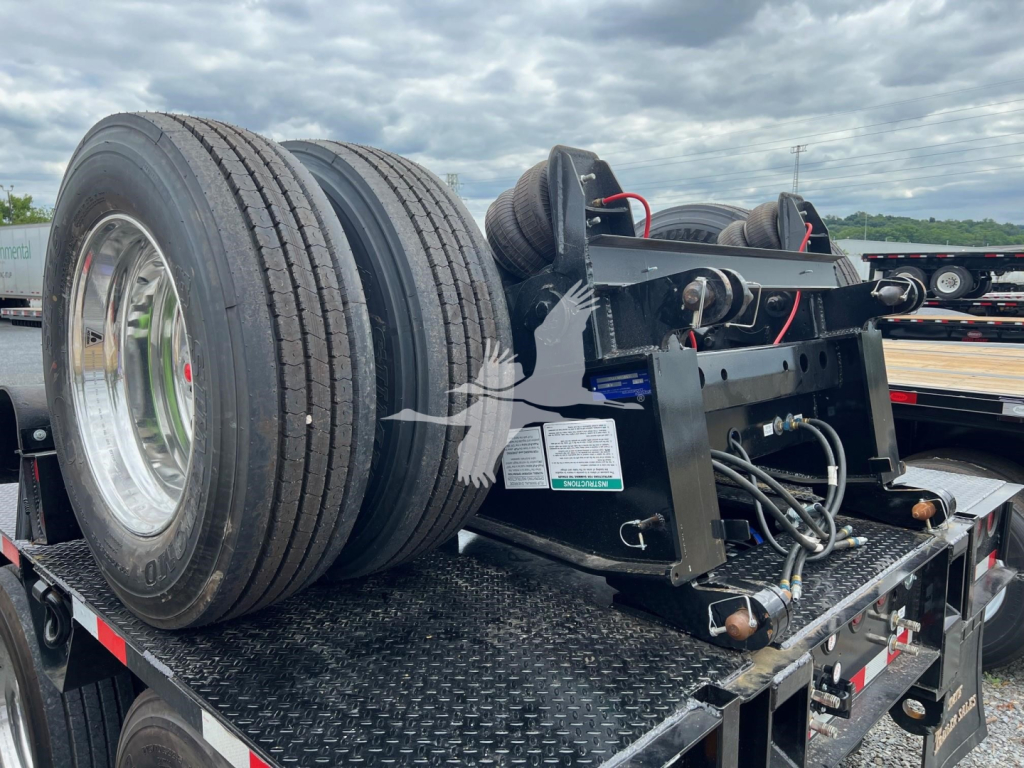
Showing 57 to 84 of 100 results
Looking for the easiest place to sell your 2025 trailer? List it here to reach thousands of buyers.
2025 Trailers
The right 2025 trailer depends on freight profile first. Dry vans are built around cubic capacity, door opening dimensions, interior height, logistics posts, scuff liners, and floor durability. Reefers add unit spec, insulation performance, chute design, and fuel or electric standby considerations. Flatbeds and step decks put more emphasis on empty weight, crossmember spacing, concentrated load ratings, coil package options, winch tracks, sliding winches, pipe spools, and tie-down layout. Buyers comparing 2025 models should also pay close attention to axle configuration, spread settings, suspension type, and bridge-law practicality, especially if the trailer will run in states with stricter length or axle spacing requirements.
Materials and construction details make a measurable difference over the life of the trailer. Aluminum trailers reduce tare weight and help maximize payload, while steel or combo construction may be preferred in harder-impact applications. On vans and reefers, floor composition, roof material, rear frame construction, and sidewall lining all affect repair costs and service life. On open deck trailers, side rail design, front and rear frame strength, apitong or aluminum floor choice, and crossmember centers determine how well the trailer handles repeated forklift traffic, machinery loading, steel, or coil freight. Air ride remains the common choice for higher-value cargo and ride quality, while spring ride still appears in applications where simplicity and lower initial cost matter.
A smart 2025 trailer purchase comes down to matching specification to lane, commodity, and loading method. Look at GVWR, trailer weight, inside dimensions, door style, dock compatibility, brake type, wheel-end spec, tire size, and any freight-specific equipment such as E-track, duct floors, bulkheads, liftgate prep, side skirts, or tire inflation systems. If the trailer will stay in a fleet for years, maintenance access and parts commonality deserve as much attention as purchase price. If resale matters most, mainstream lengths, 102-inch width, tandem air ride, and widely accepted component brands typically hold the broadest appeal.
Frequently Asked Questions about 2025 Trailers
What should I look for first when comparing 2025 trailers for sale?
Start with trailer type and freight application. A 2025 trailer should be matched to cargo weight, loading method, route length, and dock or warehouse requirements before comparing cosmetic or brand differences. Key items include overall length, width, inside height, axle configuration, suspension, tare weight, floor construction, door style, and cargo securement features. For open deck trailers, focus on load rating, crossmember spacing, tie-down equipment, and deck material. For vans and reefers, focus on interior dimensions, lining, floor condition, insulation, and rear frame durability.
Are 2025 aluminum trailers better than steel or combo trailers?
Aluminum trailers usually offer lower empty weight, which helps increase legal payload and reduce corrosion concerns. Steel trailers can be advantageous in high-impact or severe-duty applications where ruggedness is a priority, and combo trailers balance weight savings with reinforcement in key wear areas. The better choice depends on the freight. General freight, food distribution, and weight-sensitive lanes often favor aluminum. Heavier construction materials may make more sense for repeated loading abuse, concentrated loads, or demanding regional service.
What axle and suspension setups are common on 2025 trailers?
Tandem axles remain the standard on many 2025 highway trailers, with fixed, sliding tandem, and spread configurations all common depending on the trailer class. Air ride suspension is widely preferred because it improves ride quality and helps protect cargo, while spring ride still has a place in simpler or lower-cost specs. On flatbeds and step decks, axle spread and suspension setting affect bridge compliance, turning radius, and how easily the trailer can be adapted to different state regulations. Buyers should confirm that axle spacing, dump valve setup, and ride height fit their operating area and freight demands.
How important is tare weight on a 2025 trailer?
Tare weight directly affects revenue on payload-sensitive freight. A lighter 2025 trailer can allow more legal cargo per trip, which matters in commodities such as paper, beverages, building materials, metal, and refrigerated freight. However, the lightest trailer is not always the best trailer. Floor strength, frame durability, and component life must still match the work. Buyers should balance empty weight against expected abuse, forklift traffic, point loading, and long-term repair cost.
Which 2025 trailer specs usually help resale value?
Mainstream specifications generally bring the widest resale audience. In many categories that means 53-foot length, 102-inch width, tandem axles, air ride suspension, common tire sizes, LED lighting, and recognized component brands. For dry vans and reefers, standard door openings, durable floor systems, and accepted logistics layouts support resale. For flatbeds, features such as full winch tracks, sliding winches, common kingpin settings, and versatile load ratings tend to appeal to more second buyers. Unusual niche specs can work well in a dedicated operation but may narrow the resale market later.