
2025 Stoughton Trailers For Sale
Shop 2025 Stoughton trailers for sale, including dry van and hopper models with proven specs, durable construction, and fleet-ready options.
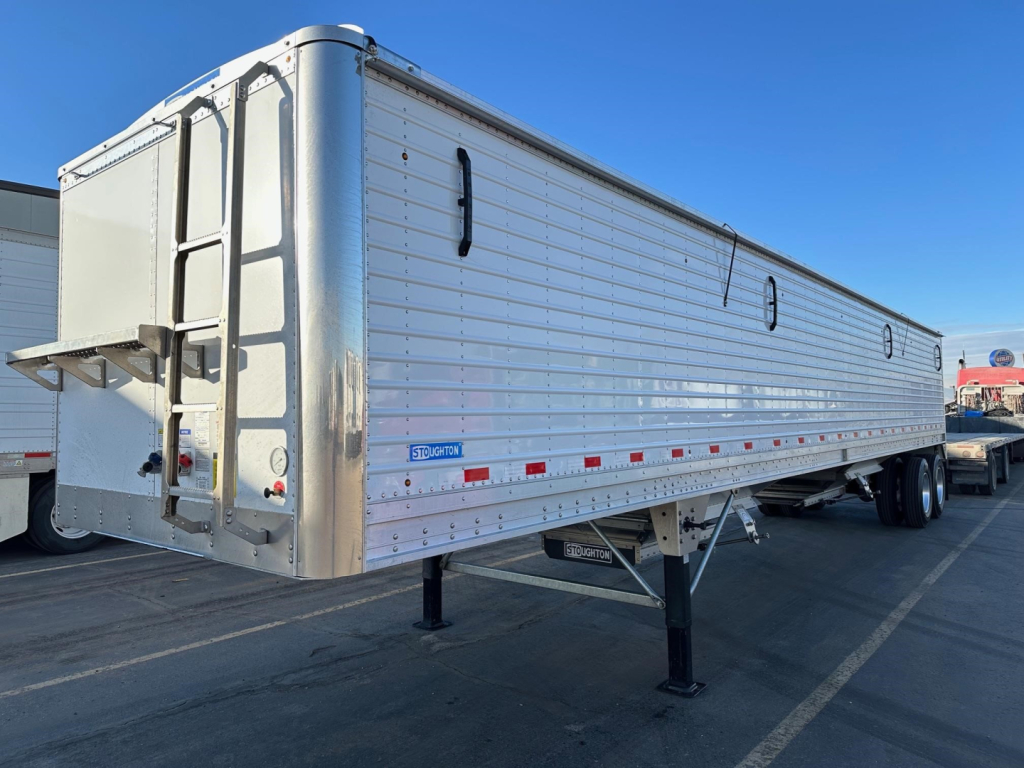
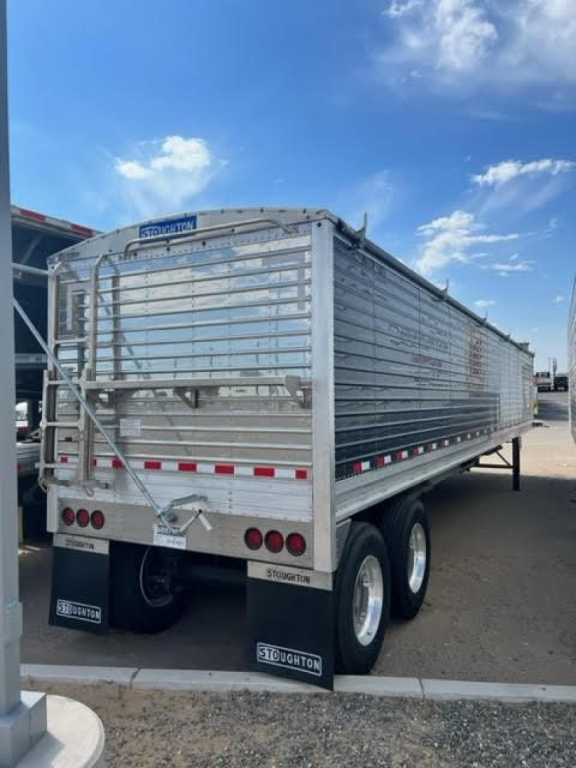
Selling a 2025 stoughton trailer? List your 2025 stoughton trailer for sale and reach thousands of commercial buyers.
2025 Stoughton Trailers
For dry van buyers, the important decisions usually come down to tare weight, floor life, cargo control setup, and axle configuration. Stoughton vans are commonly spec'd with aluminum roof panels, composite or aluminum side construction, wood or steel floor support systems, and interior wall protection such as aluminum scuff plate or plywood lining. Logistics posts matter if the trailer will handle mixed pallet freight, retail distribution, or load bars. Swing doors are still preferred in many over-the-road applications because of full rear opening access and lower long-term maintenance compared with some roll-up configurations, while roll-up doors remain useful in city delivery or frequent dock work. Suspension choice also matters. Air ride helps protect sensitive freight and can improve ride quality, while spring ride remains a simpler and lower-cost option in some regional or doubles applications.
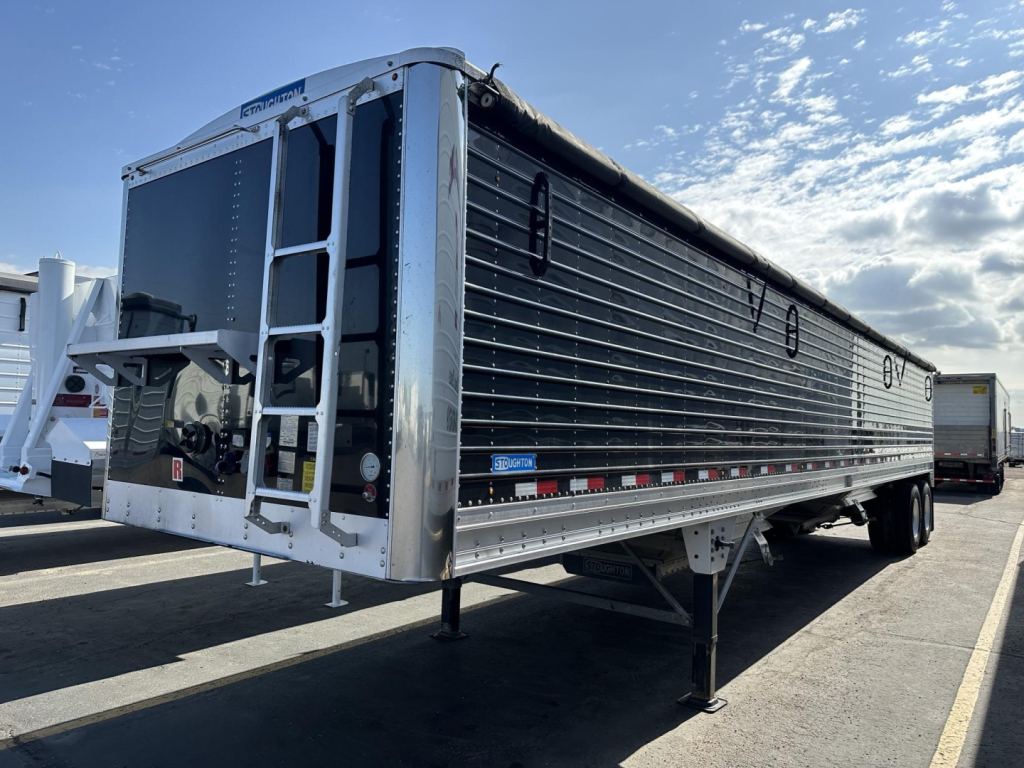
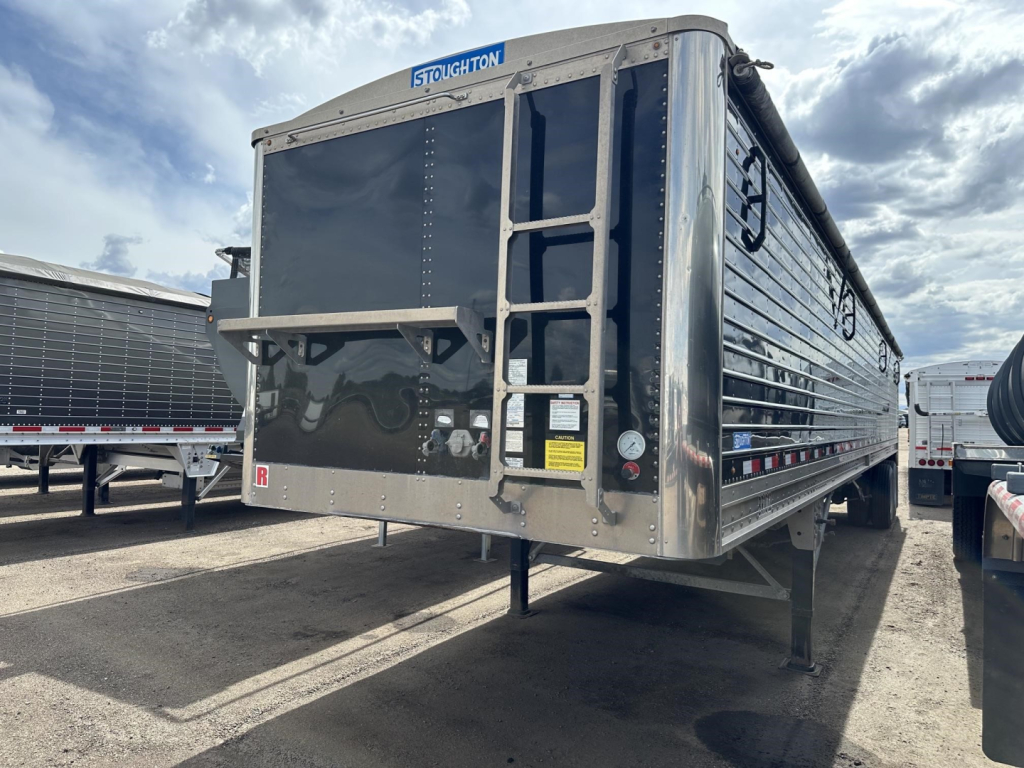
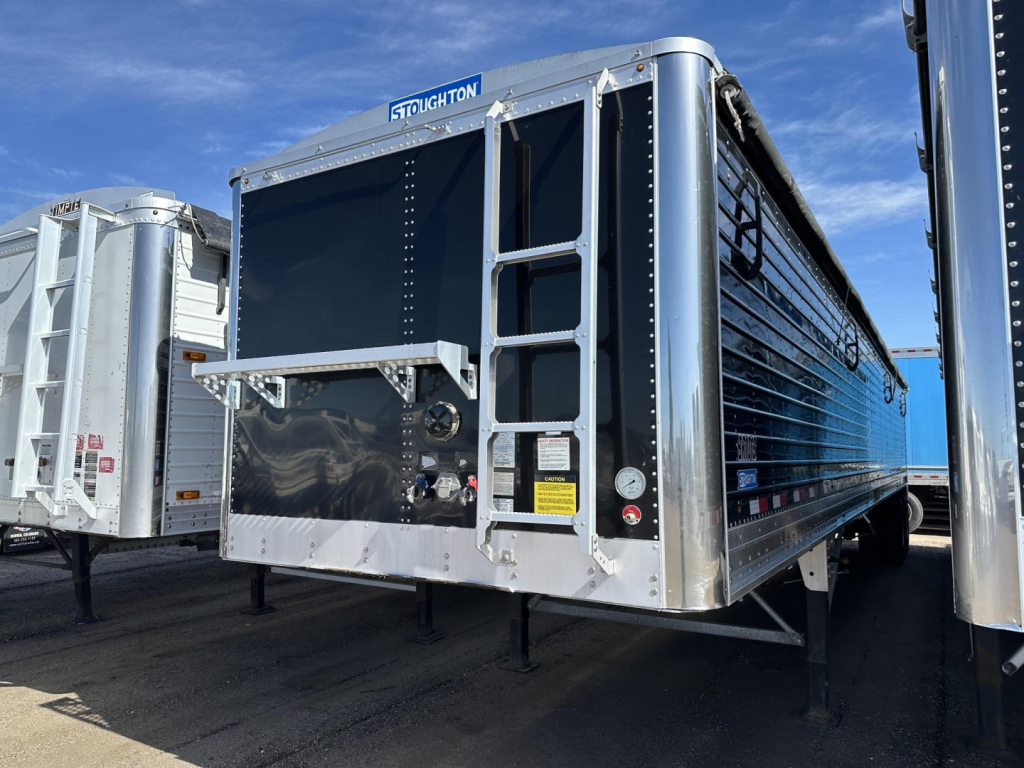
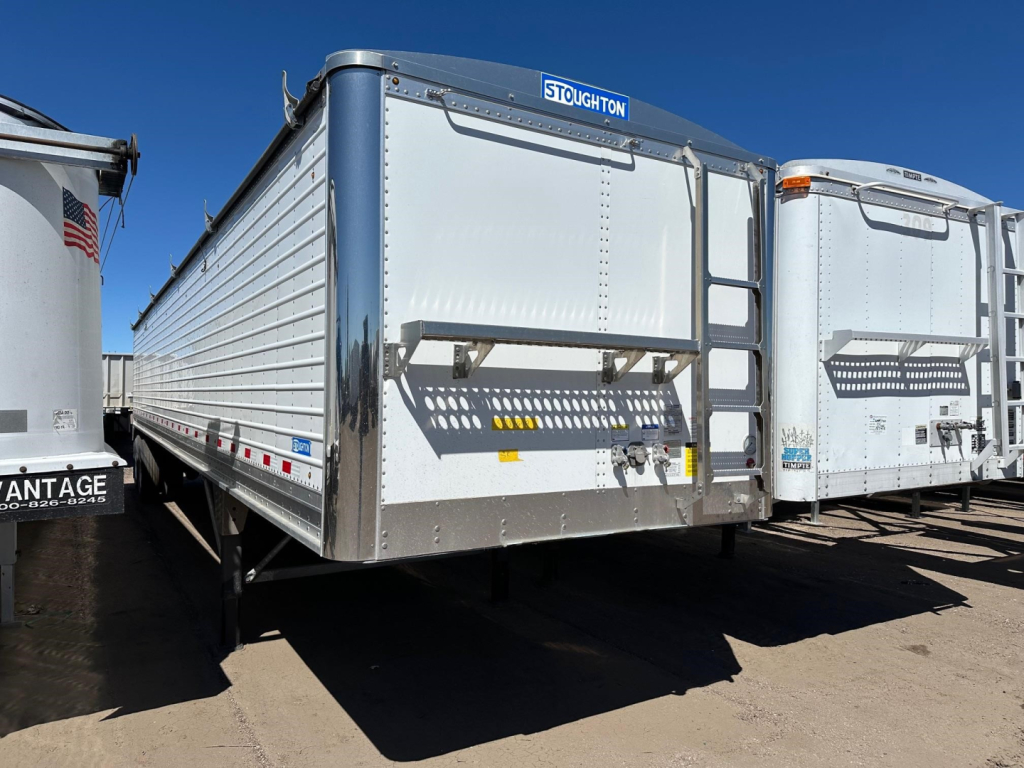
On the hopper side, a 2025 Stoughton grain trailer is usually evaluated on cubic capacity, side height, hopper design, trap operation, tarp system, and cleanout practicality. Common specs include 96-inch width, 74-inch sidewalls, tandem axles, air ride, and a combination of aluminum and steel wheels depending on target weight and cost. Stainless front corners, corrugated side panels, work lights, rear lighting packages, and load gauges are all useful details for ag operators running long harvest days or loading in low-light conditions. Buyers should pay attention to ground clearance, ladder and catwalk placement, and whether the trailer uses manual trap controls or a powered setup. Those details affect unload speed, driver effort, and how well the trailer fits the elevator, feed mill, or on-farm routine.
A good 2025 Stoughton trailer spec is the one that matches freight type, lane conditions, and maintenance expectations. Dry van fleets usually focus on dock compatibility, payload efficiency, and interior durability. Hopper buyers tend to focus on commodity flow, ease of tarp use, corrosion resistance, and seasonal uptime. Across both categories, key checkpoints include brake type, tire size, wheel material, kingpin and tandem settings, flooring condition or subframe design, and how the trailer's empty weight compares to its intended payload. Stoughton trailers are generally bought for straightforward serviceability and fleet-friendly specs, so the best comparison is not just year and price, but how the trailer is equipped for the work you need it to do every day.
Frequently Asked Questions about 2025 Stoughton Trailers
What types of 2025 Stoughton trailers are most common on the market?
The most common 2025 Stoughton trailers buyers will see are dry van trailers and grain hopper trailers. Dry vans are built for enclosed freight such as palletized consumer goods, retail freight, and general warehouse freight. Hopper trailers are built for bulk agricultural commodities such as corn, soybeans, feed, and similar products. The correct choice depends almost entirely on cargo type, loading method, and whether the operation needs dock loading or gravity discharge.
What should I look for in a 2025 Stoughton dry van trailer?
Focus on length, axle setup, suspension, rear door style, and interior cargo control. A typical fleet dry van is 53 feet long and 102 inches wide, often with a wood floor, scuff liners, and logistics posts. Sliding tandems offer flexibility for bridge law compliance and dock positioning, while fixed tandems can reduce complexity in dedicated lanes. Buyers should also check roof construction, floor rating, brake condition, and whether the trailer has the interior setup needed for bars, straps, or mixed freight securement.
What matters most when buying a 2025 Stoughton hopper trailer?
The main factors are capacity, side height, hopper configuration, suspension, tarp operation, and discharge controls. A hopper trailer used in grain service needs to unload cleanly, seal well, and hold up under seasonal heavy use. Air ride suspension is common for ride quality and trailer protection. Manual tarps and manual traps are still widely used, but buyers should consider driver workload and unloading speed if the trailer will run multiple turns per day. Lighting, ladders, catwalks, and corrosion-resistant components are also important in daily farm and elevator service.
Are Stoughton trailers considered good for fleet use?
Stoughton trailers are generally well regarded for fleet service because they are typically spec'd with practical, standardized components and durable body designs. That matters for maintenance planning, parts sourcing, and uptime. Fleet buyers often prefer trailers that can be repaired efficiently and matched to existing maintenance programs. Stoughton van and hopper models are commonly chosen by operators who want straightforward construction, predictable performance, and specs that align with real-world freight or ag hauling demands.
How do I compare two 2025 Stoughton trailers with similar pricing?
Start with application fit, then compare tare weight, suspension, axle position, wheel and tire spec, door or hopper equipment, and structural details. On a dry van, differences in floor construction, logistics package, and tandem type can affect both revenue and maintenance cost. On a hopper, differences in side height, trap design, tarp system, and wheel mix can change payload and operating convenience. Similar pricing does not always mean equal value, especially if one trailer is better matched to your lanes, commodity, or loading environment.