
2025 XL Specialized Trailers For Sale
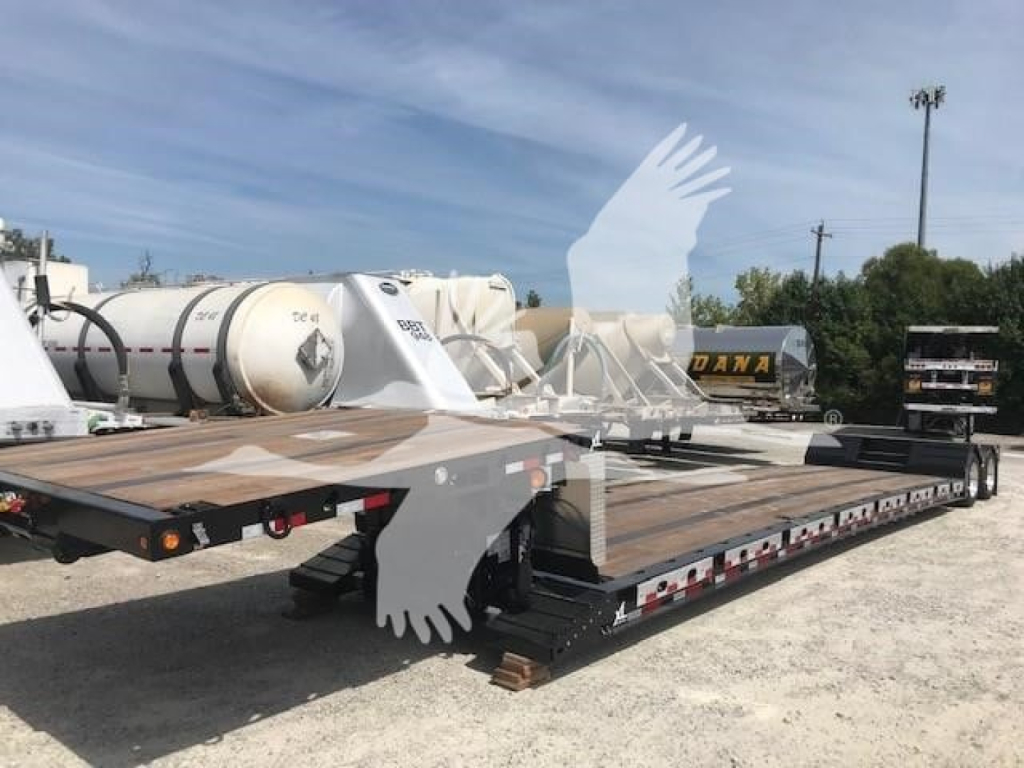
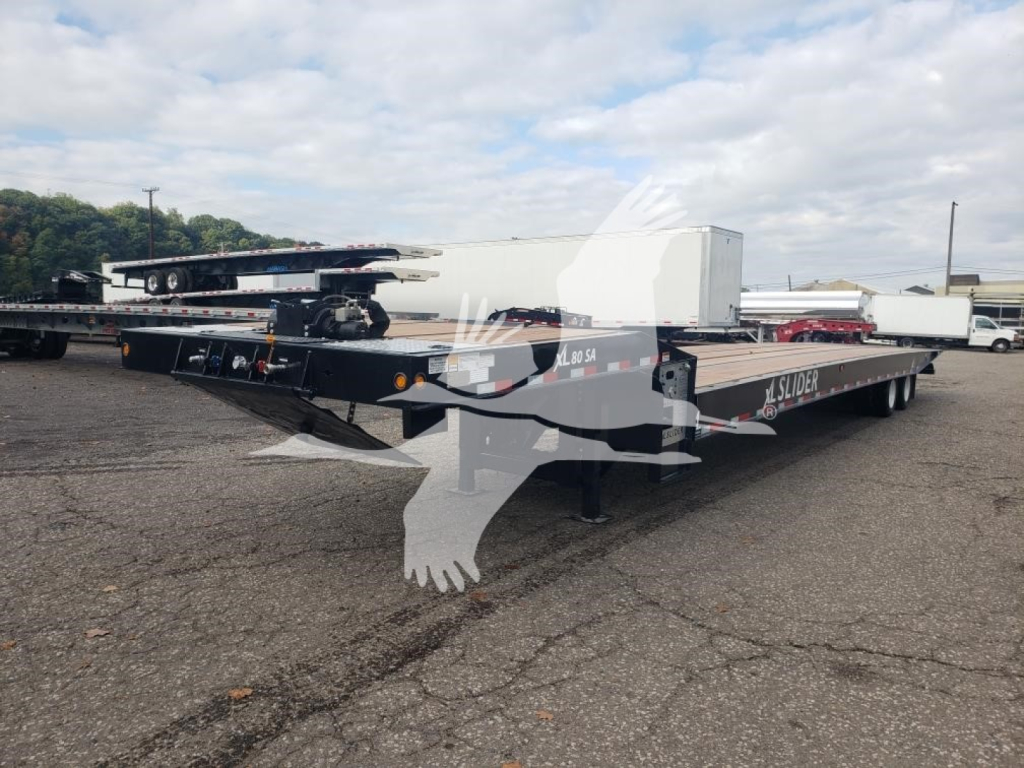
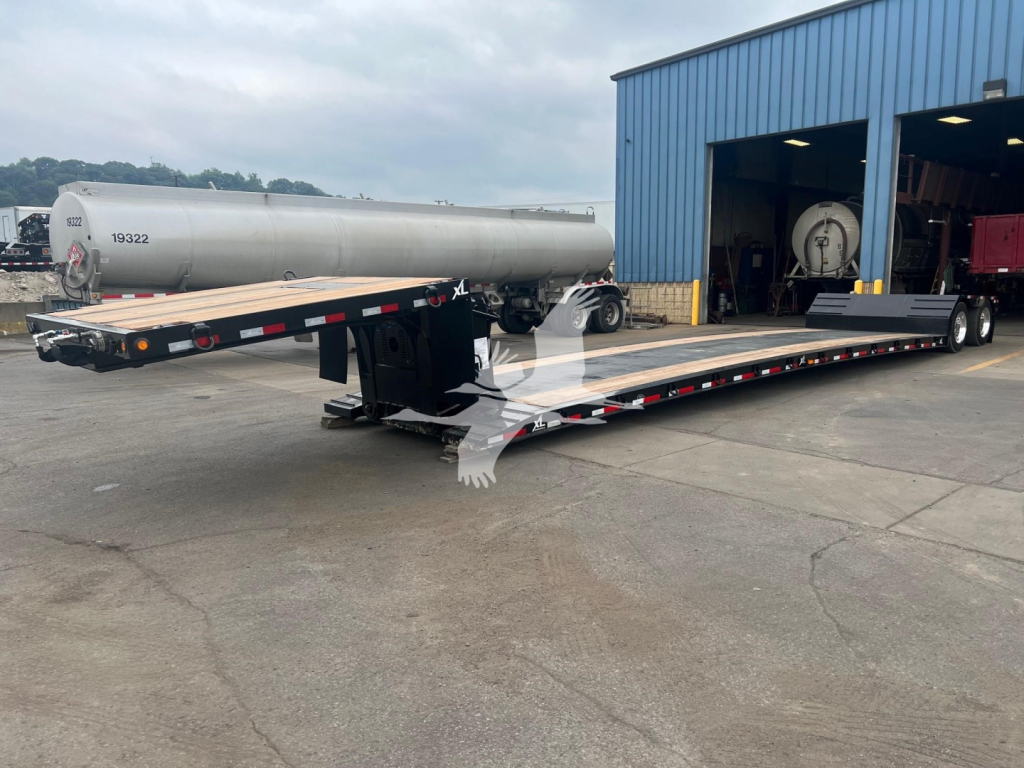
Shop 2025 XL Specialized trailers with lowboy, detachable gooseneck, and traveling axle configurations built for heavy haul and equipment transport.
Looking for the easiest place to sell your 2025 xl specialized trailer? List it here to reach thousands of buyers.
2025 XL Specialized Trailers
A lot of the buying decision comes down to load profile. For taller equipment, a lowboy or detachable gooseneck trailer gives you a much lower loaded deck height than a conventional flatbed, which helps stay legal on bridge and overhead clearance. Common specs in this class include 53-foot overall length, 102-inch width, 10-foot to 13-foot top decks, 26-foot to 42-foot main decks, and tandem or tridem axle groups with air ride suspension. XL Specialized models often show up with 80,000-pound distributed ratings on lighter detachable models and 55-ton or 110,000-pound class ratings on heavier lowboy configurations. Features like flip axle connections, hydraulic detachable goosenecks, ride height control, rear lift axles, boom wells, bucket wells, and swing-out or pullout outriggers are worth close attention because they directly affect what machines you can load and how easily you can position weight.
Deck construction and securement layout are just as important as gross rating. Apitong flooring is common because it stands up well to tracked equipment and concentrated contact points. Crossmember spacing, outer beam design, chain slot spacing, and the number and placement of D-rings or chain drops all affect day-to-day usability. Buyers moving excavators, pavers, dozers, tractors, and other self-propelled equipment should also look closely at ramp style, ground clearance, swing clearance, and whether the trailer is set up for future flip axles or jeep configurations. If the trailer will stay in regional heavy haul service, details like 17.5-inch or 22.5-inch rubber, Hendrickson air ride suspension, aluminum outside wheels, manual dump valves, liquid-filled gauges, and adjustable ride height systems can make a real difference in maintenance, loading angle, and permit flexibility.
For fleets and owner-operators comparing 2025 XL Specialized trailers, the smart approach is to match the trailer to the freight first, then evaluate tare weight, axle configuration, and deck geometry. A lower tare can improve payload on an 80K class detachable, while a heavier 110HDG-style lowboy may be the right tool for concentrated construction loads and multi-axle permitting. If you regularly cross state lines, check bridge law implications, axle spacing, kingpin setting options, and whether the configuration is California legal or designed for specific permit routes. The best trailer in this category is the one that fits your load mix, your tractor hydraulic setup, and the legal envelope you run in every week.
Frequently Asked Questions about 2025 XL Specialized Trailers
What are XL Specialized trailers commonly used for?
XL Specialized trailers are commonly used for hauling heavy equipment, construction machinery, agricultural equipment, and over-dimensional freight. Lowboy and detachable gooseneck models are especially popular for excavators, dozers, loaders, cranes, and other tall or concentrated loads that need a low deck height and stronger weight distribution than a standard flatbed can provide.
What is the difference between an XL Specialized lowboy and a traveling axle trailer?
An XL Specialized lowboy uses a low main deck and usually a detachable gooseneck to keep loaded height down for taller equipment. A traveling axle trailer typically has a higher deck but uses a hydraulic axle system and winch setup that can simplify loading certain equipment and improve approach angle in some applications. The right choice depends on machine height, weight concentration, and how often you need a detachable neck for drive-on loading.
What specs matter most when buying a 2025 XL Specialized trailer?
The most important specs are payload rating, loaded deck height, axle count, axle spacing, deck length, neck type, and securement layout. Buyers should also verify kingpin settings, swing clearance, ground clearance, crossmember spacing, flooring type, and whether the trailer has options such as flip axle connections, lift axles, outriggers, boom wells, bucket wells, or ride height control. These details determine legal loadability and day-to-day versatility far more than model year alone.
Why is apitong flooring common on XL Specialized trailers?
Apitong is widely used because it handles heavy point loads, track equipment, and repeated loading cycles better than many softer wood options. In specialized hauling, the floor takes abuse from steel tracks, buckets, and loading ramps, so apitong remains a preferred choice for durability, service life, and grip.
Should I choose a tandem axle or tridem XL Specialized trailer?
A tandem axle trailer can be a strong fit for lighter heavy haul work, lower tare weight, and simpler maintenance. A tridem setup is usually the better choice when you need higher load ratings, improved weight distribution, and more flexibility for heavier construction or specialized freight. The decision should be based on your typical machine weights, permit requirements, and the states you run most often.