
2025 XL Specialized Trailers For Sale in Pennsylvania
Shop 2025 XL Specialized trailers for sale in Pennsylvania. Compare lowboy and hydraulic detachable trailer specs, capacities, and deck layouts.
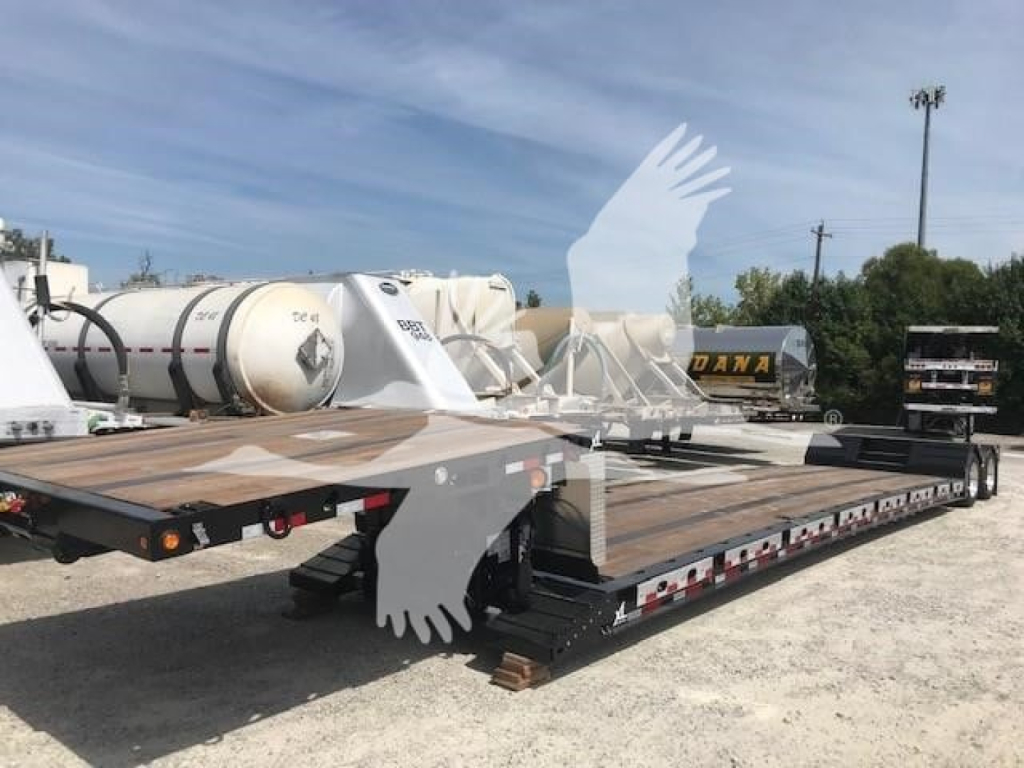
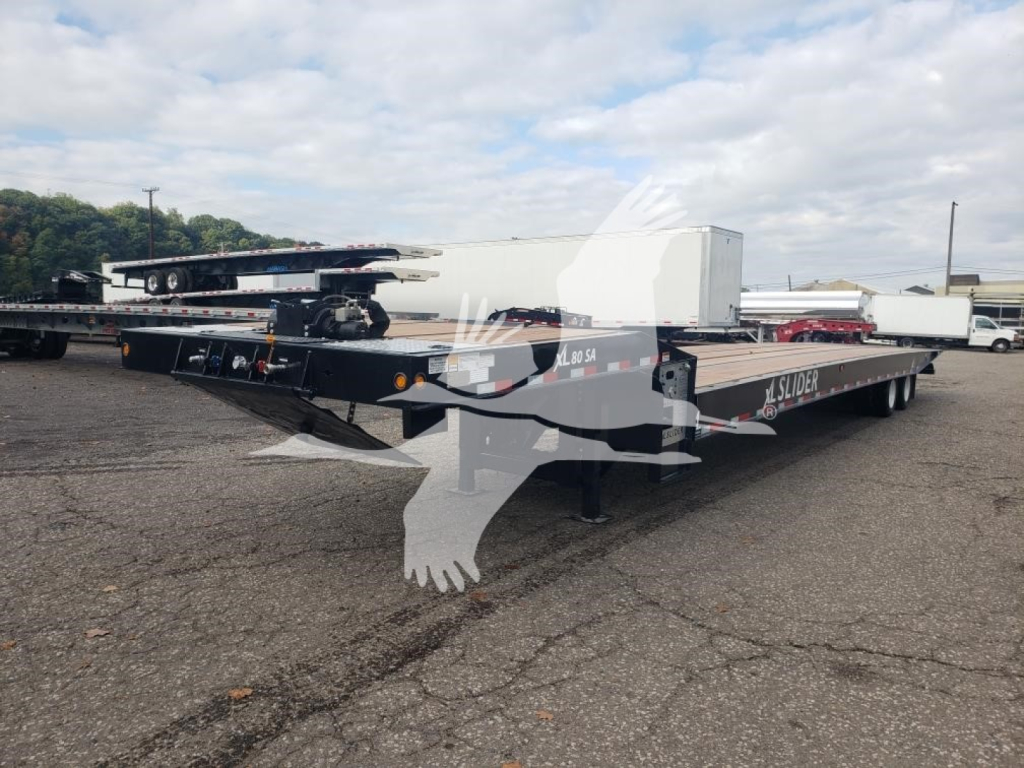
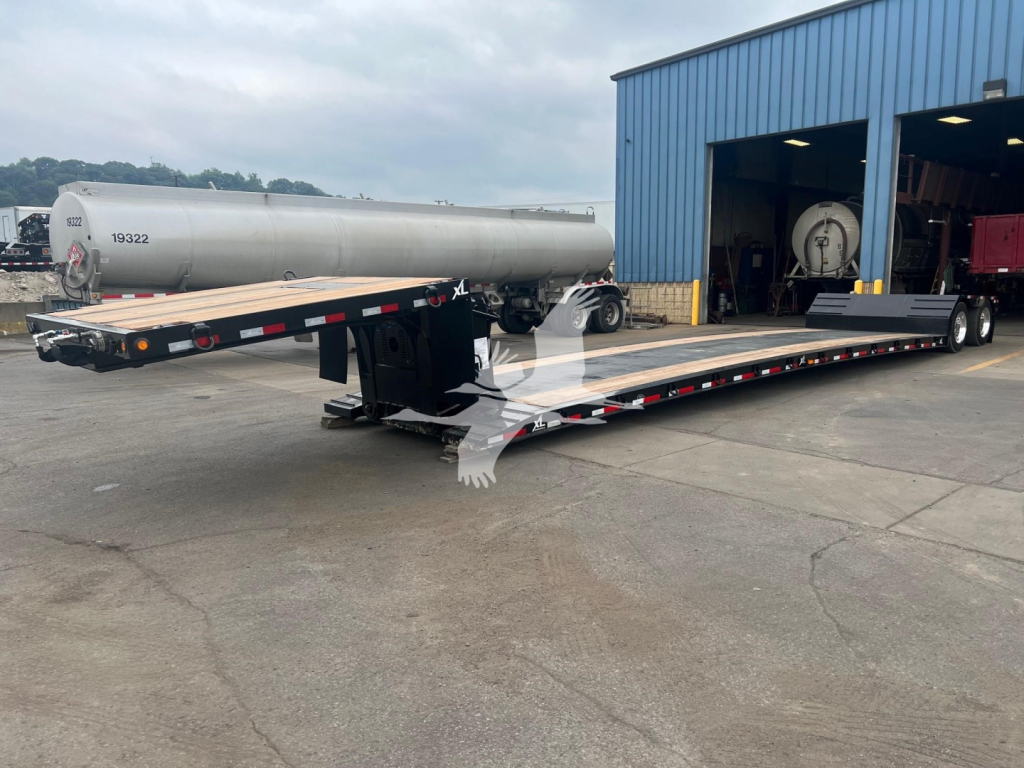
Looking for the easiest place to sell your 2025 xl specialized trailer? List it here to reach thousands of buyers.
2025 XL Specialized Trailers in Pennsylvania
One of the first decisions is capacity and deck style. XL Specialized trailers commonly show up in 40-ton, 50-ton, and 55-ton class configurations, with some models designed to accept a flip axle or additional spreader setup for higher gross capability. Main deck lengths often fall in the mid-20-foot range on heavier hydraulic detach units, though mini-deck and specialized models can offer longer clear deck for compact equipment with tight loading geometry. Loaded deck height is a major spec because it affects overall loaded height and machine compatibility. Many buyers look for 15-inch to 18-inch loaded deck height on lowboys, while mini-deck variants can run even lower. Features like apitong flooring, bucket wells, boom wells, swing-out outriggers, chain drops on 24-inch centers, and multiple D-ring placements are more than convenience items. They directly affect how easily the trailer handles varied iron and how efficiently a driver can secure a load.
The gooseneck and suspension setup deserve close scrutiny. XL Specialized hydraulic detachable goosenecks are often non-ground-bearing designs with multiple ride height positions at the fifth wheel, which helps when matching different tractors and loading conditions. Two-position kingpin settings are also common and can be useful for dialing in axle weights across different tractors and permitting scenarios. Air ride suspension, manual dump valves, raise-and-lower controls, and axle lift functions are standard features many heavy-haul buyers expect because they improve loading angle, maneuverability, and tire wear management. Tire size, axle spacing, wheel material, brake spec, and flip axle compatibility all matter if the trailer will spend time on long Pennsylvania routes, secondary roads, or in and out of uneven jobsites. Buyers comparing listings should also watch for practical options such as front flip ramps, toolbox placement, work lights, flag holders, and battery-backed strobes, since these details can reduce setup time and improve roadside compliance.
For most operations, the best 2025 XL Specialized trailer is the one that matches the fleet's actual freight mix instead of the highest rated trailer on paper. A contractor moving excavators and dozers every day may prioritize low deck height, bucket pocket design, and fast detach operation. A carrier handling mixed machinery may lean toward a 55-ton class trailer with a longer well, more securement flexibility, and future flip axle capability. In Pennsylvania, condition and spec alignment often matter as much as age because a well-configured trailer with the right suspension controls, deck layout, and clearance dimensions can be more productive than a newer trailer with the wrong geometry. Buyers should compare GVWR, concentrated load rating, swing clearance, rear deck design, and securement hardware before narrowing down by price alone.
Frequently Asked Questions about 2025 XL Specialized Trailers in Pennsylvania
What are XL Specialized trailers best known for?
XL Specialized trailers are best known in the heavy-haul market for hydraulic detachable lowboy designs with strong frame construction, practical deck layouts, and fleet-friendly spec choices. They are commonly used to haul excavators, dozers, loaders, pavers, and other construction equipment that requires a low deck and controlled loading angle. Many buyers also value the brand for its availability in multiple ton ratings and for options such as flip axle prep, apitong decking, bucket wells, and swing-out outriggers.
What capacity should I look for in an XL Specialized lowboy trailer?
The right capacity depends on the actual operating weight, track width, and axle spacing of the equipment being hauled. XL Specialized lowboys are often seen in 40-ton to 55-ton classes, with some units designed to increase gross capability through a flip axle or additional axle setup. Buyers should look beyond the headline ton rating and confirm the trailer's distributed load rating, deck length where the rating applies, and how that matches the machines they move most often. A trailer that fits the daily freight mix usually performs better than a higher-rated unit that adds unnecessary tare weight or the wrong deck geometry.
Why do deck height and deck length matter so much on heavy-haul trailers?
Deck height directly affects loaded overall height, center of gravity, and machine compatibility. A lower loaded deck height can make permit planning easier and may allow taller machines to move without removing attachments. Deck length matters because it determines how the machine's tracks or tires sit over the rating zone and how well axle weights can be balanced. On XL Specialized trailers, buyers often compare 26-foot class wells, rear deck length, boom wells, and bucket pockets to make sure the trailer fits the exact equipment profile they haul.
What trailer features are most important for Pennsylvania heavy-haul work?
Pennsylvania buyers often pay extra attention to kingpin settings, axle spacing, suspension controls, and overall deck geometry because permit routes, bridge considerations, and mixed terrain can all affect performance. Air ride suspension with raise-and-lower capability, manual dump valves, axle lift functions, and flip axle compatibility can all be valuable in this market. Practical field features such as chain drops, D-rings, outriggers, front flip ramps, strobes, and work lights also matter because they improve securement flexibility and day-to-day usability on jobsites and secondary roads.
Is a hydraulic detachable gooseneck better than other lowboy styles?
A hydraulic detachable gooseneck is often preferred for frequent equipment loading because it allows the trailer to detach quickly and create a smoother loading path for tracked and wheeled machines. That can reduce loading time and improve safety compared with setups that require more manual handling or steeper approach angles. On XL Specialized trailers, hydraulic detach designs are especially popular in construction and equipment transport because they combine low deck height with efficient loading, but the best choice still depends on the type of machinery, loading surface, and how often the trailer is used.