
2025 Trailers For Sale in New Mexico
Shop 2025 trailers for sale in New Mexico, including flatbed, dump, reefer, and lowboy trailer configurations for regional and heavy-duty work.
Selling a 2025 trailer? List your 2025 trailer for sale and reach thousands of commercial buyers.
2025 Trailers in New Mexico
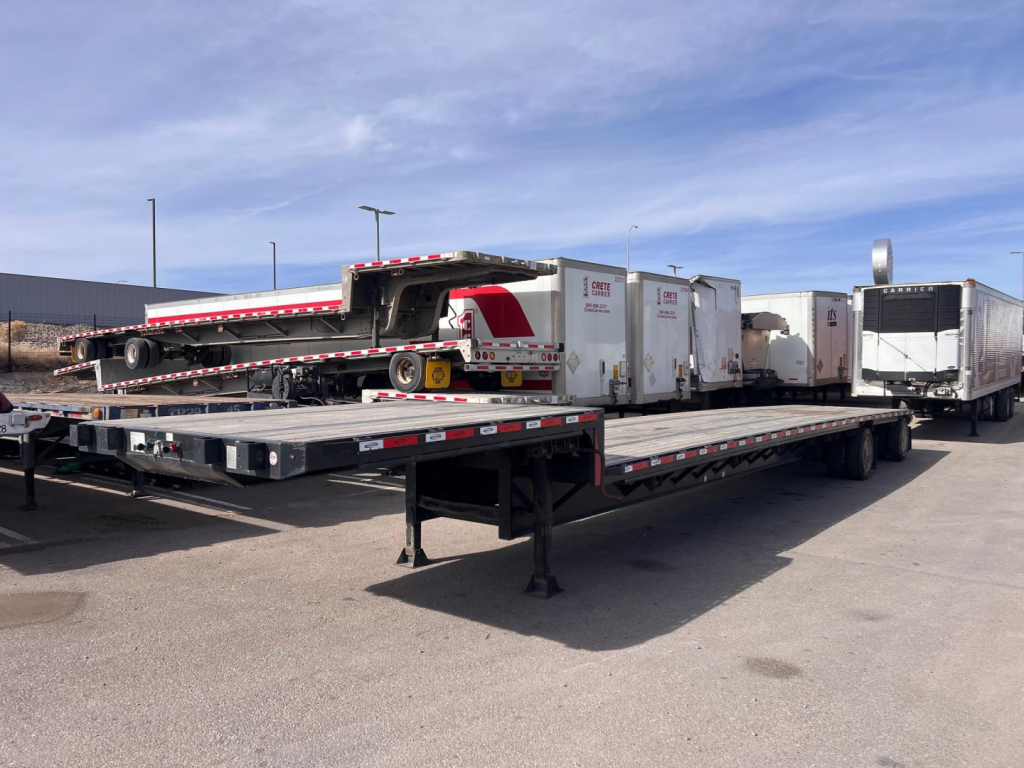
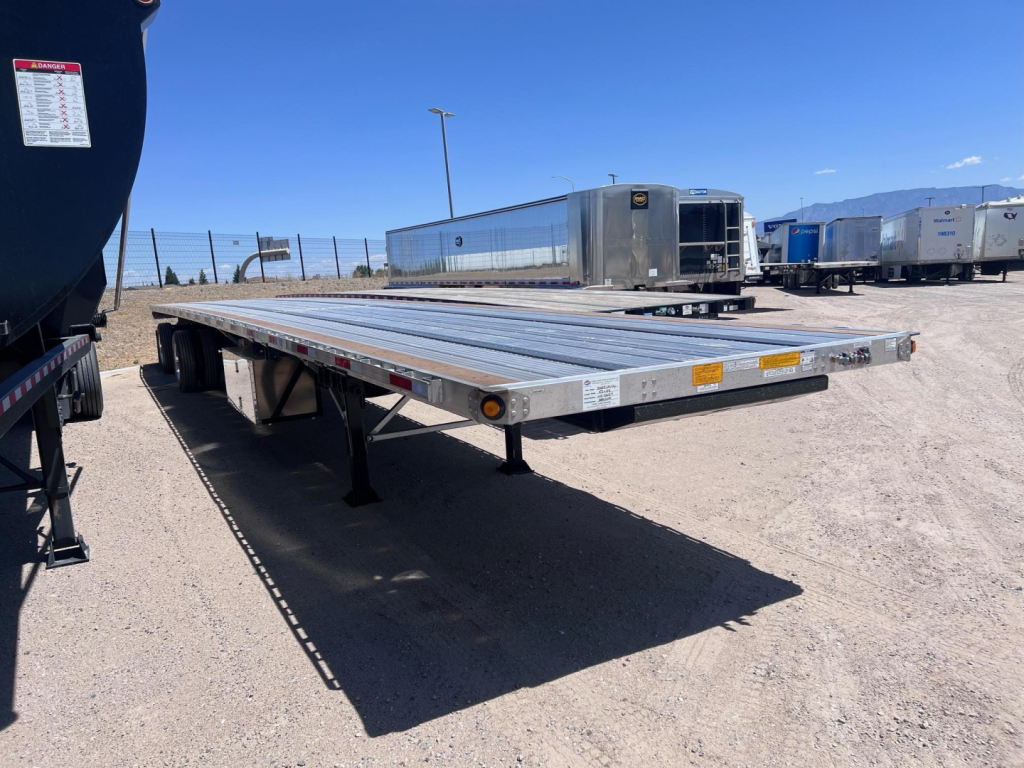
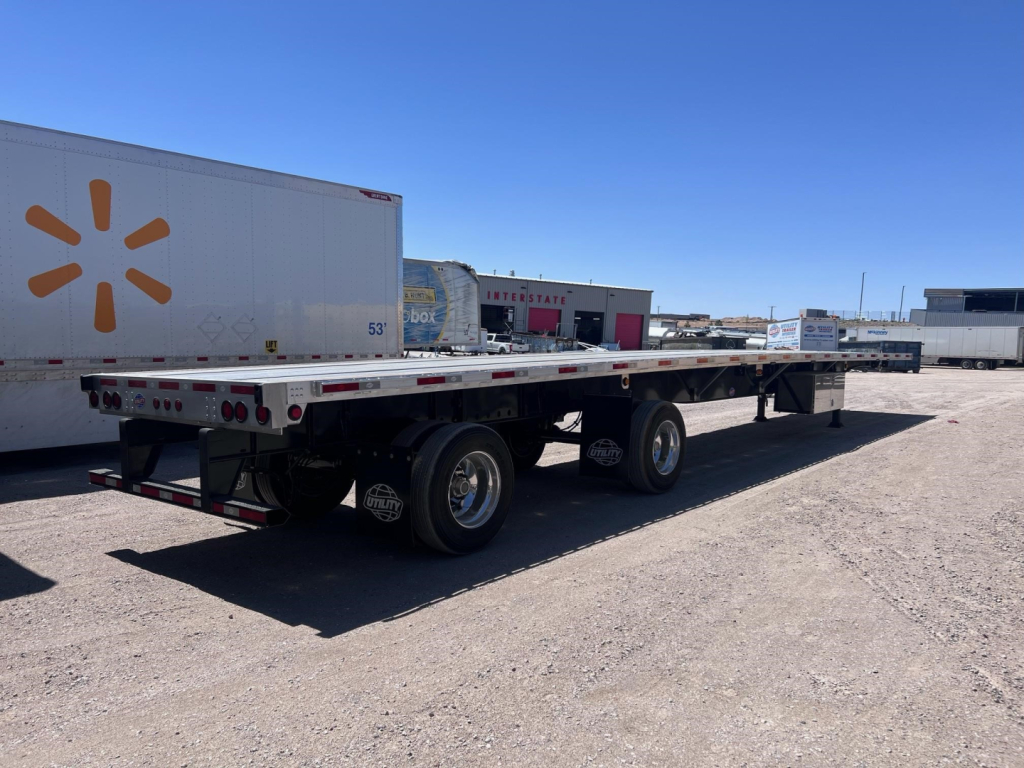
Flatbed trailers, also known as open deck trailers, are commonly spec'd in 48-foot and 53-foot lengths with 102-inch width, tandem axles, air ride suspension, and either all-steel, aluminum, or combo construction. Buyers typically focus on main beam design, crossmember spacing, rear slide or fixed axle setup, winch track layout, stake pockets, pipe spools, nail strips, and deck material. A combo flatbed can help with payload while still holding up in regional steel, lumber, machinery, and building material service. If you run into California or need bridge-law flexibility, kingpin setting and sliding axle arrangement become key details.
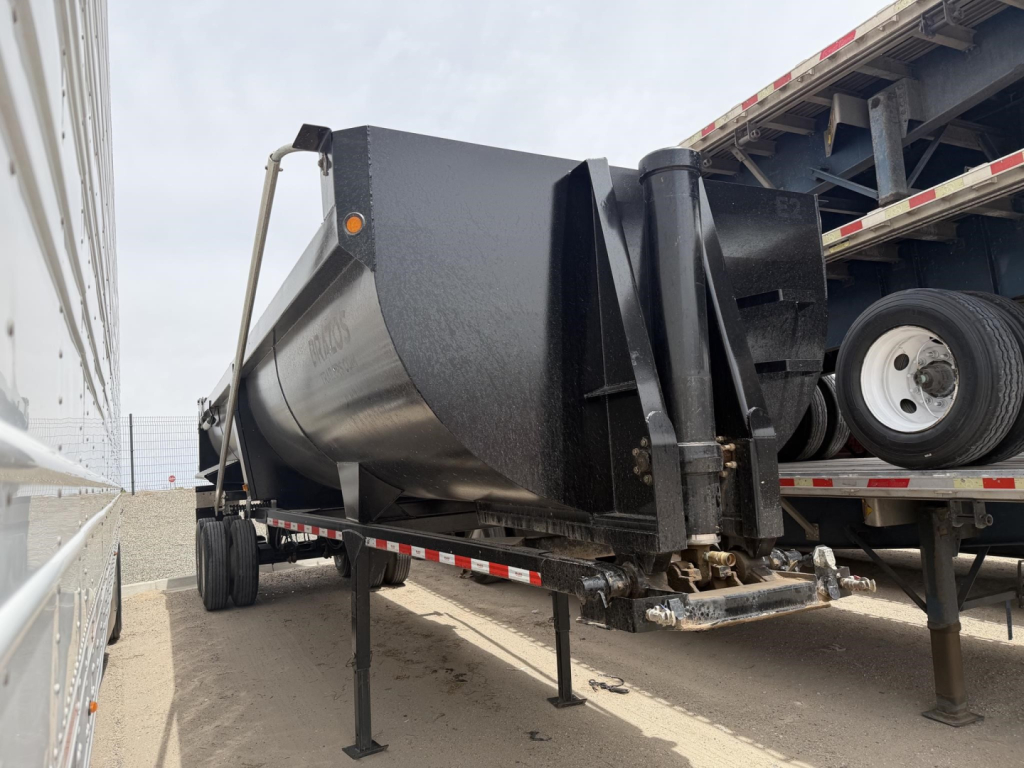
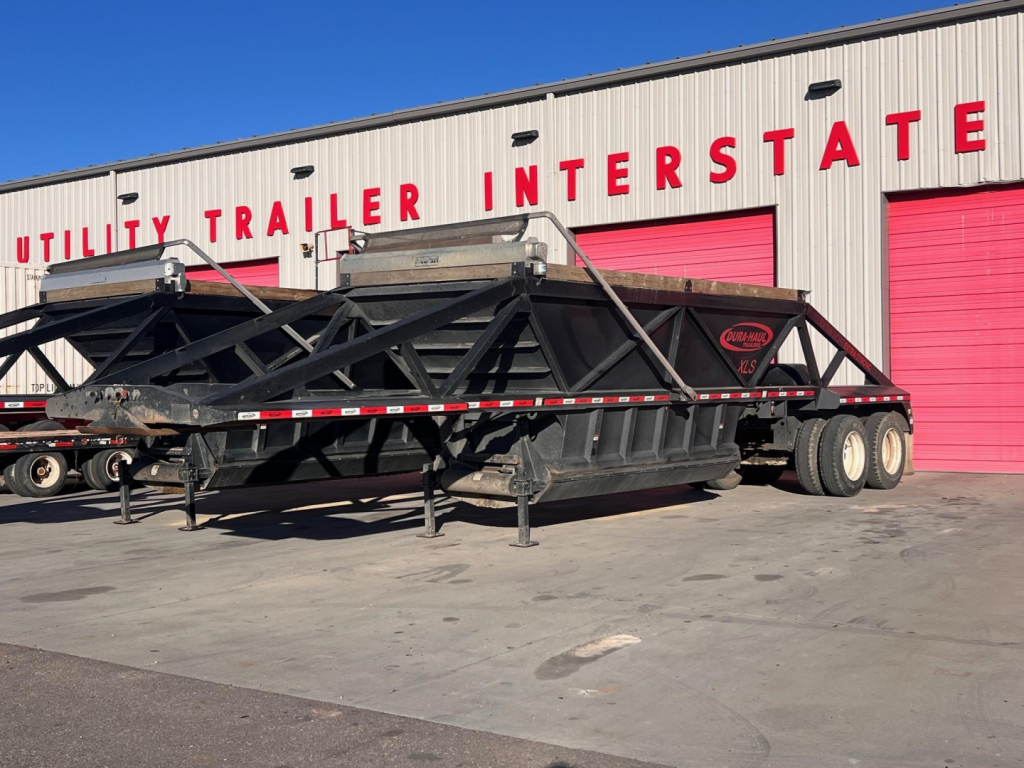
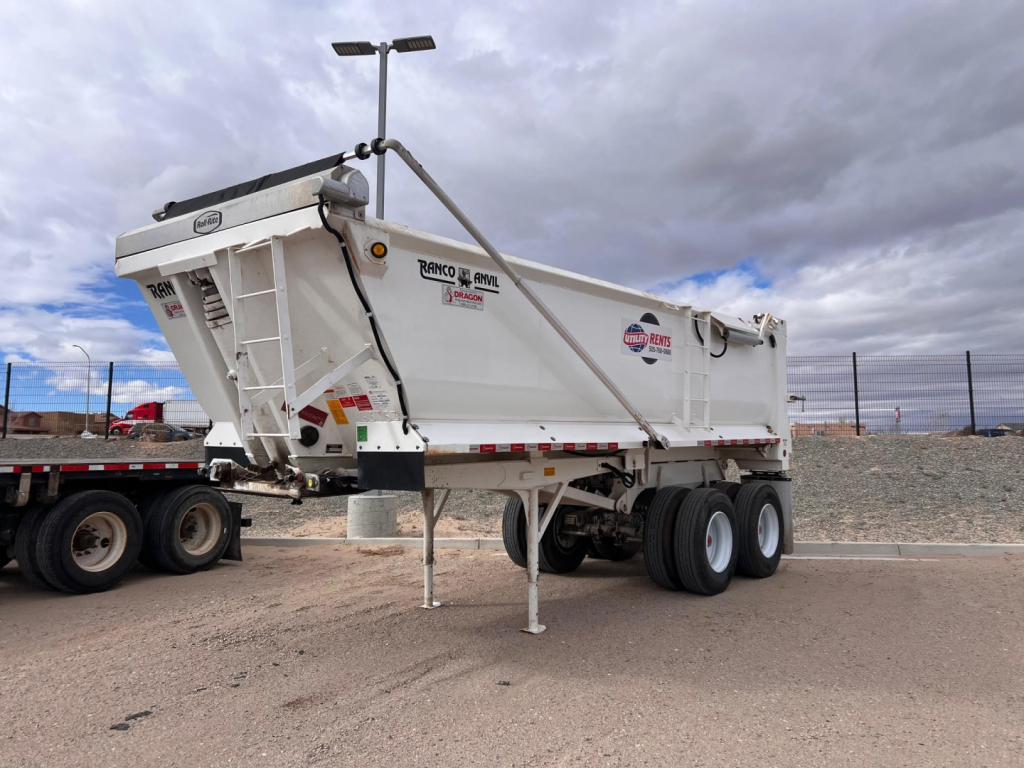
Dump trailers in the 2025 model year cover several very different applications. End dumps are often chosen for rock, demolition, and bulk material where high cubic capacity and fast unload cycles matter, while bottom dumps are favored for paving, road base, and controlled material spread. Important specs include tub shape, frame style, gate design, tarp system, suspension type, axle spacing, liner or wear package, and overall empty weight. In New Mexico, buyers often look closely at body material, AR steel use in high-wear areas, and suspension durability because rough access roads and abrasive materials can shorten service life if the trailer is underbuilt.
Reefer trailers and lowboy equipment trailers round out two other major 2025 trailer segments. A reefer trailer, also called a refrigerated trailer, should be evaluated on insulation package, floor design, unit brand and hours if applicable, chute and air delivery layout, door configuration, scuff liners, and slider setup. For lowboy and heavy-haul applications, deck height, ground clearance, axle configuration, load rating, flip axle compatibility, D-ring placement, and neck style matter more than cosmetics. Across all trailer types, buyers should pay attention to tire size, wheel material, landing gear, electrical harness quality, LED lighting, ABS compliance, and serviceability, because the right spec on paper only works if the trailer fits the freight, the roads, and the maintenance program.
Frequently Asked Questions about 2025 Trailers in New Mexico
What should I compare first when shopping for a 2025 trailer in New Mexico?
Start with application, axle layout, and trailer construction. A flatbed, dump, reefer, and lowboy may all be trailers, but they are built around very different freight and duty cycles. In New Mexico, buyers should also consider highway distance, off-road exposure, weight sensitivity, and state or regional bridge-law needs. After that, compare suspension, tare weight, body or deck material, brake and lighting spec, and any load-securing or unloading features tied to the work.
Are 2025 flatbed trailers better in aluminum, steel, or combo construction?
Each material choice has a tradeoff. Aluminum flatbeds usually save the most weight and help maximize payload, but they may not be ideal for every severe-duty application. Steel flatbeds tend to offer durability and lower upfront cost, but they add tare weight. Combo trailers use steel main beams with aluminum components to balance strength and payload. The right choice depends on freight type, loading method, annual miles, and how often the trailer sees concentrated loads such as steel coils, equipment, or palletized building products.
What is the difference between an end dump trailer and a bottom dump trailer?
An end dump trailer raises the body to discharge material out the rear, which makes it well suited for rock, scrap, demolition, and other bulk loads that need fast full unloads. A bottom dump releases material through gates underneath the hopper, allowing controlled spread while the trailer is moving. That makes bottom dumps common in paving, road work, and aggregate placement. Buyers should compare capacity, center of gravity during unloading, gate control, frame design, and how the trailer matches the terrain and material being hauled.
What matters most on a 2025 reefer trailer?
The refrigeration unit, insulation package, and floor design are the core items. Buyers should also look at chute design, door seal condition, scuff liners, interior dimensions, slider function, and airflow management. If the reefer has a unit already installed, engine hours and maintenance history are important. A good reefer spec protects temperature control, reduces fuel waste, and stands up to frequent loading cycles without damaging the floor, walls, or rear frame.
How do I choose the right lowboy or heavy-haul trailer setup?
Match the trailer to the heaviest and tallest equipment you plan to move. Key factors are load rating, loaded deck height, number of axles, neck configuration, flip axle compatibility, and tie-down placement. Buyers also need to think about permit requirements, route restrictions, and how often the trailer will carry tracked equipment, machinery, or concentrated axle loads. A lowboy that is correctly spec'd for deck height and axle group can make permitting easier and improve stability on longer heavy-haul moves.