
2025 Dura Haul Trailers For Sale
Shop 2025 Dura Haul trailers including drop decks, dump trailers, and bottom dumps built for heavy hauling, aggregate, equipment, and jobsite work.
Selling a 2025 dura haul trailer? List your 2025 dura haul trailer for sale and reach thousands of commercial buyers.
2025 Dura Haul Trailers
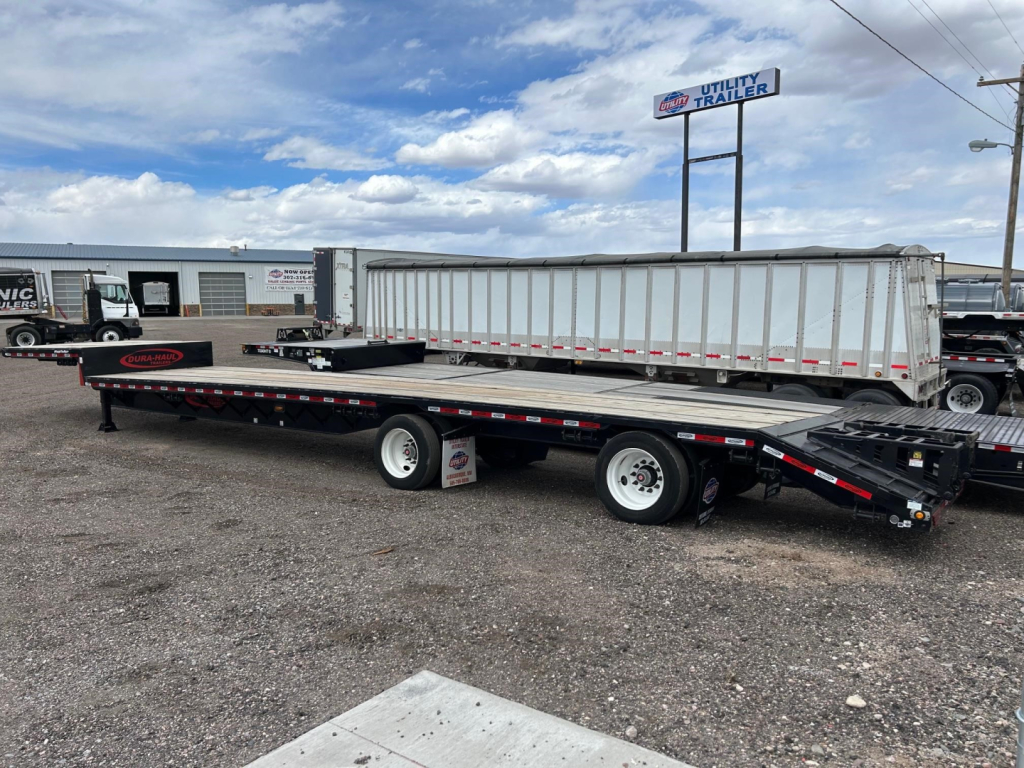
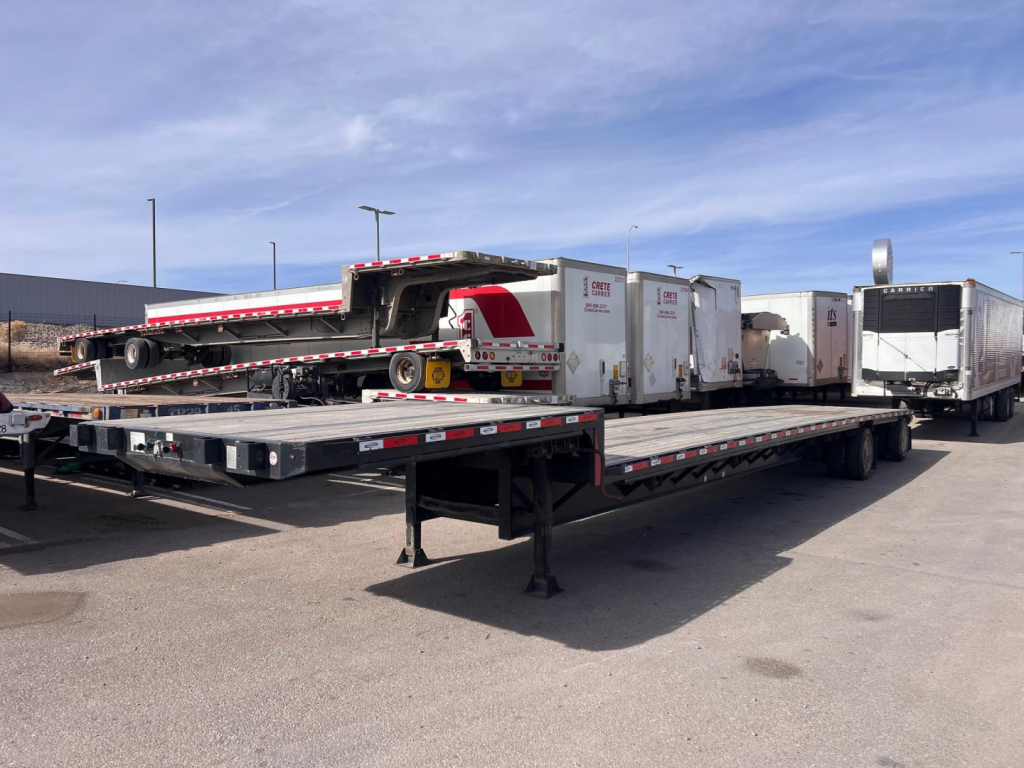
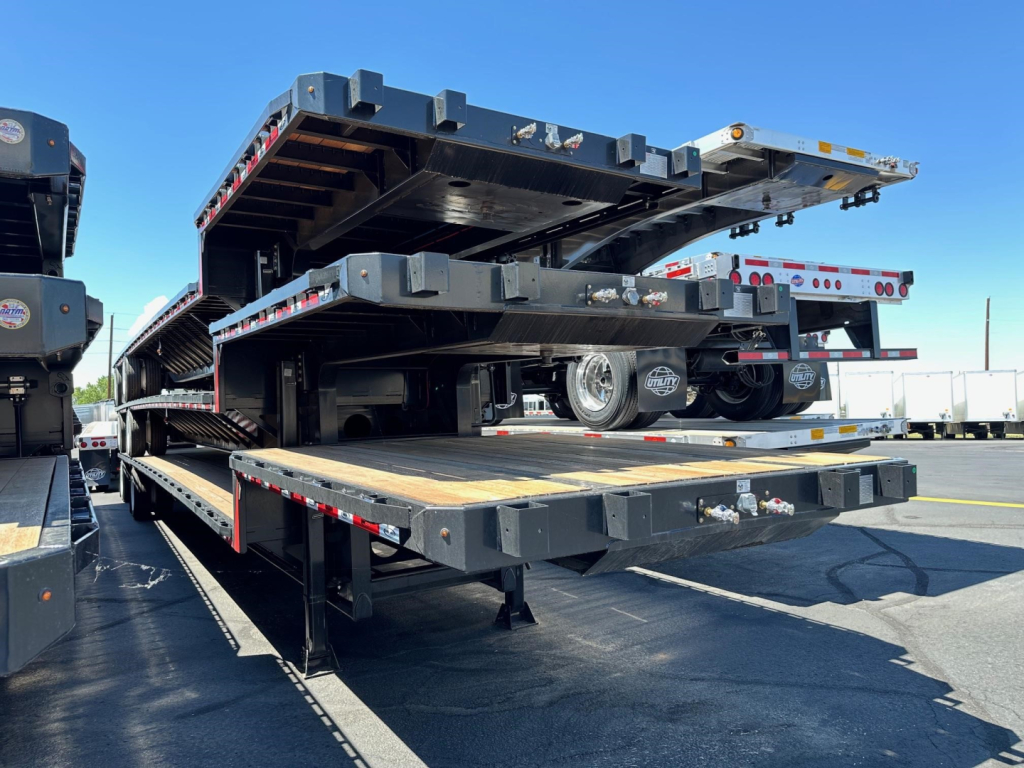
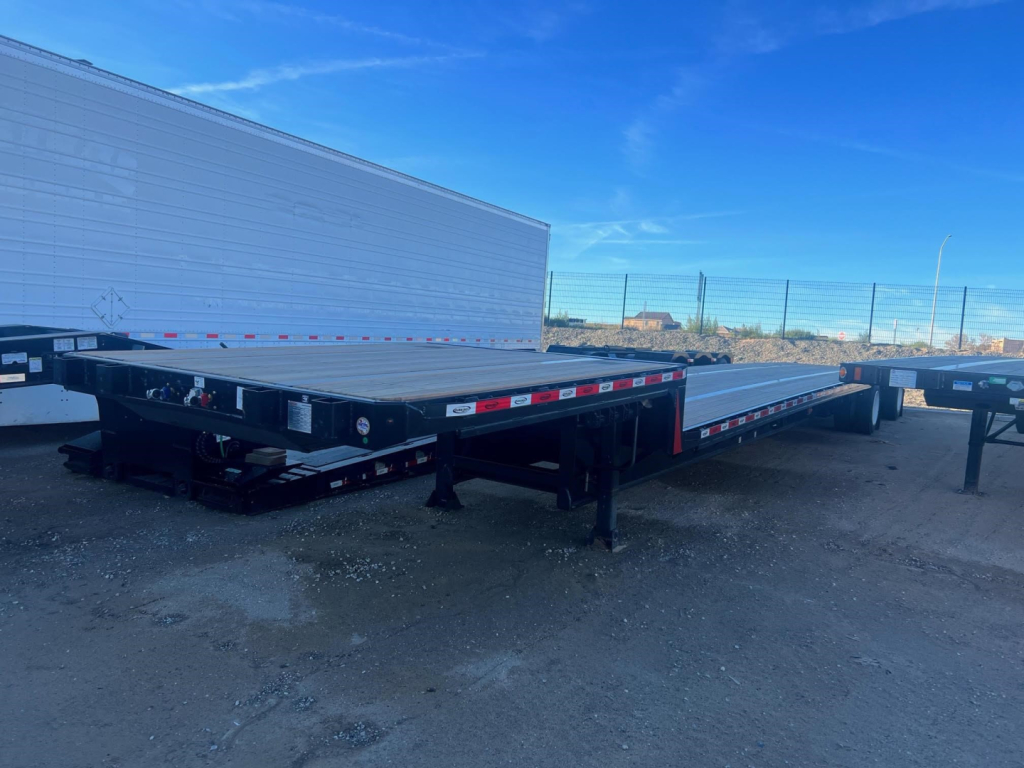
On the drop deck side, Dura Haul trailers are commonly spec'd in 48-foot to 53-foot lengths and 102-inch width, often with steel main beams, Apitong flooring, stake pockets, pipe spools, and sliding winches. Many are built with air ride suspension, fixed tandem or fixed spread axle configurations, and 255/70R22.5 rubber on steel wheels. Beavertail and ramp packages are important if the trailer will regularly load skid steers, compact excavators, paving equipment, or other self-propelled machinery. Buyers should pay close attention to upper deck length, lower deck length, loaded deck height, crossmember spacing, and whether the trailer uses a fixed rear axle group or a spread setup. Those details affect maneuverability, bridge compliance, and how easily the trailer fits the freight you haul every day.
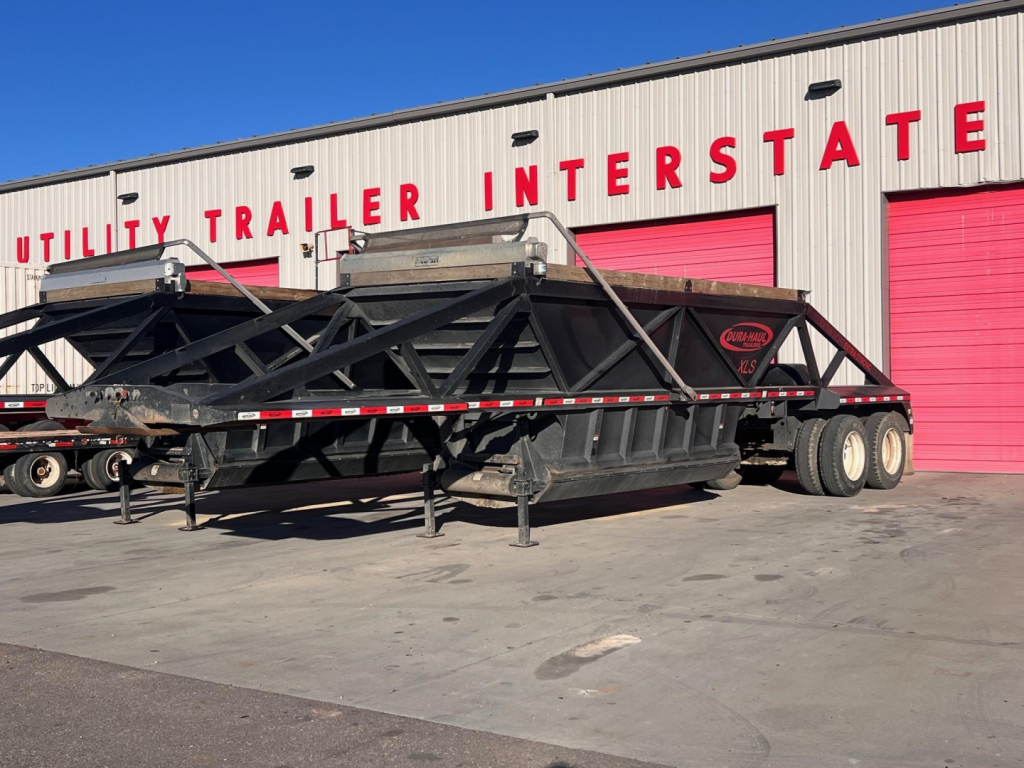
For dump applications, Dura Haul commonly shows up in frameless rock end dumps and steel bottom dump trailers. Frameless half-round end dumps are a practical fit for abrasive material and high-cycle work because the tub design promotes cleaner unloading and resists material hang-up. Specs worth checking include tub material such as AR450 steel, gate type, tarp system, suspension design, and dry volume capacity. A high-lift gate can be useful for larger rock and demolition debris, while single point or air ride suspension can change ride quality and maintenance profile. Bottom dumps are better suited to controlled material placement, especially in roadbuilding and aggregate work where windrow consistency and gate control matter. Features like gate limiters, electric flip tarps, push blocks, top boards, and fenders are common on vocational specs.
A buyer looking at 2025 Dura Haul trailers should evaluate structure first, then operating fit. On a drop deck, inspect the deck condition, ramp arrangement, kingpin area, suspension, and wear around winch tracks, landing gear mounts, and rear frame sections. On a dump trailer, focus on tub wear, hinge points, hoist or gate systems, tarp function, liner condition if equipped, and any cracking around high-stress areas. Dura Haul trailers are generally chosen for work-ready steel construction and practical specs, so the best listing is usually the one whose axle layout, floor or tub material, and load securement package match the route, commodity, and duty cycle of your operation.
Frequently Asked Questions about 2025 Dura Haul Trailers
What types of 2025 Dura Haul trailers are most common?
The most common 2025 Dura Haul trailer types include steel drop deck trailers, drop decks with beavertails and ramps, frameless rock end dumps, and bottom dump trailers. That range covers equipment hauling, crane and construction support, aggregate transport, and controlled material spreading. The category is heavily vocational, so buyers usually shop by application first and then narrow by deck dimensions, tub style, axle configuration, and suspension.
What should I look for on a Dura Haul drop deck trailer?
Focus on deck length, lower deck height, axle spacing, and load securement equipment. Common Dura Haul drop deck specs include Apitong floors, stake pockets, pipe spools, sliding winches, air ride suspension, and tandem or spread axle layouts. If the trailer will haul machines, check for a beavertail, flip ramps, crossmember spacing, and rear frame design. If it will haul dense freight or crane counterweights, pay close attention to concentrated load capability and overall empty weight.
Is a frameless Dura Haul end dump better for rock and demolition material?
A frameless end dump is often a strong choice for rock, riprap, and demolition debris because it reduces trailer tare weight and the half-round tub helps material discharge cleanly. Dura Haul frameless rock trailers are commonly built with abrasion-resistant steel tubs, high-lift or top-hinged gates, and tarp systems suited to construction work. The right spec depends on material size, dump site conditions, and how often the trailer operates on uneven ground.
When does a Dura Haul bottom dump make more sense than an end dump?
A bottom dump makes more sense when the job requires controlled material placement rather than a single rear discharge. Roadbuilding, shoulder work, and aggregate spreading are typical examples. Dura Haul bottom dumps are often equipped with gate limiters, windrow control features, tarps, and air ride suspension. Buyers should verify gate operation, control system condition, hopper design, and axle configuration because those directly affect spread quality and daily productivity.
Are steel Dura Haul trailers a good fit for heavy vocational work?
Steel construction is a strong fit for demanding vocational applications because it offers durability, repairability, and resistance to concentrated loading. Many Dura Haul trailers in this class use steel frames, steel tubs, or full steel platform construction paired with practical fleet specs like steel wheels, drum brakes, and common tire sizes. The tradeoff is usually higher tare weight than an aluminum trailer, so buyers need to balance payload goals against durability and jobsite abuse.