
2025 Dura Haul Drop Deck Trailers For Sale
Shop 2025 Dura Haul drop deck trailers with 48' to 53' lengths, air ride, spread or tandem axle setups, Apitong decking, and hauling-ready specs.
Selling a 2025 dura haul drop deck trailer? List your 2025 dura haul drop deck trailer for sale and reach thousands of commercial buyers.
2025 Dura Haul Drop Deck Trailers
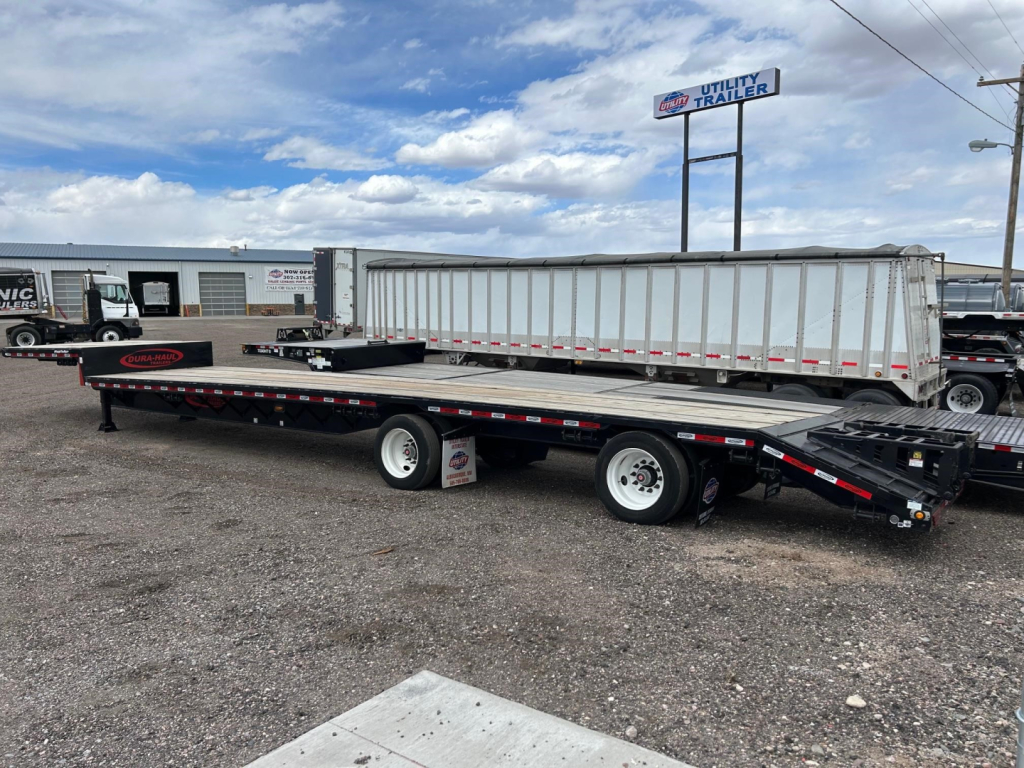
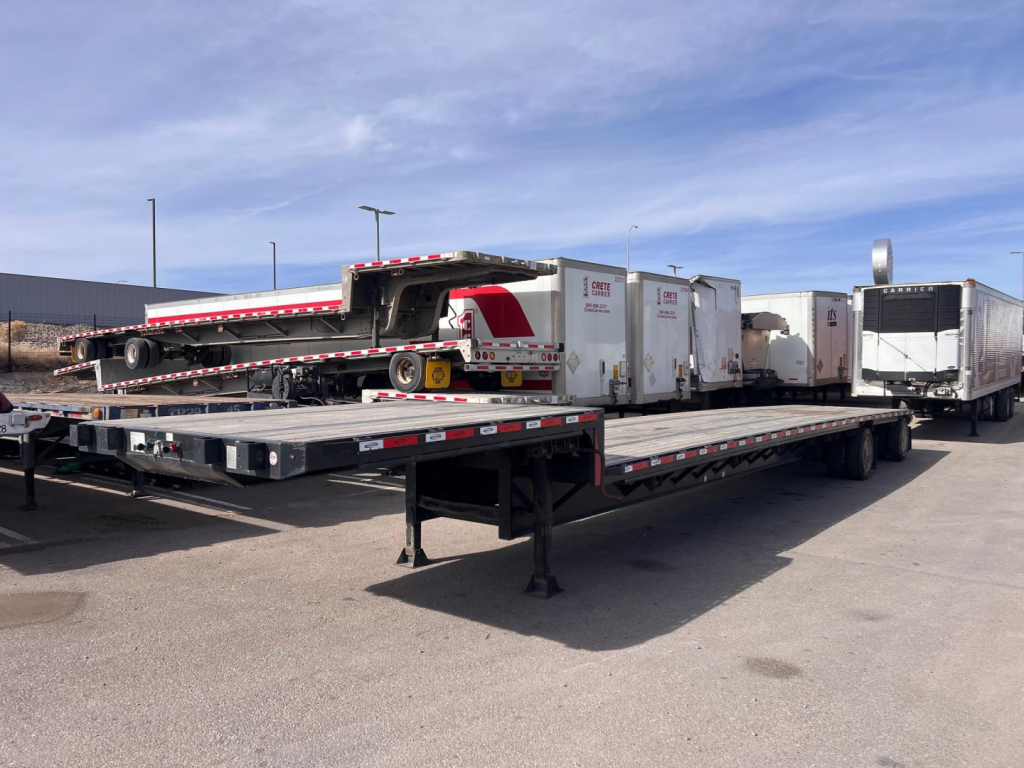
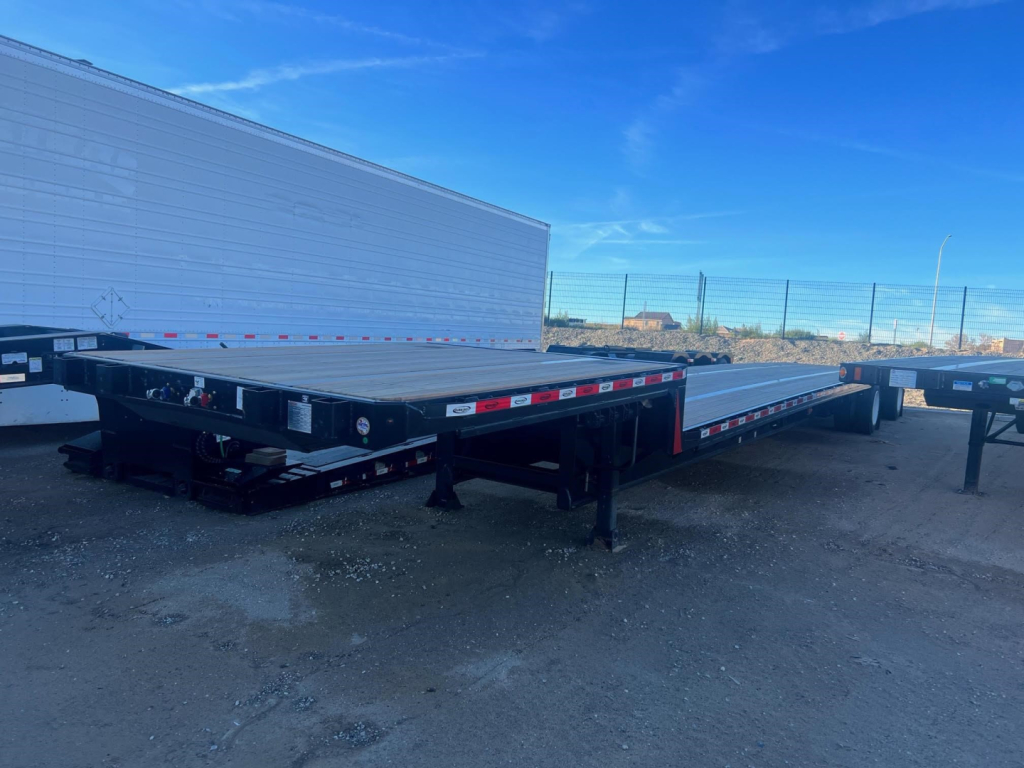
The spec decisions that matter most are overall length, axle configuration, deck layout, and loading method. Common Dura Haul setups in this category include 48-foot and 53-foot trailers at 102 inches wide, often with about a 10-foot 6-inch upper deck and a 37-foot 6-inch or 42-foot 6-inch lower deck. Buyers comparing jobs should pay close attention to spread axle versus closed tandem layouts. A spread axle can improve bridge compliance and load distribution, while a closed tandem can be easier in tighter areas and may simplify certain permit or tire-wear considerations depending on the lane. Air ride suspension, dump valves, 22.5 low-profile tires, and heavy-duty two-speed landing gear are common features that support daily freight work.
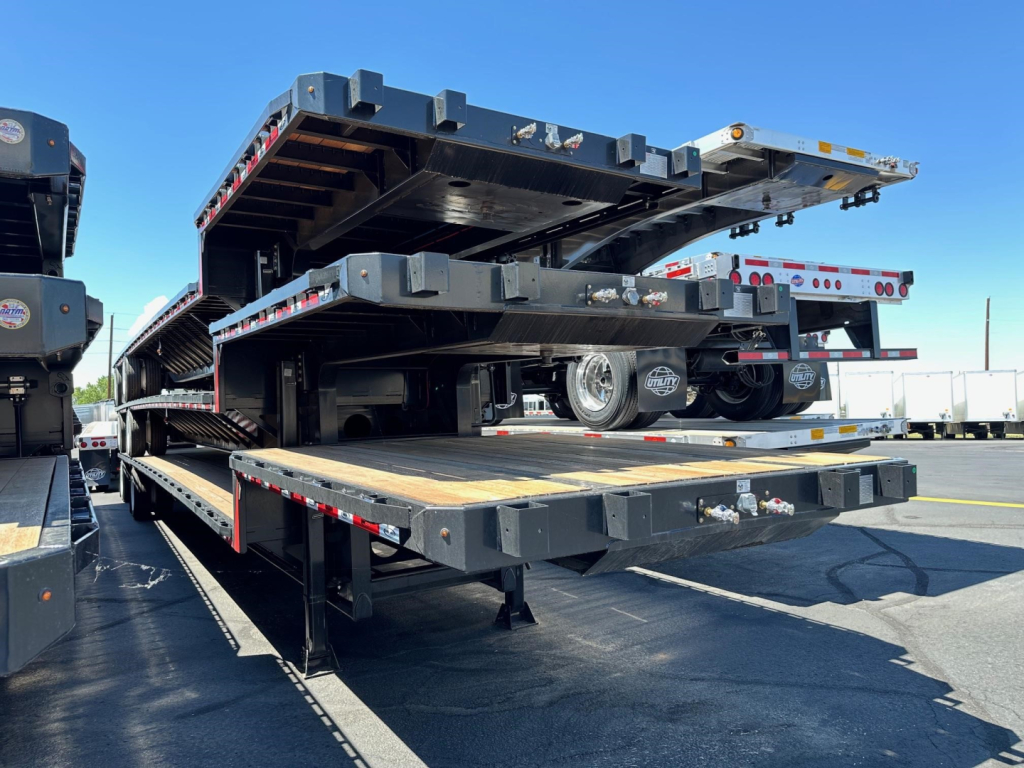
Deck construction and securement hardware are just as important as the headline dimensions. Apitong decking remains a popular choice because it holds up well under repeated loading, concentrated forklift traffic, and chained equipment. Many Dura Haul drop deck trailers are set up with 12-inch crossmember spacing for added floor support, along with stake pockets, pipe spools, and sliding winches for flexible tie-down points. If the freight mix includes equipment or wheeled machines, a beavertail with flush-mount spring-assisted ramps can save time and reduce the need for a separate dock or loading machine. For open-deck freight, that combination makes a drop deck much more versatile than a plain fixed-tail configuration.
A buyer should also look closely at kingpin setting, axle spread, empty weight, and wheel spec because those details affect payload, maneuverability, and compatibility with the tractors already in the fleet. Steel main beams and rails are common for durability, while wheel combinations may include steel inner wheels with aluminum outer wheels to balance cost and weight. For operators hauling mixed commodity freight, a well-spec'd Dura Haul step deck offers a practical middle ground between a flatbed and a specialized heavy haul trailer. The best match depends on whether the work leans more toward general open-deck freight, taller legal loads, or equipment that benefits from ramps and a beavertail.
Frequently Asked Questions about 2025 Dura Haul Drop Deck Trailers
What is the main advantage of a Dura Haul drop deck trailer compared with a flatbed?
The main advantage is lower deck height. A drop deck trailer, also known as a step deck, gives you more legal load height than a standard flatbed while still handling a wide range of open-deck freight. That makes it a strong choice for taller machinery, crated equipment, building products, and other freight that may exceed height limits on a conventional flatbed.
Should I choose a spread axle or a closed tandem Dura Haul drop deck?
A spread axle setup can help with bridge law compliance and load distribution, especially on longer, heavier freight. A closed tandem is often easier to maneuver in tighter yards, jobsites, and urban delivery points. The right choice depends on your lanes, loading patterns, and how often you need turning flexibility versus axle spread benefits.
Why does Apitong decking matter on a drop deck trailer?
Apitong is widely used on open-deck trailers because it is durable, dense, and well suited for repeated loading. It holds up well under forklifts, machinery, and concentrated cargo weight, and it tends to perform better over time than lighter wood options in hard commercial use. For buyers planning to load equipment or palletized freight regularly, deck material is a key durability consideration.
When is a beavertail and ramp setup worth paying for on a step deck trailer?
A beavertail with ramps is worth serious consideration if you haul skid steers, small construction equipment, forklifts, scissor lifts, or other wheeled and tracked machines. It makes self-loading easier and reduces dependence on docks or loading equipment. If your freight is mainly palletized or crane-loaded, a straight lower deck may be the simpler and lighter option.
What specs should I compare first on a 2025 Dura Haul drop deck trailer?
Start with trailer length, lower deck length, axle configuration, suspension type, and deck construction. Then review crossmember spacing, kingpin setting, tire and wheel package, securement equipment such as sliding winches and stake pockets, and whether the trailer includes a beavertail or ramps. These details have a direct effect on payload flexibility, loading speed, maintenance, and how well the trailer fits your freight mix.