
2025 Dorsey Trailers For Sale
Shop 2025 Dorsey trailers for sale, including flatbeds, drop decks, and specialty trailers built for payload, durability, and fleet use.
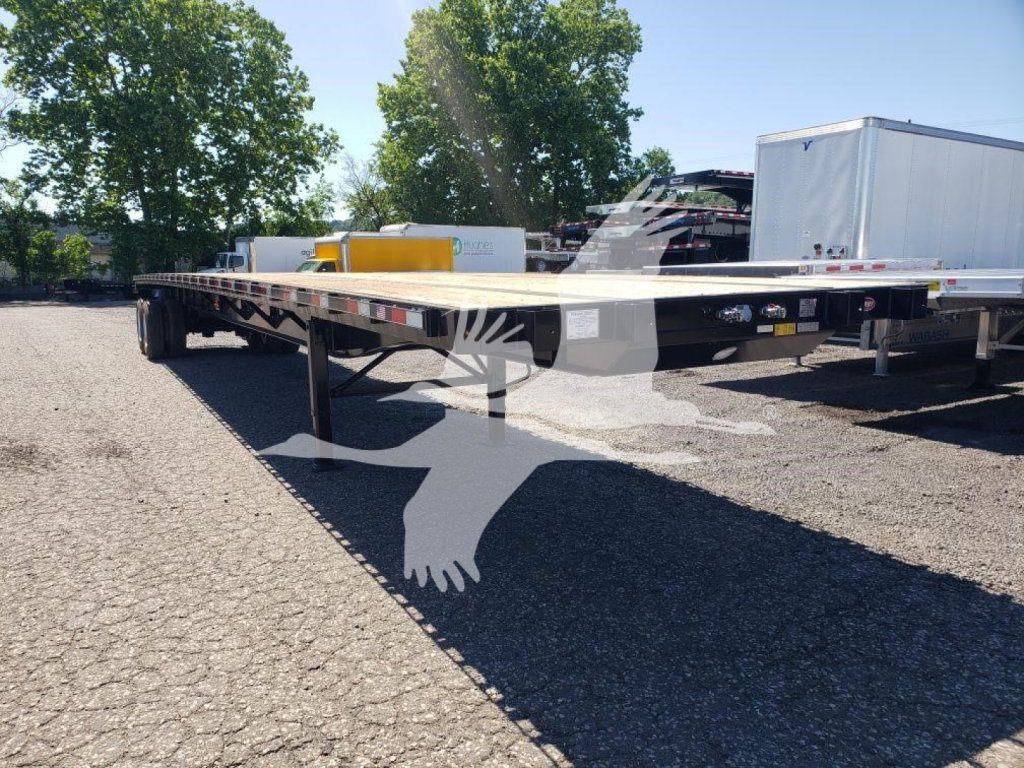
Looking for the easiest place to sell your 2025 dorsey trailer? List it here to reach thousands of buyers.
2025 Dorsey Trailers
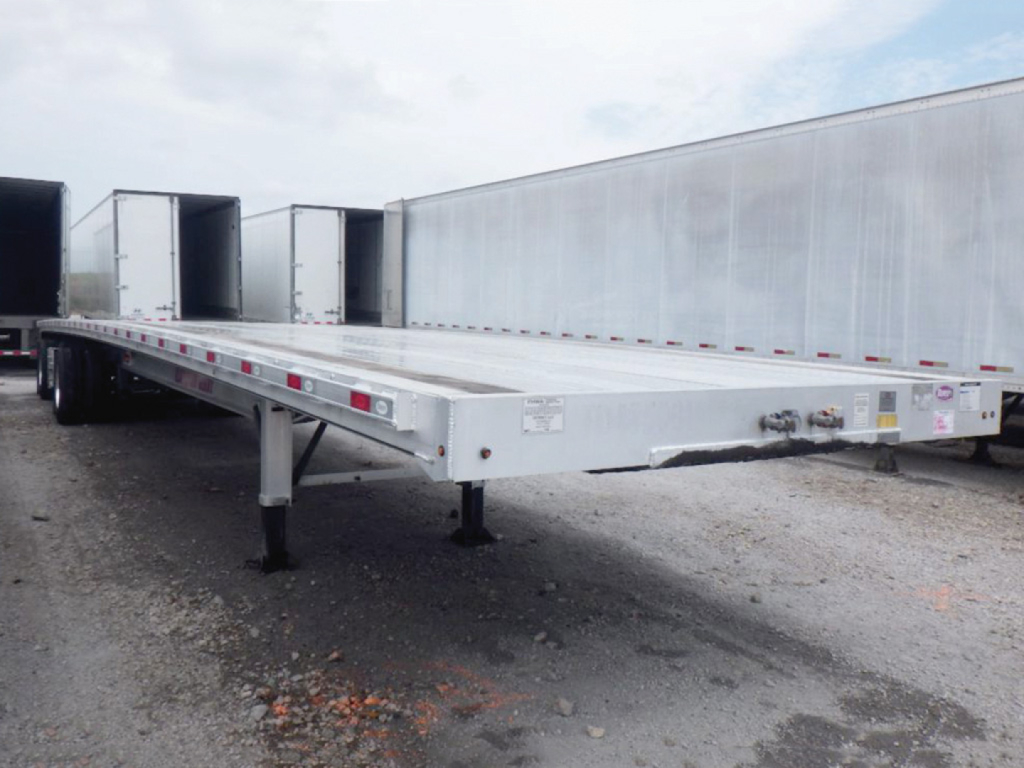
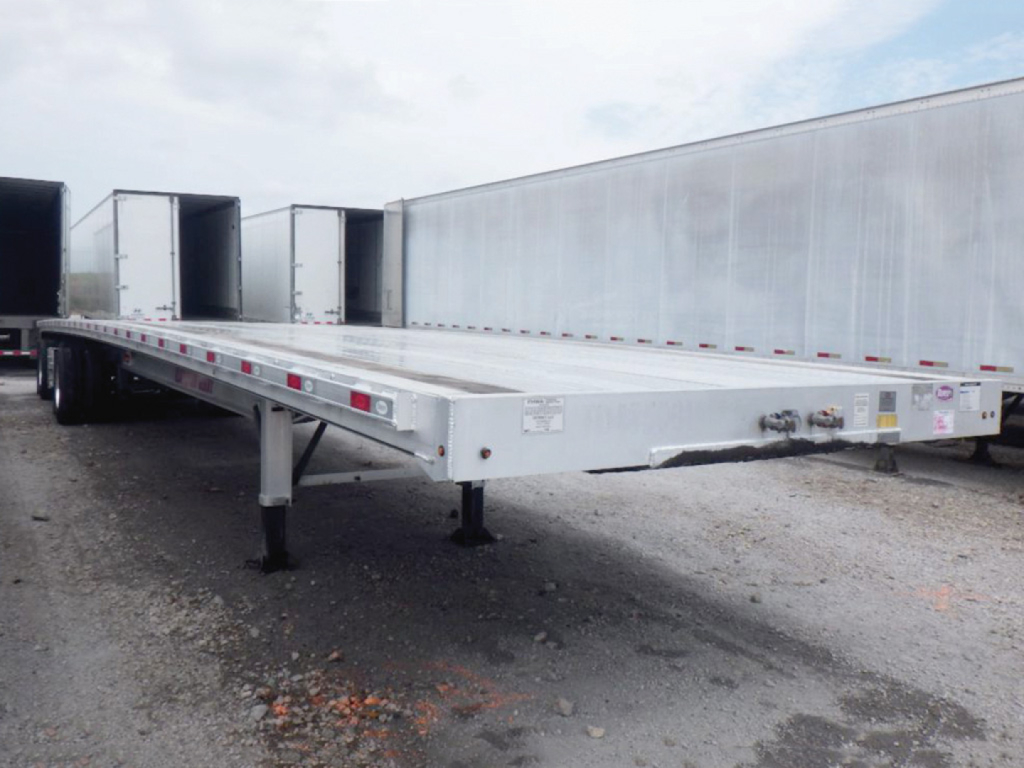
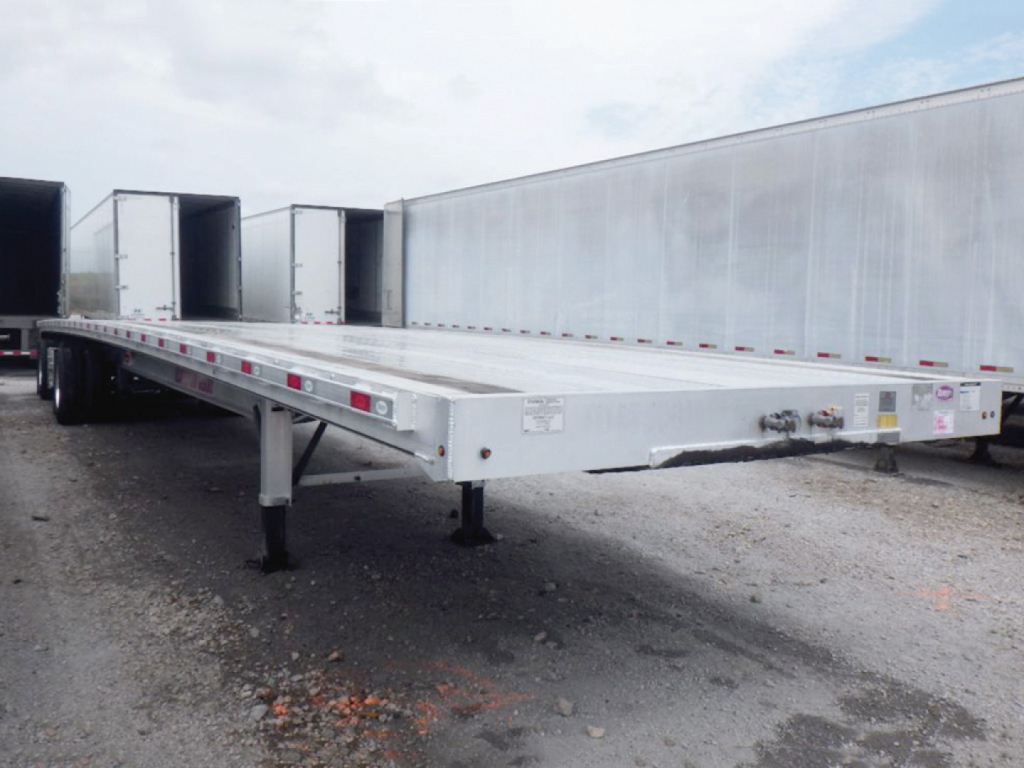
In flatbed applications, common Dorsey specs include 48-foot deck lengths, 102-inch width, air ride suspension, tandem or spread axle layouts, and wood or aluminum flooring depending on the intended freight. Features like sliding winches, winch tracks, double pipe spools, stake pockets, and Jost two-speed landing gear are important because they directly affect securement flexibility and day-to-day usability. Kingpin settings, suspension setting, and crossmember spacing also matter more than many buyers expect. A 30-inch kingpin setting, 49-inch spread slider, and 12-inch crossmember centers are typical types of specifications to review if the trailer will see heavy concentrated loads, uneven loading patterns, or frequent dock and scale adjustments.
For buyers focused on equipment hauling, Dorsey drop deck and beavertail trailers stand out for low loaded deck height, upper deck transition, and ramp-equipped rear access. Common layouts include a 53-foot overall length with a 10-foot 6-inch top deck, roughly 38-foot main deck, and loaded deck height around 41 inches. Steel beavertails with traction bars and spring-assisted ramps are practical for forklifts, small machines, and rolling freight that needs safer loading angles than a standard flatbed can provide. If the work involves taller freight, deck height and axle spread become critical because they influence legal height, weight distribution, and route flexibility.
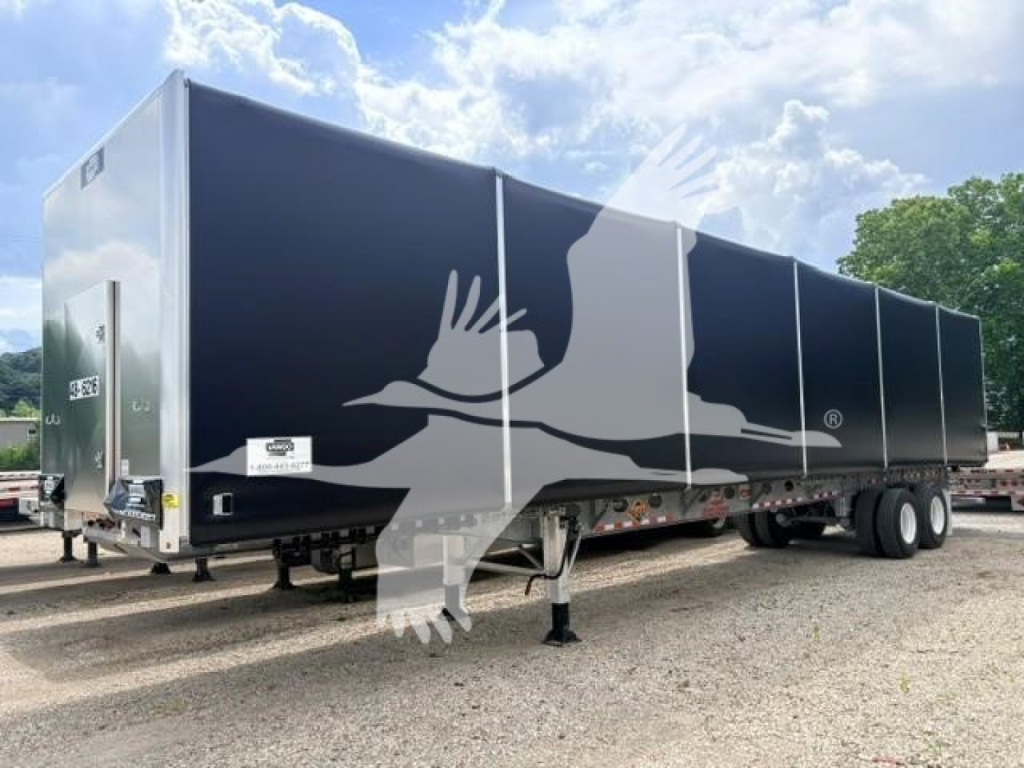
Dorsey also builds specialty trailers for bulk and material handling applications, including live floor designs used in agricultural products, recyclables, mulch, waste, and other non-palletized commodities. In those trailers, buyers should evaluate body construction, floor system brand, rear door style, tarp system, suspension type, and overall internal cubic capacity. Across the 2025 Dorsey trailer lineup, the best buying decision usually comes down to matching the trailer to the freight profile, not just choosing the lowest tare weight or the lowest price. A fleet hauling dense steel, a contractor moving compact equipment, and an operator hauling lightweight building products will each need a different Dorsey specification to get the best return from the trailer.
Frequently Asked Questions about 2025 Dorsey Trailers
What types of 2025 Dorsey trailers are most common?
The most common 2025 Dorsey trailers are flatbeds, drop decks, beavertails, and certain specialty trailers such as live floor units. Flatbeds are widely used for general open-deck freight, while drop decks and beavertails are better suited for taller cargo or equipment that benefits from a lower deck height and easier loading angle. The right type depends on freight dimensions, loading method, and how often the trailer needs to handle machinery versus standard palletized or bundled cargo.
Should I choose a steel or aluminum Dorsey trailer?
Steel Dorsey trailers are generally selected for durability, lower initial cost, and resistance to hard-use fleet applications, especially where concentrated loads are common. Aluminum Dorsey trailers are typically chosen for lighter tare weight and increased legal payload, which can make a major difference in higher-volume or weight-sensitive operations. The better choice depends on the freight mix, expected duty cycle, corrosion exposure, and how much value the operation places on payload versus structural ruggedness.
What specs matter most on a Dorsey flatbed or drop deck?
The most important specs are trailer length, deck height, axle configuration, suspension type, flooring, kingpin setting, and crossmember spacing. Buyers should also check securement features such as winch tracks, sliding winches, stake pockets, pipe spools, and side rail design. These details affect payload placement, load securement options, dock compatibility, maintenance needs, and how well the trailer fits state bridge laws and everyday operating conditions.
Why is axle configuration important on a 2025 Dorsey trailer?
Axle configuration affects weight distribution, bridge compliance, tire wear, maneuverability, and resale appeal. Tandem fixed, spread axle, and sliding tandem setups each solve different operating problems. A spread axle may reduce the need to slide for legal weight in some applications, while a sliding tandem offers more flexibility for scale adjustment and dock approach. The best setup depends on lane restrictions, freight density, customer locations, and how often loads vary in position and weight.
Are Dorsey beavertail trailers a good fit for equipment hauling?
Yes, a Dorsey beavertail trailer can be a strong fit for equipment hauling when the machines or rolling cargo do not require a full detach trailer. The beavertail and ramp combination provides a better loading angle than a standard flatbed, and the lower main deck helps with overall transport height. Buyers should still verify ramp capacity, main deck length, loaded deck height, and weight rating to make sure the trailer matches the size and operating weight of the equipment being moved.